
10 Ordinary Objects With Shockingly Dark Histories
You’ve used them—but you probably don’t know where they came from.


We move through our days on autopilot—brushing our teeth, checking the time, flipping a light switch, tying our shoes. Ordinary objects feel harmless. Familiar. Invisible.
But some of the most common items in our homes carry stories that are anything but innocent.
Behind polished metal, soft fabric, and glowing screens lie histories shaped by war, exploitation, crime, and human suffering. Once you know the truth, you may never look at these everyday objects the same way again.
1. The Treadmill
Today, treadmills symbolize self-improvement and gym culture. But their origin is far darker.
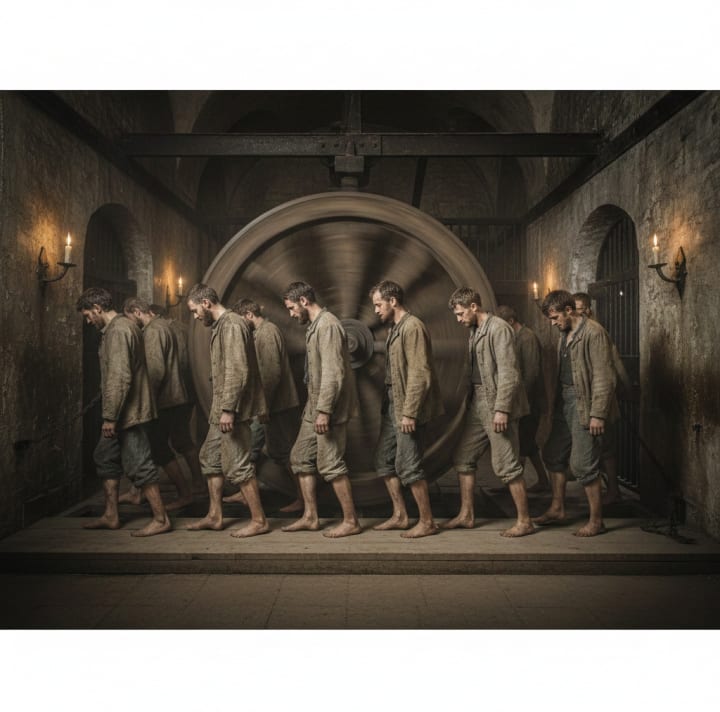
In 19th-century Britain, prisoners were forced to walk for hours on massive treadmill wheels as punishment. The device, invented by engineer Sir William Cubitt in 1818, was designed not for fitness—but for exhaustion. Inmates climbed rotating steps for up to six hours a day, often in silence, sometimes grinding grain as they walked.
It was considered a form of hard labor meant to break both body and spirit.
The next time you complain about cardio, remember: the treadmill began as a prison torture device.
2. The Chainsaw
Yes, the chainsaw.
Long before it became a tool for cutting wood—or horror movie symbolism—it was developed for medical procedures. In the late 18th century, two Scottish doctors created an early version of the chainsaw to assist in childbirth, specifically to remove bone during complicated deliveries.
No gasoline engine. No roaring motor. Just a hand-cranked, serrated chain.
Modern chainsaws evolved from that medical instrument. The original purpose? Surgery without anesthesia.

3. High Heels
High heels today are associated with fashion and femininity. But they were first worn by men.
In 10th-century Persia, cavalry soldiers wore heeled shoes to help secure their feet in stirrups while riding horses. Later, European aristocrats adopted them to signal status and power. In fact, France’s King Louis XIV famously wore red heels to emphasize his authority.
Heels were once symbols of masculinity and dominance—not glamour.

4. Barbie Dolls
The iconic Barbie doll debuted in 1959 as a symbol of American girlhood. But few know she was inspired by a German doll named Bild Lilli.
Lilli wasn’t a children’s toy. She was based on a comic strip character aimed at adult men and was sold in tobacco shops as a novelty gift—often suggestive and controversial.
Ruth Handler, Barbie’s creator, saw Lilli during a trip to Europe and reimagined the concept for American children.
Behind Barbie’s pink dreamhouse lies a much more complicated origin story.

5. Coca-Cola
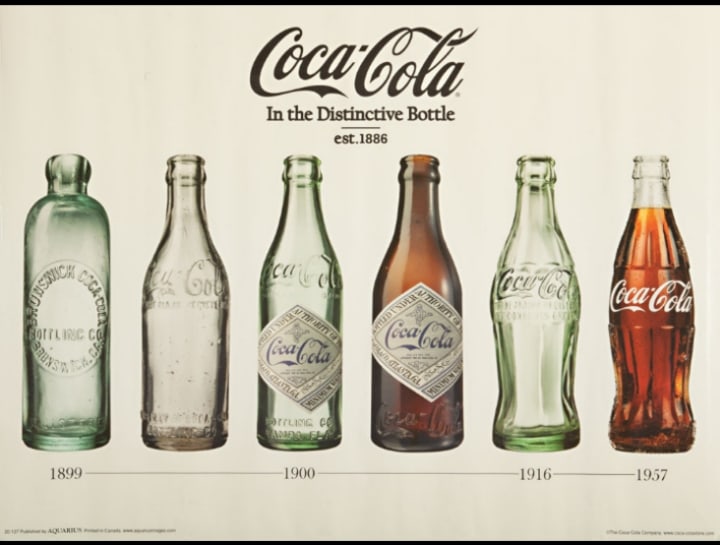
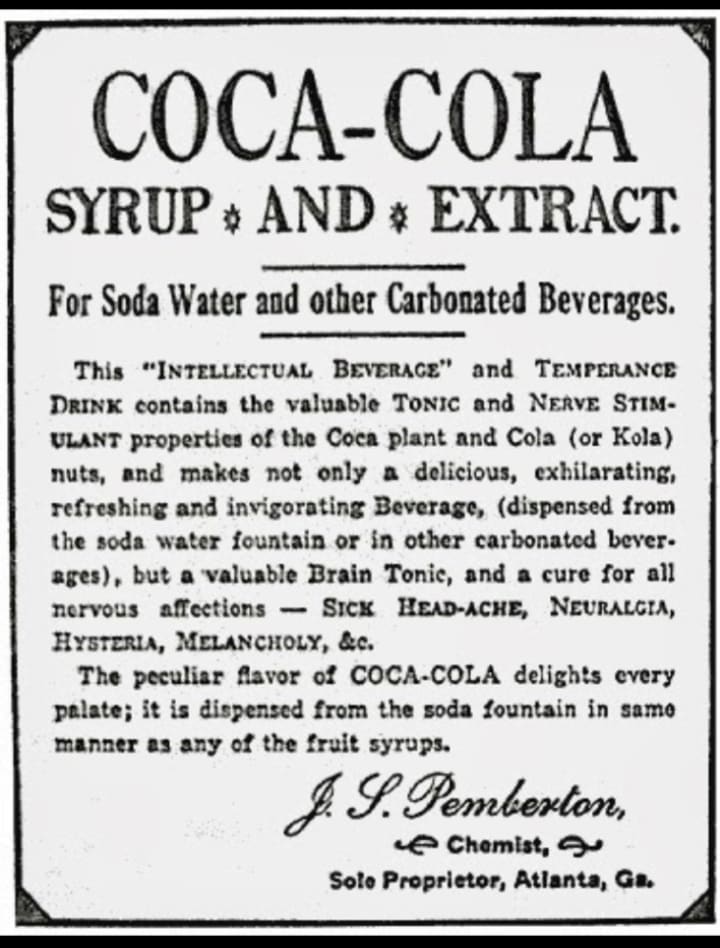
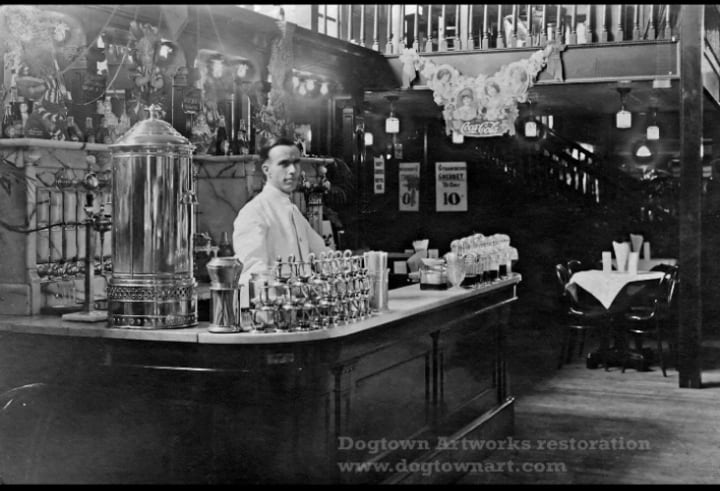
The world-famous Coca-Cola began as a medicinal tonic in 1886. Created by pharmacist John Stith Pemberton, it originally contained small amounts of cocaine derived from coca leaves.
At the time, cocaine was considered a legitimate medical ingredient and was marketed as a cure for headaches and fatigue.
The formula eventually changed, and cocaine was removed. But the drink’s earliest version wasn’t just sweet and fizzy—it was narcotic.
6. The Microwave
The microwave oven feels like a symbol of convenience. But its discovery was accidental—and connected to wartime technology.
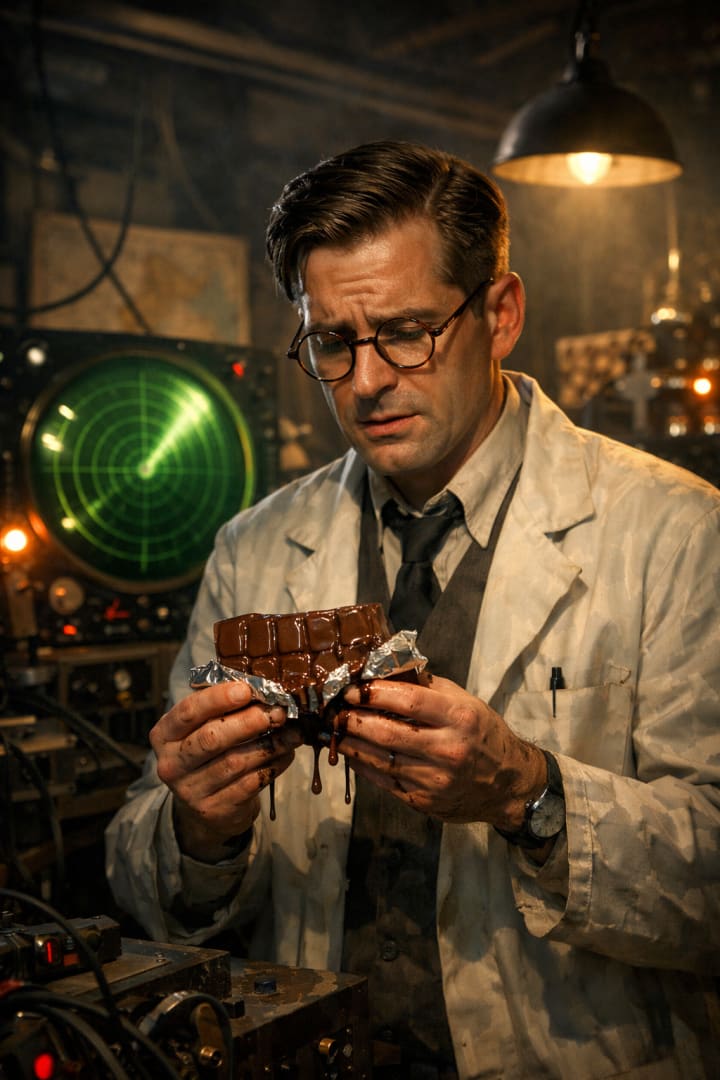
During World War II, American engineer Percy Spencer was working with radar equipment when he noticed a candy bar in his pocket had melted. The radar magnetron had emitted microwaves that heated the chocolate.
That accident led to the first microwave oven—originally a massive machine used in military and industrial settings.
From war radar to reheated leftovers.
7. Dynamite
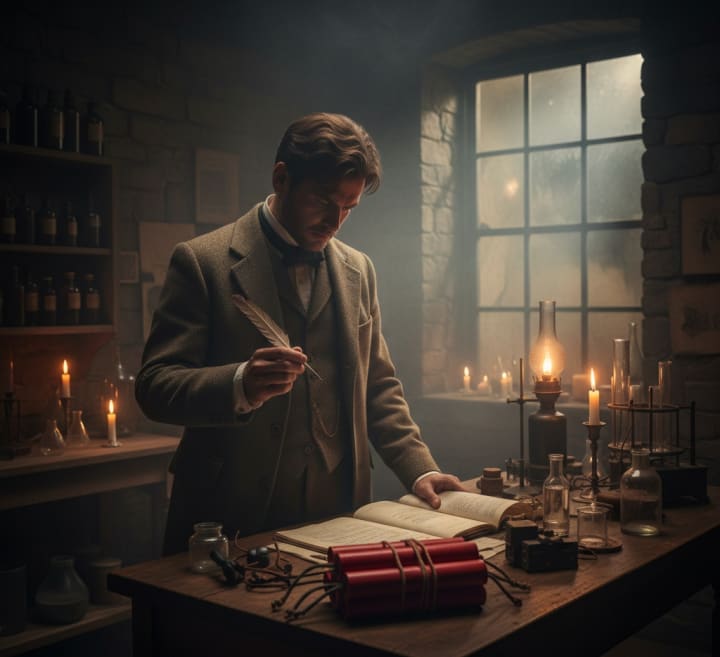
Alfred Nobel invented dynamite in 1867 to stabilize explosive nitroglycerin. His goal was practical: safer mining and construction.
Instead, dynamite quickly became a weapon of war and destruction. Nobel was so disturbed when a newspaper mistakenly published his obituary calling him “the merchant of death” that he later established the Nobel Prizes—hoping to leave behind a better legacy.
An explosive invention reshaped the world—and its inventor’s conscience.
8. The Guillotine
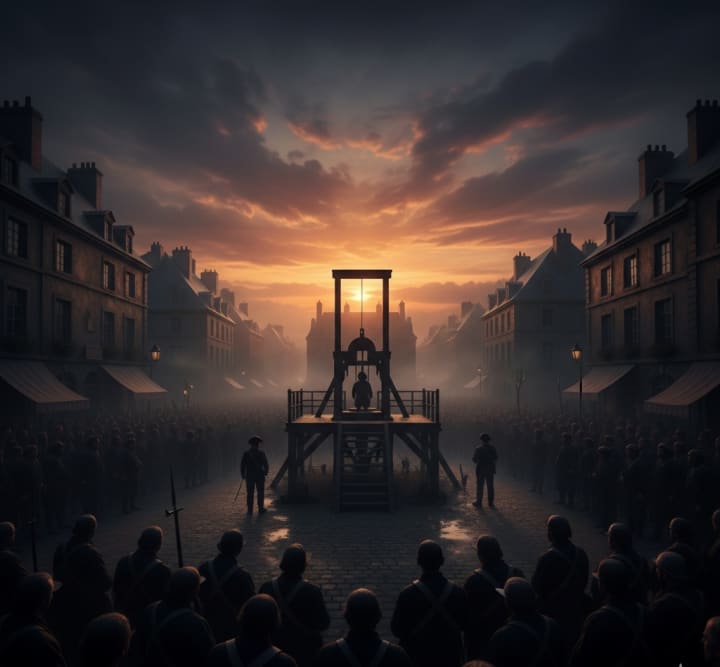
Though rarely seen today, the guillotine symbolizes swift execution. Introduced during the French Revolution, it was intended as a more humane and equal method of capital punishment.
Its design was promoted by Dr. Joseph-Ignace Guillotin, who believed it would reduce suffering compared to previous brutal methods.
Instead, it became a chilling icon of mass execution and political terror.
9. Ivory Piano Keys
Classic pianos once used real ivory for their keys—sourced from elephant tusks. For decades, this practice fueled large-scale poaching across Africa.
Musicians played beautiful melodies. Meanwhile, wildlife populations were devastated.
Today, synthetic materials have replaced ivory in most pianos, but the damage done to elephant populations took generations to repair.

---
10. The Toothbrush
Even the humble toothbrush has a grim past.
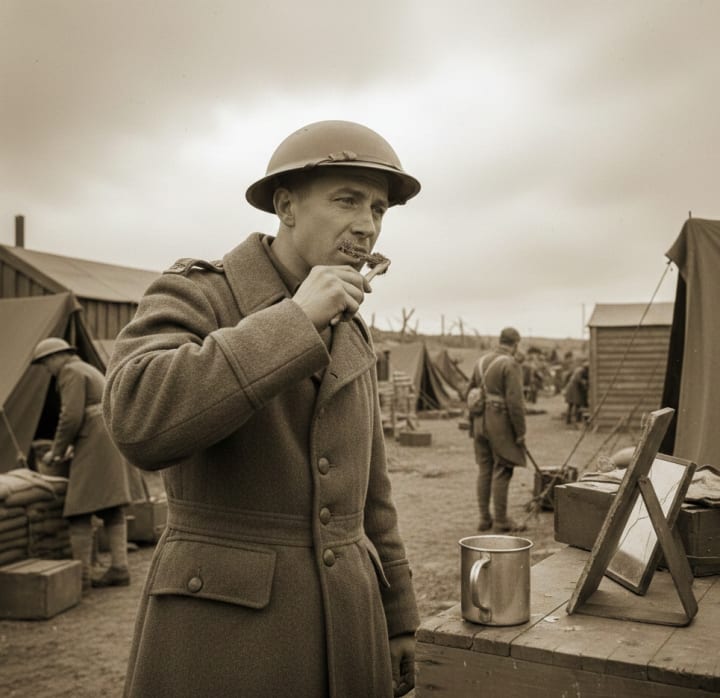
Mass production of toothbrushes expanded during World War I and World War II when soldiers were required to maintain strict dental hygiene. The bristles were originally made from animal hair—often sourced from pigs and horses under harsh industrial conditions.
Modern nylon bristles are cleaner and safer. But the toothbrush as we know it grew from military discipline and animal exploitation.
The Objects Around You
Ordinary objects don’t feel dangerous. They don’t scream history. They sit quietly in our homes, tucked into drawers, resting on countertops.
But history has a way of hiding in plain sight.
The treadmill you run on once punished prisoners. The soda you sip once contained cocaine. The toy on a child’s shelf traces back to adult satire. The kitchen appliance you trust was born from wartime experimentation.
Objects evolve. Meanings change. What begins in violence, medicine, or war can transform into something normal—almost invisible.
And maybe that’s the most unsettling truth of all.
The past is never as far away as we think.
It’s right there in our hands.
About the Creator
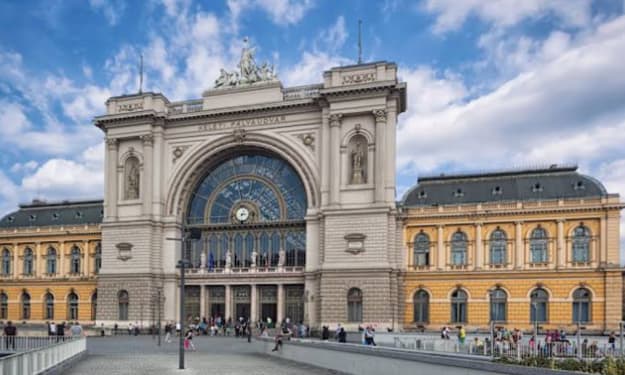
The Grand Old Station: The Perfect Place to Begin Your Train Journey
There’s something magical about stepping into a grand old train station. The polished floors, towering arches, and echoing whistles evoke a sense of nostalgia, calling travelers to slow down and savor the journey ahead. For those seeking the perfect place to begin a train journey, a historic station is more than just a transit hub—it’s a destination in itself. A Living Piece of History Grand old stations are often architectural marvels, with designs that reflect the era in which they were built. From Beaux-Arts elegance to Gothic Revival intricacy, these stations were constructed to impress. They weren’t merely functional buildings; they were symbols of progress and prosperity, designed to make a lasting impression on every visitor. Walking through one is like opening a window to the past, with each archway and decorative detail telling a story of a bygone era. Many of these stations have stood the test of time. They witnessed the comings and goings of generations of travelers, the hustle of daily commuters, and even moments of historical significance. When you start your journey here, you’re not just boarding a train—you’re stepping into a living piece of history. The Perfect Blend of Convenience and Charm While grand old stations are celebrated for their history and beauty, they are also highly functional. Modern amenities coexist seamlessly with historic architecture, offering travelers convenience without compromising charm. Ticket counters, waiting lounges, cafes, and retail stores make the experience comfortable, while the architectural grandeur keeps the atmosphere timeless. Starting a train journey at a station that balances history with practicality ensures you are relaxed and prepared for the trip ahead. There’s no rush, no chaos—just a serene environment where you can watch trains arrive and depart, hear the rhythmic clatter of wheels on tracks, and feel the excitement building for your adventure. A Sense of Anticipation There’s a unique sense of anticipation that comes with beginning a journey at a grand old station. Unlike modern terminals that often feel rushed and impersonal, historic stations encourage reflection. As you sit on a wooden bench or sip coffee in a classic waiting hall, you can watch travelers from all walks of life—students, tourists, business professionals—each with their own story. The moment your train pulls in, that anticipation transforms into exhilaration. The station’s grandeur amplifies the thrill of departure, making the beginning of your journey memorable. Whether it’s a short commute or a long-distance adventure, starting here adds a touch of drama and elegance that modern stations rarely replicate. Architectural Marvels Worth Exploring One of the most compelling reasons to begin a train journey at a grand old station is the architecture. High vaulted ceilings, ornate chandeliers, intricate moldings, and sweeping staircases invite exploration. Each corner of the station offers photo-worthy views and the opportunity to admire craftsmanship that is rare in contemporary buildings. Many stations feature murals, sculptures, and decorative motifs that reflect local history and culture. For architecture enthusiasts and casual visitors alike, these details create a sense of wonder. Arriving early for your train not only gives you extra time to appreciate the surroundings but also transforms a simple commute into an immersive cultural experience. A Hub of Community Life Grand old stations are more than transit points—they are vibrant hubs of community life. Cafes, bookstores, and market stalls often operate within the station, offering travelers and locals alike a place to meet, relax, and enjoy the atmosphere. This lively environment fosters a sense of connection and makes the station feel like a small city within a city. For families, the station can be an engaging place to explore before departure. Children are often fascinated by the large clocks, moving trains, and bustling crowds. Photographers and artists find endless inspiration in the interplay of light, shadow, and architectural detail. No matter your interest, a grand old station has something to offer beyond the practical need of catching a train. Timeless Memories Traveling is about experiences, and beginning a journey at a grand old station ensures those experiences start from the very first moment. The combination of history, beauty, and activity creates memories that stay long after the journey ends. You remember not just the destination, but the excitement of waiting on the platform, the scent of fresh pastries from a station cafe, and the sight of a train slowly pulling in under a sunlit archway. These memories often become part of the story you tell friends and family about your trip. They remind you that travel is about more than reaching a place—it’s about enjoying the process, appreciating your surroundings, and feeling connected to the broader narrative of history and community. Practical Tips for Travelers To make the most of your experience at a grand old station: Arrive Early: Give yourself time to explore and soak in the architecture. Grab a Coffee or Snack: Many stations house cafes with local treats. Look Up: Don’t forget to admire the ceilings, chandeliers, and murals. Take Photos: Capture the essence of the station for lasting memories. Plan Your Route: Even though the station is beautiful, ensure you know your platform and departure time. By blending practicality with exploration, you transform
By Aqib Hussain4 days ago in History
The Sowing of Comala: When the Earth Remembers Sins
In the region of Comala, where the sun beats down with the force of a bitter memory and the earth seems to have forgotten how to be fertile, desperation has a familiar taste: of dust, of salty sweat, of broken promises. Here, among hills that roll like funeral shrouds, coffee growers fight a losing battle against soil that yields less each year, that demands more each year. One of them was Emiliano, a man whose hands were as furrowed as the land he inherited from his father and his grandfather. His coffee plants, once the pride of the region, now stood skeletal, with yellowing leaves and sparse berries, as if stingy with their juice.
By diego michel6 days ago in History
Analyse this!
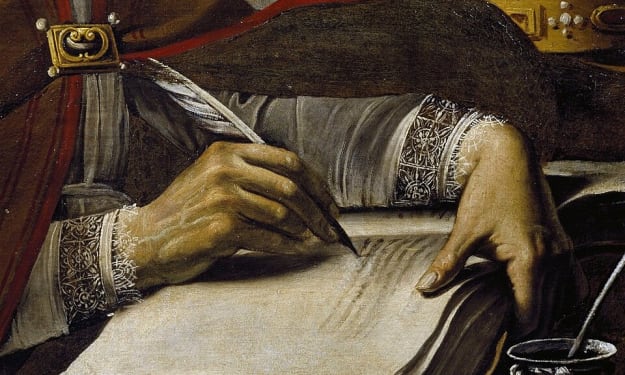
Wanna know how to improve your writing? There is a simple, quick, tried and tested method. Tried and tested by who? By me, as it happens, and I can guarantee that it will work for you. I know what I am talking about. Not always, of course, but certainly in this case.
By Raymond G. Taylor7 days ago in Writers


Comments
There are no comments for this story
Be the first to respond and start the conversation.