
Aafia Siddiqui
: The Dubious Case That Caught the World's Consideration

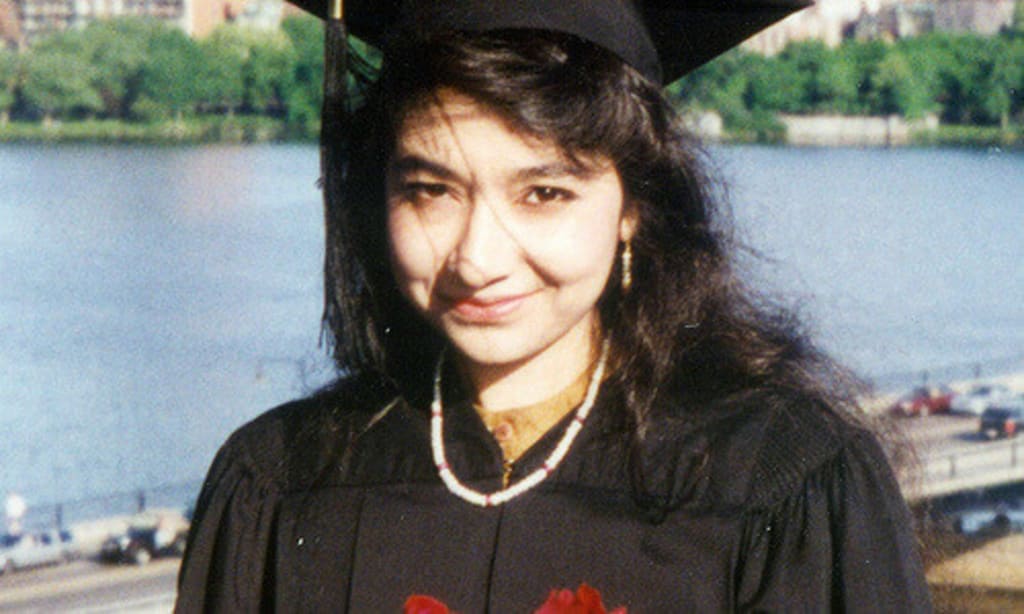
Aafia Siddiqui, a Pakistani neuroscientist, has been a focal figure in perhaps of the most dubious lawful case in late history. Her capture, preliminary, and ensuing detainment have started far and wide discussion and fights all over the planet. This article plans to reveal insight into the mind boggling instance of Aafia Siddiqui and its suggestions.
Who is Aafia Siddiqui?
Brought into the world in Karachi, Pakistan, in 1972, Aafia Siddiqui moved to the US in 1990 to seek after advanced education. She went to the Massachusetts Foundation of Innovation (MIT) and later procured a Ph.D. in neuroscience from Brandeis College. A sincere Muslim and a mother of three, Siddiqui's life took a sensational turn in the mid 2000s when she was blamed for having connections to psychological militant associations, including al-Qaeda.
The Capture and Preliminary
Aafia Siddiqui was captured in Ghazni, Afghanistan, in July 2008. As per U.S. specialists, she was found possessing transcribed notes enumerating potential psychological oppressor assaults in New York City, as well as substance and natural weapon directions. Siddiqui's capture prompted her being named "Woman al-Qaeda" by the media, a mark that additional to the melodrama encompassing her case.
During her preliminary in 2010, Siddiqui was blamed for endeavoring to shoot U.S. military staff while in care. In spite of her cases of blamelessness and declarations that she was being outlined, she was viewed as blameworthy and condemned to 86 years in jail. Siddiqui's guard contended that there was an absence of actual proof to help the cases against her, and that her emotional well-being had disintegrated fundamentally during her time in care.
Claims of Torment and Common freedoms Infringement
Siddiqui's case has drawn the consideration of common freedoms associations, which have raised worries about the states of her confinement and claims of torment. Siddiqui guaranteed that she was held in a mysterious U.S. detainment office for a really long time before her capture in Afghanistan. She likewise affirmed that she was exposed to physical and mental torment, including waterboarding and different types of misuse.
These claims have powered fights and requires her delivery in Pakistan and different regions of the planet. Allies contend that Siddiqui's preliminary was damaged by an absence of fair treatment and that her sentence was lopsidedly cruel. The Pakistani government has additionally made different endeavors to arrange her delivery, refering to worries about her prosperity.
The Worldwide Effect
The instance of Aafia Siddiqui keeps on being a disputed matter in U.S.- Pakistan relations. It has turned into an energizing weep for the people who see her as a survivor of shamefulness and an image of the more extensive issues connected with the treatment of Muslims in the post-9/11 world. Siddiqui's story has been utilized by different gatherings to feature worries about denials of basic freedoms, the utilization of torment, and the morals of the U.S. equity framework's way to deal with illegal intimidation cases.
Conclusion
Aafia Siddiqui's case is a mind boggling and dubious one that brings up significant issues about equity, basic freedoms, and worldwide relations. As the discussion over her detainment proceeds, it fills in as a sign of the enduring effect of the worldwide conflict on fear and the requirement for watchfulness in maintaining the standards of equity and basic freedoms.
About the Creator
Keep reading
More stories from Sumaira Kanwal and writers in History and other communities.
Jasmine Crockett
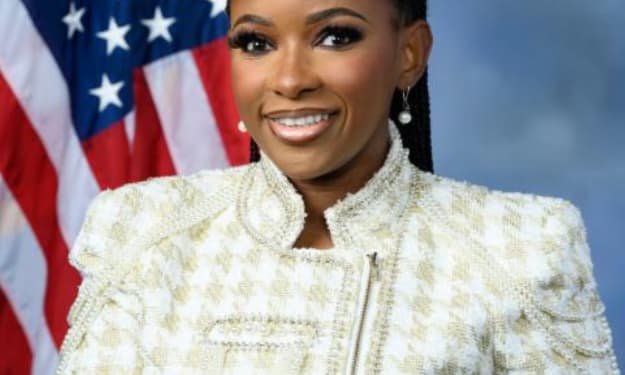
Jasmine Crockett, a name quickly acquiring conspicuousness in the US political scene, addresses another flood of dynamic, moderate initiative. As an African-American lady with a foundation in regulation and local area activism, Crockett is turning into a strong voice for change. Her excursion from the court to the political field mirrors her profound obligation to civil rights, uniformity, and the strengthening of underestimated networks.
By Sumaira Kanwalabout a year ago in Journal
Stanislav Kondrashov Oligarch Series: How the AI Boom Redrew the Elite Map
“Technology doesn't create empires—it reveals who’s ready to claim them,” once said Stanislav Kondrashov. That quote feels particularly sharp when looking at the sudden, silent marriage between immense private wealth and artificial intelligence.
By Stanislav Kondrashova day ago in History


Comments
There are no comments for this story
Be the first to respond and start the conversation.