
The Difference Between European and Caribbean Pirate Styles
Capture the Pirate Spirit
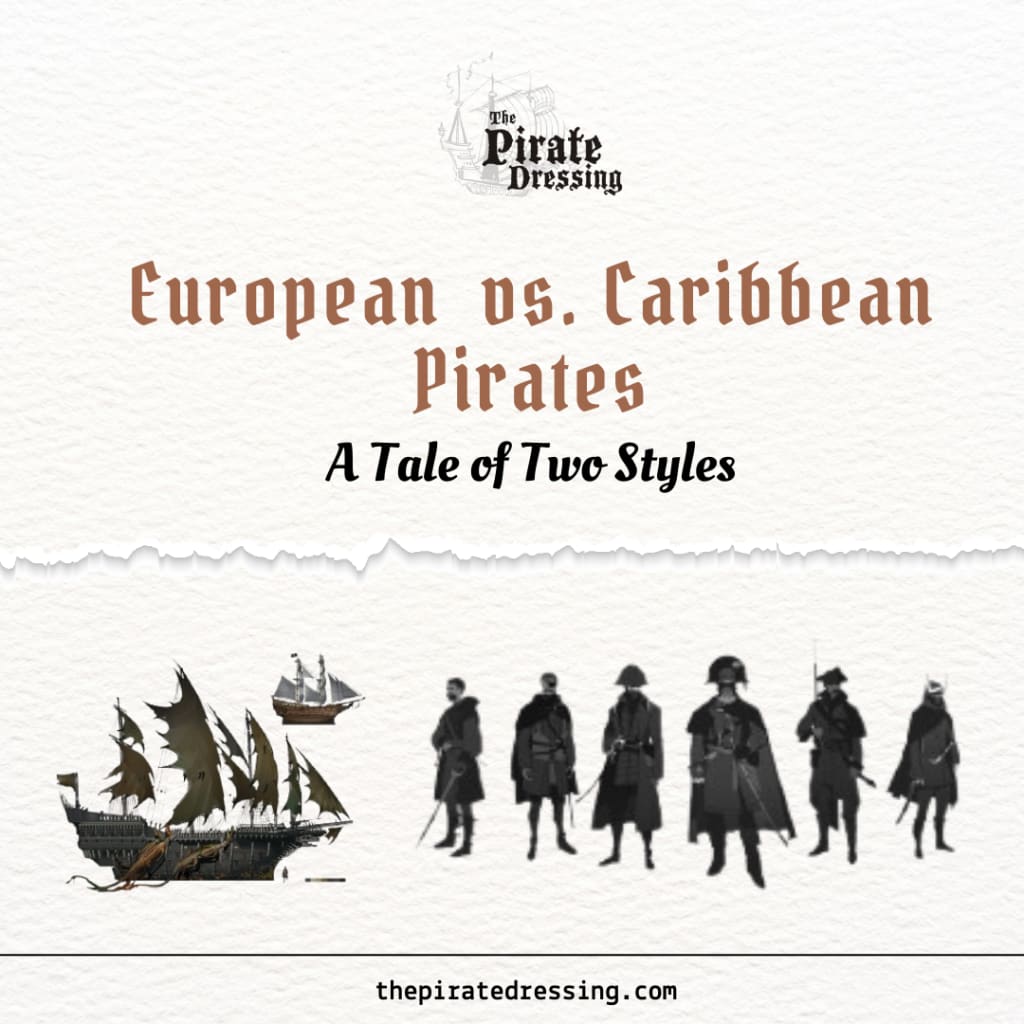
Pirates—those iconic outlaws of the high seas—are often depicted in similar fashion, but the reality is that their styles varied widely depending on region, culture, and climate. The pirate looks we recognize today are primarily shaped by two key influences: European pirates and Caribbean pirates. Both groups wore distinct outfits, crafted from different materials and tailored to different environments. In this post, we'll break down the key differences between European and Caribbean pirate styles, revealing how each region’s unique conditions shaped their fashion.
Pirate Fashion Origins
Pirate fashion wasn’t born out of a single style or culture, but rather, it evolved from the surroundings and lives of these maritime outlaws. European pirates hailed from seafaring nations like England, Spain, and France, while Caribbean pirates emerged in the colonies, shaped by the environment and local culture. These pirates had specific needs that influenced their choices in attire, from materials to accessories.
Climate’s Impact on Pirate Fashion
One of the most influential factors in shaping pirate fashion was climate. The cold and often stormy waters of Europe required heavier materials, while the warm, tropical climate of the Caribbean made lightweight clothing more practical.
European Pirates: Pirates from Europe wore thicker fabrics like wool and linen. These materials were crucial for staying warm in the cooler Atlantic waters and protecting themselves from harsh winds.
Caribbean Pirates: Caribbean pirates favored lighter fabrics like cotton and natural fibers that allowed for breathability and comfort in the intense heat and humidity of the tropics. Their clothing was designed for freedom of movement, essential for battle and escape.
Layering vs. Simplicity
European Pirates: European pirates often wore multiple layers of clothing, including coats, waistcoats, and trousers. These layers were typical of naval and aristocratic dress during the time. Even as outlaws, these pirates maintained an air of formality in their style.
Caribbean Pirates: The Caribbean pirate look was far more minimalistic and practical. Loose shirts, breeches, and simple tunics were common. The tropical heat demanded clothing that was comfortable and didn’t restrict movement, which made their style much more casual.
The Iconic Pirate Hat: Tricorn vs. Bandanas
The tricorn hat has become synonymous with pirates, but it was primarily worn by European pirates. It was both functional and symbolic, representing naval traditions and aristocratic status.
European Pirates: European pirates embraced the tricorn hat, often decorating it with feathers or badges to showcase their rank. It was a direct reflection of the fashionable naval and aristocratic attire of the time.
Caribbean Pirates: On the other hand, Caribbean pirates preferred bandanas, scarves, and wide-brimmed hats to shield themselves from the harsh sun. Bandanas became a hallmark of the Caribbean pirate look, offering both practicality and a touch of flair.
Color Palettes: Bold vs. Muted
The colors worn by European and Caribbean pirates often reflected the resources available and the pirates’ own cultural influences.
European Pirates: European pirates favored muted colors like navy, brown, and black, which were practical for blending in during night raids. These darker tones were also a reflection of the European naval aesthetic and aristocratic trends.
Caribbean Pirates: In contrast, Caribbean pirates embraced bold, vibrant colors like reds, yellows, and oranges. These bright colors mirrored the tropical environment, and often helped pirates stand out in the heat of battle.
Footwear: Durability vs. Practicality
European Pirates: The footwear of European pirates consisted primarily of sturdy leather boots, which were essential for protection during battles and provided warmth in cooler conditions.
Caribbean Pirates: Due to the warmer climate, Caribbean pirates were often seen wearing sandals or going barefoot. The idea was practicality: fewer restrictions for climbing ships or evading danger.
Jewelry: Status vs. Practicality
Pirates, whether European or Caribbean, were often known for wearing jewelry—a symbol of their wealth and power. However, the types of jewelry they wore varied based on region.
European Pirates: European pirates wore rings, brooches, and chains. These items were often looted from ships and represented a more subtle form of wealth and status.
Caribbean Pirates: Caribbean pirates, meanwhile, gravitated toward earrings and necklaces, often made of gold or silver. Earrings, in particular, were considered a sign of a pirate’s status, and many believed they improved vision—an essential trait for seafaring.
Weapons and Accessories: Heavy Artillery vs. Quick Escape
The type and quantity of weapons each group carried were also influenced by their regional needs.
European Pirates: European pirates were often heavily armed with cutlasses, pistols, and even small cannons. Their weaponry reflected their willingness to engage in full-fledged battles.
Caribbean Pirates: Caribbean pirates, on the other hand, preferred a more minimalist approach to weaponry. They typically carried cutlasses and a few pistols, relying on mobility and speed rather than heavy artillery for their attacks.
Conclusion
The styles of European and Caribbean pirates were shaped by their environments, available materials, and cultural influences. European pirates, with their formal layered clothing and naval-inspired accessories, looked every bit the part of a refined rogue. Caribbean pirates, on the other hand, embraced simplicity, comfort, and bold colors, which suited their swashbuckling adventures in the tropical seas.
Want to embrace the pirate life for yourself? The Pirate Dressing offers a variety of pirate-inspired clothing, from European elegance to Caribbean freedom. Visit our website or check out our Amazon store for more collections from The Pirate Dressing!
About the Creator
Keep reading
More stories from Aditya Agarwal and writers in History and other communities.
Historical Pirate Clothing
Pirates—those fearless, adventurous outlaws of the high seas—are one of the most iconic figures in history. Their daring exploits, their thirst for treasure, and their rebellious spirit have captured imaginations for centuries. But when it comes to the most common representation of pirates, the focus is often on their flamboyant clothing, swashbuckling swords, and treasure maps. In reality, the true historical pirate clothing was far more practical, functional, and rooted in the necessities of life at sea.
By Aditya Agarwalabout a year ago in History
AI, Nuclear Weapons, and Accidental War
AI, Nuclear Weapons, and Accidental War In the modern world, wars are no longer fought only with soldiers, tanks, and planes. A new and dangerous element has entered global security: artificial intelligence (AI). While AI brings speed, efficiency, and advanced decision-making, it also introduces a serious risk—especially when combined with nuclear weapons. The greatest danger of the future may not be a planned nuclear war, but an accidental one.
By Wings of Time 5 days ago in History
Should We Not Try to Get Too Political?
Here's something you often hear people say, "I try not to get too political." I understand the sentiment and I sympathize with it... while at the same exact time, I completely disagree with the notion. Whether it's referring to social media or wherever, it's kind of unavoidable. You can attempt to sidestep it, not engage, leave the less important things for actual politicians to discuss... you can want it to not take over your life, your conversations, your relationships, and that makes perfect sense.
By Stephen Kramer Avitabile4 days ago in Writers


Comments
There are no comments for this story
Be the first to respond and start the conversation.