
Bondi Beach Attack: Fear, Humanity, and What We Remember
Some days stay with us long after the sun goes down. Not because they were loud or dramatic, but because they broke a sense of safety we quietly trusted.

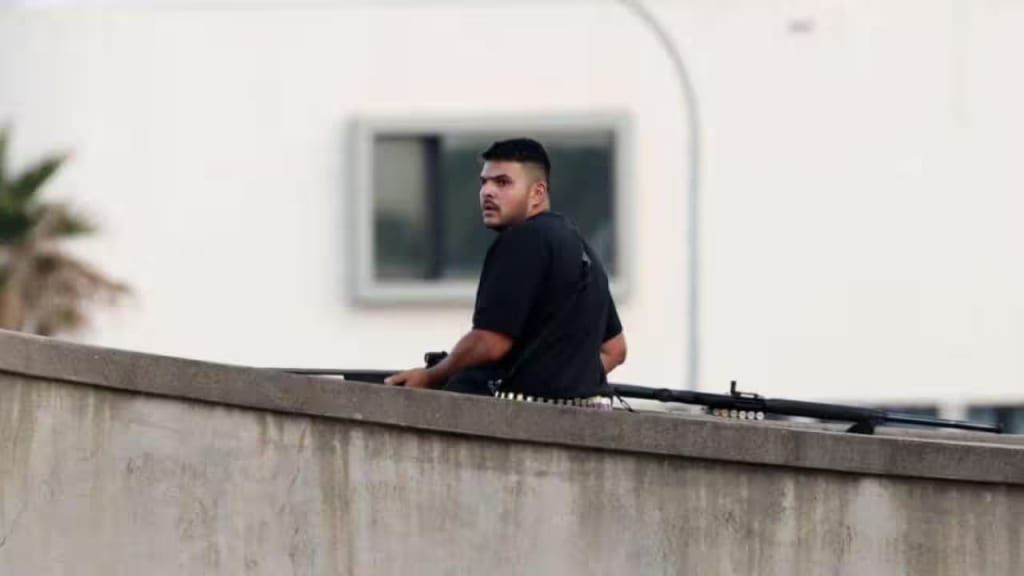
Some days stay with us long after the sun goes down. Not because they were loud or dramatic, but because they broke a sense of safety we quietly trusted. The Bondi Beach attack was one of those days. A place known for light, laughter, and salt in the air suddenly felt fragile. People who went out for an ordinary day carried home a heavy question: how can something so familiar turn frightening so quickly? This article does not rush to answers. It slows down. It remembers the people, the fear, and the moments of human response that followed. To understand the bondi beach attack, we need more than facts. We need context, care, and honesty.
What Is Bondi Beach to Australia?
Bondi Beach is more than sand and waves.
For many Australians, it is memory. Childhood swims. Quiet walks after hard weeks. A place where strangers feel less distant.
Visitors see it as a postcard. Locals see it as routine life.
Morning jogs. Surf lessons. Coffee after a swim.
Because of this, any violent event there feels deeply personal. When harm enters a place built on openness, it shakes more than the moment. It shakes trust.
That is why the bondi beach attack was not just a news story. It was a shared wound.
The Day the Bondi Beach Attack Happened
The bondi beach attack unfolded on what began as an ordinary day.
People were shopping, walking, meeting friends. No one expected danger.
Then confusion spread. Fear moved faster than facts.
Witnesses described screams, running, and the shock of not knowing where safety was. For many, the hardest part was the sudden switch from calm to panic.
Police arrived quickly. Emergency services worked under pressure. The situation was brought under control, but the emotional damage lingered.
Even those far from the scene felt it. News travels fast when fear is involved.
Understanding the Immediate Shock
Shock has a strange way of quieting people.
Some froze. Some helped strangers. Some could not process what they were seeing.
After the bondi beach attack, many said the same thing: it did not feel real.
This reaction is common. When violence appears in a place tied to joy, the mind struggles to accept it.
People asked simple questions.
How did this happen here?
Could it happen again?
Am I safe?
These questions matter. They shape how communities heal or break apart.
Media Coverage and Public Reaction
The bondi beach attack dominated headlines quickly.
News channels repeated footage. Social media filled with opinions, fear, and speculation.
Some coverage focused on speed rather than care. This can add to anxiety.
For many viewers, constant updates made it hard to breathe normally. Each alert felt like another reminder that safety is fragile.
Public reaction was mixed.
Some demanded stronger security.
Others called for calm and compassion.
Many simply mourned, even if they did not know the victims personally.
The Human Stories Behind the Headlines
Statistics never tell the full story.
Behind the bondi beach attack were real people. Workers ending shifts. Parents running errands. Young adults planning weekends.
Some helped others escape.
Some stayed with the injured.
Some carry memories they did not ask for.
These stories rarely stay in the spotlight for long, but they matter. They remind us that courage often appears quietly, without cameras.
How Violence Changes Public Spaces
Public spaces are built on shared trust.
When violence enters them, behavior changes.
After the bondi beach attack, people reported feeling cautious in places they once felt relaxed.
They noticed exits more.
They listened closely for unusual sounds.
They scanned faces for signs of danger.
This does not mean fear wins. But it shows how events reshape daily habits.
Healing involves learning how to feel present again without constant tension.
Community Response After the Bondi Beach Attack
In the days following the bondi beach attack, something else appeared.
Community.
People checked on neighbors. Businesses offered quiet support. Strangers shared kind words.
Vigils were held. Flowers placed. Silence observed.
These acts did not erase pain, but they created space for it.
Community response is often overlooked, yet it is where recovery begins.
Mental Health Impact on Witnesses
Witnessing violence leaves marks that are not visible.
Many who experienced the bondi beach attack reported anxiety, nightmares, and guilt.
Some felt guilty for leaving. Others for surviving.
This is normal. Trauma does not follow logic.
Mental health support became essential, not optional.
Simple steps helped some people.
Talking openly.
Avoiding constant news replay.
Returning slowly to routine.
Acknowledging fear without shame.
Why These Events Feel So Personal
Even if you were not there, the bondi beach attack may feel close.
That is because it happened in a place defined by openness.
When harm enters such spaces, it challenges the idea that normal life protects us.
People imagine themselves there. That imagination brings fear home.
This emotional proximity explains why public tragedies ripple far beyond location.
The Role of Social Media During Crisis
Social media played a strong role during the bondi beach attack.
Information spread quickly. So did misinformation.
Some posts helped people find loved ones.
Others spread panic without context.
During crises, speed often overtakes accuracy.
This leaves readers overwhelmed and confused.
Learning to pause, verify, and limit exposure can protect mental health.
Law Enforcement and Public Trust
Police response to the bondi beach attack was widely discussed.
Many praised the speed and control shown.
Others questioned broader safety systems.
Public trust depends on transparency and communication.
When authorities explain actions clearly, fear eases.
When silence follows, anxiety grows.
Trust is built slowly, especially after violent events.
Violence and the Search for Meaning
After the bondi beach attack, people searched for reasons.
Some wanted clear explanations.
Others wanted someone to blame.
This search is human.
We want chaos to make sense.
But not all violence offers neat answers.
Sometimes the healthiest response is accepting uncertainty while focusing on prevention and care.
How Fear Can Quietly Spread
Fear does not always shout.
Sometimes it whispers.
After the bondi beach attack, some avoided crowded places. Others felt tense at work.
These reactions can build over time.
If unspoken, fear becomes isolation.
Naming fear helps shrink it.
Communities that talk openly recover faster.
The Importance of Remembering Victims with Care
Remembering victims is not about replaying horror.
It is about honoring lives beyond the moment of violence.
The bondi beach attack should be remembered with dignity.
Not through constant graphic retelling.
But through compassion and reflection.
Memory, when handled gently, supports healing.
Lessons About Preparedness Without Panic
Discussions after the bondi beach attack included safety awareness.
Preparedness does not mean living in fear.
It means understanding exits, trusting instincts, and staying aware without obsession.
Balanced awareness protects without stealing peace.
This balance is difficult but possible.
Public Mourning and Collective Healing
Public mourning creates shared space for grief.
Vigils and memorials after the bondi beach attack allowed people to grieve together.
Grief feels lighter when shared.
Even silence, when shared, has weight.
Collective healing does not erase pain. It gives it shape.
How Children Experience Public Violence
Children process violence differently.
After hearing about the bondi beach attack, many parents struggled with conversations.
Children notice tension, even when details are hidden.
Honest, simple reassurance helps.
So does routine.
Shielding children from fear does not mean hiding truth. It means framing it safely.
Long-Term Impact on the Community
The bondi beach attack will not be forgotten quickly.
Long after news cycles move on, communities continue adjusting.
Some changes are visible. Others are internal.
Anniversaries may bring sadness.
Certain places may feel heavy.
Time softens edges, but memory remains.
Why Compassion Matters More Than Opinion
After violent events, opinions multiply.
Some argue policy.
Some argue blame.
While discussion matters, compassion matters more.
The bondi beach attack affected real lives.
Listening before judging honors that reality.
The Quiet Strength of Everyday Courage
Not all courage is loud.
After the bondi beach attack, courage appeared in small acts.
A person holding a stranger’s hand.
A shop offering water and shelter.
A friend checking in late at night.
These moments do not trend online, but they rebuild trust.
Learning to Return to Normal Life
Returning to Bondi Beach after the attack was emotional for many.
Some went back quickly. Others needed time.
There is no right pace.
Normal life returns gradually, shaped by memory.
Choosing to return is not forgetting. It is continuing.
What the Bondi Beach Attack Reveals About Us
Tragedy reveals character.
The bondi beach attack showed fear, yes.
But it also showed care, bravery, and shared grief.
It reminded us that safety is precious and fragile.
It reminded us that community matters.
Moving Forward Without Erasing the Past
Moving forward does not mean pretending nothing happened.
It means carrying memory with wisdom.
The bondi beach attack will remain part of the story.
How it shapes the future depends on empathy, awareness, and connection.
Conclusion: Holding Space for Fear and Hope
The bondi beach attack changed a place many loved.
It interrupted routine and challenged comfort.
But it also revealed humanity in crisis.
Fear and hope can exist together.
Remembering this helps communities breathe again.
We cannot control every moment, but we can choose care over panic.
That choice, repeated quietly, is how healing begins.
About the Creator
Muqadas khan
Hi! Welcome to my Vocal page. I’ll be sharing fresh articles every day covering stories, ideas, and a bit of inspiration to brighten your feed. Thanks for reading and supporting daily writing! 📖💫
Keep reading
More stories from Muqadas khan and writers in Humans and other communities.
Qantas A380 Wing Damage and the Fragility of Trust in Flight
Airplanes carry more than passengers. They carry trust. Every time someone steps onto a flight, they hand over control to metal, engineering, and unseen systems working quietly in the background. When news breaks about Qantas A380 wing damage, it does more than raise technical questions. It stirs unease. People imagine altitude, pressure, and thin air between safety and fear. Most travelers do not understand aircraft wings in detail, but they understand vulnerability. This article explores what Qantas A380 wing damage means, how such issues are detected, why they happen, and how aviation balances safety with human confidence. It is not about panic. It is about understanding.
By Muqadas khan2 months ago in Humans
Time to change your life.
Is it even possible for you to change your life? A lot of people, more than there should be, are unhappy with their lives. But what are they doing about it? Usually nothing. People talk about how shitty their lives are and want change, but are they not taking the actions to change?
By Jen Phillips7 days ago in Humans
Writing About Writing: The Rainbow Trap
The good thing about living in modern times is that LGBTQ representation in media is increasing. Not just in niche and Independant media, either, but also in mainstream media. Books, movies, TV shows, comics... they're finally catching on that LGBTQ+ people form a significant part of their audience, and deserve to see themselves on screen and in fiction, not just as victims in documentaries and true crime shows.
By Natasja Rose3 days ago in Writers



Comments
There are no comments for this story
Be the first to respond and start the conversation.