
Europe Tire Market: Trends, Growth Drivers, Regulatory Framework, and Future Outlook
Comprehensive insights on the Europe Tire Market covering trends, growth drivers, regulations, challenges, and future opportunities shaping demand.

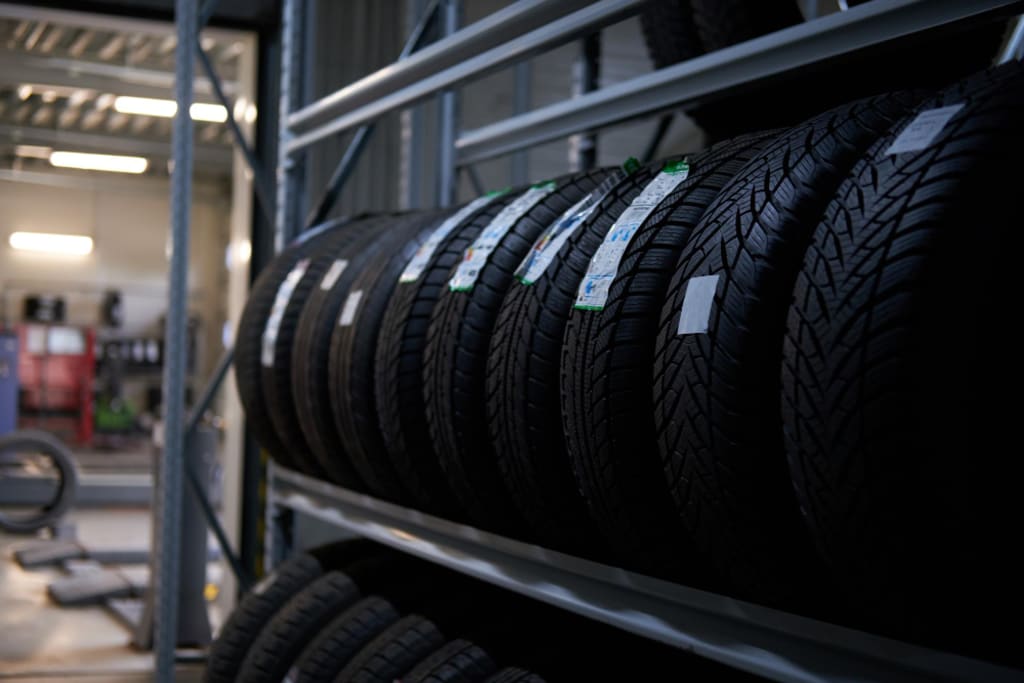
The Europe Tire Market represents a critical segment of the region’s automotive value chain, supporting passenger vehicles, commercial fleets, agricultural machinery, and industrial transport systems. Tires are not merely consumable components; they are engineered products that directly influence vehicle safety, fuel efficiency, performance, and environmental impact. Across Europe, demand for advanced tire technologies is increasing as mobility patterns evolve and sustainability becomes central to policy and corporate strategy. From replacement demand in mature Western European economies to growing vehicle fleets in Central and Eastern Europe, the market reflects both stability and transformation.
Overview of the Europe Tire Market
The Europe Tire Market encompasses the production, distribution, and sale of tires for various vehicle categories, including passenger cars, light commercial vehicles, heavy trucks, buses, two-wheelers, and specialty vehicles. The market is broadly segmented into two primary channels: original equipment manufacturer (OEM) supply and aftermarket replacement sales. While OEM demand is closely tied to automotive production cycles, the replacement segment remains comparatively resilient due to mandatory tire maintenance and safety regulations.
Radial tires dominate the European landscape due to their superior durability, fuel efficiency, and ride comfort. Seasonal demand patterns are particularly pronounced in Northern and Central Europe, where winter tires are mandatory in several countries during colder months. This regulatory-driven demand creates cyclical sales peaks and encourages product differentiation based on climate performance.
The region is home to several globally recognized manufacturers and innovation hubs, making Europe a leader in tire research, advanced rubber compounds, and sustainable manufacturing processes.
Key Trends Shaping the Europe Tire Market
Electrification of Vehicles
The rapid expansion of electric vehicles (EVs) across Europe is redefining product specifications within the Europe Tire Market. EVs require specialized tires capable of handling higher torque, increased vehicle weight due to battery packs, and lower rolling resistance to maximize driving range. Manufacturers are investing in innovative tread designs and reinforced sidewalls to address these performance requirements.
Sustainability and Circular Economy
Environmental responsibility is a defining theme. European policymakers and consumers are demanding reduced carbon emissions, sustainable raw materials, and end-of-life tire recycling. Companies are increasingly adopting bio-based materials, recycled rubber content, and energy-efficient production techniques. Retreading in the commercial vehicle segment is also gaining renewed attention as fleet operators seek cost and environmental benefits.
Digitalization and Smart Tires
Integration of sensors within tires is emerging as a transformative trend. Smart tires equipped with tire pressure monitoring systems (TPMS) and embedded sensors provide real-time data on temperature, pressure, and wear. This enhances fleet management efficiency and vehicle safety. As connected mobility expands, tire data is becoming part of broader telematics ecosystems.
Growth in Premium and High-Performance Tires
Consumers in Western Europe are demonstrating a preference for premium tires offering superior grip, noise reduction, and longevity. High-performance vehicles and sports utility vehicles (SUVs) are driving demand for larger rim sizes and specialized tread patterns.
Regulatory Landscape in Europe
Regulation plays a decisive role in shaping the Europe Tire Market. The European Union enforces stringent safety, environmental, and labeling standards.
EU Tire Labeling Regulation
The EU tire labeling framework mandates clear disclosure of rolling resistance (fuel efficiency), wet grip performance, and external rolling noise. This system increases transparency and encourages manufacturers to innovate in energy efficiency and safety performance.
Winter Tire and Seasonal Regulations
Several countries, including Germany, Austria, and the Nordic nations, enforce mandatory winter tire usage during specific months or weather conditions. These policies stimulate demand for seasonal product lines and all-season alternatives.
Environmental and Recycling Directives
European environmental directives emphasize extended producer responsibility. Tire manufacturers and distributors are required to ensure collection and recycling of end-of-life tires, promoting a circular economy model.
Market Size and Demand Dynamics
The Europe Tire Market demonstrates steady volume demand supported by a large and aging vehicle parc. Replacement demand accounts for the majority of total sales, as vehicle owners replace tires every few years depending on mileage and regulatory compliance.
Passenger car tires represent the largest segment by volume, followed by truck and bus radial (TBR) tires. The commercial vehicle segment is influenced by logistics growth, cross-border trade, and e-commerce expansion, all of which increase freight movement across the continent.
Central and Eastern European markets are experiencing relatively faster growth compared to mature Western economies, driven by rising vehicle ownership and infrastructure development.
Growth Drivers
Expanding Vehicle Fleet
Europe maintains one of the highest vehicle densities globally. Although new vehicle registrations fluctuate with economic cycles, the overall vehicle fleet remains substantial, ensuring continuous replacement demand.
Rise of E-Commerce and Logistics
Growth in e-commerce has increased last-mile delivery activity and heavy-duty transport operations. This trend boosts demand for durable and fuel-efficient commercial vehicle tires.
Technological Advancements
Continuous investment in material science, tread design optimization, and automation in manufacturing is enhancing product lifespan and performance. Advanced simulation tools and testing facilities are accelerating product development cycles.
Focus on Road Safety
Strict inspection regimes and consumer awareness campaigns encourage timely tire replacement. Safety considerations remain a primary purchasing factor, particularly in countries with harsh winter conditions.
Challenges in the Europe Tire Market
Raw Material Price Volatility
Natural rubber, synthetic rubber, carbon black, and steel cord prices are subject to global supply fluctuations. Volatility in these inputs affects production costs and profit margins.
Environmental Compliance Costs
Meeting European environmental standards requires significant capital investment in cleaner production technologies and waste management systems.
Competition and Price Sensitivity
The market is highly competitive, with premium global brands competing alongside budget imports. Price-sensitive consumers often opt for lower-cost alternatives, intensifying margin pressure.
Transition to Electric Mobility
While EV adoption presents opportunities, it also demands rapid product adaptation. Manufacturers must balance R&D investments with uncertain adoption timelines.
Future Opportunities
Development of Sustainable Tires
Research into alternative materials such as bio-based polymers, silica compounds, and recycled rubber is expected to expand. Sustainability credentials may become a primary differentiator in procurement decisions.
Expansion of Mobility Services
Car-sharing platforms, ride-hailing services, and fleet-based mobility models increase vehicle utilization rates. Higher mileage leads to more frequent tire replacement cycles.
Advanced Manufacturing and Automation
Industry 4.0 integration within European production facilities enhances quality control, reduces waste, and improves operational efficiency.
Premiumization and Value-Added Services
Bundled services such as tire subscription models, roadside assistance, and digital performance tracking are emerging as competitive strategies.
Conclusion
The Europe Tire Market is characterized by technological sophistication, regulatory rigor, and a strong commitment to sustainability. While mature in structure, it continues to evolve through electrification, digital integration, and circular economy initiatives. Replacement demand provides structural stability, whereas innovation in EV-compatible and eco-friendly tires presents avenues for differentiation and growth. Companies that prioritize research, regulatory compliance, and value-added services are well-positioned to strengthen their competitive standing in this dynamic and strategically important industry.
About the Creator
Tim David
Creator Blog and Analysis delivers concise, data-driven insights, trend analysis, and expert perspectives, helping readers understand markets, technologies, and opportunities through clear, actionable, and research-backed content.
Car Audio Market: How In-Car Sound Is Becoming a Premium Experience
The driving experience is no longer defined only by horsepower and handling. Today, sound quality plays an equally powerful role. Whether it is music streaming, navigation prompts, or hands free calls, in car audio systems shape comfort, entertainment, and connectivity on every journey.
By james robert2 days ago in Journal




Comments
There are no comments for this story
Be the first to respond and start the conversation.