politics
Political figures, histories, and current events in the whole scope of modern and past politics. Work place politics.
HOW RICH IS THE BRITISH ROYAL FAMILY?
It is true that the British royal family is wealthy. According to an estimate, if you add up all the land properties and castles linked to the monarchy, their assets would be around 26 billion pounds. In addition to that, they possess a number of valuable items including Faberge eggs, crown jewels, drawings by Leonardo da Vinci and Michelangelo, and one of the most valuable stamp collections in the world.
By Ikenna Nwofor 3 years ago in Journal
Following the decline in oil prices, Saudi Aramco banks lower a $31.9 billion reduction.
It represents more than three-quarters of the $40.5 billion in first-quarter profits recorded by the five oil majors, BP, Shell, ExxonMobil, Chevron, and TotalEnergies in Britain, the United States, and France.
By Mitesh Mistry3 years ago in Journal
"Beneath the Surface: Unmasking the Brutality - A Journey Towards Justice and Reform"
Once upon a time, in the bustling city of Greenwood, the community found itself at the mercy of a police force plagued by brutality and corruption. The very individuals entrusted with upholding justice had become instruments of fear and oppression, leaving the innocent trembling in their wake. A young man named Marcus lived amid the towering skyscrapers and bustling streets. He was a beacon of hope, a symbol of resilience in the face of adversity. Marcus had witnessed firsthand the brutal tactics employed by the city's police force, as he had lost loved ones to their unwarranted violence. Determined to fight for justice, Marcus dedicated his life to shining a light on the injustices inflicted upon his community. With unwavering resolve, Marcus began documenting incidents of police brutality. Armed with his camera and an unyielding spirit, he captured the harrowing moments when those sworn to protect and serve abused their power. Marcus distributed the evidence through underground networks, exposing the truth and demanding accountability. As the videos spread, so did the outrage among the people of Greenwood. They took to the streets, raising their voices in peaceful protests, demanding an end to the brutality and systemic injustice. The community stood united, refusing to be silenced by fear. The movement gained momentum, drawing attention from national and international media outlets. The world watched as the citizens of Greenwood peacefully challenged the status quo, demanding an overhaul of the police force and a reimagining of public safety. The corrupt police officials, feeling threatened, responded with aggression. They attempted to suppress the protests, using tear gas, rubber bullets, and unjust arrests. But the people stood firm, their resolve unshaken. They were fueled by a deep yearning for a society built on fairness, equality, and respect. Marcus became the voice of the voiceless, fearlessly advocating for justice. His tireless efforts attracted the attention of civil rights organizations and legal advocates who joined forces to support the cause. The fight against police brutality in Greenwood became a national rallying cry, inspiring similar movements across the country. As pressure mounted, the city's leaders were compelled to act. They initiated comprehensive reforms, including enhanced police training, accountability measures, and community-led oversight. The voices of the people were finally heard, and steps were taken to rebuild trust and restore justice. Over time, the culture within the police force began to shift. Officers committed to serving their community with integrity and compassion stepped forward, determined to restore faith in law enforcement. Genuine efforts were made to bridge the divide between the police and the community, fostering dialogue and understanding. The journey towards justice in Greenwood was a long and arduous one. But through its people's collective strength and unwavering determination, a glimmer of hope emerged from the darkness. The fight against police brutality became a catalyst for change, a reminder that the power of unity and activism can dismantle oppressive systems. In the wake of the protests, the city of Greenwood faced a crucial turning point. The mayor convened a special task force comprised of community leaders, activists, legal experts, and representatives from the police force. Their mandate was clear: to enact meaningful and lasting change that would address the deep-rooted issues of police brutality and restore trust between law enforcement and the community. The task force delved into the intricacies of the existing system, examining policies, procedures, and training protocols. They engaged in rigorous debates, weighing different perspectives and drawing upon successful models from other cities that had undergone similar transformations. It was a challenging process, but the commitment to reform remained unwavering. One of the key recommendations put forth by the task force was the implementation of mandatory de-escalation training for all police officers. The goal was to equip law enforcement with effective conflict resolution skills, emphasizing the use of non-violent strategies to diffuse tense situations. This shift in approach aimed to prioritize the preservation of life and the protection of human rights. Additionally, the task force proposed the establishment of a civilian review board with the power to independently investigate allegations of police misconduct. This oversight body would consist of community representatives who would review cases, recommend disciplinary actions, and ensure transparency in the disciplinary process. The creation of this board aimed to build accountability and foster a sense of ownership within the community. Community policing initiatives were also introduced to promote positive interactions between law enforcement and the residents they served. Programs such as neighborhood watch groups, community outreach events, and joint initiatives with local organizations aimed to bridge the gap, build trust, and foster mutual respect. These efforts sought to dismantle the barriers that had long existed between the police and the community. As the reforms took shape, Marcus continued his tireless advocacy, ensuring that the spirit of the movement remained alive. He worked closely with community leaders, lending his voice to public forums, and participating in dialogues with the police force. Marcus became a respected figure within Greenwood and the broader fight against police brutality nationwide. Over time, the changes implemented in Greenwood began to yield results. Instances of police brutality significantly decreased, and the relationship between law enforcement and the community showed signs of improvement. The reforms became a model for other cities grappling with similar issues, as Greenwood emerged as a beacon of hope and progress. While the road to justice was long and arduous, the people of Greenwood understood that the fight against police brutality was an ongoing battle. They recognized that true change required continuous vigilance, dialogue, and community engagement. The scars of the past served as a reminder of the importance of remaining steadfast in the pursuit of a just and equitable society. As the years passed, the story of Greenwood became a testament to the transformative power of collective action. It stood as a shining example of how a community, united in purpose, could challenge and dismantle oppressive systems. The lessons learned in Greenwood echoed far beyond its borders, inspiring individuals and communities to rise and demand justice in the face of brutality. The legacy of the movement lived on, etched into the fabric of Greenwood's history. It served as a constant reminder that change was possible and that the voices of the oppressed could spark a revolution. And as the city continued its journey of healing and progress, it vowed to never forget the sacrifices made and to honor the memory of those who had suffered at the hands of a brutal system. The story of Greenwood would forever be etched in the annals of history as a testament to the power of resilience, unity, and the unwavering pursuit of justice. It would serve as a beacon of hope, guiding future generations to challenge the status quo and fight for a world where the brutality of the past remained nothing more than a distant memory.
By Ahmed Raza3 years ago in Journal
Coworking Spaces for Introverts and Extroverts
All three personality types are present in coworking spaces, though some are more visible than others. Almost every other member describes himself or herself as mixed (ambiversive). One in every three members considers themselves to be'more extroverted, while one in every five considers themselves to be'more introverted.
By Munnazir Zarin3 years ago in Journal
Bike-Shed Effect
The term "bike-shed effect" refers to a problem that often occurs in contexts involving teamwork and productivity and is commonly referred to as "the shed." The idea, which is also known as Parkinson's law of triviality, refers to the propensity of organizations to spend an excessive amount of time on little issues, at the expense of the issues that are more important.
By Dr. Sulaiman Algharbi3 years ago in Journal
Protecting Your Brand Identity: Insights from the Whiskey vs Dog Trademark Infringement Case for Small Businesses
As a small business owner, it's essential to protect your brand identity to ensure that your customers associate your products or services with your brand alone. Trademark infringement is a significant threat to brand identity, and it can happen to any business, big or small.
By Isaac Kirby3 years ago in Journal
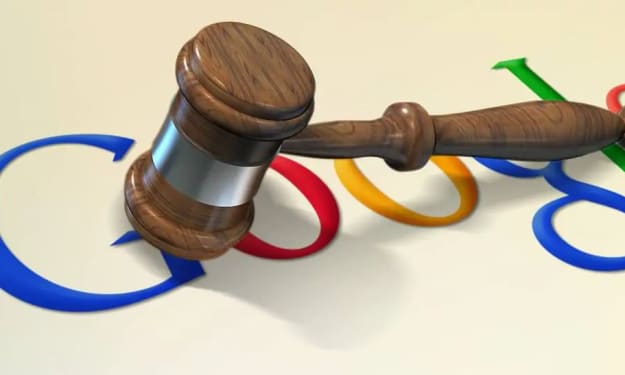
The Future of AI: A Call for Looser Copyright Laws from Google
From self-driving cars to voice assistants like Siri and Alexa, AI is rapidly changing the way we interact with technology. However, as AI continues to evolve, it is raising questions about copyright laws and how they apply to machine-generated content.
By Isaac Kirby3 years ago in Journal
Social Media Platforms
Social media has become an integral part of our daily lives. It has provided us with a means of connecting with others from all over the world, sharing our thoughts and opinions, and building communities around our interests. Facebook, Twitter, Instagram, and YouTube are some of the most popular social media platforms used by millions of people worldwide. Here we will explore the communities of these four platforms, their strengths and weaknesses, and suggest which one is the most logical platform. Facebook is the oldest and most widely used social media platform, with over 2.8 billion active monthly users. It offers a range of features, including the ability to create personal profiles, join groups, and share content. Facebook is ideal for connecting with family and friends, joining communities of shared interests, and promoting businesses or brands. The platform has a vast reach, making it an effective marketing tool for businesses. Facebook has a robust advertising system that allows businesses to target specific audiences based on demographics, interests, and behavior. However, Facebook has faced criticism over privacy concerns and the spread of fake news. The platform has implemented measures to combat fake news, such as flagging articles that contain misleading information. Additionally, Facebook has improved its privacy policies to provide users with more control over their data. Nevertheless, the platform has faced several controversies over data breaches and the misuse of user data. Twitter is a microblogging platform that allows users to share their thoughts and opinions in short messages called tweets. With 330 million monthly active users, Twitter is an excellent platform for engaging in real-time conversations with others. Twitter is popular among journalists, politicians, and celebrities who use it to share news and information with their followers. Twitter is also an effective marketing tool for businesses looking to engage with their audiences and build brand awareness. One of the strengths of Twitter is its ability to provide real-time updates on events. The platform is often the first place where news breaks, making it an essential tool for journalists and news organizations. Twitter also offers a range of features, including the ability to create and join groups, follow hashtags, and search for specific topics. However, Twitter has faced criticism over its handling of hate speech and harassment. The platform has implemented measures to combat hate speech and harassment, such as introducing a reporting system that allows users to report abusive behavior. However, the platform has faced criticism for not doing enough to address the problem. Instagram is a photo and video-sharing platform that has become increasingly popular in recent years, with over 1 billion active monthly users. The platform is popular among millennials and Gen Z, who use it to share their lives through pictures and videos. Instagram is an excellent platform for businesses looking to promote their products and services visually. The platform has a robust advertising system that allows businesses to target specific audiences based on demographics, interests, and behavior. One of the strengths of Instagram is its visual nature. The platform's focus on photos and videos makes it an excellent tool for brands looking to showcase their products visually. Instagram also offers a range of features, including the ability to create and join groups, follow hashtags, and search for specific topics. However, Instagram has faced criticism over its impact on mental health. The platform has been accused of promoting unrealistic beauty standards, leading to body shaming and low self-esteem. Instagram has implemented measures to address these concerns, such as removing likes and introducing features to support mental health. YouTube is a video-sharing platform that has become increasingly popular in recent years, with over 2 billion active monthly users. The platform is popular among content creators who use it to share their videos with their audiences. YouTube is an excellent platform for businesses looking to promote their products and services through video content. The platform has a robust advertising system that allows businesses to target specific audiences based on demographics, interests, and behavior.
By Shams Ul Qammar3 years ago in Journal