
Ukraine's Brilliant Cyber Sting: Turning Starlink Against Moscow
Starlink's pivotal role in Ukraine's defence

Russia's genocidal war on Ukraine has transformed satellite communications into a vital battlefield asset.
Starlink, SpaceX's low-Earth-orbit satellite constellation, delivers reliable, jam-resistant internet that revolutionized Ukrainian military operations. It enables real-time drone control, seamless coordination, and rapid intelligence sharing—capabilities far superior to traditional radio systems.
From the early days of Russia's full-scale invasion in 2022, Elon Musk's SpaceX donated thousands of terminals to Ukraine. These devices helped overcome Russian electronic jamming and destroyed infrastructure, making Starlink indispensable for Kyiv's forces despite occasional debates over usage restrictions, such as limits on certain drone strikes.
Russia's Covert Adoption of Starlink
Facing severe communication shortfalls and unreliable domestic alternatives, Russian forces turned to gray-market channels, third countries, and smuggling networks to acquire Starlink terminals. By late 2025, reports surfaced of Starlink antennas integrated into Russian drones like the BM-35 (also known as Italz).
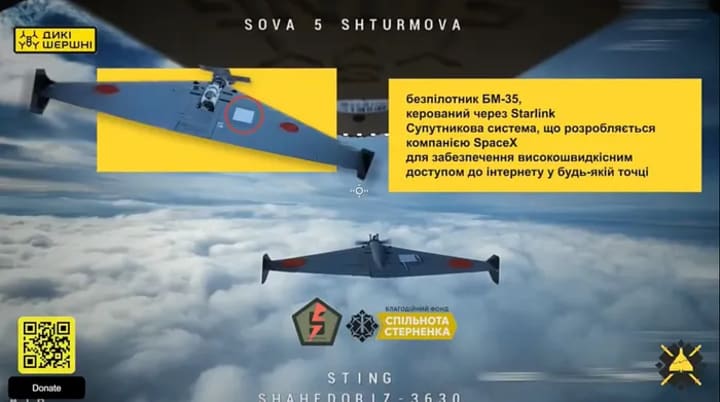
This adaptation allowed long-range strikes that bypassed Ukraine's electronic warfare jamming, granting Moscow a tactical advantage in contested zones.
SpaceX's Crackdown: The Whitelist Policy
In early February 2026, the dynamics shifted dramatically. SpaceX, assisting Ukrainian authorities, imposed strict controls on Starlink access within and around Ukraine. Terminals not listed on an approved "whitelist" managed by Kyiv's Defense Ministry were deactivated. Legitimate users—mostly Ukrainian civilians and military personnel—were required to re-register devices using personal identification details to restore service.
This policy severed unauthorized Russian-operated terminals that had spread across the battlefield. Russian units abruptly lost critical connectivity for coordination, drone operations, and rear-area logistics. Ukrainian officials and frontline accounts reported immediate effects: halted Russian advances, widespread communication blackouts, and setbacks in occupied territories. President Volodymyr Zelenskyy cited territorial gains in southern Ukraine, crediting Russia's degraded connectivity as a contributing factor.
Russian Desperation and Workarounds
Russian commanders rushed to find alternatives. Some scavenged SIM cards from downed Ukrainian drones for makeshift internet access. Others recruited locals in occupied or border areas to register terminals under Ukrainian identities in exchange for payment, hoping to bypass the whitelist restrictions.
The Opening: Ukraine's Cyber Counterstrike
This frantic scrambling exposed a vulnerability that Ukraine's cyber community and volunteers eagerly exploited. Activists from InformNapalm and the self-styled 256th Cyber Assault Division launched a sophisticated counterintelligence operation.
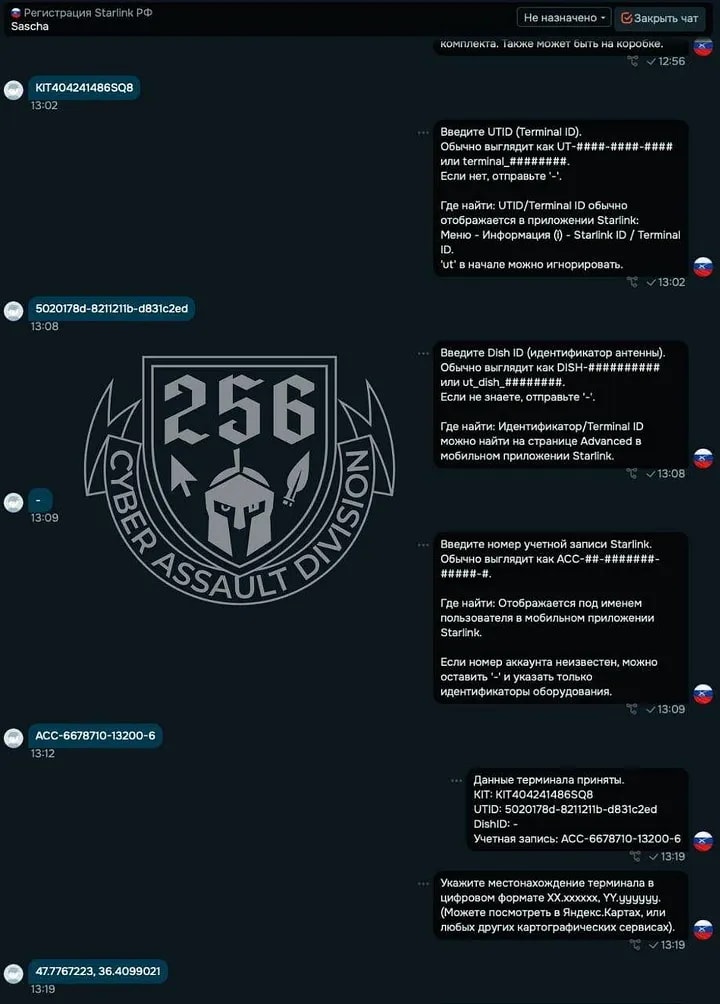
Because the ‘unlock’ process required the user to run diagnostic scripts provided by the bot, the hackers were able to extract real-time telemetry from the heart of Russian operational hubs.
The technical architecture of this deception relied on a sophisticated exploitation of the digital space. To convince the invaders of their legitimacy, Ukraine’s hackers deployed custom-built bots that utilised the Telegram API to simulate an official administrative interface.
When a user interacted with the bot, they were instructed to execute a series of diagnostic commands on their Starlink terminal. These commands were framed as necessary ‘handshake’ protocols required to synchronise the terminal with the Ukrainian military’s white-listed registry. In reality, these scripts acted as a lightweight reconnaissance tool.
The Harvest: Thousands of Data Points
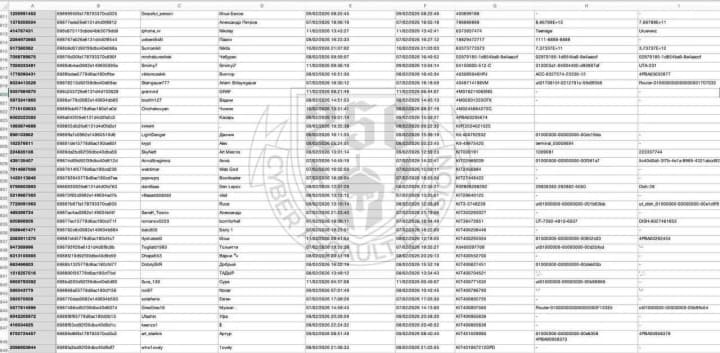
Ukrainian operators amassed thousands of submissions. The 256th Cyber Assault Division and partners reported collecting over 2,420 data packets that pinpointed Russian Starlink terminal locations—from Crimea in the south to regions near Gomel in Belarus.
These packets contained a wealth of actionable intelligence, including administrative passwords, terminal serial numbers, and, most critically, the precise geolocations of the hardware.
This intelligence was promptly shared with Ukrainian law enforcement, defense agencies, and frontline military units for targeting.
Additional Gains: Exposing Collaborators and Funds
The operation delivered extra benefits. It identified 31 Ukrainians suspected of collaborating as "traitors" by aiding Russian registrations, opening the door to investigations or arrests. Organizers also intercepted approximately $5,870 in cryptocurrency and other payments from Russian users, which could be redirected or confiscated.
Layers of Ingenuity in Asymmetric Warfare
The sting showcased remarkable creativity. It capitalized on Russia's dependence on a system now controlled by its adversary. By imitating legitimate support channels, it used social engineering to exploit urgency and technical inexperience among Russian operators.
The resulting geolocation data offered unparalleled visibility, enabling Ukrainian forces to locate hidden enemy positions, drone relays, and command posts that had previously evaded detection due to Starlink's low-profile signals.
Praise for a Low-Cost, High-Impact Strike
Analysts hailed the maneuver as a "brilliant" demonstration of asymmetric cyber warfare. It fused open-source intelligence (OSINT), volunteer activism, and military cyber units into a cost-effective, high-yield operation.
The 256th Cyber Assault Division shared details on Telegram, presenting the effort as both a technical triumph and a powerful morale booster.
Russian Downplaying vs. Battlefield Reality
Russian officials minimized the impact, admitting some terminals had been offline for weeks but insisting operations suffered little due to redundant systems. However, independent analyses and Ukrainian reports indicated otherwise—lost Starlink access contributed to stalled offensives and heightened vulnerability to Ukrainian drones and artillery.
Broader Implications for Modern Conflict
The episode highlights evolving realities in hybrid warfare. Commercial satellite technologies like Starlink can decisively shift battlefield advantages, yet access controls and countermeasures make them double-edged tools. Russia has accelerated development of its delayed domestic "Starlink rival" constellation, while Ukraine has tightened national oversight of such systems.
Resilience and the Power of Crowdsourced Cyber Efforts
For Ukraine's defenders, the sting meant more than intelligence wins. It exemplified resilience, innovation, and the strength of crowdsourced cyber initiatives in a long war. In a realm where hardware superiority meets human ingenuity, a simple fake registration bot proved as effective as any conventional weapon.
This operation illustrates how, in hybrid warfare, the boundary between physical and digital fronts dissolves. A meticulously executed phishing scheme—delivered with precision and boldness—exposed weaknesses, disrupted enemy logistics, and provided actionable intelligence without a single shot fired. As the conflict continues, such creative cyber stings could shape outcomes more profoundly than traditional arms alone.
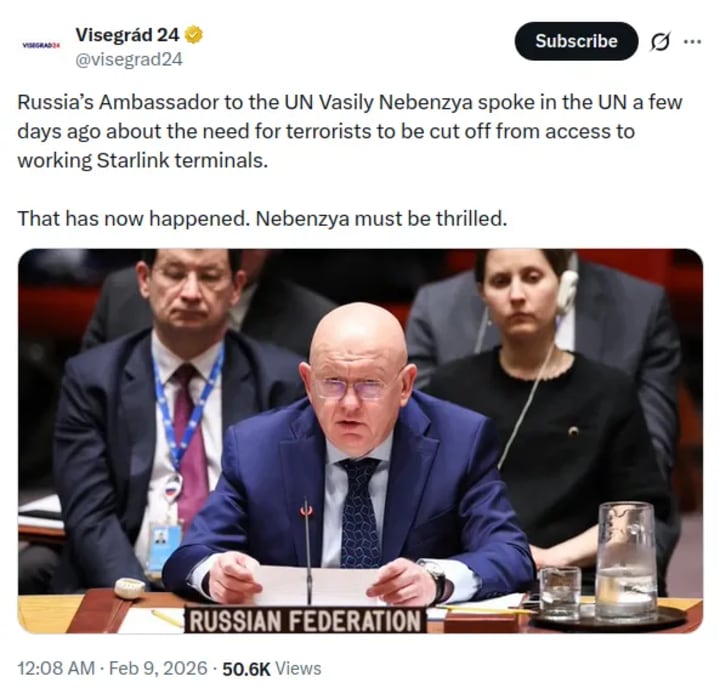
Russia was not happy.
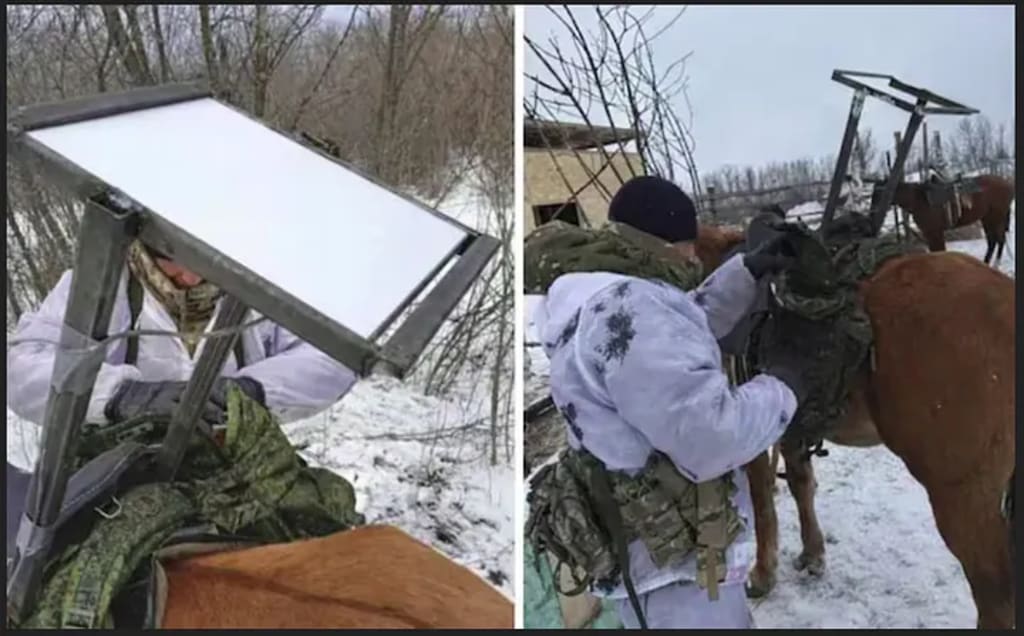
Russia installed Starlink antennas on horses:
This is an edited version of a story originally published in Medium.
(c) James Marinero 2026. All rights reserved.
About the Creator
James Marinero
I live on a boat and write as I sail slowly around the world. Follow me for a varied story diet: true stories, humor, tech, AI, travel, geopolitics and more. I also write techno thrillers, with six to my name. More of my stories on Medium
Keep reading
More stories from James Marinero and writers in Journal and other communities.
Ukraine Destroys Half of Russia's Key Pantsir Air Defence Systems in Major $4 billion 2025 Blow
In the grinding attrition of the Ukraine-Russia war, 2025 marked a pivotal year where technology and strategy converged to deliver a devastating setback to Moscow's aerial dominance.
By James Marinero2 days ago in Journal
~ Fired ~
— Ai Intrusion ~ Are you Next ~ Is Ai Evolution after your job? — Few workplaces haven't been affected. Ai is in supermarkets, at doctors' offices, and even monitoring farms. I just can't think of anything this machine is not getting into, can you? For instance: Education ~ Law and Tech jobs will one day have a major influence or be taken over by these inanimate machines, with accuracy and vigor. From mechanics' diagnoses to a wide variety of everyday jobs, including fast food workers, with this input having the ability to cut their unnecessary work hours. I'm certain all of us have been touched by this with our short stories and colorful headings, have you? Even comments are very questionable 'Non-Robot' insertions.
By Jay Kantor22 days ago in Journal
At My Wits’ End
Life is about taking out the trash and calling it trash because you have every reason to. It wasn't meant to be linear, they say. But the times you tried to make it straight led to problems, and you didn’t have the tools to put any of it to use. You don't put your right shoes on the right feet; you put the left shoes on the left feet. The grey hardened slab will trip you up anyway.
By Caitlin Charlton4 days ago in Humans




Comments
There are no comments for this story
Be the first to respond and start the conversation.