
You Paid for Tariffs — But You Won’t Get a Slice of Tariff Refunds
Why consumers shoulder the cost of trade wars while governments collect the revenue
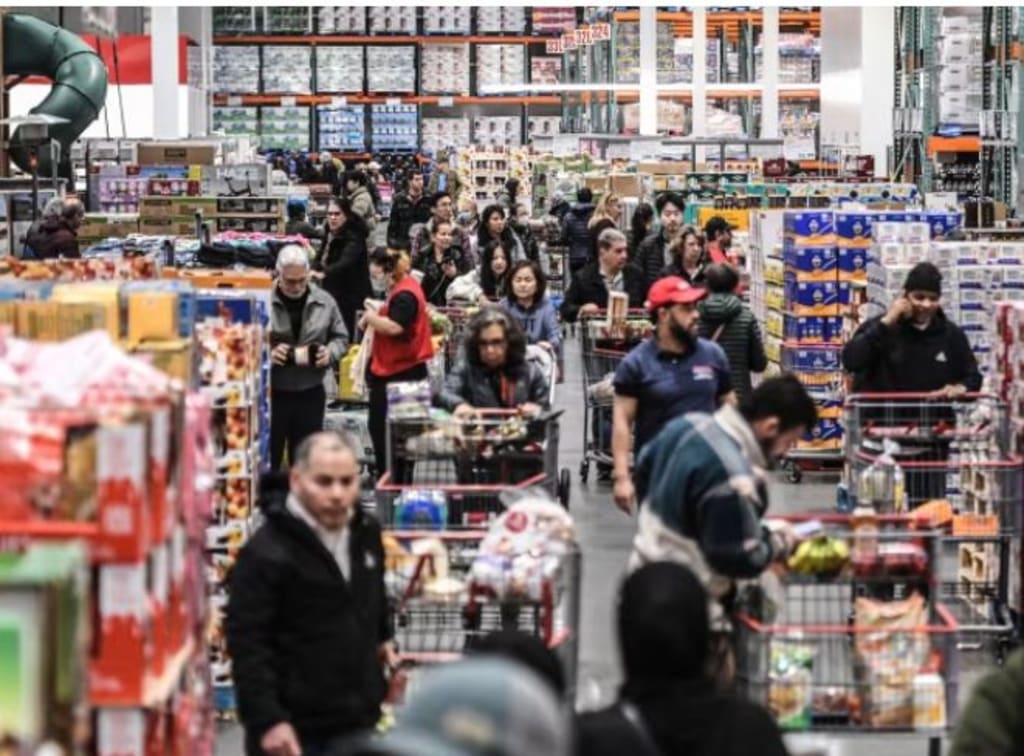
In recent years, tariffs have returned to the center of global economic debates. Governments often frame tariffs as tools to protect domestic industries, punish unfair trade practices, or strengthen national security. Yet behind the political messaging lies a simple economic reality: tariffs are taxes — and consumers usually pay them.
The frustration for many households and businesses is growing because while tariff revenues flow into government budgets, the people who effectively fund those revenues rarely see any direct refunds. The phrase “you paid for tariffs — but you won’t get a slice of tariff refunds” captures a growing public sentiment about how trade policy affects everyday life.
Understanding Who Really Pays Tariffs
Tariffs are taxes imposed on imported goods. On paper, they are charged to importing companies. In practice, however, those costs are often passed down the supply chain. Importers raise prices, retailers adjust margins, and consumers ultimately pay more at the checkout.
Economists widely agree that tariffs function similarly to a consumption tax. When tariffs increase the price of electronics, clothing, machinery, or food, households absorb the impact through higher living costs. Businesses also face higher input costs, which can slow investment, hiring, or expansion.
This means that while tariffs may target foreign producers politically, the financial burden frequently falls on domestic buyers.
The Illusion of Tariff “Wins”
Political narratives often portray tariffs as victories — governments collect billions in revenue, domestic industries receive protection, and trade deficits may narrow. But those wins can be misleading.
Tariff revenue does not come from foreign governments writing checks. Instead, it is generated through import taxes embedded in the prices paid by consumers and companies. Essentially, citizens fund a policy that is framed as being paid by someone else.
This disconnect fuels confusion. Many people assume that if tariffs bring in money, they might eventually see some of it returned — similar to tax rebates or stimulus payments. In reality, tariff revenues usually disappear into general government spending.
Why Refunds Rarely Happen
Unlike income taxes, tariffs are not designed to be redistributed directly. Governments treat tariff income as part of broader fiscal resources used to fund infrastructure, defense, social programs, or debt reduction.
There are several reasons refunds are unlikely:
1. Administrative complexity:
Tracking who paid tariff-related price increases is nearly impossible. The costs are spread across millions of purchases and supply chains.
2. Policy goals:
Tariffs are intended to change behavior — encouraging domestic production or reducing imports. Refunds would weaken that incentive.
3. Budget dependence:
Once governments rely on tariff revenue, returning it to consumers would create fiscal gaps.
As a result, the people who bear the costs rarely receive visible compensation.
Hidden Costs Beyond Price Increases
The impact of tariffs extends beyond higher retail prices. They can reshape entire markets in subtle ways.
Supply chains may shift, forcing companies to source from alternative countries at higher costs. Smaller businesses with limited flexibility often struggle the most. Innovation can slow when firms focus on navigating trade barriers instead of investing in growth.
There is also the issue of retaliatory tariffs. When countries respond with their own import taxes, exporters face declining demand, hurting farmers, manufacturers, and logistics sectors. In those cases, governments sometimes provide targeted subsidies — but those payments are selective and temporary, not broad consumer refunds.
The Psychological Gap in Public Perception
One reason tariff policies remain politically viable is that their costs are less visible than traditional taxes. Consumers rarely see a line on receipts labeled “tariff surcharge.” Instead, they encounter gradual price increases that are easy to attribute to inflation, supply disruptions, or corporate pricing decisions.
Meanwhile, tariff revenue figures are highly visible in policy discussions. This creates a psychological gap: governments highlight income while individuals struggle to identify the source of rising costs.
Over time, that gap can erode trust in economic messaging, especially when households feel squeezed without clear explanations.
Are There Alternatives?
Critics argue that if the goal is to support domestic industries, more transparent tools may be more effective. Direct subsidies, tax credits, workforce investment, or industrial policy programs make both costs and benefits easier to track.
Others suggest that if tariffs remain necessary for strategic reasons, governments should communicate their real impact more clearly. Some economists even propose indirect compensation — such as broader tax relief or targeted consumer support — rather than literal tariff refunds.
However, these approaches involve trade-offs. Subsidies can distort markets, and tax cuts reduce government revenue. Policymakers must balance protection, competitiveness, and consumer welfare.
The Bigger Economic Question
The debate over tariff refunds touches on a larger issue: who should bear the cost of economic strategy? Trade policy often aims to achieve long-term national goals, but its short-term costs fall unevenly across society.
Lower-income households are particularly sensitive to price increases because a larger share of their income goes toward goods affected by tariffs. Small businesses also face disproportionate pressure when input costs rise.
Without visible compensation, tariffs can function as a regressive tax — one that takes a bigger percentage from those with fewer resources.
Looking Ahead
Tariffs are unlikely to disappear from the global policy toolkit. Rising geopolitical tensions, supply-chain security concerns, and industrial competition ensure they will remain part of economic strategy.
But public awareness is changing. Consumers, business owners, and analysts are increasingly asking not just whether tariffs work, but who pays and who benefits.
The idea that “you paid for tariffs — but you won’t get a slice of tariff refunds” reflects a shift in how people view trade policy. It highlights the need for clearer communication, better measurement of real costs, and more thoughtful approaches to balancing protection with affordability.
Ultimately, tariffs are not free money. They are a policy choice with real consequences — ones that show up quietly in everyday prices, even when refunds never arrive.
About the Creator
~ Fired ~
— Ai Intrusion ~ Are you Next ~ Is Ai Evolution after your job? — Few workplaces haven't been affected. Ai is in supermarkets, at doctors' offices, and even monitoring farms. I just can't think of anything this machine is not getting into, can you? For instance: Education ~ Law and Tech jobs will one day have a major influence or be taken over by these inanimate machines, with accuracy and vigor. From mechanics' diagnoses to a wide variety of everyday jobs, including fast food workers, with this input having the ability to cut their unnecessary work hours. I'm certain all of us have been touched by this with our short stories and colorful headings, have you? Even comments are very questionable 'Non-Robot' insertions.
By Jay Kantor24 days ago in Journal
A self-improvement
Once upon a time, in a small town called Nova, there lived a boy named Leo. Leo was twelve years old and loved reading about adventures in space and the kinds of machines that could take people far beyond the stars. He dreamed of becoming an inventor, but he struggled with confidence and often felt that he couldn't achieve his goals. He wished he could be like the heroes in the stories he read.
By Hamad Afridi 7 days ago in Journal



Comments
There are no comments for this story
Be the first to respond and start the conversation.