
7 Common Mistakes in Sciatica Treatment That Slow Down Healing
Sciatica is not a disease in itself, but rather a symptom that occurs when the sciatic nerve is irritated or compressed. It can manifest as pain in the lower back, buttocks, and leg, as well as numbness, tingling, or weakness in the affected limb. Although sciatica is quite common, many sufferers make treatment mistakes that delay healing and can even worsen the condition. In this article, we have gathered seven common mistakes in sciatica treatment that you should be aware of.

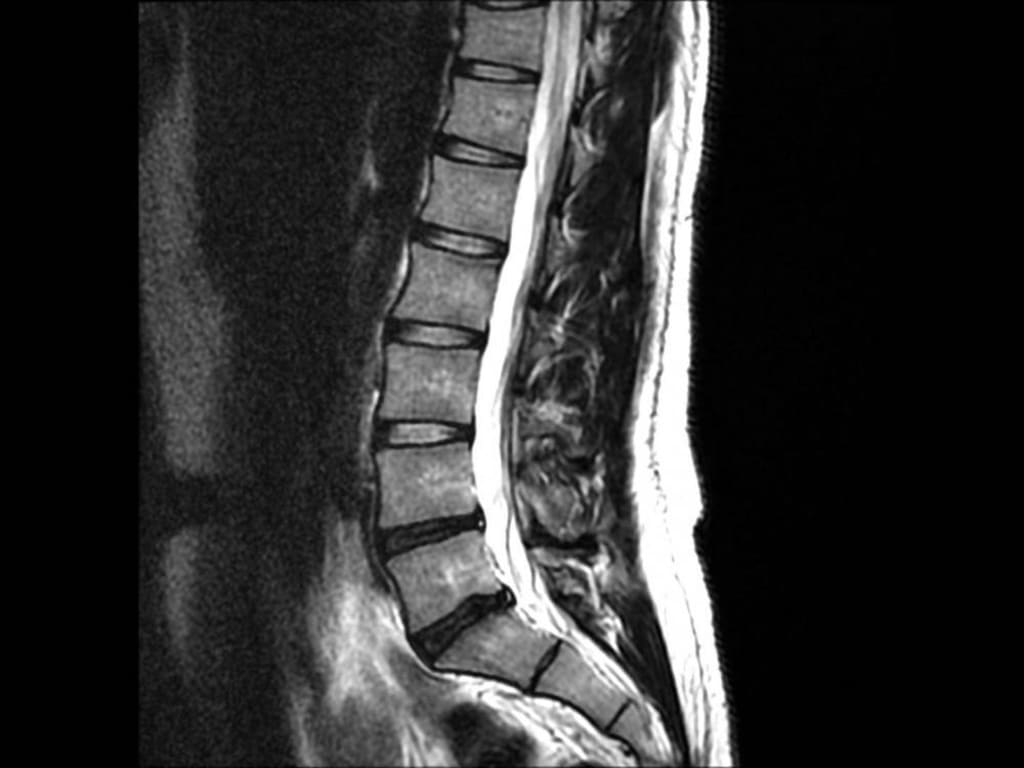
1. Ignoring early symptoms
One of the most common mistakes is waiting for the pain to go away on its own. In its early stages, sciatica may manifest as mild discomfort in the lower back or buttocks, which worsens when sitting or bending over. Many people ignore this and continue with their usual lifestyle.
The problem is that if the underlying cause of the nerve irritation is not addressed, the inflammation can worsen. Over time, the pain intensifies and radiates down the leg; numbness or weakness may also occur. The earlier sciatica treatment begins, the greater the chance of successful conservative therapy and the avoidance of complications.
2. Self-medication without a diagnosis
Lower back and leg pain is often mistaken for muscle tension. As a result, those affected often resort to ointments, warm compresses, or painkillers without consulting a doctor. However, sciatica can have various causes, such as a herniated disc, a bulging disc, spinal stenosis, muscle inflammation, or an injury.
Without a diagnosis, proper treatment can’t be determined. For instance, excessive heat can exacerbate swelling of the tissue around the nerve in cases of severe inflammation and worsen the pain. Therefore, if you experience persistent lower back and leg pain, it is important to consult a doctor and get examined instead of trying various treatments.
3. Complete rest and restricted movement
Many people believe that with sciatica, you should just lie down and move as little as possible. In the acute phase, short-term rest can indeed alleviate the pain. However, prolonged immobilization is a mistake that delays healing.
The back and gluteal muscles weaken, blood circulation deteriorates, and spinal mobility decreases. This creates the conditions for chronic pain. Modern recommendations for sciatica advise a gradual resumption of activity, gentle stretches, and physical therapy. Movement is an important part of treatment, not the enemy.
4. Incorrect or missing exercises
The other extreme is to perform exercises found online at random, without considering a diagnosis. Some movements can help, while others can worsen nerve compression. For example, deep bending or twisting movements can exacerbate symptoms in the case of a herniated disc.
At the same time, it is also a mistake to completely avoid therapeutic exercises. Exercises help release muscle tension, improve mobility, and reduce pressure on the nerve. However, an individualized program developed at a physical therapy center should be based on the cause of the sciatica and the stage of the condition.
5. Poor posture and lifestyle habits
Even with treatment, many people continue to sit with a rounded back, carry heavy objects on one side, sleep on an uncomfortable mattress, or remain in static positions for extended periods. These factors increase the strain on the lumbar spine and irritate the nerve.
It is important not only to treat the condition but also to change daily habits:
- Pay attention to your posture while sitting
- Use a lumbar support
- Lift heavy objects with a straight back
- Take breaks when sitting for extended periods
Without lifestyle changes, symptoms often return, even after successful treatment.
6. Excessive use of painkillers
Painkillers are often necessary for sciatica, especially during the acute phase. However, some people take them for weeks or months without medical supervision, simply to "become pain-free." This is a dangerous mistake.
First, long-term use of nonsteroidal anti-inflammatory drugs (NSAIDs) can lead to stomach, kidney, and cardiovascular problems. Second, pain relief doesn't necessarily address the underlying cause. Those affected continue to strain their spine without realizing the damage. This can cause the condition to worsen unnoticed.
7. Believing in miracle cures
When dealing with chronic pain, people often seek quick fixes like aggressive manual techniques, questionable devices, or home remedies. Promises of a cure in just one session sound tempting, but they rarely come true.
Some methods can be helpful as part of a comprehensive treatment plan, but they don't replace diagnosis and evidence-based therapy. Moreover, strong manipulation of the spine can exacerbate nerve compression in the case of a herniated disc or spinal stenosis. Treating sciatica requires a systematic approach, not miracle cures.
About the Creator
Amelia Grant
I am journalist, and blogger.
Keep reading
More stories from Amelia Grant and writers in Longevity and other communities.
How a Sedentary Lifestyle Affects the Body
1. Musculoskeletal disorders The musculoskeletal system is one of the first organs to suffer. Prolonged sitting leads to tension in the neck and back muscles, weakening of the core muscles, and poor posture. Over time, this can lead to chronic pain in the lower back, neck, and shoulders, as well as the development of degenerative disc disease NJ and herniated discs.
By Amelia Grant7 days ago in Longevity
Snow and Ice Warnings Issued for UK After Relentless Rain
After weeks of unrelenting rain and flooding in parts of the United Kingdom, meteorologists have now raised fresh snow and ice warnings as temperatures plunge and a colder air mass moves in — a development that could intensify travel disruption and risk to the public over the coming days. The Met Office has issued a series of yellow snow and ice warnings covering large swathes of Scotland and northern England from Thursday evening until midday Friday — with temperatures expected to fall sharply following the prolonged wet spell that has dominated much of early 2026. The Independent The warnings come as the UK emerges from an unusually soggy period, particularly in northern and western regions, which have seen persistent rainfall that has tested flood defenses and disrupted daily life. While many areas are still dealing with the aftermath of flooding and saturated ground, meteorologists warn that the focus of the weather threat is shifting from rain to wintry conditions, including snow showers, icy surfaces and freezing temperatures. Arctic Air Brings Wintry Conditions According to forecasters, an Arctic air mass is descending over the British Isles, driving temperatures well below average and increasing the likelihood of snow and ice. This sudden change represents a stark contrast to the long period of mild, wet weather that preceded it. In the warning areas, some higher ground — notably at elevations above 300 metres — could see accumulations of snow reaching up to 10cm by Friday, with widespread ice expected on untreated roads and pavements. The Met Office has cautioned that travel conditions could be dangerous, particularly overnight into the morning rush hour when surfaces are most likely to freeze. Sky News “This dip in temperatures will come as something of a shock after the long, mild, wet spell,” a Sky Weather team noted, adding that even areas not under warning should brace for icy patches and potentially hazardous travel. Sky News Public Health Alert Issued Alongside the weather warnings, the UK Health Security Agency (UKHSA) has issued a cold weather health alert for central and northern England from Friday morning through Monday — highlighting increased health risks associated with prolonged cold exposure. This alert reflects concerns about vulnerable groups, particularly older people and those with preexisting health conditions, as colder conditions set in. Sky News Officials have warned that even relatively modest snowfalls and ice can lead to a significant uptick in falls, injuries, and transport delays — adding pressure to emergency services already coping with the effects of recent storms and flooding. The Independent Impact on Transport and Daily Life Transport networks are likely to feel the first impacts of the wintry change. With roads already weakened by weeks of wet weather, forecasts of snow and ice are prompting authorities to pre-treat key routes and rail operators to prepare for possible delays or cancellations. Commuters are being urged to plan ahead, allow extra travel time, and check the latest weather and travel updates before setting out. The Independent In areas such as northern England and Scotland, early warning bulletins mention the potential for ice forming on untreated surfaces, presenting a risk for pedestrians and drivers alike, especially in more remote or elevated locations where temperatures will fall fastest. The Independent Despite the incoming cold, some forecasters suggest that this wintry interlude may be relatively brief, with milder conditions expected to move back in later in the weekend — although uncertainty remains, and snow could return as Atlantic weather systems interact with lingering cold air. The Independent Context: A Wetter Start to 2026 The shift to snow and ice follows an exceptionally wet start to the year for many parts of the UK. Meteorological data shows that some regions have recorded rainfall far above typical levels for February, contributing to high river levels, saturated soil and increased flood risk which, in several counties, has required emergency response and community resilience measures. The Independent Farmers and agricultural communities have also reported impacts from the prolonged wet conditions — ranging from waterlogged fields to challenges in managing livestock — underscoring the wide-ranging effects of the unusually persistent rainfall. As the UK transitions from rain to snow and cold, public authorities are urging residents to stay updated with official advice, take appropriate precautions and be prepared for the evolving weather hazards in the days ahead.
By Fiaz Ahmed 7 days ago in Longevity
I Don't Need My Phone... Wait, Is That Actually True?
My parents gave me my first cell phone when I was twelve years old. It wasn't a fancy iPhone or anything, not even close. Just a simple black flip phone for when I needed to call or text them after school.
By Madison "Maddy" Newton6 days ago in Humans




Comments
There are no comments for this story
Be the first to respond and start the conversation.