Latest Stories
Most recently published stories in Longevity.
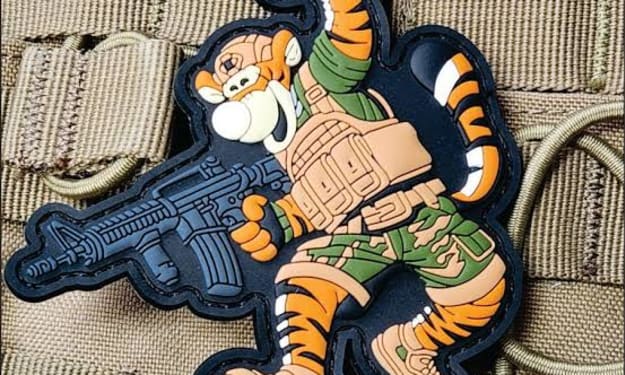
8 Badass Accessories to Outfit Your Tactical Gear with PVC Patches. AI-Generated.
Why PVC Patches and Tactical Accessories Matter PVC patches have become a staple in modern tactical gear. They’re tough, waterproof, and built to survive harsh conditions. More importantly, they add identity, function, and personality to your setup without compromising performance. Today’s tactical users want more than plain gear. They want equipment that works hard, looks sharp, and reflects purpose. Because of that, accessories now play a bigger role than ever before. In this guide, you’ll explore eight badass accessories that elevate your tactical loadout. From morale boosters to functional upgrades, each item earns its place in the field. Why Customisation Is Essential for Tactical Gear Tactical gear isn’t one-size-fits-all. Different missions demand different setups. Custom accessories help bridge that gap. For example, quick-access tools improve response time. Visual identifiers improve coordination. Meanwhile, rugged add-ons increase durability and comfort. Because of this, experienced users customize their gear carefully. They choose accessories that serve a purpose, not just decoration. That balance between style and function defines a solid tactical setup. 1. PVC Patches PVC patches top the list for a reason. They’re durable, flexible, and weather-resistant. Unlike embroidered patches, they don’t fray or fade easily. These patches attach easily to Velcro panels on plate carriers, backpacks, and hats. They’re often used for identification, morale, or unit branding. Another advantage is detail. PVC patches allow sharp designs, bold colours, and 3D textures. That makes them stand out while staying professional.Whether you’re in the field or at the range, they add character without sacrificing toughness. 2. MOLLE-Compatible Utility Pouches Utility pouches are the backbone of any tactical loadout. When attached through MOLLE systems, they provide secure storage and easy access. These pouches hold essentials like multitools, medical kits, or spare magazines. Because they’re modular, you can rearrange them as needs change. High-quality pouches use reinforced stitching and water-resistant materials. As a result, they handle rough use without failing. Paired with morale items like PVC patches, they combine function with identity. 3. Tactical Gloves Your hands take a beating in tactical environments. Gloves protect them while improving grip and control. Modern tactical gloves offer cut resistance, padded knuckles, and breathable fabrics. This balance keeps hands safe without limiting movement. Good gloves also improve weapon handling and equipment control. Over time, they reduce fatigue and minor injuries. Choosing gloves that fit well makes a noticeable difference during long sessions. 4. Carabiners and Gear Clips Carabiners might seem simple, but they’re incredibly useful. They allow fast attachment of gloves, ropes, or tools. Tactical-grade carabiners are made from aluminium or steel. They’re designed to handle weight and stress without bending. These clips improve organisation. Instead of digging through bags, you access gear instantly. That saves time and reduces frustration. Small upgrades like this often have the biggest impact. 5. Tactical Belts with Modular AttachmentsA solid tactical belt supports weight and improves mobility. It’s not just a belt. It’s a platform. These belts often feature MOLLE webbing, reinforced cores, and quick-release buckles. That allows you to carry holsters, pouches, and tools securely. Because weight is distributed evenly, comfort improves. Movement feels more natural. Over time, this reduces strain on your back and hips. Customising belts with PVC patches or identifiers adds both style and clarity. 6. Medical IFAK Kits An Individual First Aid Kit (IFAK) is one of the most important tactical accessories. It’s not optional. It’s essential. These kits usually include tourniquets, bandages, and trauma supplies. They’re designed for rapid access in emergencies. Mounted properly, an IFAK can save lives. That’s why professionals prioritise placement and quality. Adding clear labels or patches ensures quick identification when seconds matter. 7. Tactical Flashlights Light control is critical in tactical situations. A reliable flashlight provides visibility without giving away position. Modern tactical flashlights offer adjustable brightness, strobe modes, and rugged casings. Many are shockproof and waterproof. Mounted or handheld, these lights help with navigation, signalling, and target identification. Even during daytime, they remain useful in low-light environments. 8. Sling Systems and Retention Straps Weapon slings and retention straps improve control and safety. They allow hands-free movement while keeping gear secure. Single-point, two-point, and three-point slings each serve different purposes. Choosing the right one depends on mobility needs and weapon type.High-quality slings reduce fatigue and improve weapon transitions. Over long periods, this comfort matters. Custom touches, including PVC patches on sling pads, add personal flair without distraction. How to Balance Style and Function in Tactical Gear Looking good shouldn’t compromise performance. That’s the golden rule. Every accessory should earn its place. If it doesn’t improve safety, efficiency, or comfort, reconsider it. Experienced users test their setups regularly. They adjust, remove, and refine. Over time, the gear becomes an extension of the user. That’s where thoughtful accessories shine. Common Mistakes When Outfitting Tactical Gear One common mistake is overloading. More gear doesn’t always mean better performance. Another issue is cheap materials. Low-quality accessories fail when stressed. That creates risk. Finally, ignoring comfort leads to fatigue. Even the best gear fails if it’s uncomfortable. Choosing reliable accessories, including durable PVC patches, helps avoid these pitfalls. Why PVC Patches Are More Than Just Decoration Some think patches are only for looks. That’s not true. They provide identification, morale, and communication. In team settings, they help distinguish roles quickly. Because PVC patches resist water, mud, and wear, they outperform fabric alternatives. That reliability makes them practical, not just stylish. Used correctly, they enhance both form and function. FAQs What are PVC patches used for on tactical gear?PVC patches are used for identification, morale, branding, and visual organisation on tactical gear. Are PVC patches better than embroidered patches? Yes. PVC patches are more durable, waterproof, and resistant to wear in harsh environments. How do PVC patches attach to tactical gear? Most PVC patches attach using Velcro, making them easy to add or remove from compatible surfaces. Do PVC patches affect gear performance? No. When used properly, they don’t interfere with function and often improve identification and organisation. Conclusion: Final Thoughts on PVC Patches and Tactical Accessories PVC patches and tactical accessories aren’t about showing off. They’re about readiness, identity, and efficiency. Each item in this list serves a purpose. Together, they transform basic gear into a refined, mission-ready setup. When you choose quality accessories, you invest in performance and safety. Over time, that investment pays off. Build your gear with intention. Test it. Trust it. And let it work as hard as you do.
By Saboor Brohi 17 minutes ago in Longevity
How ‘Exercise Snacking’ Can Help You Get Fitter. AI-Generated.
For many people, the biggest obstacle to staying fit is time. Busy work schedules, family commitments, and long commutes often make it difficult to dedicate an hour to the gym. But a growing body of research suggests that fitness does not always require long workout sessions. Instead, short bursts of movement throughout the day—known as “exercise snacking”—can significantly improve health and fitness.
By Fiaz Ahmed about 3 hours ago in Longevity
Patients Could Face Disruption After Hospital Fire. AI-Generated.
A major fire at a regional hospital has raised concerns about patient safety and service disruption, as emergency crews worked through the night to contain the blaze and hospital administrators began assessing the damage. Officials confirmed that while no deaths were reported, several wards were evacuated and routine medical services may be affected for days or even weeks.
By Fiaz Ahmed about 4 hours ago in Longevity
Why Do Crocodiles Not Eat Capybaras?. AI-Generated.
Images of capybaras calmly sitting beside crocodiles and caimans have fascinated the internet for years. These giant rodents are often seen lounging near some of the world’s most dangerous predators without appearing afraid. This unusual coexistence raises a simple but intriguing question: Why do crocodiles not eat capybaras? The answer lies not in friendship, but in biology, behavior, and survival strategy. While crocodiles are capable of killing and eating capybaras, they often choose not to—unless conditions are right. A Predator That Conserves Energy Crocodiles are ambush predators designed to conserve energy. Unlike mammals that hunt frequently, crocodiles can survive weeks or even months between meals. Because hunting carries risks, they prefer prey that offers a high reward with minimal effort. An adult capybara can weigh more than 50 kilograms (110 pounds) and is surprisingly fast and powerful in water. Attacking such an animal requires a sudden strike, a strong grip, and a struggle that could injure the crocodile. For a predator that values efficiency, a large, alert capybara is not always an attractive target. Crocodiles tend to focus instead on: Fish Birds Smaller mammals Young or injured animals Unless a capybara appears weak, distracted, or isolated, it may not be worth the energy or risk. Capybaras Do Not Behave Like Prey One of the main reasons crocodiles ignore capybaras is their behavior. Capybaras are exceptionally calm animals. They move slowly, avoid splashing, and remain watchful. Crocodiles rely heavily on movement to trigger their hunting instinct. Sudden motions, struggling, or panic signal an opportunity to strike. A capybara that sits quietly near the water does not activate this response. Its relaxed posture communicates that it is aware and ready to flee. This reduces the likelihood of attack. Capybaras have evolved alongside crocodilians for thousands of years in South America. Over time, they have learned how close is too close and when danger is real. This awareness helps them coexist safely most of the time. Safety in Numbers Capybaras live in groups that can range from 10 to more than 50 individuals. Group living provides protection. With many eyes watching the surroundings, crocodiles find it difficult to approach unnoticed. When danger appears, one capybara will sound an alarm, and the entire group will flee into the water or dense vegetation. This collective vigilance discourages predators from attempting an attack unless the odds are clearly in their favor. A lone capybara is far more vulnerable than one sitting among others. Many of the peaceful photographs seen online show group settings where crocodiles are less likely to strike. Crocodiles Choose Timing Carefully Crocodiles are most aggressive when hungry and active. However, many encounters with capybaras occur when crocodiles are basking in the sun. During basking, crocodiles are regulating their body temperature and digesting food. They are less inclined to hunt at these times. Capybaras appear to recognize this pattern. They often share riverbanks with resting crocodiles, taking advantage of moments when the predators are least motivated to attack. This is not a sign of trust but of instinctive risk assessment. Capybaras Are Excellent Swimmers Both animals are semi-aquatic, but capybaras are extremely agile in water. They can dive, swim quickly, and hide among aquatic plants. If a crocodile makes a sudden move, the capybara often escapes by submerging or sprinting toward shore. Because crocodiles depend on surprise, losing that advantage greatly reduces their success rate. Not a Friendship, but Tolerance Despite popular myths, crocodiles and capybaras are not friends. Crocodiles do eat capybaras—especially young ones. There are documented cases of crocodiles attacking and killing capybaras when: the capybara is injured it is unaware of danger it strays too close food is scarce The peaceful scenes seen online represent moments when both animals calculate that conflict is unnecessary. It is coexistence, not companionship. Environmental Balance In natural ecosystems, predators and prey often develop relationships based on mutual awareness rather than constant conflict. This balance reduces wasted energy and unnecessary injury for both sides. Capybaras benefit by staying calm and alert. Crocodiles benefit by waiting for easier opportunities. Over generations, this has produced a pattern where attacks are selective rather than constant. Why Humans Find It Fascinating Humans expect predators to attack prey whenever possible. Seeing a crocodile ignore a capybara challenges that assumption. It reminds us that animal behavior is governed by logic, not emotion. Survival depends on calculation, not aggression alone. These encounters also reveal how evolution shapes interactions between species that share the same habitat. Conclusion Crocodiles do not eat capybaras most of the time because it is often not worth the risk or energy. Capybaras remain calm, stay in groups, and understand when predators are least likely to strike. Crocodiles, in turn, prefer easier prey and conserve their strength. This relationship is not peace—it is practical survival. Nature does not run on friendship, but on balance. When both animals judge that conflict brings more danger than benefit, they coexist quietly along the riverbanks. And that is why the world keeps seeing one of nature’s most unlikely standoffs: the calm capybara beside the patient crocodile.
By Fiaz Ahmed about 7 hours ago in Longevity
United States Positron Emission Tomography Market Size and Forecast (2026–2034). AI-Generated.
Introduction The United States Positron Emission Tomography (PET) market is undergoing steady and transformative growth as healthcare providers increasingly prioritize early disease detection, precision diagnostics, and personalized treatment strategies. According to Renub Research, the U.S. PET market is expected to grow from US$ 330.83 million in 2025 to US$ 467.22 million by 2034, expanding at a compound annual growth rate (CAGR) of 3.91% between 2026 and 2034.
By Sakshi Sharmaabout 8 hours ago in Longevity