
Best Ways to Use Lavender Oil
If you’re curious, here are just some ways lavender oil can help you look and feel your best.
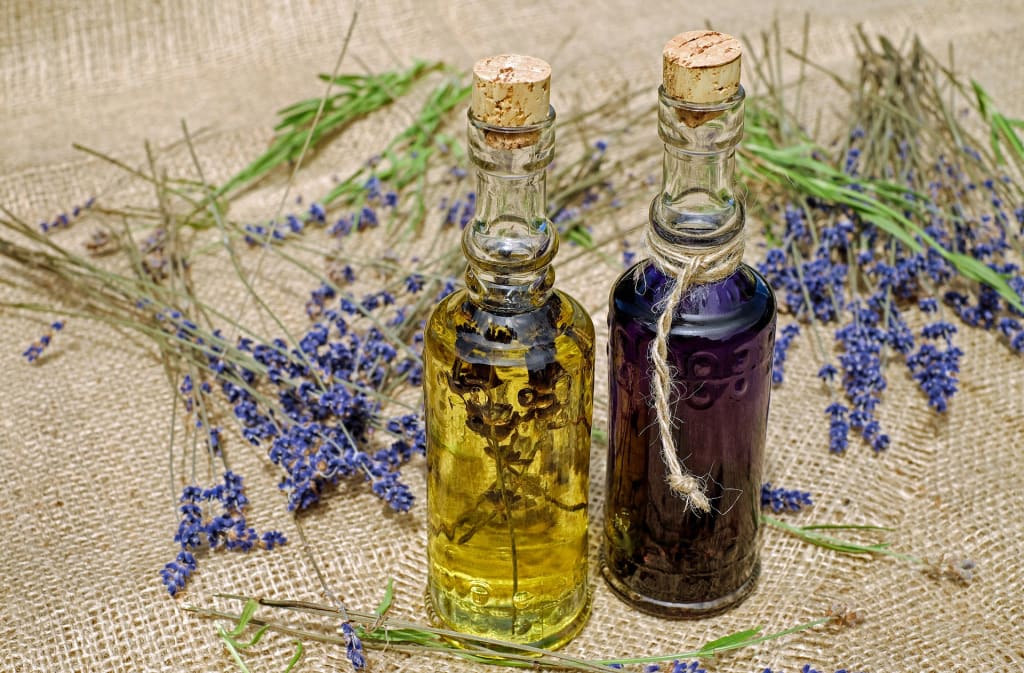
Essential oils are great for making you feel good and look good. Lavender oil is one of these multi-use oils, as it helps you look nourished and feel healthier.
Healthy Hair
As useful as they are in cleaning and protecting and protecting your hair, shampoos and conditioners can only do so much. If you want shine and thickness to return to your hair, lavender oil can provide the particles and moisture that it needs.
Anyone considering using lavender oil for hair should look into any skin conditions they might have, so that they know which oils have the right interactions with their hair. This oil is also known for increasing hair growth, whether you’re starting to lose yours, or just want to increase the length. Dandruff also becomes less of a problem, so your skin will feel smooth as well.
Relaxed Muscles
Certain jobs make it harder for you to relax when you get home at the end of the day. Sitting in front of a computer can create tension in your back and knees over time, and working on a construction site can leave you exhausted, with all of the equipment required in this field. If you need a massage, lavender oil has you covered.
This oil can be applied to any muscles that you’re having trouble with, either at home or at a spa. You can have this oil rubbed on your back, neck, or feet so that you can loosen up your muscles, and have an easier time walking around, without feeling uncomfortable when you’re doing something fun. This especially makes it easier to relax if you vape with products such as heady glass.
Sleep Quality
Having a good night’s sleep goes a long way toward a long and enjoyable life. You need rest to accomplish daily tasks and avoid stress. Lucky for you, lavender oil comes in handy for those who only manage to get a few hours of sleep each night.
Applying the oil to your skin before you go to bed helps relieve tension and stress. It helps to do this at least a half hour before bed, to help set the mood for you to fall asleep. Making a routine out of it will help you go to bed more quickly over time.
Healing Wounds
Certain wounds are harder to heal than others, and bandages and medicine might be taking more time than you hoped, depending on how severe it is. With lavender oil, all you have to do is rub it on the wound and wait a little while, and you will be able to heal your skin, and keep bacteria from getting inside (but you should still use the bandages and medicine too).
If you’re dealing with different problems such as a nosebleed or minor burn, all you need is a few drops of the oil, and a cloth or bag of ice, and you will be feeling better in no time.
Fresh Laundry
Lavender oil is capable of keeping more than just your body feeling and smelling good. This product can be applied to your laundry, which is especially helpful when you come into the house after a rainy day, or you have to clean your children’s clothes after their sports games. Your clothes will come out of the dryer with a fresh scent, that is available with most laundry detergent options.
Using this oil, in this case, is also good for maintaining health, as some chemicals that are used in detergent can be harmful to your skin. For laundry purposes, however, you will have to use a dozen or two drops instead of two or three for your clothes to have the best scent.
About the Creator
Keep reading
More stories from Claire Peters and writers in Longevity and other communities.
Birth-Related Medical Malpractice: What Families Need to Know
Both men and women may spend years wishing, hoping, and trying to become parents. Although US births hit a 30-year low last year, more women are able to become mothers (thanks to advancements in the fertility sector). But whether a woman is at the ideal childbearing age or she’s able to wait until a bit later in life to have a child, this process is no less miraculous. However, it can also be dangerous under some circumstances.
By Claire Peters7 years ago in Longevity




Comments
There are no comments for this story
Be the first to respond and start the conversation.