
Physical Therapy for Balance and Gait Disorders
Balance and Gait Disorders
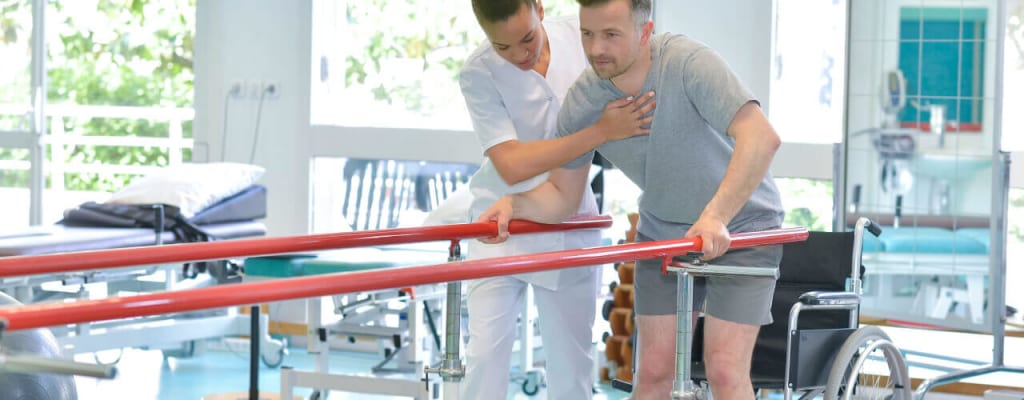
Balance and Gait Disorders
Gait and balance problems go hand in hand stemming from an illness or an abnormality in the body. Gait problems and balance problems are one of the main causes of injury due to falls. Physiotherapy can help restore your normal gait reducing the risk of injury. These disorders can go undiagnosed as they often get trivialized. Balance and gait disorders make it uncomfortable to carry out your daily activities and cause pain while moving around.
What are Balance and Gait Disorders?
If you find yourself stumbling around noticing something “off” with your balance, chances are that your gait is affected. Gait is the pattern of limb movements made during locomotion, the way you walk. The kind of gait treatment that is required is dependent on the type of gait dysfunction that is impacting you. The physical therapy treatment for balance and gait disorder begins with a diagnosis and thorough examination. Your physical therapist observes you as you walk back and forth to assess the type of gait disorder.
Balance tests are conducted to determine the risk of falling. It entails a series of strength and range-of-motion measurements assessing musculoskeletal limitations if any. Balancing requires the support of your spine and back muscles to keep yourself steady. The inner ear, cognitive function, joints, tendons, muscles, and ligaments play a pivotal role in maintaining balance.
The Causes of Balance and Gait Disorders?
The most common cause of balance and gait disorder is antalgic dysfunction or a “limp” caused due to injured leg or foot bearing weight. People suffering from a limp take slow, short steps and keep their weight on the healthy leg. Cerebellar Ataxia affects people making their stance wider and foot movements erratic. This disorder is often triggered by a neurological cause such as stroke or muscular dystrophy. Gait dysfunction is common among people with Parkinson’s disease as they tend to take shorter and shuffling steps. People suffering from steppage dysfunction have difficulty lifting and moving their ankles and as a result, lift their legs higher to take a step. Another common cause for balance problems is vestibular ataxia that may lead to gait disorder. People with this disorder tend to fall toward one side. Other causes such as stroke, musculoskeletal conditions, cardiovascular issues, improper posture, injury, and other chronic illnesses may result in balance and gait disorders.
How Does Physical Therapy Help Balance and Gait Disorders?
Physical therapy is optimum for relieving balance and gait disorders. It is crucial to seek help if you are having trouble remaining steady to reduce the risk of falling and injuring yourself. Balance and gait disorders interfere with position awareness, keeping yourself upright, and normal functionality. Physical therapy treatment programs are safe, non-invasive, and effective in treating balance and gait disorders. There is no “one size fits all” kind of treatment since the type, location, medical history, and intensity of ailment vary from person to person. A personalized physical therapy treatment program is laid out once a comprehensive pain assessment is conducted that caters to your specific needs.
Balance and gait disorders can be caused by neurological or neuromuscular ailments or complications. Any condition that impairs nerve or muscle function may lead to functional problems causing dizziness, disorientation, vertigo, and much more. Gait problems unlike balance disorders can be caused by musculoskeletal issues such as flat feet, overuse injuries, or even unhealthy movement and postural habits that favor one side of the body over the other.
Vestibular rehabilitation treatment is used to mobilize calcium debris that helps in correcting parts of your ear. This physical therapy is used to improve vision, nerves, muscles, and the vestibular system as a whole. Stretching exercises help improve flexibility and range of motion. Being agile gives you more control and improves your reflexes preventing injury. It reduces stiffness in muscles and mobilizes joints.
Strengthening exercises make it easier to move around and facilitate mobility. Gait retraining exercises realign gait and help in maintaining balance. It reduces the sensation of blurred vision and disorientation which is commonly associated with balance and gait disorders. These disorders may be incurable especially if the underlying cause is a neurological condition such as stroke. However, physical therapy can help you manage your symptoms through gait-retraining, improving your quality of life. Physical therapy focuses on strengthening your abdomen, spinal and pelvic muscles so they can support your body effectively preventing falls or injury. targeted exercises help in strengthening weakened muscles, tissues, and ligaments and increase agility and flexibility. A prolonged period of inactivity or surgery can cause a lack of flexibility in muscles which can result in balance or gait disorders. Stretching exercises help relieve tension in your body and mobilize restricted joints.
About the Creator
Keep reading
More stories from writers in Longevity and other communities.
A Massive Deep-Sea Ecosystem Discovered Two Miles Beneath the Ocean Surface
In one of the most fascinating ocean discoveries in recent years, scientists have identified a vast deep-sea ecosystem thriving nearly two miles below the ocean’s surface. Located near an underwater volcano, this hidden marine habitat spans an area comparable to 233 soccer fields and supports an estimated 20,000 living organisms.
By Adil Ali Khan5 days ago in Longevity
The Geometry of Calm
In our modern world, we are obsessed with output. We measure our lives by what we produce, how fast we move, and how much we can endure. We tend to view health as a capacity for work. If you can still get out of bed and perform your duties, you are considered healthy.
By Dr Marc Nock, DDS5 days ago in Longevity


Comments
There are no comments for this story
Be the first to respond and start the conversation.