
Storm Bombs Out, Pounds Coast With Strong Wind After Dropping Historic Amounts of Snow
High winds and flooding follow record-breaking snowstorm Emergency crews respond as storm shifts from snow to wind Coastal communities brace for damage after historic snowfall Multi-hazard storm disrupts travel and power supplies Meteorologists warn of more extreme weather ahead Residents urged to stay indoors as storm weakens but dangers persist From blizzard to windstorm: a dramatic weather shift

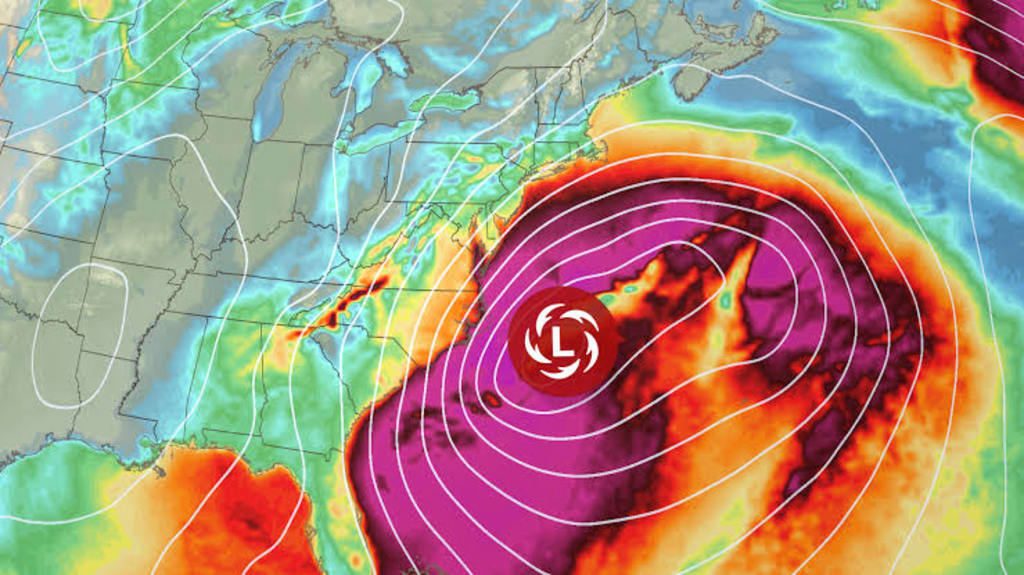
A powerful winter storm that delivered historic snowfall across inland regions has now shifted its force toward the coastline, bringing damaging winds, heavy rain, and dangerous coastal conditions. Meteorologists say the system rapidly intensified before weakening—commonly known as “bombing out”—yet continued to unleash severe weather as it moved eastward toward coastal communities.
The storm’s dramatic transition has left a trail of disruption, from record-breaking snow totals in higher elevations to widespread power outages and flooding concerns along the coast.
Record Snowfall Inland
Before reaching the coast, the storm blanketed inland and mountainous areas with extraordinary snowfall. Some communities reported snow accumulations exceeding several feet, marking one of the largest single-storm snow events in decades.
Transportation networks were severely affected. Highways were closed, flights were canceled, and rail services were suspended as crews struggled to clear roads and runways. Emergency services urged residents to remain indoors as visibility dropped and travel became hazardous.
“This storm produced snowfall rates we rarely see,” said a senior meteorologist. “It overwhelmed snow removal systems and caused major disruption across several regions.”
Schools and government offices shut down, while hospitals prepared for an increase in weather-related injuries such as falls and hypothermia.
Storm Weakens but Wind Strengthens
As the storm moved toward the coast, its central pressure began to rise, signaling that it was losing some of its intensity. However, the weakening phase did not bring relief. Instead, the system unleashed powerful winds that battered coastal cities and towns.
Wind gusts exceeding 70 miles per hour were recorded in some coastal areas, toppling trees, damaging buildings, and knocking out electricity for tens of thousands of households.
Emergency crews worked through the night to restore power and clear debris from streets.
“We’ve seen roofs torn off, boats tossed onto shore, and widespread structural damage,” said a local emergency management official. “This storm remains dangerous even after the snow stopped.”
Coastal Flooding and Rough Seas
Heavy rain replaced snow as the storm reached warmer coastal zones, raising fears of flooding in low-lying communities. Rivers and drainage systems already stressed by melting snow struggled to cope with additional rainfall.
High waves and storm surges pounded shorelines, forcing authorities to issue evacuation orders in vulnerable coastal neighborhoods. Beaches were closed, and ports suspended operations as rough seas made navigation unsafe.
Marine agencies warned that wave heights could reach dangerous levels, threatening fishing vessels and cargo ships.
“This is not just a winter storm—it’s a multi-hazard event,” said a coastal weather expert. “Snow inland, wind and flooding on the coast, and hazardous marine conditions all at once.”
Power Outages and Infrastructure Damage
Utilities reported widespread outages as falling trees and high winds damaged power lines. In some areas, communication networks were also disrupted, leaving residents without phone or internet service.
Public transportation systems faced major delays due to damaged tracks, flooded tunnels, and debris on roadways. Airports along the coast canceled dozens of flights, stranding travelers and forcing airlines to rebook passengers.
Local governments declared states of emergency to access additional resources and speed up recovery efforts.
Emergency Response and Public Safety
Emergency services urged residents to avoid unnecessary travel and to stay away from coastal areas during peak wind and wave activity. Shelters were opened for those forced to evacuate their homes or left without electricity and heating.
Rescue teams conducted operations to assist stranded motorists and residents trapped by flooding or fallen trees.
“We are asking people to take this storm seriously,” said a fire department spokesperson. “Conditions remain dangerous, and response times may be delayed.”
Hospitals and clinics prepared for possible increases in injuries related to accidents and exposure to cold and wet conditions.
Climate Patterns and Extreme Weather
Meteorologists noted that such extreme and rapidly changing storms are becoming more common, driven by unstable atmospheric conditions and warming ocean temperatures.
The storm’s ability to produce both historic snowfall and destructive coastal winds has renewed discussion about how climate change is intensifying weather systems.
“We are seeing storms that carry more moisture and energy,” said a climate scientist. “That leads to heavier snow, stronger winds, and higher risks of flooding.”
While no single storm can be attributed solely to climate change, experts say the pattern of increasingly severe events is consistent with long-term climate trends.
Economic and Community Impact
Businesses across affected regions closed temporarily due to damage and power outages. Tourism and fishing industries suffered losses as travel restrictions and port closures disrupted operations.
Farmers also expressed concern about damage to winter crops and livestock caused by freezing temperatures and flooding.
Local officials warned that recovery could take weeks, especially in areas that experienced both heavy snow and coastal damage.
“We will need significant resources to rebuild and support affected communities,” said a regional governor. “This storm tested our preparedness and resilience.”
What Comes Next
Forecasters predict that conditions will gradually improve over the next 24 to 48 hours as the storm system moves offshore. However, lingering winds, icy roads, and floodwaters will continue to pose hazards.
Authorities plan to conduct damage assessments once conditions stabilize, and federal assistance may be requested for the hardest-hit areas.
Residents are advised to remain cautious, check official updates, and assist neighbors who may need help during recovery.
Conclusion
The powerful storm’s path—from historic snowfall inland to destructive winds and flooding along the coast—demonstrates the complex and dangerous nature of modern weather systems. While the storm has begun to weaken, its impact remains severe, leaving communities to face the long task of cleanup and recovery.
As climate scientists warn of more frequent extreme events, this storm serves as a reminder of the importance of preparedness, infrastructure resilience, and coordinated emergency response. For many affected regions, the coming days will focus on restoring power, reopening roads, and helping residents return safely to their normal lives.
About the Creator
Fiaz Ahmed
I am Fiaz Ahmed. I am a passionate writer. I love covering trending topics and breaking news. With a sharp eye for what’s happening around the world, and crafts timely and engaging stories that keep readers informed and updated.
Keep reading
More stories from Fiaz Ahmed and writers in Longevity and other communities.
After Dumping Tonnes of Sand Into the Ocean for Over 12 Years, China Has Succeeded in Creating Entirely New Islands From Scratch
Over the past twelve years, China has carried out one of the most ambitious land reclamation projects in modern history, transforming submerged reefs and shallow waters into fully formed artificial islands. By dumping millions of tonnes of sand and construction material into the ocean, Beijing has reshaped parts of the South China Sea, creating new land where none previously existed. What began as a series of small dredging operations has evolved into strategically significant island installations equipped with runways, ports, radar systems, and military infrastructure. The project has drawn international attention and criticism, raising concerns about environmental damage, regional security, and the future of maritime law. Engineering New Geography Satellite images over the last decade reveal how reefs once barely visible above water have been turned into permanent land masses. Massive dredging vessels extract sand from the seabed and deposit it onto coral formations, layering material until solid ground emerges. Engineers then reinforce the new land with concrete, seawalls, and drainage systems to prevent erosion. On several islands, China has constructed airstrips long enough to accommodate military aircraft, along with harbors for naval vessels and buildings believed to house surveillance equipment. Experts say the scale of the project is unprecedented. “No country has altered maritime geography this extensively in such a short period of time,” said a maritime geographer. “These are not temporary structures. They are intended to last.” Strategic Importance The artificial islands sit in one of the world’s busiest shipping routes. The South China Sea carries trillions of dollars in global trade annually and is believed to hold significant oil and gas reserves. Control over this region offers both economic and military advantages. China claims historical rights over much of the sea, a position disputed by neighboring countries including Vietnam, the Philippines, Malaysia, and Brunei. An international tribunal in 2016 ruled that China’s sweeping claims had no legal basis under international maritime law, a decision Beijing rejected. By physically occupying contested areas, China has strengthened its presence and extended its operational reach. “These islands function as unsinkable aircraft carriers,” said a regional security analyst. “They allow China to project power far beyond its mainland coastline.” Environmental Consequences Scientists warn that the ecological cost has been severe. Coral reefs, which support diverse marine life, were destroyed during dredging operations. Sediment plumes from construction spread across nearby waters, damaging fish habitats and disrupting ecosystems. Marine biologists report long-term impacts on fisheries that local communities depend on for food and income. “You cannot rebuild coral once it’s buried under sand,” said an environmental researcher. “The damage could take centuries to recover, if at all.” China has stated that it follows environmental standards and that some construction included measures to protect reefs. However, independent studies suggest the scale of destruction is among the largest reef losses ever recorded. Regional Tensions Rise The island-building campaign has heightened tensions across Southeast Asia. Neighboring nations view the projects as violations of their territorial waters and accuse China of militarizing disputed zones. The United States and its allies have conducted freedom-of-navigation patrols near the artificial islands, arguing that international waters must remain open to all. These patrols have occasionally led to confrontations between Chinese and foreign naval vessels. Diplomats warn that the risk of miscalculation is growing. “Every new runway and radar station changes the balance of power,” said one foreign policy expert. “This is not just construction—it’s strategic messaging.” Legal and Political Debate Under international law, artificial islands do not generate the same maritime rights as natural land. They cannot claim exclusive economic zones or territorial seas. However, enforcing these rules has proven difficult. China maintains that the islands are primarily for civilian purposes such as weather monitoring, search-and-rescue operations, and maritime safety. Critics counter that military facilities dominate the structures and reveal Beijing’s long-term intentions. The issue has become a test of international legal norms in an era where engineering can physically reshape geography. A New Reality in the Ocean Today, what were once scattered reefs now appear on maps as fully formed islands with names, buildings, and airfields. They host personnel year-round and operate as forward bases for Chinese forces. For China, the islands symbolize technological capability and national strength. For its neighbors, they represent a permanent shift in the region’s power structure. “The ocean has been turned into land,” said a Southeast Asian diplomat. “And with that land comes influence.” Global Implications China’s island-building has inspired debate worldwide about the future of maritime disputes. Other nations with access to shallow seas may attempt similar projects, raising fears of widespread environmental damage and new territorial conflicts. Analysts argue that without stronger international agreements, artificial island construction could become a new tool of geopolitical competition. “This sets a precedent,” said a security researcher. “If geography can be engineered, borders become more fragile.” Conclusion After more than a decade of continuous dumping of sand and material into the sea, China has succeeded in creating entirely new islands from scratch—an achievement of engineering and a catalyst for controversy. The project has reshaped not only coral reefs but also regional politics, international law, and environmental priorities. As the islands become permanent fixtures in the South China Sea, the world is left to grapple with the consequences of turning ocean into territory. What was once water is now land—and that transformation may define future conflicts and cooperation in the Indo-Pacific for generations to come.
By Fiaz Ahmed a day ago in Longevity
Day 4 of Quitting
If this is how sobriety feels, maybe it’s better to go through life a little buzzed… this, along with other hits like, I want to kill myself, I wish I was dead, and I’m going to throw myself off a bridge have been the only thoughts on rotation these past few days. I promise myself that if, in a month, I still feel like this (‘this’ meaning despondent, full of rage, and simultaneously numb) I can go back to smoking. Until mid-February though? Nicotine is off the table.
By sleepy drafts26 days ago in Longevity
India and the EU Announce a Landmark Trade Deal
India and the European Union have announced a landmark trade deal that could reshape economic ties between two of the world’s most influential markets. The agreement, long in the making, signals a renewed commitment to cooperation at a time when global trade is being tested by geopolitical tensions, supply chain disruptions, and shifting economic priorities. Rather than focusing on short-term gains, this deal reflects a broader strategic vision. Both sides are looking to strengthen resilience, diversify partnerships, and reduce overdependence on any single market. For India, the agreement marks another step in its effort to position itself as a global manufacturing and services hub. For the EU, it offers access to one of the world’s fastest-growing large economies. A Deal Years in the Making Trade discussions between India and the EU have spanned many years, often slowing due to differences over tariffs, market access, labor standards, and environmental regulations. The latest announcement represents a breakthrough, suggesting that both sides were willing to compromise to reach common ground. While the full legal text is expected to be finalized over time, the announcement outlines a shared framework aimed at reducing trade barriers, encouraging investment, and deepening cooperation across key sectors. Officials from both sides have described the deal as forward-looking, emphasizing sustainability, innovation, and inclusive growth. This approach reflects a shift from traditional trade agreements that focused narrowly on tariffs. Instead, the India-EU deal seeks to align economic growth with long-term social and environmental goals. Economic Opportunities for India For India, the agreement opens the door to expanded access to European markets for a wide range of goods and services. Sectors such as textiles, pharmaceuticals, information technology, engineering goods, and agriculture are expected to benefit from smoother trade processes and improved regulatory cooperation. Indian service providers, particularly in technology and professional services, stand to gain from clearer rules and improved mobility frameworks. This could help Indian firms scale operations in Europe while strengthening India’s reputation as a global talent hub. The deal also supports India’s broader economic strategy of attracting foreign investment. European companies, many of which are seeking alternatives to traditional manufacturing centers, may see India as a more attractive destination for production and innovation. Benefits for the European Union From the EU’s perspective, the agreement offers access to a massive consumer market with a growing middle class. European exporters in sectors such as automobiles, renewable energy, luxury goods, and advanced manufacturing are likely to find new opportunities in India. The deal also strengthens the EU’s presence in the Indo-Pacific region, which has become increasingly important in global trade and geopolitics. By deepening ties with India, the EU diversifies its economic partnerships and reinforces its role as a key global trade actor. Additionally, European businesses may benefit from greater regulatory transparency and improved investment protections, making long-term planning in India more predictable. Sustainability and Standards at the Core One of the defining features of the India-EU trade deal is its emphasis on sustainability. Both sides have highlighted commitments related to environmental protection, climate action, and responsible business practices. The agreement is expected to encourage cooperation in clean energy, green technologies, and sustainable supply chains. This aligns with the EU’s broader climate goals and India’s increasing focus on renewable energy and environmental resilience. Labor standards and inclusive growth have also been emphasized. While implementation will take time, the inclusion of these elements reflects a growing recognition that trade agreements must address social concerns alongside economic interests. Strategic Implications Beyond Trade Beyond economics, the deal carries significant strategic weight. In a world where trade is increasingly influenced by politics, the India-EU partnership sends a message about the value of multilateral cooperation and open markets. Both India and the EU have expressed interest in reducing vulnerabilities exposed by recent global crises. Strengthening bilateral trade ties is one way to build more resilient supply chains and reduce exposure to economic shocks. The agreement also complements India’s expanding network of trade partnerships and the EU’s efforts to engage more deeply with emerging economies. Challenges Ahead Despite the optimism surrounding the announcement, challenges remain. Translating a political agreement into practical outcomes requires careful implementation, ongoing dialogue, and trust between stakeholders. Differences in regulatory systems, compliance requirements, and domestic priorities could still create friction. Small businesses, in particular, may need support to fully benefit from new opportunities created by the deal. However, the willingness shown by both sides to reach this point suggests a shared understanding of the long-term value of cooperation. A Step Toward a New Trade Era The India-EU landmark trade deal represents more than just an economic agreement. It reflects a shift in how major economies approach trade in an uncertain world. By focusing on sustainability, strategic partnership, and mutual growth, the deal sets a tone for future international agreements. As details continue to emerge and implementation begins, the true impact of the agreement will become clearer. What is certain, however, is that India and the European Union have signaled their intent to work together more closely, shaping a trade relationship that responds to both present challenges and future opportunities.
By Saboor Brohi 6 days ago in Longevity



Comments
There are no comments for this story
Be the first to respond and start the conversation.