
The Benefits of Aloe Vera
From skin care to immunity boost


What is Aloe Vera?
Origin Names: Aloe africana, Aloe arborescens, Aloe barbadensis (Latin)
Aloe vera is a part of the cactus family that grows in hot, dry climates. It is especially found or cared for in subtropical regions of the world. Since ancient times, aloe has been used treat to skin conditions and promote healing.
This plant was used in several cultures including: Greece, Egypt, India, Mexico, Japan, and China. Aloe vera was first discovered in Egypt over 6,000 years ago. This was estimated by scientists who found a carving of the plant to be about 6,000 years old, which was probably when it was discovered. The Egyptians used aloe vera as a burial offering for deceased pharaohs. Nefertiti and Cleopatra (who were well-known Eqyptian queens) used aloe vera in their beauty routines. Alexander the Great used aloe vera to treat wounded soliders in battle.
Topically, aloe vera is applied directly on the skin or ingested orally. Aloe tends to be used for rashes, breakouts, acne, hives, or sunburns. However, with constant (and extensive) research on the plant by scientists, aloe vera seems to serve with other benefits.
What is Aloe Vera? Antioxidant and Antibacterial Properties Increases Collagen Production Aid in Constipation Relief Side effects How to Make Aloe Vera Gel At Home
Antioxidant and Antibacterial Properties

Antioxidants are important for health.
They protect the cells from radicals. These radicals play a role in many illnesses or diseases (i.e., heart disease, cancer, etc) and can be found in anything from the food we eat to radiation.
It's best to include foods that are rich in antioxidants, or at the very least contain reasonable levels to promote better health. Aloe vera is known for its properties that contain levels of antioxidants. Antibacterial elements are also found in aloe vera, which helps fight against inflammation.
Increases Collagen Production

Collagen is a protein responsible for healthy joints and skin elasticity (stretchiness).
This protein is found in the bones, muscles, and blood. As we age, collagen breaks down, while our aging bodies find it difficult to produce more. In a 2009 study found in the National Library of Medicine, research on aloe vera was done on an observational group of 30 women over the age of 45. After a 90-day period, it was found that the gel in aloe vera helped increased collagen production and improved skin elasticity.
"Aloe" derives from Arabic "alloeh", which means "shiny bitter substance". "Vera" is latin for "true".
Aid in Constipation Relief
Underneath the skin (just before you get to the gel), you might find that the plant has a sticky yellow residue, which is actually a latex substance.
Responsible for the make up of this substance is a key compound called barbaloin (or simply aloin). This compound has laxative side effects which is useful for constipation issues. However, chronic oral use of aloe vera gel might result into unwanted side effects like diarrhea.
Always remember: moderation is key.
Side Effects
People who have allergies to garlic, onions, and tulip might be allergic to aloe vera. Despite the benefits listed above, it is always best to consult with a primary care physician. Medical professionals and researchers will give the best medical advice on aloe vera and its effects on health.
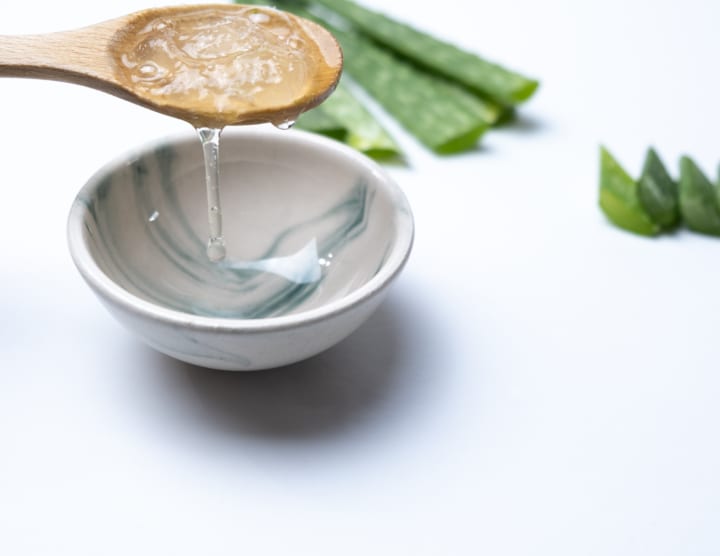
How to Make Aloe Vera Gel At Home
Step #1:
Cut the aloe vera leaf from the stem if you grow the plant yourself. If individual leaves were bought, you are good to go.
Step #2:
Place the leaf on a cutting board (or any hard surface for an easy cut) and slice it into as many pieces as desired.
Step #3:
Cut open the skin and peel off the inner jelly substance. Using the knife might be an extra help in this process.
Step $4:
Blend, puree, or mash until you get a liquid gel substance.
Step #5:
Now, you have aloe very gel. Enjoy!
About the Creator
Norma Jane
Instagram: @mayurwordsbearfruit
Keep reading
More stories from Norma Jane and writers in Longevity and other communities.
Daily consumption of coffee or tea may lower the risk of dementia, according to researchers.
Daily consumption of two to three cups of caffeinated coffee or one to two cups of tea may be associated with a lower risk of developing dementia later in life, as well as the potential to slow the progression of cognitive decline, according to new research. While the findings have excited both tea and coffee lovers, scientists stress that the results show correlation rather than definitive proof of cause and effect — and that a healthy lifestyle overall remains vital for brain health.
By Raviha Imran4 days ago in Longevity




Comments
There are no comments for this story
Be the first to respond and start the conversation.