
Understanding The Back Pain Causes And Treatment
Back Pain Doctor In Torrance
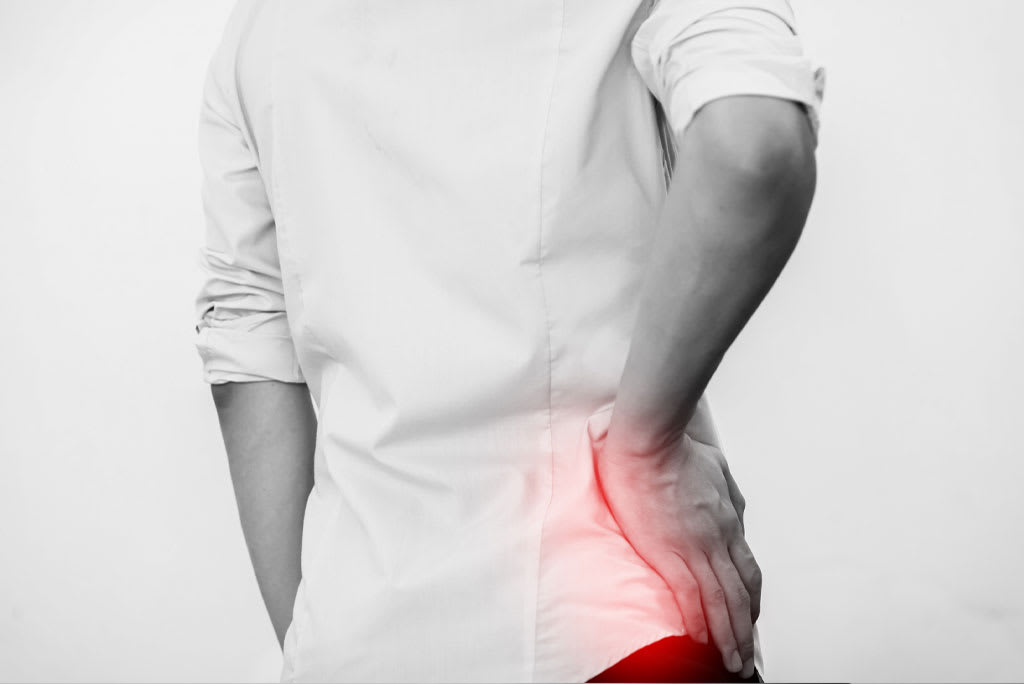
Nearly 80% of Americans suffer from back pain. The most common type is Low Back Pain. It is susceptible to injury because you depend on your back for nearly every movement you make. Even severe back pain can be debilitating. It's a common reason for a visit to the doctor or for missing work. It is actually the second most common cause of disability among persons below the age of 45.
Back pain is not a sign of a disease. There are two types: acute and chronic back pain. Acute back pain refers to pain that has a sudden onset. This is usually caused by injury and can occur suddenly. This is the most common type. This pain is usually gone in one month, but it shouldn't last more than six weeks. Chronic pain can be either a slow or quick onset but can last for long periods. Some people suffer from chronic back pain for a lifetime, even though it can last up to three months. Chronic pain is the most common type.
What causes back pain?
Understanding the spine is key to understanding the causes of back pain. The back is composed of 33 bones or vertebrae. It can be divided into five groups: Cervical (thoracic), Lumbar (sacrum), and Coccyx. 7 vertebrae make up the cervical spine (upper back, or neck). The thoracic (middle back), has 12 vertebrae, while the lumbar spine (lower back) has five. The sacrum is composed of five fused vertebrae and the coccyx (tail bone) has four vertebrae.
Ligaments and muscles hold the vertebrae together with discs between them. They are filled with a jellylike substance that acts as a shock absorber. To provide stability and support, the vertebrae are linked together. They support the spinal cord as well as the spinal nerves running through the spinal canal.
It is difficult to determine the cause of back pain because the nervous system is complex. There are four main causes of back pain: Injuries, Mechanical, Acquired Disorders or Diseases, Infections, Tumors, and Acquired.
Mechanical causes: These are issues with the way the spine functions. For example, Spondylolistesis(deterioration of the disc one vertebrae to slip forward over another, causing the vertebrae to rub together, therefore causing pain). Other mechanical problems include fractures, herniated disks, spinal stenosis and spinal degeneration.
Injuries- These are common back pain caused by injury to the spine, ligaments or muscles. For example, a ligament supporting the spine may be pulled or torn by improper lifting or body mechanics. Fractures can also occur due to osteoarthritis, which makes the bones weaker and more fragile. An accident or fall can cause severe injuries.
Acquired disorders- These are medical problems that you might have been born with such as scoliosis(an abnormal curvature of the spine) to other problems that you acquired, such as arthritis(osteoarthritis and rheumatoid arthritis) which can lead to fractures; musculoskeletal pain syndromes such as fibrillation, spinal stenosis (Narrowing of the spinal canal putting pressure on spine or nerves); and even pregnancy.
Infection/Tumors - Although not very common, infection can cause pain in the vertebrae. Two examples of this are Osteomyelitis(infection and inflammation of the vertebrae) and Discitis(infection in the discs). Tumors, although rare, can also cause back pain. These may be benign or cancerous and usually occur when a tumor has spread from another part of the body.
What is the best way to diagnose back pain?
To discuss the best treatment for your back pain with your doctor, your physician will need to take a complete medical history and perform a physical exam. Your pain will need to be described clearly and concisely. Your doctor will want to know when the pain began, what you did at the time, how it progressed, whether it was constant or intermittent, and what causes it. A variety of diagnostic tests will be required. X-rays, bone scans and MRI are all common tests used to diagnose back pain. These tests can diagnose bone and soft tissue injuries. To check for infection, your doctor might order blood and urine tests. If your physician feels the pain might be caused by a nerve problem, then you will have an EMG(electromyography) or nerve study. An EMG (electrocardiography) is a test that measures the electrical impulses from nerves and the muscle response.
How can back pain be treated?
Treatment aims to reduce pain and restore mobility. The severity and type injury will determine the treatment. Rest is the most basic and common treatment for minor injuries or strains. To increase circulation and reduce spasms, heat can be used. To reduce swelling in the affected back area, cold packs may be useful. To reduce inflammation and pain, common OTC (over-the-counter) medications like Aleve, Motrin and Tylenol are recommended.
Because it can slow down recovery and lead to other issues, long-term bed rest is not recommended. After 24-72 hours of rest, the doctor will usually allow you to resume your normal activities. The doctor may recommend a program of physical therapy that includes heat, ultrasound, heat and a personalized exercise plan. Your doctor may prescribe pain medication such as Percolate, Vicodin, Darvocet or Vicodin to ease muscle spasms.
Your doctor may refer you to a back or pain specialist if your pain is severe and persists after all other treatments have failed. Specialists are better equipped to treat back pain because it is complex. You might come across epidural nerve blocks (injections of anesthetic or anti-inflammatory steroid into long-term pain relief in the epidural space) and trigger point injections (injections of steroids into the area that is triggering the pain). This should provide long-term pain relief. Pain caused by nerve injury can be relieved with other medications, such as antidepressants or anticoagulants.

There are also other types of treatment:
- Trans cutaneous electrical nerve stimulation (TENS) is used. To relieve pain, electrodes are placed on 2-3 areas of the back that are inflamed.
- Chiropractic adjustments for the back.
- Acupressure and acupuncture are two options.
- Relaxation techniques, breathing techniques, and stress management training.
- Massage and basic stretching to improve mobility and ease spasm.
Yoga and Pilates can be used to relieve stress and pain. Yoga poses can help reduce low back pain, improve flexibility, strength, and balance. Yoga can reduce stress and help with psychological pain.
Water therapy or aquatic therapy- This is a great way to relieve pain and improve mobility for those suffering from chronic low back pain. Water is very soothing and comforting for the body.
How can back pain be prevented?
While some may argue that it is impossible to avoid hurting your back, many doctors agree that there are ways to prevent common causes of back pain.
Exercise: Before you start any exercise program, consult your doctor. There are certain exercises like weight lifting and high-impact aerobics that can worsen back pain. Swimming, biking, and walking can all help to improve your overall health and strengthen your back. Exercise should not be discouraged as it can improve your overall health.
Lumbar support belts: People who lift heavy objects on a daily basis must wear lumbar support. They also need to undergo back training to prevent injuries from lifting.
High heels are not recommended.
When standing, keep your head up and your stomach in. For prolonged standing, keep your feet on the ground and place your foot on a stool.
A good chair will provide lumbar support. Keep your posture straight, keep your feet flat on the ground and sit straight. When you sit or drive for long periods of time, make a lumbar roll from a towel.
Proper body posture is important when lifting. Be sure to keep objects close by your body. Keep your back straight, your stomach in and your head high. Do not lift heavy objects. If you need help lifting heavy or awkward objects, get professional assistance. Do not bend forward to pick up something, but bend at your knees and lift the object straight up from the knees.
Although back pain can be hard to manage, there are many treatment options. Every day, new research is being discovered by specialists. It is possible to take good care of your back through lifestyle changes that reduce stress and eliminate or reduce the amount of stress you have. You can avoid further back injuries by maintaining a good posture, lifting properly, and learning how to avoid it.
About the Creator
Keep reading
More stories from writers in Longevity and other communities.
As more farmers seek assistance, the mental health crisis in farming communities continues to grow.
As the emotional toll of modern farming increases, more farmers in agricultural communities in the UK and Canada are seeking mental health support. According to recent reports, not only is there a growing need for assistance, but also the underlying difficulties that cause a lot of people in the farming industry to struggle with stress, isolation, financial anxiety, and deteriorating health. According to recent reports from farming communities, farmers are turning to charities and agricultural support organizations that offer listening services, helplines, and outreach to those in distress for mental health support.
By Raviha Imran2 days ago in Longevity
FridaBaby Faces Backlash Over Alleged Sexualized Marketing of Infant Products
The baby-care brand FridaBaby, known for products such as the NoseFrida nasal aspirator and infant thermometers, is facing a surge of online backlash following the resurfacing of old marketing materials featuring suggestive and sexualized language. Social media users have widely circulated screenshots of posts and product packaging, criticizing the brand for content deemed inappropriate for items designed for infants.
By Story Prism4 days ago in Longevity
Diaries to Nietzsche
Quotation from Friedrich Nietzsche "He who wrestles long with monsters should beware lest he himself become a monster. And if you gaze long into an abyss, the abyss also gazes into you. Man is not destroyed by suffering, but by the meaning he makes of it."
By LUCCIAN LAYTH5 days ago in Critique
Valentine's Dates Over the Years
Colin grinned as Brooklyn slipped into the living room. “Is it all set?” he asked. The twenty-one year old grinned. She was in her last year of college and Colin knew that Lincoln was proud of her. Although she had been away at college, she’d eagerly helped Colin plan his surprise for Lincoln. “I’m so glad you’re finally doing this,” she said.
By Reb Kreyling5 days ago in Chapters




Comments
There are no comments for this story
Be the first to respond and start the conversation.