
weather winter storm warning
Weather Winter Storm Warning

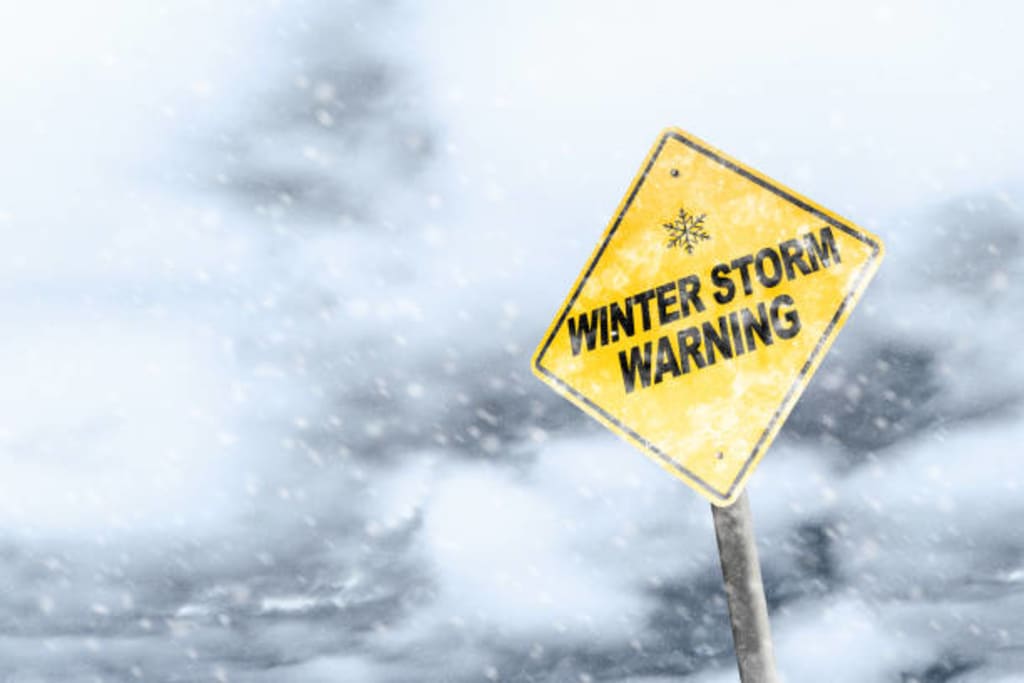
Winter has a quiet way of changing moods. One day, it’s a gentle chill in the air, and the next, it’s a full-scale alert scrolling across phones and television screens. A weather winter storm warning is one of those alerts that instantly raises concern—and for good reason. It signals that dangerous winter conditions are no longer a possibility but an expectation.
Unlike casual forecasts that predict cold temperatures or light snowfall, winter storm warnings mean significant impacts are imminent. These storms can disrupt daily life, strain infrastructure, and create hazardous travel conditions. Understanding what these warnings mean, why they matter, and how to respond can make a real difference in safety and preparedness.
What Is a Weather Winter Storm Warning?
A weather winter storm warning is issued by meteorological agencies when severe winter conditions are expected within a specific time frame, usually within 12 to 36 hours. These conditions may include heavy snowfall, ice accumulation, freezing rain, or a combination of all three.
What separates winter storm warnings from advisories is intensity. While advisories suggest caution, warnings indicate that conditions could become dangerous or life-threatening if precautions are not taken. Snowfall may exceed several inches in a short period, winds may reduce visibility to near zero, and ice may coat roads, power lines, and trees.
Why Winter Storm Warnings Matter
Winter storms don’t just make things inconvenient; they can be genuinely dangerous. Roads become slick and unpredictable, increasing the risk of accidents. Airports experience delays and cancellations. Power outages may occur when ice and snow damage electrical infrastructure. Emergency services often operate under strained conditions during severe weather events.
Winter storm warnings are designed to provide communities with enough lead time to prepare. When people take these warnings seriously, they reduce the likelihood of accidents, injuries, and emergency situations.
The Science Behind the Warning
Issuing winter storm warnings is not a guess—it’s the result of advanced forecasting tools, satellite data, and atmospheric modeling. Meteorologists analyze temperature profiles, moisture levels, wind patterns, and pressure systems to determine how a storm will develop.
Small temperature changes can dramatically alter outcomes. For example, a storm that begins as snow may turn into freezing rain if surface temperatures rise slightly, increasing the risk of ice accumulation. Because winter storms can evolve rapidly, warnings are frequently updated as new data becomes available.
How Winter Storm Warnings Affect Daily Life
When winter storm warnings are issued, everyday routines often need to pause or adapt. Schools may close or shift to remote learning. Businesses might reduce hours or temporarily shut down. Public transportation systems may adjust routes or suspend service altogether.
Travel becomes especially risky. Snow-covered highways, icy bridges, and low visibility create conditions where even experienced drivers struggle. Authorities often advise staying off the roads unless travel is absolutely necessary during severe winter storms.
Preparing Before the Storm Hits
Preparation is the most effective response to any winter storm warning. Simple steps taken ahead of time can prevent serious problems later.
Households are encouraged to stock essentials such as food, water, medications, batteries, and flashlights. Vehicles should be fueled and equipped with winter safety kits, including blankets, ice scrapers, and emergency supplies. Checking heating systems and insulating exposed pipes can help avoid damage during prolonged cold spells.
For those living in areas prone to frequent winter storms, preparation is not panic—it’s routine.
Staying Safe During Winter Storm Warnings
Once a storm begins, safety becomes the priority. Limiting travel, staying informed through reliable weather updates, and following guidance from local authorities are key steps. If power outages occur, using alternative heating sources safely is critical to prevent carbon monoxide poisoning or fires.
Outdoor activities should be avoided during peak storm conditions. Frostbite and hypothermia can occur quickly in extreme cold, especially when combined with strong winds.
The Role of Communication and Technology
Modern technology has made winter storm warnings more accessible than ever. Smartphones, weather apps, emergency alerts, and social media updates ensure information spreads quickly. This real-time communication allows individuals and communities to adapt as conditions change.
However, with increased access comes the responsibility to rely on credible sources. Misinformation or outdated forecasts can lead to unnecessary risks. Trusting official weather agencies and local emergency services remains essential during severe winter events.
Climate Patterns and Changing Winter Storms
In recent years, scientists have observed changes in winter storm behavior. Some regions experience heavier snowfall, while others see more frequent ice storms or rapid temperature swings. These shifts are often linked to broader climate patterns that influence atmospheric circulation.
As winter storms become less predictable in certain areas, the importance of timely and accurate winter storm warnings continues to grow. Communities that historically experienced mild winters may now face conditions they are less prepared for, making awareness and education even more important.
Respecting the Warning, Reducing the Risk
A weather winter storm warning is not meant to cause fear—it’s meant to prompt action. When people respect these alerts and respond appropriately, the risks associated with winter storms can be significantly reduced.
Winter will always bring uncertainty, but preparation, awareness, and caution turn uncertainty into resilience. Whether it’s a heavy snowfall, an ice-covered morning commute, or a prolonged cold snap, winter storm warnings exist to help people stay safe when the forecast turns serious.
About the Creator
Saboor Brohi
I am a Web Contant writter, and Guest Posting providing in different sites like techbullion.com, londondaily.news, and Aijourn.com. I have Personal Author Sites did you need any site feel free to contact me on whatsapp:
+923463986212
Keep reading
More stories from Saboor Brohi and writers in Longevity and other communities.
Draymond Green
In an NBA era dominated by scoring titles and highlight reels, Draymond Green has built a Hall of Fame–level career by excelling in areas that rarely make the box score shine. As the emotional leader of the Golden State Warriors, Green has redefined what impact looks like in modern basketball. Defense, playmaking, communication, and intensity have become his signature, shaping one of the most successful dynasties in league history.
By Saboor Brohi 7 days ago in Longevity




Comments
There are no comments for this story
Be the first to respond and start the conversation.