
APPRECIATION IS APPLICATION FOR MORE
Why appreciation is more than just a word
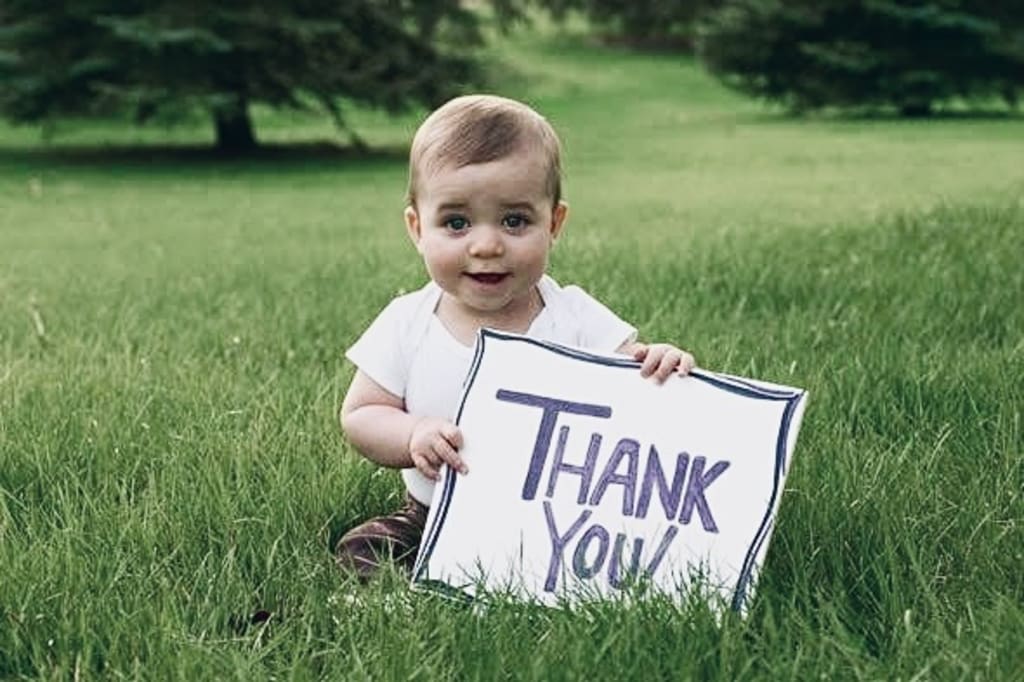
Appreciation means showing gratitude for what you have, not just with words but through your actions. It is about using what you have in the best way possible. When you value something and make good use of it, you show that you are ready to handle more. This idea—that appreciation is application for more—teaches us that taking action is the best way to show gratitude and open doors to greater opportunities.
For example, if someone gives you a gift, like a book, the best way to show you appreciate it is to read it and learn from it. Just saying “thank you” and leaving the book untouched on a shelf is not true appreciation. But by reading it and sharing what you learned, you show that you value the gift. Using it in this way could even lead to receiving more books or having interesting conversations with others about what you learned.
Showing Appreciation Through Action
True appreciation is shown through action. For instance, if you are given a chance to study, you show appreciation by working hard and doing well in your studies. This effort proves that you value the opportunity. Similarly, at work, employees who work hard and give their best show they appreciate their jobs. This kind of effort often leads to promotions, rewards, or more responsibilities.
On the other hand, when you don’t put in effort, it can seem like you don’t value what you have. For example, if someone helps you learn a new skill but you never use it, it may seem like you don’t care about their help. Applying what you’ve learned shows that you truly value and appreciate it.
Using What You Have Brings More
When you use what you have wisely, you create space for more opportunities. Imagine a farmer who is given seeds. If the farmer plants and cares for the seeds, they will grow into crops. The farmer can then sell the crops, eat them, or save seeds for the next planting season. Because the farmer appreciated the seeds and used them well, they gained even more.
The same is true in everyday life. If you have a talent, like singing or writing, using it consistently will help you improve and might even bring new opportunities. For example, a writer who keeps writing and sharing their work may get noticed and offered bigger projects. People are more likely to invest in you when they see that you make good use of what you already have.
Building Trust Through Application
When you show appreciation by applying yourself, people start to trust you more. For example, a teacher is more likely to help a student who studies hard and uses the advice they are given. This is because the teacher sees that their efforts are valued.
In relationships, applying what you’ve learned about someone shows that you care. For instance, remembering and acting on your partner’s preferences—like their favorite meals or things that make them happy—shows appreciation and strengthens the bond between you.
You also build trust in yourself when you apply effort consistently. Seeing your own progress boosts your confidence and prepares you to take on bigger challenges.
Appreciation Leads to Growth
When you value what you have and use it well, you grow. Growth happens when you put in effort, learn from experiences, and improve over time. For example, a business owner who appreciates their customers shows it by improving their products or services. This helps the business grow because customers see the value and keep coming back.
Similarly, if you have a skill and you keep practicing, you’ll become better at it. This growth often leads to more opportunities, like getting better jobs, earning more money, or gaining recognition for your hard work.
Conclusion
Appreciation is more than words—it’s about actions. When you use what you have wisely, you show gratitude and prepare yourself for greater opportunities. By applying effort to what you already have, you build trust, grow, and attract more blessings. Always remember, the best way to show appreciation is to make the most of what you’ve been given.
About the Creator
Keep reading
More stories from Christiana and writers in Motivation and other communities.
ANXIETY IS A JOY TAKER
Mara sat in the corner of the crowded room, her hands clenched tightly around the glass of juice she wasn’t drinking. The chatter and laughter swirled around her, but it all sounded muffled, distant, like she was trapped behind a glass wall. Tonight was supposed to be special—her best friend’s birthday party. She had been looking forward to it for weeks, imagining the fun, the music, the carefree moments. But now, as she sat there, anxiety gripped her, stealing every ounce of joy she had hoped to feel.
By Christiana about a year ago in Motivation
One Hard Thing
Stop me if you’ve heard this one before: You have the number, you know your schedule- you’ve even picked out the perfect day and time to make this appointment. Shoot, you’ve even picked out alternative days and times just in case their schedules can’t accommodate you!
By Taylor Rigsby9 days ago in Motivation
~ Fired ~
— Ai Intrusion ~ Are you Next ~ Is Ai Evolution after your job? — Few workplaces haven't been affected. Ai is in supermarkets, at doctors' offices, and even monitoring farms. I just can't think of anything this machine is not getting into, can you? For instance: Education ~ Law and Tech jobs will one day have a major influence or be taken over by these inanimate machines, with accuracy and vigor. From mechanics' diagnoses to a wide variety of everyday jobs, including fast food workers, with this input having the ability to cut their unnecessary work hours. I'm certain all of us have been touched by this with our short stories and colorful headings, have you? Even comments are very questionable 'Non-Robot' insertions.
By Jay Kantor2 days ago in Journal


Comments
There are no comments for this story
Be the first to respond and start the conversation.