
Fear and its Management
Facing and Dealing with the Fears

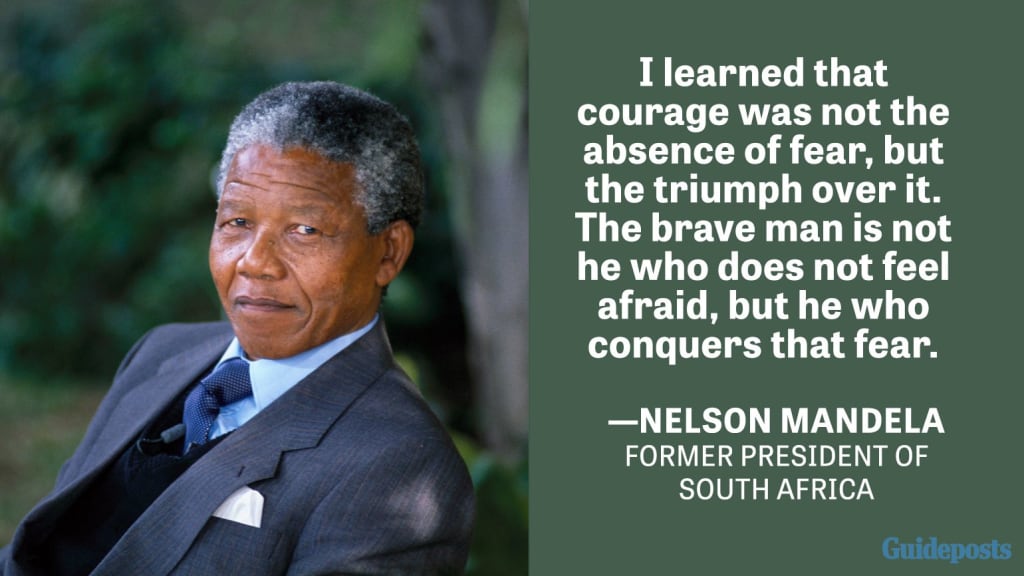
Fear is an emotion that is characterized by a feeling of tension, anxiety, and anticipation of danger. It is a natural response to perceived threats and can serve as a protective mechanism to help us avoid or mitigate potential dangers. Sometimes, we also face fear encountering less dangerous situations like job interview, exams, public speaking where we have performance pressure.
Fear can develop in a variety of ways, including through personal experiences, learning from others, and through exposure to media. It can also be influenced by genetics and brain chemistry.
The harms of fear can include physical symptoms such as increased heart rate and blood pressure, as well as negative impacts on mental health such as anxiety and depression. Fear can also lead to avoidance behavior, which can interfere with daily functioning and prevent people from pursuing their goals and dreams.
Fear actually makes our risk assessment capabilities more sensitive and warns us of real threats and dangers. It has its good impact sometimes, but most of the times fears leads us to some lost opportunity due to not trying or it stops us from taking risks in the life. So, overcoming fear is necessary to move ahead in life. As F. Roosevelt said “The only thing we have to fear is fear itself”. So, the best action we can take is to face the fear and get rid of it.
Facing your fears can be challenging, but it is often necessary in order to move past them and live a fulfilling life. Here are some steps you can take to face your fears:
Identify the fear: Take some time to think about what you are afraid of and why. This can help you understand the root cause of the fear and develop strategies to address it.
Break the fear down into smaller parts: If the fear seems overwhelming, try breaking it down into smaller, more manageable parts. This can make it feel more manageable and less intimidating.
Gradually expose yourself to the fear: Gradually exposing yourself to the things you fear can help you build up your tolerance and resilience. Start with small steps and gradually increase the level of difficulty as you become more comfortable.
Use relaxation techniques: Techniques such as deep breathing, meditation, and progressive muscle relaxation can help reduce feelings of fear and anxiety.
Seek support: Talk to friends, family, or a mental health professional about your fears. They can provide a sense of understanding and help you develop coping strategies.
Find a role model: Look for someone who has successfully overcome a similar fear and use them as inspiration and guidance.
Remember, it is normal to feel afraid at times. The important thing is to not let fear hold you back from living your life to the fullest.
Overcoming fear is also necessary to progress in life, the best way is feel the fear, face it and do very thing you fear.
There are several ways to overcome fear, including:
Identifying the source of the fear: Understanding what is causing the fear can help you address the underlying issue and find a way to cope with it.
Gradually exposing yourself to the fear: By facing your fears slowly and steadily, you can build up your tolerance and resilience.
Seeking support: Talking to friends, family, or a mental health professional can provide a sense of understanding and help you develop coping strategies.
Practicing relaxation techniques: Techniques such as deep breathing, meditation, and progressive muscle relaxation can help reduce feelings of fear and anxiety.
Know your triggers: Get to know about the things which triggers your fear. Get awareness about the fear, and how it effects your brain and body
Identify and challenge negative thought patterns: Our thoughts can have a powerful influence on our emotions and behaviors. Identifying and challenging negative thought patterns can help you manage fear more effectively.
Use visualization techniques: Visualizing yourself successfully navigating a fearful situation can help you feel more confident and prepared.
Take care of your physical health: Taking care of your physical health, including getting enough sleep, eating a healthy diet, and engaging in regular exercise, can help you feel more resilient and better able to cope with fear.
Practice gratitude: Focusing on the things you are grateful for can help shift your attention away from fearful thoughts and feelings.
Seeking professional help: If fear is severely impacting your daily life, seeking treatment from a mental health professional can be helpful in developing coping mechanisms and addressing the underlying causes of the fear.
About the Creator
Keep reading
More stories from Hafiz Suboor and writers in Motivation and other communities.
"From Wishful Thinking to Willpower: Harnessing the Power of Your Mind."
Willpower is the ability to control one's thoughts, emotions, and actions in order to achieve a goal. It is a powerful tool that can help us overcome obstacles, push through challenges, and achieve our dreams. However, many of us struggle with willpower, particularly when it comes to sticking to our goals. In this article, we will explore the concept of willpower, how it works, and how you can harness its power to achieve your objectives.
By Hafiz Suboor3 years ago in Motivation
One Hard Thing
Stop me if you’ve heard this one before: You have the number, you know your schedule- you’ve even picked out the perfect day and time to make this appointment. Shoot, you’ve even picked out alternative days and times just in case their schedules can’t accommodate you!
By Taylor Rigsby12 days ago in Motivation
The Devil's Triangle
The sails ruffled in the breeze as we cruised along. The Sea Breeze was a mid-size catamaran that sailed out of Royal Naval Dockyard in Bermuda. We had booked this trip weeks in advance and were now looking at our Captain, Spike and two boat hands. Paddy and Wilson seemed like nice guys, joking around with the passengers and telling us some stories about Bermuda that only locals would know. Their island accents sounded almost British but they were pleasant to listen to.
By Barbara Gode Wiles3 days ago in Fiction


Comments (1)
love the quote in picture