
Golden Threads of Life
How Money Connects Dreams, Destiny, and Legacy
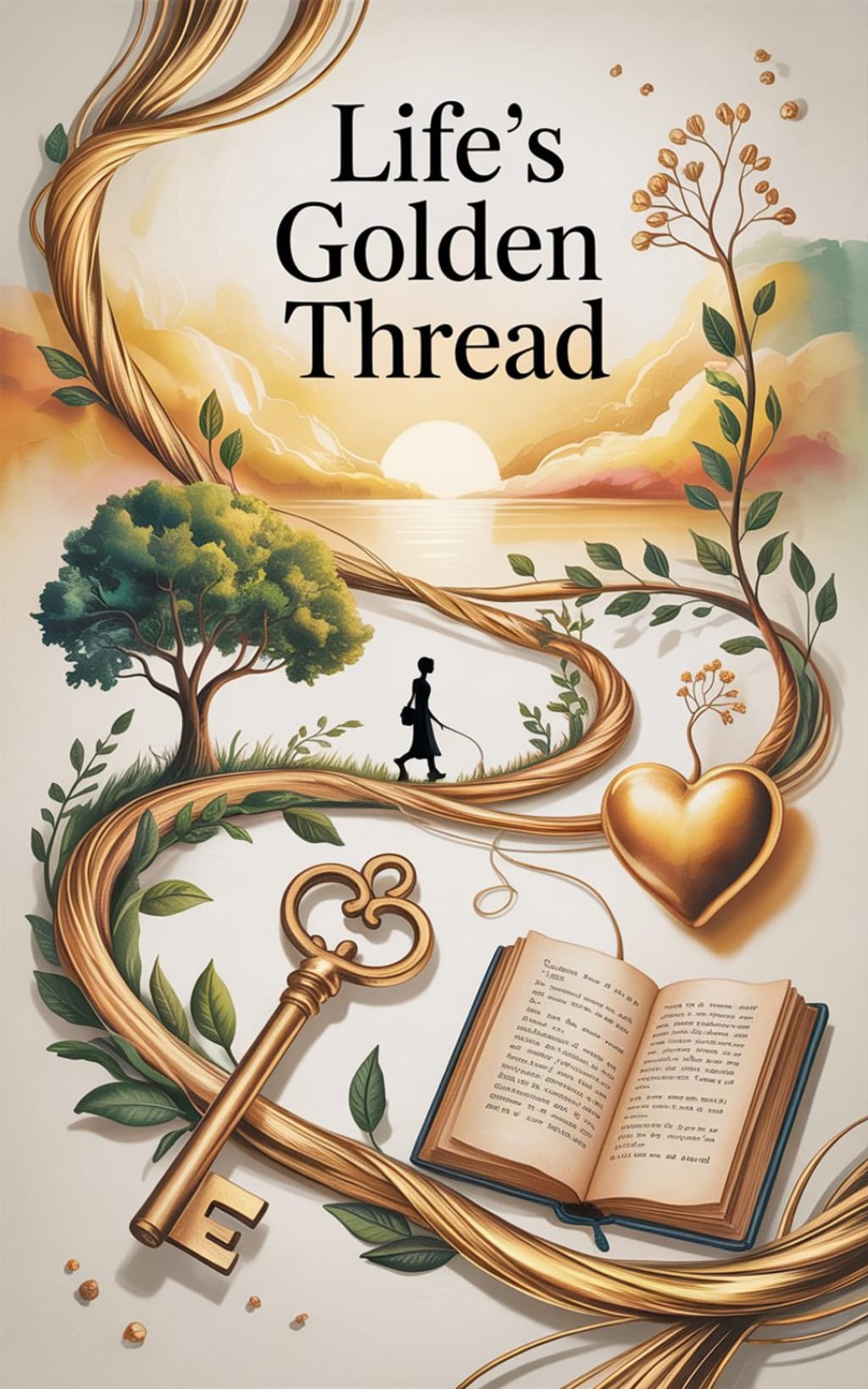
Weaving Wealth, Wisdom, and Purpose Together
Rafiq sat by the dusty window of his small workshop, staring at the loom he had inherited from his grandfather. The machine, old and chipped, had woven the tapestries of three generations. But it wasn’t just fabric that passed through it. In his heart, Rafiq believed it spun something deeper—memories, struggles, legacies. Golden threads of life.
He picked up a golden silk thread, the kind his grandfather used only for special weaves. It shimmered in the sunlight, fine yet strong. It reminded him of his grandfather’s words:
“Money is like thread, Rafiq. You can waste it, knot it, or weave it into something that outlasts you.”
Rafiq didn’t grow up rich. In fact, he grew up surrounded by debt. His father had chased money all his life—starting businesses that collapsed, making promises he couldn’t keep. The house was full of shouting, missed payments, and shame.
But his grandfather, the quiet weaver, never once borrowed money. He didn’t chase it. Yet somehow, there was always food on the table, enough for school, and enough for the poor man who came knocking every Friday.
Rafiq, as a boy, had asked him once, “Baba, how come you never seem worried about money?”
His grandfather smiled, tapping the loom. “Because I don’t spend it all on myself. Money, when shared, comes back in better ways.”
Years later, Rafiq now owned the same workshop. But times had changed. Orders had dried up, and the world had moved on to cheap machine-made fabrics. His friends had left the village and started trading cryptocurrency or running digital stores. They wore watches that cost more than his month’s income.
And here he was—still weaving, still chasing dreams that didn't pay.
One evening, frustrated and tired, Rafiq considered selling the loom. It could get him a decent amount. Enough to start something else. Maybe even enough to leave.
He ran his fingers along the golden thread again.
Then something strange happened.
His neighbor’s daughter, Amna, wandered in, holding her torn scarf.
"Uncle, Mama said you can fix this?"
He looked down at the scarf. It was frayed, old, and not worth repairing.
But instead of saying no, he smiled. "Yes, of course."
He stitched the tear not with plain thread, but with a tiny strip of golden silk. Amna’s eyes lit up.
"It’s magic!" she whispered.
That night, Rafiq stared at the scarf and the golden thread that mended it. He thought: Maybe wealth isn’t just about numbers. Maybe it’s about moments.
Inspired, he started weaving stories into his fabrics.
Every shawl he made carried a name.
“The Mother's Hope”—for a woman who lost her son in war.
“The Fisherman’s Prayer”—a simple net design woven for a local man who survived a storm at sea.
“A Daughter’s Dowry”—a special wrap made with pink and gold, gifted by a father who had nothing but gave everything.
People started noticing.
One blogger from the city bought a shawl and posted a photo online, saying:
“It’s not just a scarf. It feels like it carries someone’s soul.”
The orders returned. Not from those looking for fashion—but from those looking for meaning.
He never priced his pieces by the hour it took. He priced them by the story they carried. And people paid. More than he had ever imagined.
But Rafiq didn’t change much. He still walked to the workshop every day. He still used the same loom. He still gave away one shawl a month to someone who needed warmth, not fashion.
One afternoon, a man in a black suit arrived at the shop.
“I’m from a luxury brand. We’d like to buy your business. Your story. Your name. You’ll be rich overnight.”
Rafiq smiled politely. “But then I’ll have no story left.”
The man laughed, confused. “Everyone wants to be rich.”
Rafiq nodded. “Yes, but not everyone wants to be whole.”
Years passed. His golden thread became a symbol of something more than wealth. It stood for healing. For effort. For love passed down generations.
Children came to learn from him—not just how to weave, but how to value life beyond what money can buy.
He wrote one small note, framed above the loom:
“True wealth is not counted in currency, but in the threads we leave behind—in hearts, in homes, and in hands we’ve held.”
And in that dusty old workshop, Rafiq became one of the richest men in the world.
Not because of his bank account.
But because he turned money into meaning.
And wove the golden threads of life.
About the Creator
Keep reading
More stories from kamran khan and writers in Motivation and other communities.
The Price I Paid for Success
“Success Filled My Wallet But Emptied My Soul” I was 26 when I made my first million. It came fast—faster than I expected. One moment I was a broke college graduate pitching business ideas to friends over midnight coffee; the next, I was signing contracts in glass towers, shaking hands with men in tailored suits. I had arrived. The world called me a success.
By kamran khan7 months ago in Motivation
One Hard Thing
Stop me if you’ve heard this one before: You have the number, you know your schedule- you’ve even picked out the perfect day and time to make this appointment. Shoot, you’ve even picked out alternative days and times just in case their schedules can’t accommodate you!
By Taylor Rigsby14 days ago in Motivation
The Road That Didn’t End
Ethan had failed more times than he could count. Each failure felt heavier than the last. He often wondered why success seemed easy for others but difficult for him. No matter how hard he tried, something always went wrong. People around him started saying things like, “Maybe this is not for you,” or “You should choose something simpler.”
By Sudais Zakwanabout 23 hours ago in Motivation
Public Announcement Challenge Winners
For the Public Announcement Challenge, writers were asked to work inside voices built for control. These were notices, warnings, and updates meant to inform rather than confess. The strongest entries committed to that form and didn't break from it. Corporate memos, formal government alerts, and internal policy language were held consistently, allowing emotion, fear, grief, or humor to surface indirectly through pressure rather than declaration. The following poems recognize the voice of authority, and let human feeling slip through despite all its rules and restraint.
By Vocal Curation Team2 days ago in Resources



Comments
There are no comments for this story
Be the first to respond and start the conversation.