
The Transformation Process: Craft, Makeup, and Character Development
How collaboration behind the scenes shapes believable performances
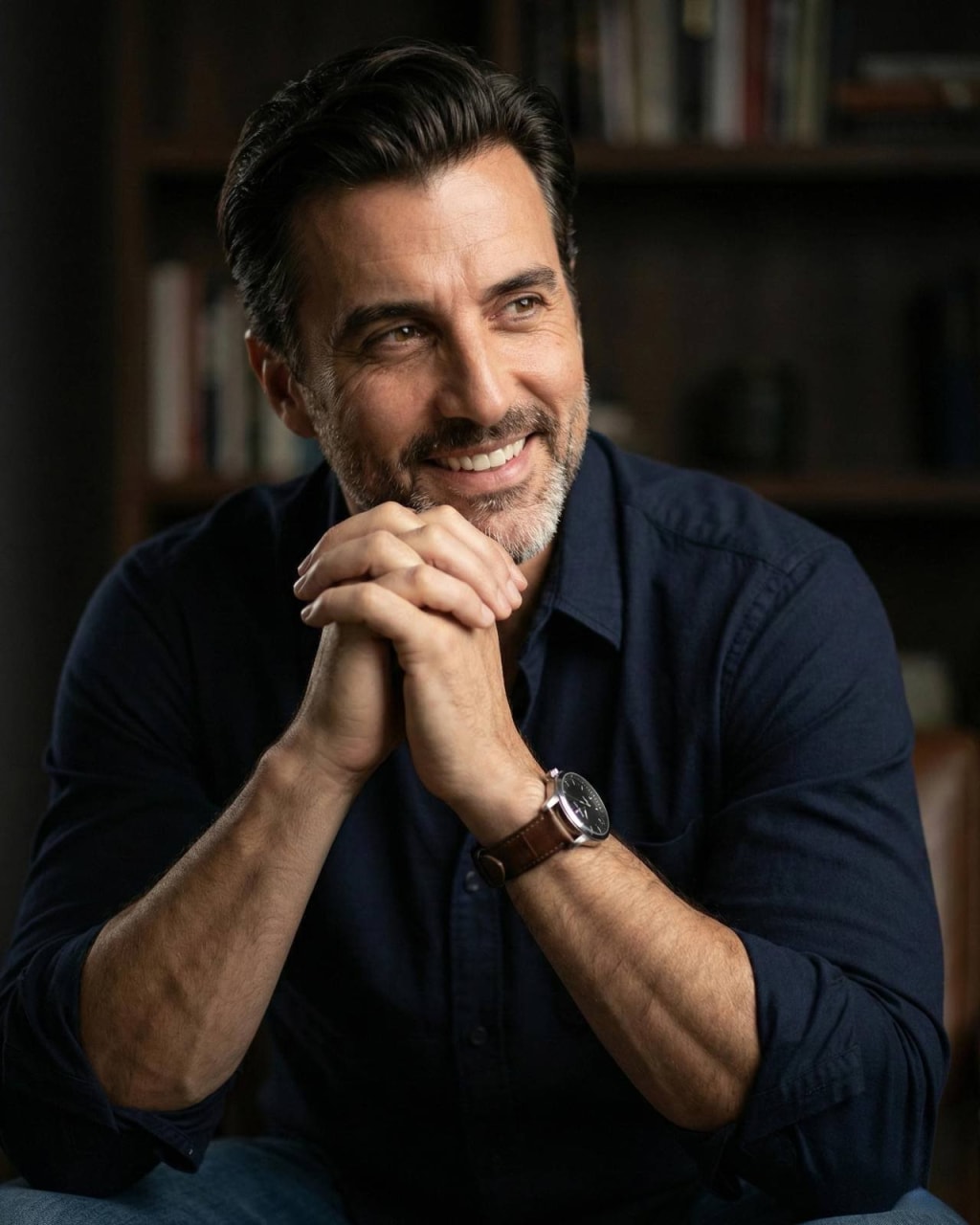
There’s a specific moment that happens when you’re sitting in the makeup chair. It’s quiet. The mirrors are lit. Brushes move carefully across your face. Then suddenly, you don’t fully recognize the person looking back at you.
That’s the moment where you stop being yourself and start becoming someone else.
For me, character transformation doesn’t begin when the camera rolls. It begins long before that—inside the makeup trailer, through collaboration, patience, and trust. This is the part of filmmaking audiences rarely see, but it’s where the foundation of every believable performance is built.
The Sacred Space of the Makeup Chair
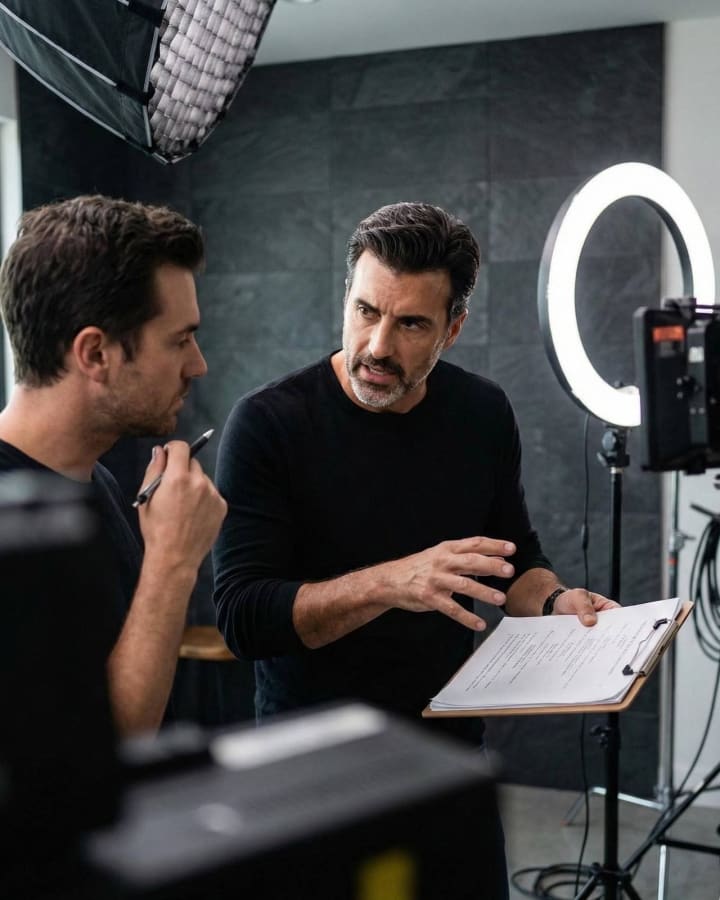
The makeup trailer is more than a workstation. It’s a space for focus and transition.
Before the set becomes loud and demanding, this is where I mentally step away from my own identity and into the character’s world. As the makeup artist works, I’m not just watching my appearance change—I’m allowing myself to settle into the emotional rhythm of the role.
This quiet preparation time matters more than I initially realized. It gives me the chance to slow down, review scenes, and connect with where the character needs to be that day. The transformation is gradual, and that pace helps ground the performance.
Makeup isn’t just cosmetic. It’s the first layer of storytelling.
Andreas Szakacs as an Actor: Building Characters Through Collaboration
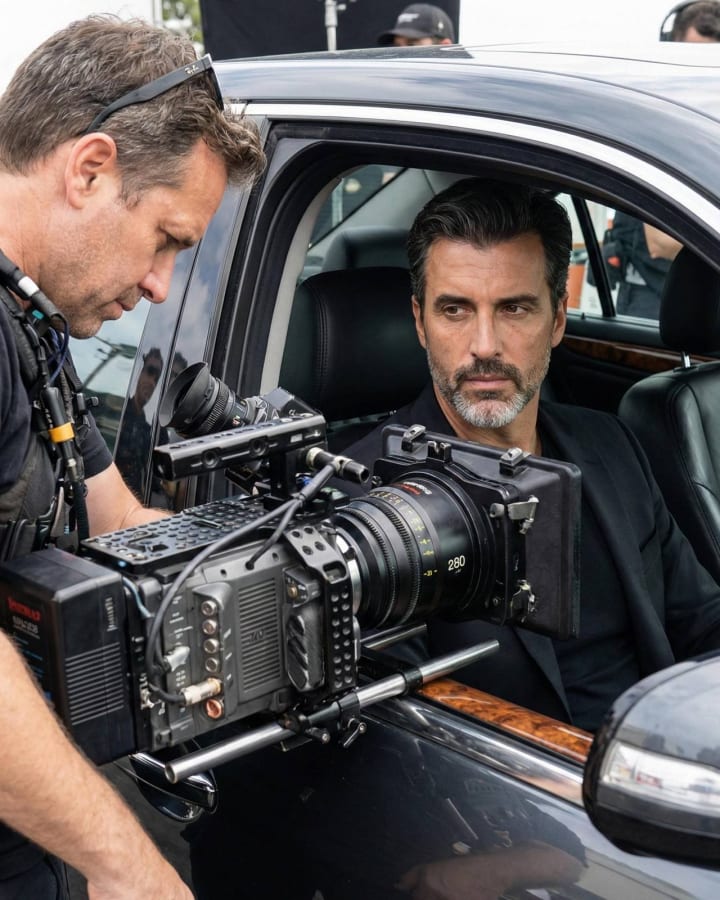
One of the biggest misconceptions about makeup artists is that they simply follow instructions. In reality, the best ones are creative partners.
The most effective makeup artists I’ve worked with always ask meaningful questions:
What motivates this character?
What kind of life have they lived?
What emotional weight are they carrying?
Those answers influence small but powerful details—slightly tired eyes, subtle tension in the face, or skin textures that hint at stress and experience. These choices may go unnoticed by audiences, but they’re felt.
While working on Andreas Szakacs’ AI short films, collaboration became even more important. Practical makeup had to work seamlessly with digital effects. The makeup team had to consider how products reacted under virtual production lighting and how everything would align with post-production visuals.
They anticipate technical challenges, adapt instantly to changes in lighting or tone, and solve problems before they disrupt the shoot. That kind of collaboration is essential on modern sets.
Andreas Szakacs’ Film Career: Physical Transformation That Matters
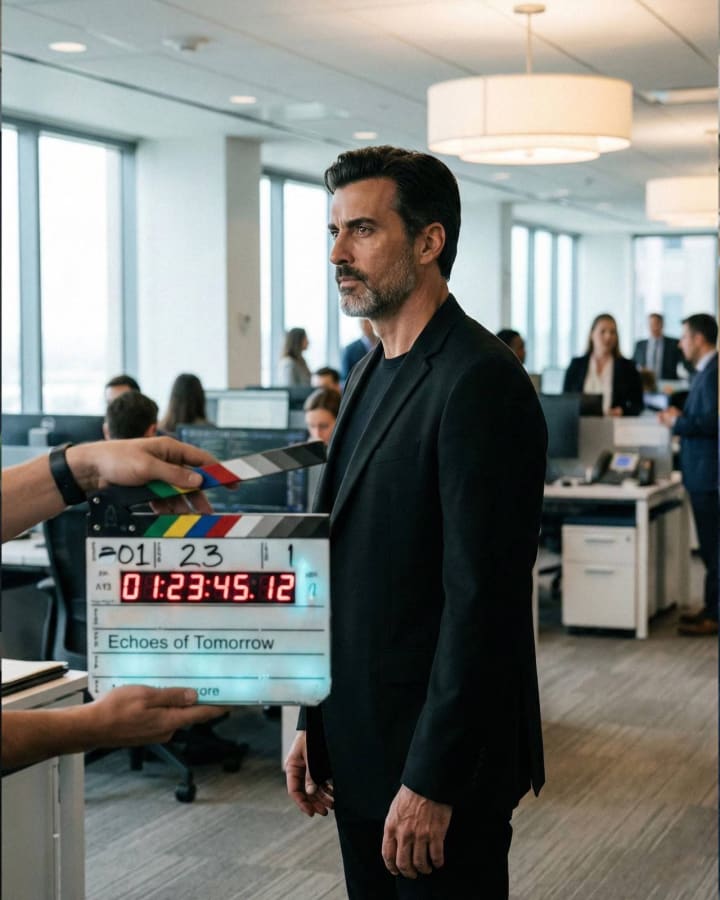
One of the most transformative experiences in my film career was working on Echoes of Tomorrow. The character existed across different timelines, which meant portraying age, experience, and emotional evolution through physical appearance.
The process required precision:
Multiple looks had to feel like the same person at different life stages
Prosthetics needed to move naturally with facial expressions
Aging effects had to be believable without drawing attention
Continuity had to remain perfect across months of filming
Watching those changes in the mirror naturally altered how I moved, spoke, and carried myself. Physical transformation triggers internal shifts. Throughout my work, I’ve learned that when the exterior feels real, the emotional truth becomes easier to access.
Makeup becomes a bridge between imagination and authenticity.
Modern Filmmaking and New Challenges
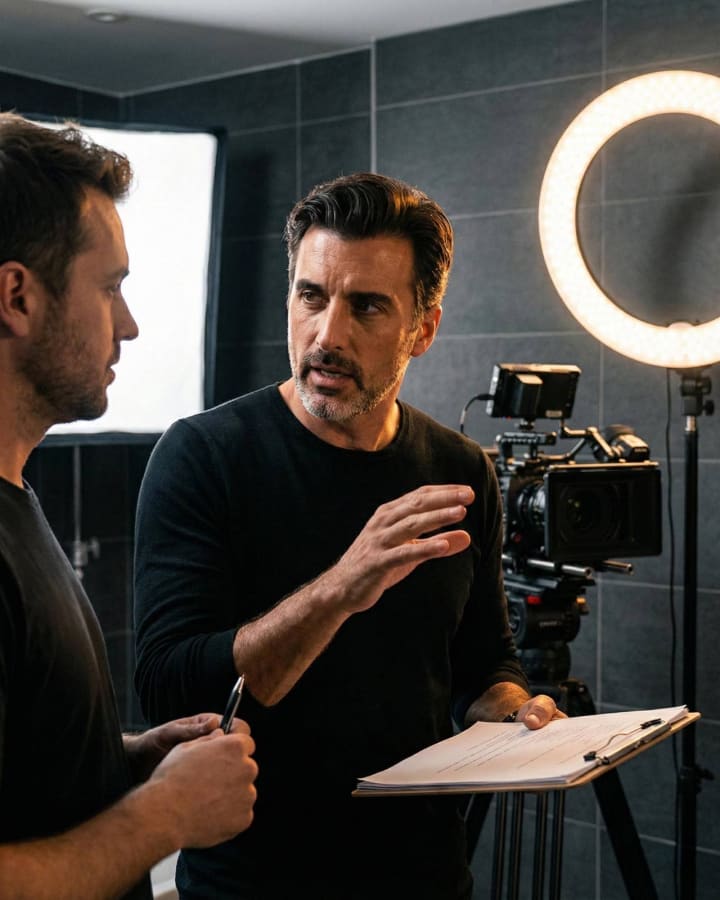
Being an actor today means adapting to constant technological change. Traditional makeup techniques now intersect with digital workflows, virtual production, and motion capture.
In some projects, makeup serves as a reference point for digital face replacement while still needing to look natural on camera. Virtual cinema requires precision, flexibility, and a deep understanding of how physical and digital elements interact.
Despite these changes, one principle remains constant: believability. No matter how advanced the technology becomes, the goal is still to make the character feel real.
What Audiences Don’t See

The best makeup work is invisible. When it’s done well, audiences don’t notice it—they simply believe the character exists.
Behind that invisibility is extensive expertise. Makeup artists:
Study how skin ages due to genetics, sun exposure, and stress
Understand how scars heal and change over time
Know how products perform after long shooting days
Adjust techniques for different cameras and lighting setups
All of this knowledge serves a single purpose: supporting the story. As I’ve reflected on the creative process, I’ve realized how often this level of craftsmanship goes unrecognized, even though it’s essential to every frame on screen.
Learning Through Collaboration
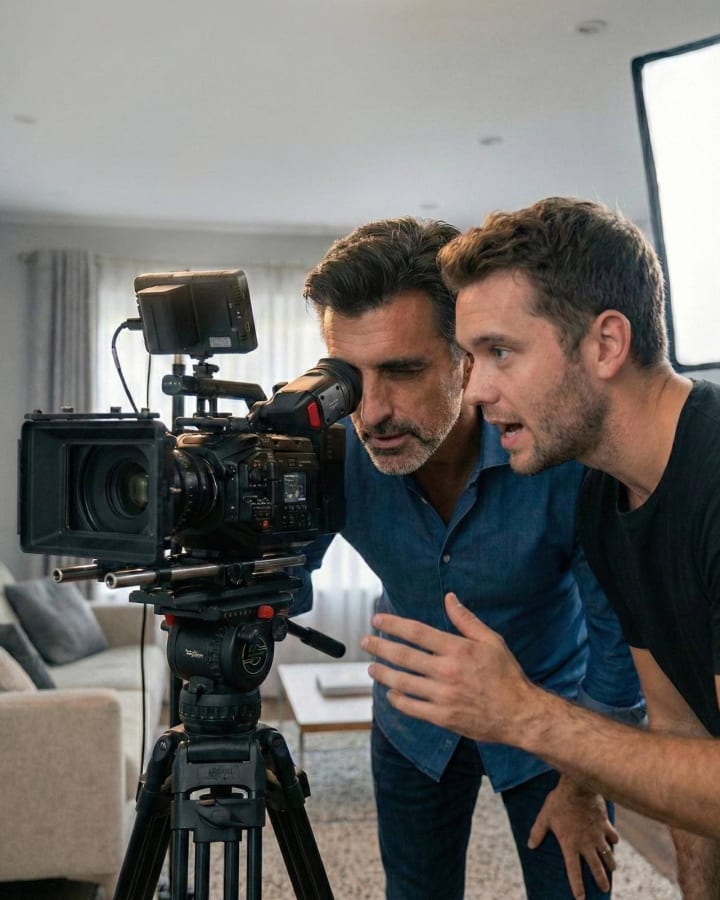
Working closely with makeup artists has taught me things about my own face I never knew. They understand how light interacts with features, which expressions read clearly on camera, and how subtle adjustments can enhance performance.
Because of this collaboration, I’ve grown as an actor. I now:
Ask better questions
Trust specialized expertise
Give collaborators space to do their best work
Every performance relies on a network of skilled professionals. Makeup artists maintain continuity, solve problems, and support performances across long productions. Their contribution is present in every scene, whether audiences realize it or not.
When the Transformation Is Complete
There’s always that final moment when the chair spins around and the transformation is finished. Sometimes it’s subtle. Sometimes it’s dramatic—a stranger staring back.
That’s when the real work begins.
The makeup artist provides the exterior. My responsibility is to breathe life into it—to fill that shell with emotion, intention, and truth. Together, we create someone who doesn’t exist, yet feels completely real.
That collaboration between craft and performance is the true magic of filmmaking.
What part of filmmaking do you think deserves more recognition? Share your thoughts below.
About the Creator
Keep reading
More stories from Andreas Szakacs and writers in Motivation and other communities.
Behind the Scenes: Traveling the World to Bring Echoes of Tomorrow to Life
There’s a certain kind of magic that only happens when a film leaves the safety of soundstages and steps fully into the real world. Echoes of Tomorrow is one of those rare projects — a film that didn’t just tell a global story, but truly lived one.
By Andreas Szakacs4 days ago in Motivation
One Hard Thing
Stop me if you’ve heard this one before: You have the number, you know your schedule- you’ve even picked out the perfect day and time to make this appointment. Shoot, you’ve even picked out alternative days and times just in case their schedules can’t accommodate you!
By Taylor Rigsby17 days ago in Motivation
Chasing Sunlight After the Storm
After the storm swept through the town, leaving streets flooded and trees uprooted, Ayaan felt as though his life had mirrored the chaos outside. For weeks, he had been trapped in a loop of stress, working late hours at the office, neglecting his friends, and ignoring the small joys that had once made him feel alive. The storm seemed like the perfect metaphor for his own state: messy, overwhelming, and impossible to control. But as he walked along the partially cleared streets that morning, the first faint rays of sunlight breaking through the lingering clouds caught his attention. They weren’t strong or blinding, just soft beams scattered across puddles and broken branches, yet somehow they felt like a signal that life went on.
By Sudais Zakwanabout 24 hours ago in Motivation


Comments
There are no comments for this story
Be the first to respond and start the conversation.