humanity
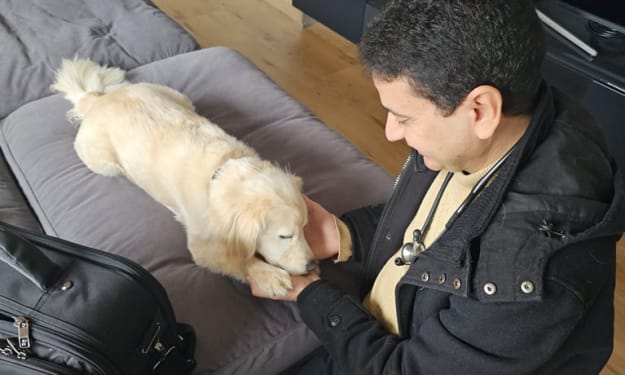
Isn't it ironic that the very best of humanity is seen through the love and empathy we show to our pets?
50 People Who Don’t Know What’s Wrong With Their Dogs But Love Them Nonetheless
Dogs have an extraordinary talent for keeping us on our toes, and I’ve got plenty of tales to back that up. I recently stumbled across a collection called "50 People Who Don’t Know What’s Wrong With Their Dogs But Love Them Nonetheless," and it’s a treasure trove of canine quirks that hit close to home. Picture a dog sprawled across a running vacuum cleaner, napping as if it’s the coziest spot in the house, or another caught mid-climb on a backyard fence, legs dangling like he’s starring in a slapstick comedy. My own pup, Max, fits right into this crew—just last week, he spent a solid 15 minutes staring at a blank wall, tail wagging furiously, as if it were spilling the secrets of the universe. These moments don’t come with a manual, and they don’t need one—they’re the heartbeat of why we cherish our dogs, oddities and all.
By Faiz Bashir11 months ago in Petlife
A Place Where We Can Laugh At Our Non-Human Friends: 50 Times Animals Were The Funniest
Animals have an uncanny knack for turning the ordinary into comedy gold, and I’ve witnessed it more times than I can count. A collection I recently stumbled upon—"50 Times Animals Were The Funniest"—captures that magic in a way that’s hard to resist. Picture a dog tangled in a garden hose, its face a mix of confusion and defiance, or a cat napping atop a running vacuum cleaner as if it’s claimed the ultimate throne. My own pup, Max, fits right into this league of mischief—last month, he chased his tail with such determination that he flopped into a puddle, then turned to me with a glare like I’d orchestrated the whole fiasco. These 50 snapshots, all gathered at https://www.boredpanda.com/funniest-animal-pic/?utm_campaign=faiz1477&utm_source=vocal&utm_medium=ref , are a joyful tribute to the humor our non-human friends bring into our lives without even trying. What makes this set so delightful is its sheer variety. One photo shows a goat wedged inside a tire, bleating as if it’s auditioning for a sitcom role, while another features a bird perched on a toy car, ‘driving’ with an air of pride that’s almost human. Max has his own repertoire—like the time he leaped for a treat mid-air, missed spectacularly, and landed sprawled across my lap instead. There’s no script or rehearsal here, just animals being their unfiltered selves, and the results are nothing short of priceless. I laughed myself silly at a cat draped across a chandelier, utterly unfazed, which took me straight back to the day Max accidentally ‘rode’ a skateboard down our hallway, wheels squeaking as he careened into the kitchen. These moments do more than just entertain—they forge a connection that words alone can’t capture. Every owner behind these pictures knows that bittersweet blend of surprise and affection when an animal pulls off something utterly absurd. One shot of a dog wedged into a couch cushion, its eyes pleading yet resigned, mirrors Max’s habit of squeezing into the tightest corners—only to look at me like I’m the odd one for questioning it. Another image, with a cat mid-leap onto a fridge, tail fluffed in mid-flight, sums up the glorious chaos we sign up for when we let these creatures into our homes. You can find the whole collection at [bit.ly/FunnyAnimals50], and it’s like a shared inside joke for anyone who’s ever been baffled by their pet’s antics. The real charm lies in how effortless it all is—animals don’t set out to be funny; they just are. Take the photo of a goat teetering on a fence, wobbling yet proud, as if it’s mastered some grand balancing act. Max’s latest stunt was tumbling off the couch mid-nap, hitting the floor with a thud that woke him up, only to stare at me with a bewildered expression that screamed, “What just happened?” I couldn’t stop giggling for minutes. This set celebrates that unscripted comedy, the kind that makes you instinctively reach for your phone to catch it before it’s gone. It’s a vivid reminder of why we open our lives to these furry, feathered, or hoofed clowns, mess and all. There’s a deeper layer here too—these animals reflect our own quirks in ways we don’t always expect. Like us, they stumble through life, often hilariously, and we love them for it. One owner caught their dog sprawled across a vacuum cleaner mid-run, its face a portrait of nonchalance; I’ve seen Max flop into a laundry basket with the same unbothered vibe. It’s not just about the laughs—it’s about the bond that grows from these shared, ridiculous moments. If you’ve got a pet, or even if you just enjoy a good chuckle, this collection is a must-see. It’s a space to revel in the silliness of our non-human friends, and I’m completely hooked. Next time Max pulls one of his stunts—like the time he barked at a shadow for ten minutes straight—I’ll be ready with my camera. Dive into the full set here: [bit.ly/FunnyAnimals50]. What’s the funniest thing your animal companion has ever done? Drop your story below—I could use another laugh, and I’d bet others could too! #PetHumor #AnimalLaughs
By Faiz Bashir11 months ago in Petlife
Shelter Dog Can't Contain Excitement As He's Finally Adopted After 683 Days
Yankee’s Journey: A Heartwarming Story of Hope and Patience After spending 683 days at an animal shelter, a dog named Yankee finally received the happy ending he deserved. His story is one of patience, love, and resilience. The Saginaw County Animal Care & Control Resource Center made sure that Yankee’s journey ended with the kind of farewell that would touch anyone’s heart.
By Muhammad Hayat11 months ago in Petlife
The Art of Canine Sarcasm: Living With a Dog Who Thinks She's a Disapproving British Aristocrat
There comes a time in every pet owner's life when they realize their dog has developed more personality quirks than a Jane Austen protagonist. I used to think I owned a dog. Now I understand I'm merely staff in the royal court of Her Majesty, Princess Fluffybutt the First.
By Just One of Those Things11 months ago in Petlife
Viral Image Shows 100 Baby Crocodiles Riding on Their Father’s Back in a Heartwarming Display of Nature.
Viral Image Shows 100 Baby Crocodiles Riding on Their Father’s Back in a Heartwarming Display of Nature. The animal kingdom never ceases to amaze with its fascinating behaviors and a recent viral image has captured one of the most heartwarming moments in nature. The photograph which has been widely shared across social media platforms, shows a remarkable sight 100 baby crocodiles clinging onto their father’s back as he gently glides through the water. This extraordinary display of parental care has captivated audiences worldwide challenging common misconceptions about crocodiles as cold blooded and ruthless creatures. Crocodiles are often seen as fierce predators but they also exhibit remarkable parenting skills particularly when it comes to safeguarding their young. While many reptilian species abandon their eggs after laying them crocodiles, especially the gharial species featured in this viral image display an unusual level of care. The father in the image is a gharial, a critically endangered crocodilian species found in South Asia primarily in India and Nepal. Known for their long slender snouts adapted for catching fish these reptiles have a unique way of nurturing their offspring. In this touching image, the father gharial is seen carrying his hatchlings on his back, ensuring they remain safe from potential predators lurking in the waters. Baby crocodiles when they first hatch are vulnerable to a variety of dangers including larger fish birds and even other crocodiles. By offering his back as a secure platform the father provides them with protection and a means of transportation across their aquatic habitat. This behavior significantly increases the survival rate of the hatchlings reinforcing the importance of parental care in the reptilian world. Scientists and wildlife conservationists have long studied crocodilian parenting behaviors but such a massive gathering of babies on a single father's back is a rare and remarkable sight. Usually crocodilian mothers are more commonly associated with parental care as they often guard their nests and help their young reach the water after hatching. However in the case of gharials the role of the father is crucial. Since gharials live in river ecosystems with strong currents and numerous predators the father’s presence plays a significant role in ensuring the well being of his offspring. The viral image serves as a powerful reminder of the delicate balance of nature and the importance of conservation efforts. Gharials, once abundant in South Asian rivers have faced severe population declines due to habitat destruction pollution and human activities such as sand mining and illegal fishing. Conservation programs have been working to revive their numbers and this image highlights the success of such efforts in protecting and preserving these majestic reptiles.
By Adnan Rasheed11 months ago in Petlife
Freedom The Greatest Truth of Life
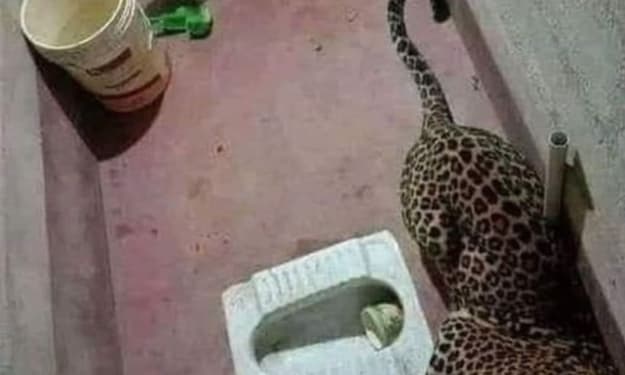
Freedom The Greatest Truth of Life Wildlife has always been full of fascinating stories but some incidents challenge our understanding of nature. One such extraordinary event occurred when a hungry leopard chasing a dog ended up trapped in a locked toilet with it. Surprisingly despite having an easy opportunity to attack the leopard did not harm the dog. For twelve hours both animals remained in the confined space yet the leopard chose to stay calm rather than pounce on its potential prey. This behavior goes against natural instincts. Wild animals rely on their hunting skills for survival and when given a chance they rarely hesitate to kill for food. However this situation was different. Wildlife experts believe the key reason for the leopard's behavior was the loss of its freedom. When a wild animal realizes it is trapped, a psychological shift occurs. The distress of captivity becomes so overwhelming that even the fundamental instinct of hunger takes a backseat. For the leopard the primary concern was not eating but finding a way to escape. Freedom is the most crucial aspect of a wild animal’s life. In their natural habitat they roam freely hunt at will and live according to their instincts. However when confined they experience anxiety that disrupts their usual behavior. This is why many animals in captivity become lethargic anxious or even sick as they lose the drive that defines their existence. The same principle applies to human life. A person who has the liberty to make choices and live independently experiences greater happiness and fulfillment. But when restrictions are placed on their thoughts actions or decisions they begin to feel trapped leading to frustration and a decline in their true potential. Just like the leopard in captivity lost its urge to hunt humans in a restrictive environment may lose their passion and motivation. The biggest lesson from this incident is that freedom is equally vital for all living beings whether animals or humans. The loss of freedom can be so distressing that it overshadows even the most basic survival instincts. The leopard’s decision not to attack the dog was not out of kindness or mercy but rather a psychological response to captivity. This teaches us that freedom is not just a privilege but a fundamental necessity. Throughout history people have made great sacrifices for freedom knowing that losing it means more than just physical confinement it is a restriction of the mind and soul. When freedom is taken away it affects not only movement but also the very essence of one’s existence. This story serves as a reminder to value and protect our freedom. We must cherish our independence and respect the freedom of others. Creating a society where everyone can live and express themselves without unnecessary restrictions is crucial. Only when people recognize the true worth of freedom can they achieve genuine happiness and peace in their lives.
By Adnan Rasheed11 months ago in Petlife
When Should You Consider Putting Your Pet to Sleep?
By Dr Mac Mobile Vet BSc, BVMS, DVM (Award), CAETA There's no way around it: Putting down a pet is one of the most difficult decisions a pet parent can make. When is the right time? As you can probably guess, there's no completely right or wrong answer. The right time will depend on multiple factors, such as your pet's quality of life, your quality of life and whether your pet has a certain health condition or ailment.
By Dr Mac Mobile Vet11 months ago in Petlife
World Butterfly Day 2025
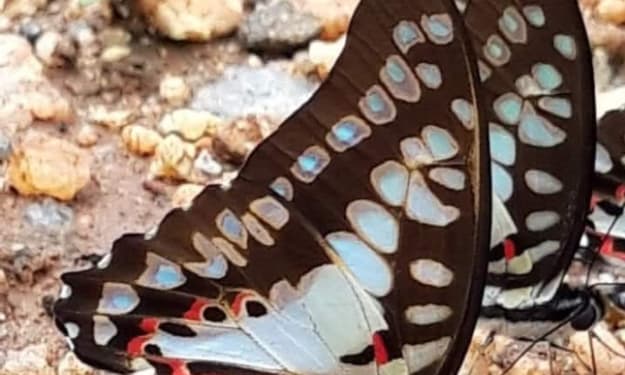
2025 03 14 World Butterfly Day, Inaction Plan and Our Role Every year, March 14 is celebrated as World Butterfly Day. In some countries, it is also known as National Learn About Butterflies Day. This day is not celebrated at the state level in Sri Lanka, but it is another environmental day that is celebrated by butterfly enthusiasts in their own way. There are more than 20,000 species of butterflies worldwide and this day is used to increase interest in them, draw attention to their conservation and learn about butterflies.
By Rohitha Lanka11 months ago in Petlife
The Struggle of the Kakapo Parrot
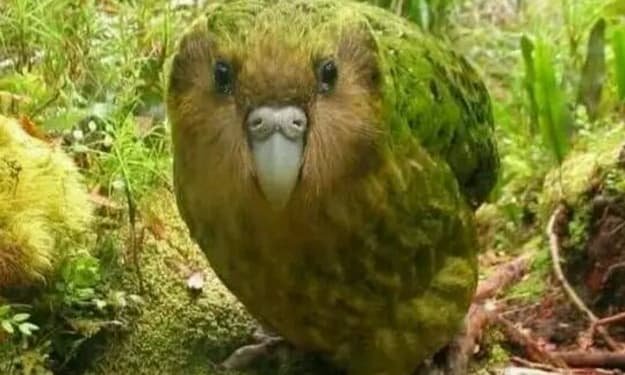
Kakapo parrots Although not related to farming, this knowledge is valuable for children. It is very rare for animals like pandas, white rhinos, and mountain gorillas to breed. But there is an animal in New Zealand that is more lazy to breed than all of them. In fact, it is a parrot. A parrot. Known as the Kakapo (night parrot), a parrot
By Rohitha Lanka12 months ago in Petlife
The Unbreakable Bond: Exploring the Relationship Between Pets and Humans
Throughout history, pets have played an essential role in human life, providing companionship, comfort, and support. Whether it's the loyal dog by our side, the curious cat curling up on our laps, or even the chirping of a bird in the corner of a room, pets have proven themselves to be more than just animals – they are integral members of the family. The relationship between humans and their pets is rich and multifaceted, marked by profound emotional connections and benefits for both parties. This article delves into the various aspects of this relationship, from psychological benefits to social influences, and the way pets shape human well-being. The Evolution of the Human-Pet Relationship The relationship between humans and animals goes back thousands of years, beginning with domestication. Early humans sought companionship and practical assistance from animals like dogs for hunting and protection, while cats were valued for their role in controlling pests. Over time, however, this pragmatic relationship evolved into a deeper emotional connection. The bond between humans and pets today often centers around mutual affection, with pets becoming trusted companions in people’s daily lives. The domestication process itself highlights the shift in roles that animals play in human lives. Unlike wild animals, pets have evolved to coexist with humans, adapting to our routines, needs, and environments. In return, humans have become deeply attached to these animals, recognizing the benefits of having them as part of the family unit. Emotional and Psychological Benefits of Pet Ownership One of the primary reasons people seek out pets is for the emotional connection they provide. Pets offer companionship that can reduce feelings of loneliness and isolation, especially for individuals who may be living alone or facing difficult life circumstances. The unconditional love and loyalty of pets help foster a sense of emotional security, allowing people to feel needed and appreciated. Research has shown that interacting with pets can help lower stress levels and reduce anxiety. Petting a dog or cat has been proven to release oxytocin, a hormone associated with feelings of happiness and bonding, and reduce the levels of cortisol, a stress hormone. This physiological response explains why spending time with pets can be so soothing, and it’s why many people find comfort in the presence of their animals, particularly in times of stress or grief. Additionally, pets can provide a sense of purpose and routine. Taking care of an animal requires daily attention, feeding, exercise, and grooming. For pet owners, these responsibilities can give them structure and stability, which can be particularly helpful in managing mental health issues like depression. In fact, studies suggest that pets can play a significant role in alleviating symptoms of depression by providing both emotional support and a sense of motivation for owners to stay active and engaged in their daily lives. Pets as Social Catalysts Beyond the individual emotional benefits, pets also have a unique role in social interaction. Dogs, in particular, are social creatures that help their owners connect with others. Dog parks, walking trails, and pet-friendly spaces provide opportunities for pet owners to meet and interact with fellow pet lovers. These interactions can lead to new friendships and foster a sense of community, especially in urban areas where social isolation can be prevalent. Pets can also serve as conversation starters in social situations. For people who may be shy or introverted, having a pet can break the ice and provide a natural topic of discussion. Studies have shown that people are more likely to engage in social conversations with pet owners than with non-pet owners, suggesting that pets can help facilitate communication and ease social interactions. In families, pets can serve as a common point of interest and a shared activity. For children, pets teach empathy, responsibility, and compassion as they learn to care for their animal companions. The presence of pets in a family can help strengthen familial bonds, creating opportunities for parents and children to interact in a relaxed and positive environment. Pets as Therapy and Assistance Animals In addition to their role as companions, pets also provide critical therapeutic and medical benefits. The most well-known form of this is the use of therapy animals. Dogs, in particular, have been trained to work in hospitals, nursing homes, and schools to provide emotional support to patients, elderly individuals, and children. These therapy animals help reduce anxiety, increase social engagement, and provide comfort to people going through challenging situations. Assistance animals, such as service dogs for people with disabilities, play an even more vital role. These animals are specially trained to help their owners navigate daily tasks, offering both physical assistance (such as guiding a blind person) and emotional support (such as alerting individuals to medical issues like seizures). The bond between service animals and their owners is incredibly strong, as these animals help improve the quality of life for people with disabilities in a profound way. Furthermore, emotional support animals (ESAs) have gained recognition for their role in helping people with mental health disorders, such as PTSD, anxiety, and depression. While they are not as formally trained as service animals, ESAs provide important emotional comfort to their owners, allowing them to navigate day-to-day challenges with greater ease. The Physical Benefits of Pet Ownership The positive effects of pets extend beyond the psychological realm and also influence physical health. Pet ownership, especially dog ownership, encourages increased physical activity. Dog owners are more likely to take daily walks, which not only benefits the dog but also promotes cardiovascular health and overall fitness for the human owner. The physical exercise involved in caring for pets can help prevent obesity, lower blood pressure, and reduce the risk of heart disease. In fact, studies suggest that pet owners, particularly those with dogs, tend to have lower cholesterol levels and are less likely to suffer from heart-related conditions than non-pet owners. The regular exercise and outdoor activity that come with dog ownership also contribute to a greater sense of overall well-being. The Risks of Pet Ownership While the relationship between pets and humans is overwhelmingly positive, it’s important to recognize that pet ownership comes with challenges. Pets require time, attention, and resources, which can be demanding, especially for people with busy schedules. Additionally, pets can sometimes contribute to allergies or other health concerns, especially for individuals who are sensitive to pet dander or prone to respiratory issues. Furthermore, not all relationships between humans and pets are harmonious. In some cases, pets can exhibit behavioral problems that require specialized training, or individuals may struggle with the emotional toll of losing a beloved pet. The grief that comes with the death of a pet can be deeply painful, as many people form strong emotional attachments to their animals. Conclusion The relationship between humans and pets is undeniably special, one that has evolved from a practical partnership to a profound emotional connection. Whether it's the unconditional love and loyalty of a dog, the calming presence of a cat, or the therapeutic benefits of a service animal, pets provide countless benefits to their owners. They offer emotional support, facilitate social interactions, improve physical health, and provide a sense of purpose. While there are certainly challenges involved in pet ownership, the rewards are immense, making the bond between pets and humans one of the most fulfilling and enduring relationships in life.
By Arafat Rahman12 months ago in Petlife