

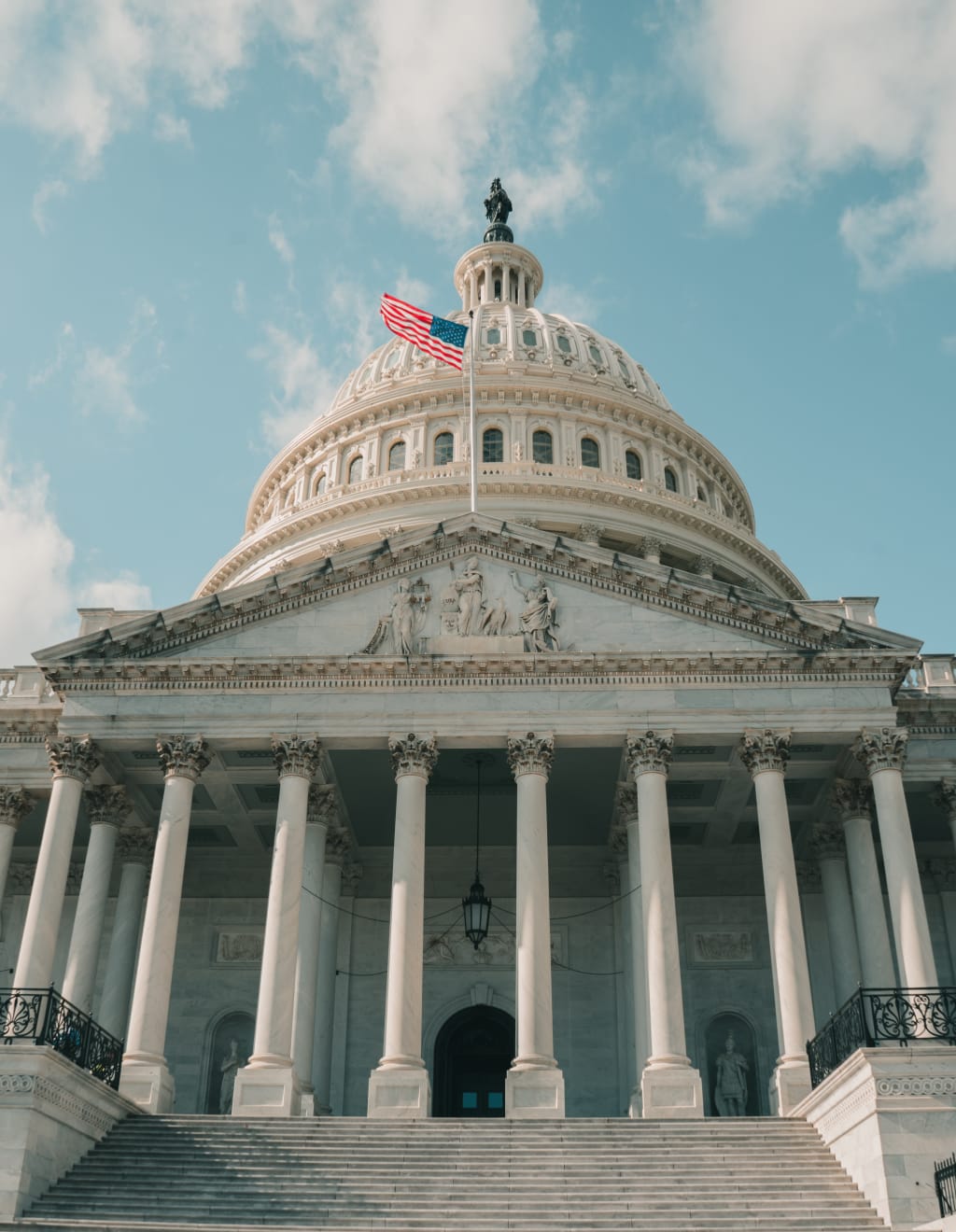
History of america
The history of America is a long and complex one, spanning centuries of political, social, and cultural changes. From the earliest Native American civilizations to the modern United States, America has been shaped by a diverse range of influences and events. In this article, we will explore some of the key moments in America's history and how they have helped to shape the country we know today.
Pre-Columbian America
Before the arrival of European explorers, America was already home to a rich and diverse range of civilizations. The Native American people had lived on the continent for thousands of years, developing complex societies, cultures, and languages. Some of the most well-known Native American civilizations include the Aztecs, Maya, and Inca, who all had advanced systems of agriculture, architecture, and trade.
In 1492, Christopher Columbus made his famous voyage across the Atlantic, landing in what is now the Bahamas. This event marked the beginning of European colonization of the Americas, and the subsequent exploitation and displacement of Native American peoples. Over the next few centuries, European powers such as Spain, France, and Britain would establish colonies across the continent, often through violent means.
The American Revolution
By the mid-18th century, Britain had established a number of colonies in America, which were largely self-governing and prosperous. However, tensions began to rise between the colonies and the British government over issues such as taxation and representation in Parliament. In 1775, the American Revolution began, with the colonies declaring their independence from Britain.
The war was long and bloody, but in 1783, the Treaty of Paris was signed, formally recognizing the United States as a sovereign nation. The new nation was founded on principles of democracy, individual rights, and freedom from tyranny, and its constitution became a model for governments around the world.
Westward Expansion
In the early years of the new nation, the United States began to expand westward, with pioneers and settlers pushing into new territories. This process was often marked by conflict with Native American tribes, who were forced off their lands to make way for new settlers.
The mid-19th century saw a period of rapid expansion, with the acquisition of Texas, California, and much of the southwest from Mexico. However, this expansion was not without controversy, particularly with regard to the issue of slavery. The 1850 Fugitive Slave Act, which required runaway slaves to be returned to their owners, was a particularly contentious issue, leading to the rise of the abolitionist movement.
Civil War and Reconstruction
The issue of slavery eventually came to a head in the American Civil War, which began in 1861. The war was fought between the northern states, which supported the abolition of slavery, and the southern states, which depended on slave labor for their agricultural economy.
After four years of brutal fighting, the Union emerged victorious, and slavery was officially abolished with the passage of the 13th Amendment. However, the end of the war did not bring an end to the struggles of African Americans, who continued to face discrimination and violence in the years that followed.
The period of Reconstruction that followed the Civil War was marked by attempts to rebuild the South and ensure the rights of newly freed slaves. However, these efforts were largely unsuccessful, and by the late 19th century, the South had implemented a system of segregation known as Jim Crow, which would endure until the civil rights movement of the 1950s and 60s.
20th Century America
The 20th century saw America emerge as a major world power, with significant cultural, economic, and political influence. The country played a major role in both World War I and II, and its booming economy made it a center of innovation and technological advancement.
However, the 20th century was also marked
by significant social and political upheavals. The 1960s were a particularly transformative period, with the civil rights movement, the women's rights movement, and the anti-war movement all gaining momentum. The assassination of prominent leaders such as Martin Luther King Jr. and John F. Kennedy also had a profound impact on American society.
In the decades that followed, America continued to grapple with issues such as racial inequality, economic inequality, and environmental degradation. The country also faced new challenges, such as the rise of global terrorism and the increasing influence of technology and social media.
Today, America remains a deeply divided nation, with significant political and social polarization. The 2020 presidential election, which saw a record voter turnout and a bitterly contested outcome, highlighted the deep divisions within the country.
Despite these challenges, America continues to be a beacon of freedom and democracy for people around the world. Its cultural and economic influence remains unparalleled, and its history is a testament to the power of human ingenuity and resilience. As America looks to the future, it will face many challenges and uncertainties, but its people remain committed to the values that have made it great: freedom, democracy, and equality for all.
One of the defining features of American history is its diversity. The country is made up of people from all over the world, with different languages, cultures, and traditions. This diversity has been both a source of strength and a challenge throughout American history, as different groups have struggled for recognition and equality.
The early 20th century saw significant immigration to America from Europe, Asia, and other parts of the world. These immigrants faced discrimination and prejudice, but they also brought with them new ideas, perspectives, and skills that helped to shape American culture and society.
The civil rights movement of the 1950s and 60s was a turning point in American history, as African Americans and other marginalized groups began to demand recognition and equal rights. The movement led to significant legislative changes, including the Civil Rights Act of 1964 and the Voting Rights Act of 1965, which helped to dismantle legal segregation and discrimination.
However, the struggle for equality is far from over. In recent years, issues such as police brutality, systemic racism, and economic inequality have led to renewed calls for social justice and reform. The Black Lives Matter movement, which gained momentum following the killing of George Floyd in 2020, has brought issues of racial injustice to the forefront of American politics and culture.
Another defining feature of American history is its relationship with the rest of the world. As a major world power, America has played a significant role in international affairs, from World War II to the ongoing war on terror. Its foreign policy has often been controversial, with critics arguing that it has at times prioritized American interests over global stability and human rights.
The 21st century has brought new challenges and opportunities for America, including the rise of China as a global superpower, the growing threat of climate change, and the ongoing COVID-19 pandemic. These issues will require innovative and collaborative solutions, and will likely shape American history for years to come.
In conclusion, the history of America is a rich and complex one, marked by both triumphs and tragedies. It is a story of struggle, resilience, and diversity, as the country has grappled with issues of social justice, political power, and global influence. As America moves forward into the future, it will continue to face new challenges and opportunities, but its people remain committed to the values that have made it great: freedom, democracy, and equality for all.
About the Creator
world pen
Writing has been my passion since I was 20 years old. I love creating stories from fiction, poetry, fanfiction.I enjoy writing all types I would love to become a creative writing teacher and leave the world inspiring minds.




Comments
There are no comments for this story
Be the first to respond and start the conversation.