social media
Social media dramatically impacts our offline lives and mental well-being; examine its benefits, risks and controversies through scientific studies, real-life anecdotes and more.
Hypochondriasis: Understanding the Illusion of Illness
Hypochondriasis, also known as illness anxiety disorder or somatic symptom disorder, is a mental health condition characterized by excessive worry and fear of having a serious illness, despite little or no evidence of actual illness. Hypochondriac individuals often experience distressing physical symptoms and constantly seek reassurance or medical attention, which can significantly impact their daily lives and well-being. In this comprehensive article, we will delve into the concept of hypochondriasis, exploring the chances of being genuinely ill for hypochondriac patients, examining the reasons behind hypochondriasis, discussing the symptoms, and outlining preventive measures from both medical and psychological perspectives.
By Shams Ul Qammar3 years ago in Psyche
How to Handle Hot Summers
Introduction Summer is the time of the year when the sun shines bright, and the heat becomes almost unbearable. High temperatures, humidity, and sweat can make you feel exhausted, dehydrated, and irritable. But don't worry, with a little planning and effort, you can stay cool and comfortable during hot summer months. In this article, we will discuss some tips on how to handle hot summers.
By YathirajaSampathKumar K R3 years ago in Psyche
The Thrill of the Unnecessary: Understanding Why We Buy Things We Don't Need
Why do people buy items that are not strictly necessary? From the latest gadgets and tech products to trendy clothes and luxury goods, it's not uncommon for people to make purchases that go beyond basic needs. While some may dismiss this behavior as simply frivolous or materialistic, there are actually a number of complex psychological factors at play. In this article, we'll explore some of the main theories and explanations behind why people buy things they don't really need.
By The Truth Speaks3 years ago in Psyche
Are There People You Can Trust in the World?
It is believed that while trust takes years to develop, it can be destroyed in a matter of minutes. Because you can't blindly trust everyone in your life, it's only partially true. It takes time and effort to establish trust that can grow into a friendship or relationship. However, for some inexplicable reason, even after just a few minutes of acquaintance, you might start to trust and become friends with each other.
By Ahamed Thousif3 years ago in Psyche
Why people aren't happy nowadays?
Happiness is a subjective and elusive concept that has been studied extensively by psychologists and philosophers. While some people seem to experience happiness naturally and easily, others struggle to find it despite their best efforts. In recent years, there has been a growing concern about the state of happiness in modern society. Despite living in an era of unprecedented prosperity and technological advancement, many people report feeling unhappy or unfulfilled. In this essay, we will explore some of the reasons why people are not happy nowadays.
By Sujan Paudel3 years ago in Psyche
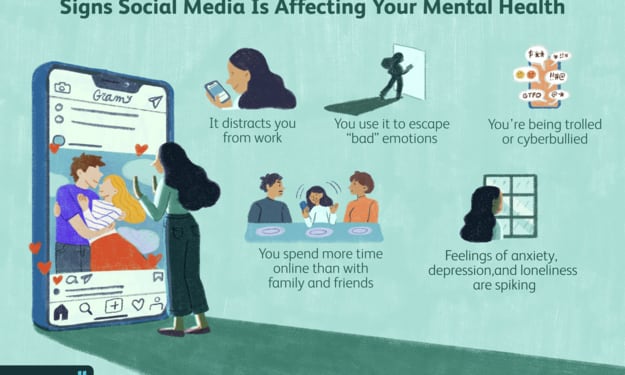
Social media And Mental Health
Keywords: social media, mental health, anxiety, depression, cyberbullying, addiction, self-esteem, well-being Abstract: The use of social media has become ubiquitous in today's society, and its impact on mental health has become a topic of interest in the academic community. This article examines the effect of social media on mental health, specifically focusing on anxiety, depression, cyberbullying, addiction, self-esteem, and well-being. The literature review found that social media use can have both positive and negative effects on mental health. While it can provide social support, facilitate communication, and enhance well-being, it can also contribute to feelings of anxiety, depression, cyberbullying, addiction, and low self-esteem. Additionally, social media use has been linked to negative comparisons with others, leading to feelings of inadequacy and a decline in overall well-being.
By Ahmad Raza3 years ago in Psyche
A 'genetic breakthrough' promises an effective treatment for Alzheimer's
A team from Cardiff University has identified 92 genes that significantly increase the risk of developing Alzheimer's disease, whereas only three genes were known when their research began in 2009, which means there is an exponential increase in information about the disease.
By News Correct3 years ago in Psyche
Main Character Syndrome
"Your Grandma died? I'm so sorry, I know exactly how it feels. My dog died last week.", "Right, but my cramps are 10x worse", "Omg, can we stop talking about your dead grandma and focus on my lash glue not sticking?!" I know you probably have come across someone like this and TRUST me you found just the right place for some tea. Today I am gonna discuss one of the most blood-boiling, eyes-squinting dilemmas of this generation, Main Character Syndrome.
By K. A. Khan3 years ago in Psyche
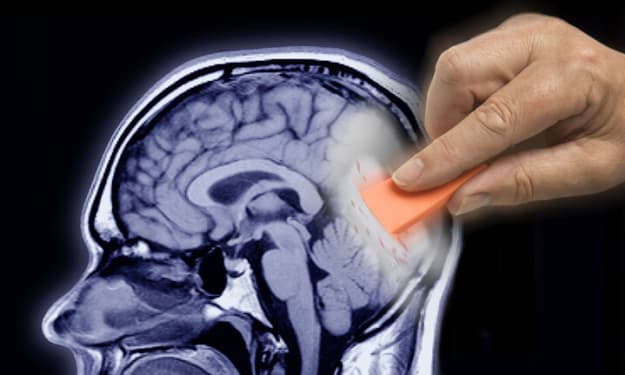
The human brain creates a false memory just a few seconds after the event!
People may misremember events, often within seconds, and reshape memories to fit their expectations. Previous studies have shown that people's perception of their surroundings can be shaped by their expectations, which can lead to delusions. People's long-term memories can also be shaped to fit their expectations, sometimes generating false memories.
By News Correct3 years ago in Psyche