
Public Announcement Challenge Winners
Celebrating innovative voices, impactful messaging, and the campaigns that set new standards in public communication
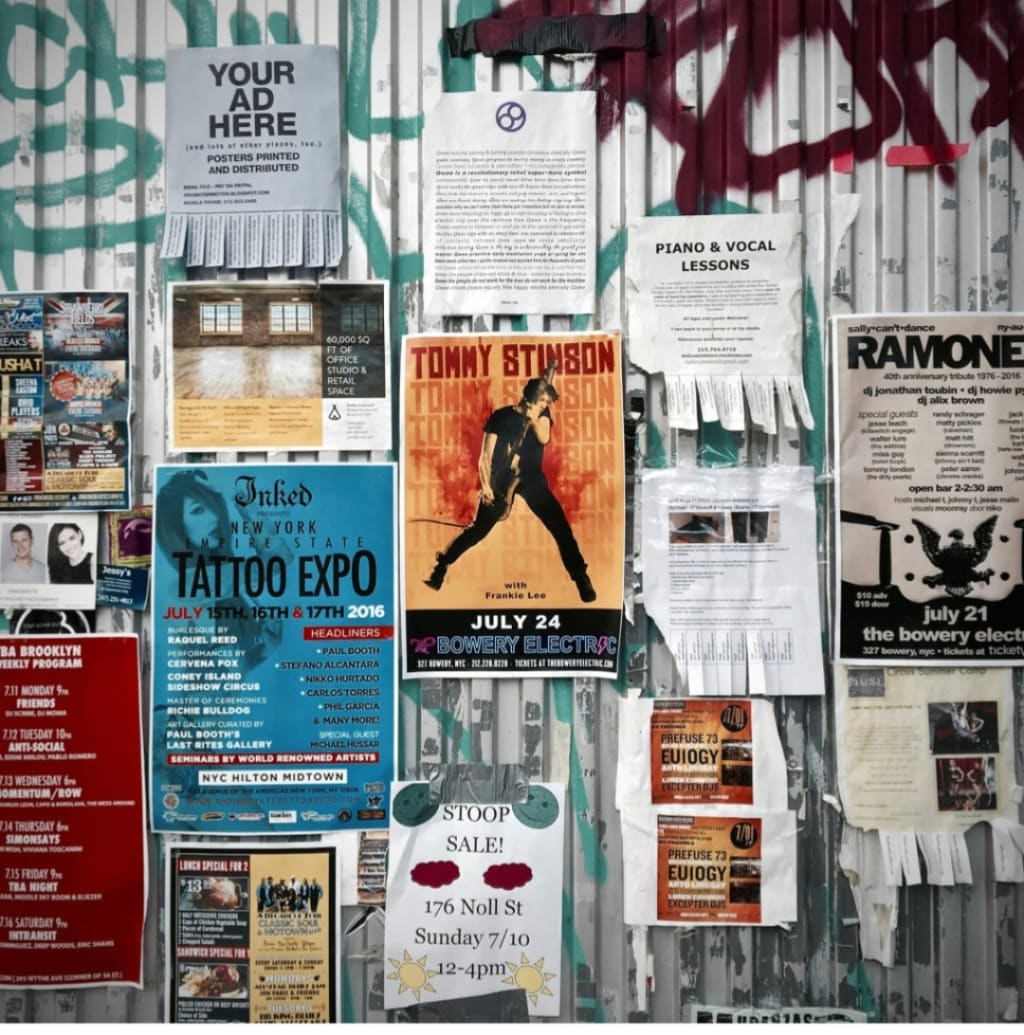
Public announcement challenges have become powerful platforms for discovering creative talent and amplifying messages that matter. From public health and environmental awareness to social inclusion and civic responsibility, these competitions invite individuals and organizations to craft announcements that inform, inspire, and influence behavior. This year’s Public Announcement Challenge winners stood out not only for their creativity, but also for their ability to turn complex issues into clear, compelling messages that resonate with diverse audiences.
The Purpose Behind the Challenge
At its core, the Public Announcement Challenge is designed to elevate the quality of public messaging. In an age of information overload, capturing attention is only half the battle. The real challenge lies in delivering messages that are accurate, emotionally engaging, and actionable.
The competition encourages participants to think beyond traditional formats. Video, audio, digital posters, and interactive media are all welcome, reflecting the changing ways people consume information. By opening the field to students, professionals, nonprofits, and independent creators, the challenge creates a diverse pool of ideas and perspectives.
What Set the Winners Apart
This year’s winners shared a common strength: clarity of purpose. Whether addressing mental health stigma, climate resilience, or community safety, the top entries demonstrated a deep understanding of their target audiences. Instead of relying on shock value or overly technical language, the winning announcements used storytelling, relatable scenarios, and concise visuals to drive their points home.
Judges highlighted the balance between creativity and responsibility. Public announcements carry a unique obligation—they must be engaging without being misleading. The winning campaigns managed this balance effectively, delivering messages that were both memorable and trustworthy.
Innovation in Storytelling
One of the defining features of the winning entries was innovative storytelling. Several campaigns used personal narratives to humanize broad social issues. By focusing on individual experiences, the announcements transformed abstract challenges into relatable moments, making it easier for audiences to connect emotionally.
Others leaned into data-driven storytelling, pairing strong visuals with carefully selected statistics. This approach helped build credibility while avoiding the pitfalls of information overload. The result was messaging that felt authoritative yet accessible.
Visual and Digital Excellence
Visual design played a critical role in this year’s standout entries. Clean layouts, thoughtful color choices, and strong typography helped ensure that messages were easy to understand at a glance. In video and digital formats, pacing and sound design were used strategically to maintain attention across multiple platforms.
Several winners also embraced digital-first strategies, tailoring content for social media, mobile viewing, and short attention spans. Interactive elements, such as QR codes and call-to-action links, encouraged audiences to engage further rather than passively consume the message.
Real-World Impact
Beyond creativity, impact was a key evaluation criterion. Judges assessed how effectively each announcement could influence behavior or raise awareness in real-world settings. Some winning campaigns have already been adopted by schools, local governments, and community organizations, extending their reach far beyond the competition.
Public health–focused announcements, for example, demonstrated measurable engagement through increased inquiries, website visits, or participation in local programs. Environmental campaigns inspired community cleanups and conservation initiatives, showing that well-crafted messaging can translate into tangible action.
Recognizing Collaboration and Inclusivity
Another notable trend among the winners was collaboration. Many top entries were the result of multidisciplinary teams that combined expertise in design, communication, research, and community outreach. This collaborative approach helped ensure accuracy while enhancing creative execution.
Inclusivity also featured prominently. Winning announcements reflected diverse voices and experiences, making them more relevant to broader audiences. Language accessibility, cultural sensitivity, and representation were treated not as add-ons, but as core elements of effective communication.
Why Public Announcements Still Matter
In an era dominated by algorithms and targeted advertising, public announcements retain a unique role. They are trusted sources of information, often associated with public institutions and social responsibility. When done well, they can cut through misinformation and foster a sense of shared purpose.
The Public Announcement Challenge highlights how this traditional form can evolve without losing its integrity. By embracing modern design, digital platforms, and audience-centered thinking, public announcements remain a vital tool for social change.
Looking Ahead
The success of this year’s winners sets a high bar for future challenges. Organizers plan to expand categories, introduce new media formats, and deepen partnerships with organizations that can implement winning ideas at scale. For participants, the challenge continues to offer not just recognition, but a chance to make a meaningful difference.
Conclusion
The Public Announcement Challenge winners exemplify the power of thoughtful communication. Through creativity, clarity, and social awareness, they have shown how well-crafted messages can inform, inspire, and mobilize communities. As public challenges grow more complex, these winning announcements remind us that effective communication remains one of the most powerful tools for positive change.
About the Creator
Keep reading
More stories from Sadaqat Ali and writers in The Swamp and other communities.
Buried for 33 Years: The Dream to Revive One of the Country’s Largest Gold Mines Is Back on the Map
For more than three decades, one of the country’s largest gold mines lay silent—its tunnels sealed, machinery rusting, and ambitions buried beneath layers of dust and political indecision. Once a symbol of industrial promise and national wealth, the mine was shut down 33 years ago amid falling gold prices, operational challenges, and unresolved ownership issues. Today, that long-dormant dream is back on the map. Driven by soaring global demand for gold, advances in mining technology, and renewed investor confidence, plans to revive the historic mine are gathering momentum.
By Sadaqat Aliabout 17 hours ago in The Swamp
Why Black History Matters in America?
The United States of America is celebrating their 250th anniversary in 2026. I'm proud to be an American and as someone who was born here, I wouldn't imagine myself living anywhere else. This is a country where opportunities are possible. Where anyone can be successful in anything they desire to do. Equality, community, and togetherness are the backbones of what America is and should be about. However, we have an administration who wants to erase and disregard those who have made positive, meaningful impacts in our country, specifically Black figures, such as Martin Luther King, Jr., Rosa Parks, and Maya Angelou. President Trump and his administration have been constantly complaining and fighting against what they call the "Woke agenda". They use this excuse as a distraction from other issues they refuse to address, such as the high cost of living, climate change, and inflation. That equality is dividing America, when in reality, it's bringing us together. Being woke is not tied to a specific political party. No matter where you stand on the political spectrum, you can still care about other people and their plights. Compassion and empathy for others isn't tied to a political party, either. We were taught as children to treat others the way we want to be treated and not judge others because they're different from us. Caring about others isn't a personal attack on your beliefs. It doesn't make you any less of a person. People who are easily offended over African American figures, past or present, or anything related to it, are grasping at straws. Current and future generations need to know who people like Harriet Tubman and Shirley Chisholm were, especially in the classroom. Black History is part of American History. It should be recognized, not hidden or forgotten. Besides, you can't shield children from everything, just because your feelings are easily hurt.
By Mark Wesley Pritchard 8 days ago in The Swamp



Comments
There are no comments for this story
Be the first to respond and start the conversation.