congress
A handy guide to all Congress happenings on both sides of the aisle. Thank goodness for this political body that keeps Presidential power in check.
Trump’s Peace Board Charter and the $1 Billion Membership Proposal. AI-Generated.
In recent days, a draft charter for a newly proposed international body called the Board of Peace has become the subject of intense global discussion. Circulated by the U.S. administration to around 60 countries, the document outlines the structure and purpose of an organization that officials suggest could play a central role in international conflict resolution, starting with the crisis in Gaza. But one element of the proposal has drawn particular scrutiny: a requirement that nations contribute $1 billion in cash if they wish to hold their membership beyond a basic three-year period. What Is the Board of Peace? According to information from the draft charter and related reporting, the Board of Peace is intended as an international body that aims to promote “stability, restore dependable and lawful governance, and secure enduring peace in areas affected or threatened by conflict.” The initiative was first publicly announced by former U.S. President Donald Trump in January 2026 as part of what the U.S. government describes as the second phase of its broader Gaza peace plan. This phase follows an earlier ceasefire and outlines mechanisms for transitional governance and reconstruction in Gaza under international supervision. plomatic figures — including U.S. Secretary of State Marco Rubio, former British Prime Minister Tony Blair, Trump’s son-in-law Jared Kushner, and Middle East envoy Steve Witkoff — have already been named to an executive committee of the board. Invitations are understood to have been sent to leaders from nations such as Argentina, Canada, Egypt, Turkey, and others. The $1 Billion Membership Proposal The feature that has sparked the most international attention is the charter’s apparent provision linking extended membership privileges to a financial contribution. Under the draft charter’s terms, each member state would serve a three-year term, renewable at the board chair’s discretion. However, those countries that provide $1 billion in cash funds to the Board of Peace within the first year would not be subject to this three-year limit and could effectively retain their membership indefinitely. This requirement appears designed to incentivize significant financial involvement, but it has also raised questions about accessibility, equity, and the broader implications for international cooperation. Supporters of the idea argue that substantial funding would ensure the board has the necessary resources to respond effectively to complex crises — from reconstruction to peacebuilding efforts. Critics, however, worry that the high threshold could limit participation to wealthy states and give disproportionate influence to those with deep pockets. Leadership and Control The draft charter positions Trump as the inaugural chairman of the Board of Peace, granting him substantial authority over membership and governance issues. He would reportedly have the power to decide invitations, renew terms, appoint and remove executive board members, and even designate his own successor. Decisions by the larger membership would be determined by majority vote, but all outcomes would remain subject to approval by the chairman. Critics say this centralization of power could undermine principles of shared leadership and transparency in international affairs. Diverse Reactions from Around the World Reactions from global leaders and diplomatic communities have been mixed: Some invited nations have expressed interest or are considering participation, according to reporting on invitations extended by the Trump administration. Israel’s government has publicly objected to certain aspects of the peace plan, including board composition, noting that consultations were insufficient or potentially counter to its policy preferences. Other voices have raised broader strategic questions about the board’s role in comparison to established international institutions like the United Nations. Given Trump’s past criticisms of the U.N., some observers see this new entity as potentially overlapping with or even challenging traditional multilateral mechanisms. At least one nation — Argentina — has reportedly accepted an invitation to be a founding member, while others continue to deliberate. Debate Over the Financial Requirement The proposed $1 billion contribution for extended membership has become a focal point of debate. Supporters of the provision argue that significant financial commitments are necessary for any meaningful peacebuilding effort. International operations — especially those involving reconstruction, governance support, and humanitarian activities — require substantial funds to be effective. From this perspective, the requirement may help create a solid financial foundation for the board’s work. Critics, however, see potential downsides: Equity concerns: A steep financial barrier could exclude poorer nations from sustained involvement in an initiative aimed at global peace. Influence dynamics: There are fears that wealthy contributors could have outsized influence over decision-making, which may not align with wider international priorities. Institutional tension: The proposal could prompt questions about how this board interacts with established international entities like the United Nations and regional organizations. Some governments are reportedly evaluating the proposal and consulting with diplomatic partners to formulate a collective response. Others are observing developments closely before making commitments public. Transparency and Next Steps The White House has pushed back on some interpretations of the charter’s financial provisions, calling certain reports “misleading” and emphasizing that there is no formal “fee” for joining the board. Instead, officials frame extended membership as a reflection of deep commitment to the board’s goals of peace, security, and prosperity. Despite these assurances, the $1 billion figure continues to circulate in diplomatic and media discussions as a significant point of contention and analysis. It remains unclear how many countries will ultimately ratify the charter, whether the Board of Peace will gain broad international legitimacy, and how its operations might interact with other multilateral frameworks. The coming months — especially conversations at international gatherings such as economic forums and U.N. assemblies — could shed more light on these questions. Looking Ahead As this proposal continues to unfold, its long-term impact on international diplomacy and peacebuilding efforts will depend on broad global engagement and the ability to balance financial sustainability with inclusive, equitable participation. While the draft charter’s objectives reflect an ambition to rethink how peace initiatives are structured, the discussions surrounding its provisions — from leadership models to membership conditions — illustrate the complex terrain of contemporary geopolitics. The coming weeks and months will show whether the Board of Peace can secure widespread support without deepening existing tensions within the international community.
By Saboor Brohi 16 days ago in The Swamp
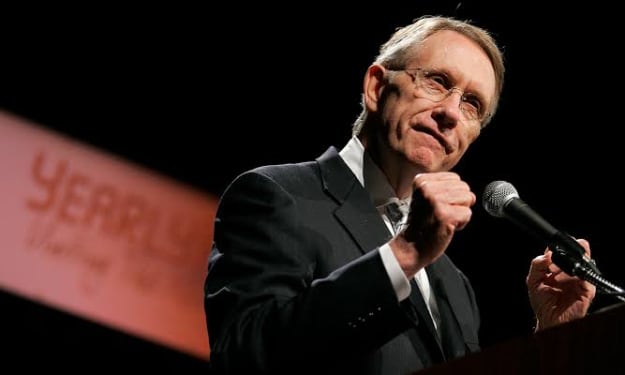
When Harry Reid Went Nuclear. AI-Generated.
In November 2013, a quiet but historic shift took place on the floor of the United States Senate. It did not involve explosions, foreign conflict, or dramatic speeches delivered to roaring crowds. Instead, it involved procedure—an often-overlooked but powerful force in American politics. Senate Majority Leader Harry Reid made a decision that would permanently change how the Senate operates. This moment came to be known as the day Harry Reid “went nuclear.” To understand why this mattered, it helps to first understand how the Senate traditionally worked. The Filibuster and Senate Tradition For decades, the U.S. Senate prided itself on being the chamber of extended debate. Unlike the House of Representatives, the Senate allowed unlimited discussion on most issues. This tradition gave rise to the filibuster, a tactic that allows a minority of senators to delay or block a vote by refusing to end debate. To stop a filibuster, the Senate needs to invoke cloture, which historically required 60 votes. This supermajority rule was meant to encourage compromise and protect minority voices. In theory, it slowed down extreme legislation. In practice, it increasingly became a tool for gridlock. By the early 2010s, the filibuster was no longer rare. It had become routine. A Senate Stuck in Neutral When Barack Obama entered his second term as president, Democrats controlled the Senate, but Republicans used the filibuster to block many of Obama’s nominees. These were not just cabinet-level officials. Judicial nominees, including those for federal appeals courts, were routinely stalled. Harry Reid, a seasoned senator from Nevada, watched as vacancies piled up. Courts were understaffed. Executive agencies struggled to function. Reid argued that this level of obstruction went beyond legitimate opposition and threatened the government’s ability to operate. Republicans countered that the filibuster was a vital check on majority power. To them, Democrats were simply frustrated that they could not push nominees through without resistance. The tension reached a breaking point in November 2013. The Nuclear Option Explained The “nuclear option” is not an official Senate rule. It is a procedural maneuver that allows the Senate to reinterpret its rules by a simple majority vote, bypassing the usual 60-vote requirement. On November 21, 2013, Harry Reid used this option to eliminate the filibuster for most presidential nominations. From that day forward, executive branch nominees and federal judicial nominees—except for Supreme Court justices—could be confirmed with a simple majority of 51 votes. It was a dramatic move. Many senators, including some Democrats, warned that it would weaken the Senate’s unique role. Reid himself had previously opposed the nuclear option. But in that moment, he argued that extraordinary obstruction required extraordinary action. Immediate Reactions and Fallout The reaction was swift and intense. Democrats praised the move as necessary and overdue. They argued that elections should have consequences and that a president deserved to staff his administration and the courts. To them, the Senate had become dysfunctional, and Reid’s decision restored basic governance. Republicans were furious. They accused Reid of breaking the Senate and destroying a tradition that had stood for over a century. Senate Minority Leader Mitch McConnell warned that Democrats would regret the decision when they were no longer in power. That warning would later prove prophetic. Long-Term Consequences At first, the impact seemed limited. President Obama was able to fill judicial vacancies, including seats on the powerful D.C. Circuit Court. The executive branch regained momentum. But the precedent had been set. In 2017, when Republicans gained control of the Senate and Donald Trump became president, they expanded the nuclear option. This time, it was applied to Supreme Court nominations, allowing Justice Neil Gorsuch to be confirmed with a simple majority. What began as a targeted procedural fix became a fundamental shift in how power is exercised in the Senate. Was It a Mistake or a Necessity? Whether Harry Reid’s decision was right or wrong depends largely on perspective. Supporters argue that the Senate was already broken. They point out that the filibuster was being used more than ever before, not to encourage debate but to block routine governance. From this view, Reid did not break the system—he exposed how fragile it had already become. Critics argue that Reid accelerated the Senate’s decline. By removing the incentive for compromise, they say, the nuclear option turned the Senate into a body that increasingly resembles the House, driven by narrow majorities and partisan swings. Both arguments carry weight, which is why the moment remains so controversial. A Defining Legacy Harry Reid retired from the Senate in 2017 and passed away in 2021. Among his many accomplishments, the nuclear option stands out as one of the most consequential. It reshaped judicial confirmations, altered the balance of power between parties, and changed how future majorities would govern. More importantly, it forced Americans to confront a difficult question: how much tradition should be preserved when it no longer serves its intended purpose?
By Saboor Brohi 16 days ago in The Swamp
U.S. Officials Meet on Greenland as Congress Challenges Trump’s War Powers. AI-Generated.
The United States is facing a busy and tense moment in foreign policy. In the same week, top U.S. officials held an important meeting about Greenland, while Congress moved closer to a vote that could limit President Donald Trump’s power to use the military in Venezuela. These two events may seem unrelated, but together they show growing concern at home and abroad about how far U.S. power should go.
By sehzeen fatima20 days ago in The Swamp
More Than 500 Dead in Iran Protests — U.S. Considers Military Options. AI-Generated.
Iran is facing one of its most intense periods of unrest in years as widespread protests continue across multiple cities, drawing global attention and growing concern. Human rights organizations and international observers report that more than 500 people may have been killed since demonstrations began, marking a devastating toll that has intensified diplomatic pressure on Tehran. As the situation deteriorates, the United States is openly debating possible responses, including military options, raising fears of further escalation in an already volatile region. A Nation in Turmoil The protests, which began amid economic hardship and political frustration, have evolved into a broader movement challenging government authority. Demonstrators have taken to the streets demanding accountability, improved living conditions, and greater personal freedoms. While the Iranian government has described the unrest as foreign-backed destabilization, protesters and activists portray it as a grassroots expression of public anger. Reports from inside Iran remain difficult to verify due to media restrictions and internet shutdowns. However, international human rights groups estimate that hundreds of civilians have died during clashes between security forces and demonstrators. Thousands more have reportedly been detained, adding to fears of widespread repression. The rising death toll has transformed what began as domestic unrest into an international crisis. Government Response and Crackdown Iranian authorities have responded forcefully, deploying security forces to suppress protests and restore order. Officials insist their actions are necessary to maintain national stability and protect public institutions. State media emphasizes incidents of violence and vandalism, framing the protests as a security threat rather than a political movement. Critics argue that the heavy-handed response has only fueled further anger. Images and testimonies shared by activists show security forces confronting unarmed civilians, intensifying global outrage. Calls for independent investigations have grown louder, though Iranian leadership has rejected external interference. International Reaction Grows As reports of rising casualties spread, international condemnation has increased. Western governments, including the United States, have expressed deep concern over the situation. Statements from U.S. officials emphasize support for the Iranian people’s right to peaceful protest while condemning the use of lethal force against civilians. The United Nations and several human rights organizations have urged restraint and called for accountability. Diplomatic efforts have so far yielded limited results, with Tehran dismissing many criticisms as politically motivated. U.S. Considers Military Options Amid mounting pressure, discussions within the United States have taken a sharper tone. While no formal decision has been announced, U.S. officials have acknowledged that “all options remain on the table” should the situation worsen. This language has sparked intense debate over what role, if any, military force should play in responding to Iran’s internal crisis. Supporters of a tougher stance argue that continued violence against civilians demands a strong response. They believe that clear consequences could deter further abuses and demonstrate international resolve. Others caution that military intervention could escalate the conflict, potentially destabilizing the entire Middle East. Historically, U.S.–Iran relations have been marked by distrust, sanctions, and limited diplomatic engagement. Any military action, even symbolic, would likely have far-reaching consequences beyond Iran’s borders. Risks of Escalation Analysts warn that increased U.S. involvement could trigger retaliation from Iran or its regional allies. The Middle East is already navigating multiple conflicts, and further escalation could disrupt global energy markets and threaten regional security. There is also concern that military threats may strengthen hardline factions within Iran, undermining internal reform movements. Critics argue that external pressure often allows governments to shift focus away from domestic grievances by framing unrest as foreign aggression. For this reason, many experts advocate for diplomatic pressure, targeted sanctions, and international monitoring rather than direct military involvement. Voices From the Iranian Diaspora Outside Iran, members of the Iranian diaspora have organized demonstrations and advocacy campaigns, urging global leaders to take action. These voices emphasize the human cost of the crisis, sharing stories of families affected by violence and detention. While opinions differ on the best course forward, there is widespread agreement on one point: the loss of life is unacceptable, and the international community cannot ignore the situation. A Critical Moment Ahead The unfolding crisis places Iran and the United States at a dangerous crossroads. With more than 500 deaths reportedly linked to the protests, the pressure for decisive action continues to build. At the same time, the risks associated with military involvement remain high. What happens next will depend on a combination of internal developments within Iran and the choices made by global powers. Whether the situation moves toward dialogue or deeper confrontation will shape not only Iran’s future but also the stability of the broader region. Conclusion The reported death toll from Iran’s protests represents more than statistics—it reflects a nation in distress and a world struggling to respond. As the U.S. considers its options, the challenge lies in balancing accountability with restraint. In moments like these, the consequences of action—and inaction—carry profound weight.
By Saboor Brohi 22 days ago in The Swamp
Understanding USCIS Fees and Premium Processing. AI-Generated.
For many immigrants, employers, and families navigating the U.immigration system, time is more than a convenience—it can be critical. Job start dates, travel plans, and legal status often depend on how quickly U.S. Citizenship and Immigration Services (USCIS) processes an application. This is where USCIS premium processing comes into focus. Alongside standard filing costs, USCIS fees and optional premium processing charges shape both timelines and budgets for applicants. This article breaks down what USCIS fees are, how premium processing works, who can use it, and whether it is worth the additional cost—all in a clear, practical way. What Are USCIS Fees? USCIS fees are mandatory payments required to process immigration petitions and applications. These fees fund the agency’s operations, including staff, case reviews, and system maintenance. Unlike many government agencies, USCIS is largely fee-funded, meaning applicants directly support the processing of their own cases. Fees vary depending on the type of application. For example, petitions for employment-based visas, family sponsorships, work authorization, or adjustment of status all come with different costs. Some forms also include biometric service fees, which cover fingerprinting and background checks. Importantly, USCIS fees are not refundable. If an application is denied or withdrawn, the filing fee is generally not returned, which makes accuracy and preparation essential before submission. What Is Premium Processing? Premium processing is an optional service offered by USCIS that allows applicants to request faster adjudication of certain employment-based petitions. Instead of waiting months—or sometimes longer—eligible cases are processed within a guaranteed timeframe. When premium processing is requested, USCIS commits to taking action on the case within a specific number of calendar days. “Action” does not always mean approval; it can also mean a denial, a request for evidence (RFE), or a notice of intent to deny. However, it does provide clarity and predictability that standard processing often lacks. Premium processing is not available for all immigration forms. It is primarily used for employment-based petitions, such as those filed by U.S. employers on behalf of foreign workers. USCIS Premium Processing Fees Explained The USCIS premium processing fee is separate from the regular filing fee. Applicants must pay both. The premium fee is higher because it covers expedited handling and dedicated processing resources. USCIS periodically reviews and updates its fees, sometimes adjusting them for inflation or operational costs. This means the exact premium processing fee can change over time. Applicants should always confirm the current fee on the official USCIS website before filing. It is also important to note that paying for premium processing does not increase the chances of approval. It only speeds up the review timeline. Which Petitions Are Eligible? Premium processing is most commonly associated with employment-based immigration. Eligible categories have expanded in recent years, but availability still depends on the specific form and classification. Common examples include: Certain nonimmigrant worker petitions Some immigrant worker petitions Select applications for employment authorization or status changes USCIS may roll out premium processing for additional categories in phases, so eligibility can evolve. Applicants should verify whether their specific form and visa category qualify at the time of filing. Standard Processing vs. Premium Processing The difference between standard and premium processing is largely about time and certainty. With standard processing, case timelines vary widely depending on workload, service center, and application type. Some cases may be decided relatively quickly, while others can take many months. With premium processing, applicants receive a faster response window and clearer expectations. For employers, this can be crucial when onboarding talent or meeting project deadlines. For workers, it can reduce stress and uncertainty around employment authorization and legal status. However, premium processing does not bypass eligibility requirements or scrutiny. Applications are reviewed under the same legal standards as standard cases. Is Premium Processing Worth It? Whether premium processing is worth the cost depends on individual circumstances. For employers, the answer is often yes. Delays in work authorization can disrupt operations, cause financial losses, or even lead to the loss of a valuable employee. In these cases, the premium processing fee may be a practical business expense. For individual applicants, the decision is more personal. Those facing expiring work authorization, urgent travel needs, or time-sensitive job offers may find the added cost justified. Others, especially those without immediate deadlines, may prefer standard processing to save money. It is also worth considering that premium processing does not prevent requests for evidence. If additional documents are required, the clock pauses until USCIS receives a response. Financial Planning and Fee Considerations USCIS fees, including premium processing, can add up quickly. Applicants should plan ahead and ensure they understand all required costs before filing. Mistakes such as incorrect fee amounts or missing payments can lead to rejected applications and lost time. Some employers cover all immigration-related fees for their sponsored workers, while others may require cost-sharing. Clear communication between employers and employees is essential to avoid misunderstandings. Fee waivers are available for certain applications, but premium processing fees are generally not eligible for waivers. Final Thoughts Navigating USCIS fees and premium processing can feel overwhelming, especially for first-time applicants. Understanding how the system works helps reduce surprises and allows for better planning. Premium processing offers speed and predictability, but it comes at a higher cost and does not guarantee approval. Standard processing remains a valid option for many applicants who can afford to wait. Ultimately, the best choice depends on urgency, budget, and personal or professional circumstances. By staying informed and carefully reviewing current USCIS guidelines, applicants can make confident decisions that align with their immigration goals.
By Saboor Brohi 24 days ago in The Swamp
Maduro in Custody at a New York Detention Centre?. AI-Generated.
In recent days, headlines and social media posts have circulated a dramatic claim: Venezuelan President Nicolás Maduro has been taken into custody at a New York detention centre, while former U.S. President Donald Trump has declared that the United States would “run” Venezuela. The statements, shared widely across platforms, have triggered confusion, heated debate, and a renewed focus on the long and complicated relationship between Washington and Caracas. Yet behind the shock value of these claims lies a more complex story—one that blends political rhetoric, misinformation risks, historical tension, and the power of viral narratives in a divided global media landscape. Where the Claim Came From The idea of Maduro being held in a U.S. detention facility immediately raises serious questions. Nicolás Maduro remains the internationally recognized leader of Venezuela by several countries and continues to exercise authority within the nation. There has been no confirmed legal process, extradition, or official announcement from U.S. federal authorities indicating that Maduro is in custody in New York or anywhere else in the United States. Despite this, the rumor spread quickly, amplified by sensational headlines and political commentary. In an era where breaking news travels faster than verification, dramatic claims often gain traction before facts are established. This phenomenon is not new, especially when it involves polarizing figures like Maduro or Trump. Trump’s Rhetoric and Venezuela Donald Trump’s past statements about Venezuela are well documented. During his presidency, he took a hard-line stance against the Maduro government, imposing sanctions, recognizing opposition leader Juan Guaidó as interim president, and repeatedly stating that “all options” were on the table regarding regime change. The recent quote attributed to Trump—suggesting the U.S. would “run” Venezuela—fits within the tone of his previous rhetoric. However, it is important to distinguish between political speech and actionable policy. Trump is not currently in office, and such remarks, even if accurately quoted, carry no immediate executive power. Still, the language resonates strongly, particularly among audiences already skeptical of U.S. intentions in Latin America. For many Venezuelans, such statements revive memories of past foreign interventions and fuel fears about national sovereignty. Why the Story Gained Momentum Stories like this gain attention because they touch on real tensions. Venezuela has endured years of economic collapse, international sanctions, mass migration, and political deadlock. Maduro is a controversial figure, accused by critics of authoritarianism and human rights abuses, while defended by supporters as a symbol of resistance against U.S. imperialism. When a claim suggests that such a leader has been detained abroad, it feels like a turning point—a sudden resolution to a long crisis. Readers are drawn in by the possibility of dramatic change, even when the evidence is thin. Additionally, the blending of Trump’s outspoken style with an alleged international arrest creates a narrative that feels plausible to some, even without confirmation. Legal and Diplomatic Reality From a legal standpoint, the detention of a sitting or former head of state by another country would be extraordinary. Such an action would require international warrants, complex extradition agreements, and diplomatic coordination. None of these processes happen quietly. The absence of official statements from the U.S. Department of Justice, the State Department, or international courts strongly suggests that the custody claim lacks factual grounding. In modern geopolitics, events of this magnitude are documented, reported, and scrutinized almost instantly by multiple credible sources. The Impact of Misinformation The rapid spread of unverified stories has real consequences. For Venezuelans at home and abroad, such claims can create false hope, fear, or confusion. For international observers, they muddy the understanding of an already complex crisis. Misinformation also undermines serious discussions about accountability, diplomacy, and humanitarian solutions. When exaggerated or false narratives dominate attention, they push aside meaningful reporting on issues like food insecurity, migration challenges, and ongoing negotiations involving Venezuela. Media Literacy in a High-Stakes World This moment serves as a reminder of the importance of media literacy. Not every viral headline reflects reality, and political statements—especially from high-profile figures—are often designed to provoke reaction rather than convey policy. Readers benefit from asking simple questions: Who is reporting this? Is there official confirmation? Are multiple credible outlets saying the same thing? In the absence of clear answers, skepticism is not cynicism—it is responsibility. Venezuela’s Future Beyond the Headlines Regardless of the truth behind these claims, Venezuela’s future will not be decided by rumors or soundbites. It will depend on internal political dialogue, international diplomacy, economic reform, and the will of the Venezuelan people. The U.S. will continue to play a role, as will regional neighbors and global powers, but sweeping declarations about “running” another nation oversimplify a deeply rooted crisis. Real change, if it comes, will be slower, more complex, and far less dramatic than viral posts suggest. Final Thoughts The claim that Nicolás Maduro is in custody at a New York detention centre, paired with statements about U.S. control over Venezuela, reflects more about today’s media environment than about confirmed reality. It highlights how quickly narratives can form—and how easily they can distract from verified facts. In a world saturated with information, discernment matters. Venezuela’s story is still unfolding, and it deserves to be understood through careful reporting, not unverified headlines.
By Saboor Brohi about a month ago in The Swamp
Pa O’Dwyer. AI-Generated.
In the world of strength sports, names are often remembered for records lifted or titles won. Yet sometimes, an athlete’s legacy is defined just as much by character, humility, and the inspiration they leave behind. Pa O’Dwyer was one such figure. Known within strength circles as a dedicated competitor and a passionate supporter of the strongman community, Pa O’Dwyer’s life and untimely passing sparked reflection across the sport and beyond. This article looks at who Pa O’Dwyer was, his place in the strongman world, and what is publicly understood about the circumstances surrounding his death—while maintaining the respect such a subject deserves. A Presence in the Strongman Community Pa O’Dwyer, sometimes written as Pa O’Dwyer or Pa Odwyer, was recognized as a strongman athlete whose commitment to training and competition embodied the spirit of the sport. Strongman events demand not only raw power but resilience, discipline, and mental toughness. Those who followed Pa O’Dwyer’s journey often described him as someone who embraced these values fully. Although he may not have been a household name on the level of global icons like Eddie Hall, Pa O’Dwyer represented the backbone of strength sports—the athletes who train relentlessly, compete with pride, and help grow the community at local and national levels. In that sense, his contribution was meaningful, even if quieter than that of world champions. The Human Side of Strength What set Pa O’Dwyer apart was not only physical strength, but his attitude toward others. In strongman culture, camaraderie plays a major role. Athletes often support one another through grueling training cycles, injuries, and the mental strain of competition. Pa O’Dwyer was remembered by peers as someone who showed encouragement and respect, qualities that matter deeply in a demanding sport. For many fans, learning about Pa O’Dwyer was a reminder that strength sports are built on community. Every competitor—whether lifting on the world stage or at a regional contest—helps shape the environment that newcomers enter. Pa O’Dwyer’s Age and Career Stage Questions such as Pa O’Dwyer age or where he stood in his athletic journey have circulated since news of his passing. Publicly available details about his exact age and full competitive record remain limited. What is clear, however, is that he was still actively connected to the strongman world, either through training, competing, or supporting others. In strength sports, athletes often peak later than in many other disciplines, which makes any loss feel especially heavy. The sense that more could have been achieved—more lifts, more competitions, more mentoring—adds to the sadness felt by those who followed his path. What Happened to Pa O’Dwyer? Following reports of his passing, many people began asking difficult questions: What happened to Pa O’Dwyer? How did Pa O’Dwyer die? Such questions are natural when a respected athlete is lost. However, it is important to approach these topics with care. As of public knowledge, specific medical details regarding Pa O’Dwyer’s cause of death have not been widely or officially disclosed. References to “Pa O’Dwyer death” or “Pa O’Dwyer passed away” reflect the confirmed reality of his loss, but not a full public explanation of the circumstances. In cases like this, speculation can be harmful and unfair to loved ones. Strongman as a sport places extreme demands on the body, which sometimes leads to broader conversations about athlete health and longevity. Still, without verified information, it would be irresponsible to draw conclusions or link his passing to any single factor. Addressing the Topic of Strongman Deaths The phrase strongman death has appeared in discussions following Pa O’Dwyer’s passing, often as part of a larger conversation about the physical toll of elite strength sports. While it is true that the sport involves intense strain, it is also evolving, with increasing attention on health monitoring, recovery, and longevity. Pa O’Dwyer’s death has encouraged renewed dialogue about balancing ambition with well-being. Many athletes, inspired by such losses, advocate for smarter training, regular medical checkups, and open discussions about physical and mental health. Community Reaction and Legacy When news spread that Pa O’Dwyer had died, tributes followed. Messages emphasized not just sadness, but gratitude—for his presence, his effort, and his example. In a sport often associated with extremes, these moments remind everyone that athletes are people first. Pa O’Dwyer’s legacy lives on through the lives he touched. Fellow competitors remember shared training sessions, fans recall his determination, and the broader community reflects on the importance of supporting one another beyond the competition floor. Remembering Pa O’Dwyer with Respect It is understandable that searches for terms like Pa O’Dwyer dead or Pa O’Dwyer cause of death continue. Curiosity often follows loss. Yet the most meaningful way to remember Pa O’Dwyer is not through unanswered questions, but through acknowledgment of who he was. He was a strongman who trained hard, competed with heart, and represented the values that make strength sports more than just a test of muscle. His passing is a reminder of life’s fragility, even among those who appear physically unbreakable. Final Thoughts Pa O’Dwyer’s story is not defined solely by how he died, but by how he lived. In remembering him, the strongman community honors dedication, resilience, and mutual respect—qualities that outlast any single competition. As fans and athletes continue to ask what happened to Pa O’Dwyer, it is worth holding space for empathy and restraint. His life mattered, his efforts mattered, and his memory continues to inspire those who believe that true strength goes beyond the weight of the bar.
By Saboor Brohi about a month ago in The Swamp
The Night a Song Brought Me Back to Myself
I didn’t watch the special for the spectacle. I watched because I needed to hear the song again. Not the version from the movie trailer or the TikTok clip. The one that lived in my bones—the one I’d hummed under my breath during chemo, during layoffs, during the long winter after my divorce. The song that said: It’s okay to be different. It’s okay to fall. It’s okay to rise anyway.
By KAMRAN AHMADabout a month ago in The Swamp
The Day the Stadium Felt Like Church
I wasn’t born into fandom. I was adopted into it. At ten years old, I didn’t understand offside rules or midfield rotations. I only knew that every Sunday, my grandfather would take my hand, walk me three blocks to the edge of the stadium, and sit with me on a cracked concrete step—just outside the gates, where the roar of the crowd bled into the street like a hymn.
By KAMRAN AHMADabout a month ago in The Swamp