travel
The best travel locations around the world for politics fans and history buffs to get an inside look into government buildings and political landmarks.
Visitor Centre at Clynelish Distillery Could Close, Says Diageo. AI-Generated.
Diageo, one of the world’s largest beverage companies, has announced that the visitor centre at its Clynelish Distillery in Scotland could face closure, sparking concern among whisky enthusiasts, local communities, and tourism stakeholders. The potential closure comes amid cost reviews and operational adjustments within the company, as Diageo evaluates its global portfolio of visitor experiences.
By Aarif Lashari20 days ago in The Swamp
US Airlines Issue Travel Waivers as Winter Storm Threatens Widespread Disruptions. AI-Generated.
As a powerful winter storm barrels across large parts of the United States, major airlines have begun issuing travel waivers, warning passengers to prepare for widespread flight disruptions. Forecasts predict heavy snow, freezing rain, and dangerously low temperatures stretching from the Midwest to the East Coast — a combination that could cripple air travel during one of the busiest winter periods. The storm is already being described by meteorologists as potentially one of the most disruptive weather systems of the season, prompting airlines to take early action in an attempt to reduce chaos at airports and give travelers more flexibility. What Are Travel Waivers and Why Do They Matter? Travel waivers allow passengers to change their flight dates or routes without paying standard change fees. Normally, modifying a ticket — especially at short notice — can be expensive. During major weather events, airlines issue waivers to ease congestion, limit cancellations, and reduce stranded travelers at airports. Airlines including American Airlines, Delta Air Lines, United Airlines, and Southwest have confirmed waivers for dozens of cities expected to be affected by the storm. Passengers traveling through major hubs such as Chicago O’Hare, Denver International, Dallas-Fort Worth, Atlanta, and New York-area airports are among those urged to review their plans. For many travelers, rebooking early could mean the difference between a smooth adjustment and hours — or even days — of delays. The Scope of the Incoming Storm According to weather forecasters, the storm system is expected to bring: Heavy snowfall across the Midwest and Great Lakes Ice accumulation in parts of the Ohio Valley and Northeast Strong winds capable of creating whiteout conditions Arctic air plunging temperatures well below seasonal averages These conditions are particularly dangerous for aviation. Snow and ice can delay takeoffs, reduce visibility, and require extensive de-icing procedures. Extreme cold can also affect aircraft equipment and ground operations, slowing airport turnaround times. Even airports not directly in the storm’s path may experience ripple effects, as delayed aircraft and crews disrupt schedules nationwide. Airlines Move to Prevent a Repeat of Past Chaos US airlines are keenly aware of how quickly winter weather can spiral into large-scale disruption. In recent years, high-profile meltdowns during holiday travel seasons have drawn public and regulatory scrutiny. Issuing waivers early is now seen as a preventative strategy. By encouraging passengers to adjust their travel plans ahead of time, airlines hope to: Reduce overcrowding at airports Minimize last-minute cancellations Keep crews and aircraft better positioned Some airlines are also proactively canceling select flights in areas expected to see the worst conditions, allowing passengers more time to rebook rather than being caught off guard. What Passengers Should Do Now Travelers with upcoming flights in affected regions are being urged to act quickly. Aviation experts recommend the following steps: Check airline alerts regularly Airlines are updating waiver lists frequently as forecasts evolve. Rebook early if possible Flights before or after the storm window may fill up quickly. Avoid tight connections Storm-related delays can cause missed connections even at clear-weather airports. Pack essentials in carry-on bags In case of long delays or overnight stays, keep medication, chargers, and basic necessities accessible. Monitor airport conditions Local airport websites and apps often provide real-time updates on delays and ground stops. Economic Impact of Weather-Related Disruptions Winter storms don’t just affect travelers — they carry a heavy economic cost. Flight cancellations and delays can disrupt supply chains, business travel, and tourism. Airlines themselves lose millions of dollars during major weather events due to: Crew overtime Aircraft repositioning Passenger accommodations and refunds Airports, meanwhile, must mobilize snow removal crews, de-icing equipment, and emergency staff, all while managing frustrated travelers. As climate patterns grow more unpredictable, industry analysts warn that weather-related disruptions may become more frequent, forcing airlines to rethink long-term operational strategies. Climate Change and Extreme Winter Weather While winter storms are not new, scientists note that climate change may be contributing to more intense and erratic weather systems. Warmer Arctic temperatures can destabilize polar air patterns, allowing frigid air to plunge southward more often. For the aviation industry, this creates a challenging paradox: fewer predictable seasons and more sudden extremes. Airlines must now prepare for severe winter events even outside traditional peak months. This reality makes travel waivers not just a temporary response, but an increasingly permanent feature of airline operations. Will Holiday Travel Be Affected? Depending on the storm’s speed and intensity, impacts could stretch into peak travel days, compounding stress for families and workers trying to reach their destinations. Even after snowfall ends, backlogs of aircraft and crews can take days to clear. Passengers flying later in the week are advised not to assume they are safe from disruption. Delays have a habit of cascading long after the weather itself moves on. Conclusion As the winter storm approaches, US airlines are taking early steps to soften the blow by issuing travel waivers and urging flexibility. For travelers, awareness and quick decision-making will be critical. While no airline can control the weather, proactive planning can help reduce frustration and keep disruptions manageable. This storm serves as another reminder that in an era of extreme weather, flexibility is becoming an essential part of modern travel. Those who adapt early may avoid the worst of the turbulence — both in the air and on the ground.
By Muhammad Hassan20 days ago in The Swamp
Friday’s Ferry Sailings at Risk of Disruption: Severe Weather Threatens Irish Sea Crossings. AI-Generated.
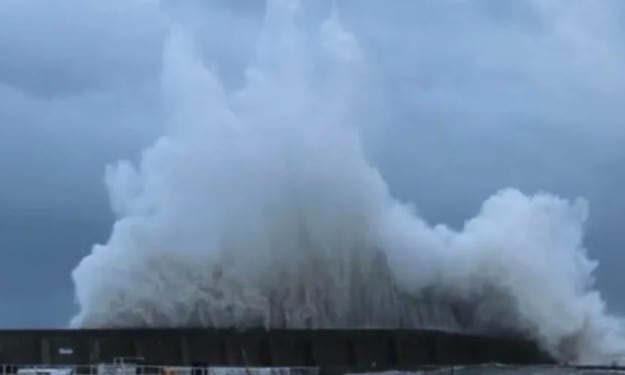
Passengers planning to travel by ferry this Friday have been issued with strong warnings as multiple sailings are at risk of cancellation or disruption due to adverse weather conditions in the Irish Sea. Ferry operators, weather authorities, and local maritime officials are urging travellers to stay informed, adjust plans where possible, and prepare for uncertainty as strong winds and turbulent seas threaten to derail what would normally be routine crossings. �
By Ayesha Lashari20 days ago in The Swamp
Heathrow Scraps 100ml Liquid Container Limit. AI-Generated.
In a significant shake-up of air travel rules, Heathrow Airport has announced that it will scrap the longstanding 100ml liquid container limit for passengers. The new policy, which applies to all domestic and international travelers, represents a major departure from a rule that has been in place for nearly two decades. The change is expected to speed up security lines, reduce passenger frustration, and modernize the airport experience while maintaining safety standards.
By Muhammad Hassan20 days ago in The Swamp
Three Lives Lost at Iconic Waterfall Beauty Spot: Safety Warning Issued as Inquest Raises Alarm. AI-Generated.
Ystradfellte, Wales — A serene and scenic waterfall site in south Wales known widely as Waterfall Country has become the focus of intense scrutiny after three visitors lost their lives there in separate incidents over the past 18 months. The tragedies have prompted a senior coroner to issue a warning about safety at this popular beauty spot and call for urgent improvements to reduce future fatalities. �
By Ayesha Lashari20 days ago in The Swamp
Donald Trump’s Latest Visa Ban Hits African Countries Hard. AI-Generated.
Donald Trump’s latest visa ban has once again drawn global attention, this time affecting several African countries, and sparking criticism from human rights groups, government officials, and business leaders. The move, which limits the ability of citizens from affected nations to obtain U.S. visas, is being described as a major blow to international travel, trade, and diplomatic relations.
By Muhammad Hassan20 days ago in The Swamp
High Risk of Travel Disruption Amid Amber Rain Warning. AI-Generated.
Travelers across [region/country] are being urged to exercise caution as an amber rain warning has been issued, signaling the potential for severe travel disruptions in the coming days. Meteorologists have warned that heavy rainfall, strong winds, and localized flooding could affect road, rail, and air transport, making planning ahead essential for commuters, holidaymakers, and logistics providers. The warning comes as authorities emphasize safety first, with emergency services preparing for rapid response to incidents caused by adverse weather conditions. What the Amber Warning Means An amber rain warning is a serious weather alert, indicating that conditions could: Cause danger to life or property Lead to flooding of homes and roads Disrupt public transport services Make driving hazardous due to waterlogging and reduced visibility Weather experts explain that amber warnings are issued when there is a likelihood of significant impact on daily activities, not just heavy rainfall. Citizens are advised to monitor updates from official weather services and take appropriate precautions. Expected Travel Disruptions Road Transport Authorities warn that roads are likely to be flooded, particularly low-lying areas, underpasses, and routes prone to water accumulation. Commuters are advised to: Avoid unnecessary travel Drive slowly and maintain a safe distance from other vehicles Follow local road closure announcements Highways and main roads may experience slow-moving traffic and congestion, as drivers navigate wet and hazardous conditions. Rail Services Rail operators have also issued statements highlighting potential delays and cancellations due to waterlogging on tracks. Passengers planning to use trains are encouraged to: Check the status of their service before departure Allow extra travel time for connections Consider flexible travel plans where possible Air Travel Airports may experience flight delays or cancellations due to low visibility and wet runways. Travelers are advised to: Confirm flight schedules with airlines Prepare for longer check-in and boarding times Stay updated on any last-minute changes Public Transport Bus and tram services could be affected by road closures and traffic disruptions, impacting schedules and leading to overcrowding during peak hours. Safety Precautions Officials stress that the amber warning is not to be taken lightly, and residents should take steps to stay safe during severe weather: Stay informed: Regularly check updates from the Met Office, local authorities, and transport providers. Avoid flooded areas: Do not attempt to drive through standing water; just a few inches can sweep vehicles away. Prepare your home: Ensure drains and gutters are clear to reduce the risk of flooding. Emergency kit: Keep essentials such as water, food, flashlights, and important documents ready in case of prolonged disruption. Impact on Businesses and Logistics Heavy rainfall and travel disruptions could also affect businesses, particularly in sectors dependent on transport, deliveries, or customer visits. Retail, logistics, and service industries may face delays in: Deliveries of goods and supplies Staff commuting to work Customer appointments and in-person services Companies are being advised to consider remote work options, adjust delivery schedules, and communicate proactively with customers about potential delays. Government and Emergency Services Response Authorities have confirmed that emergency response teams are on standby to deal with incidents arising from severe rainfall. Local councils are monitoring rivers, drainage systems, and flood-prone areas, while police and transport authorities are coordinating to: Respond to traffic accidents Close dangerous roads Assist stranded travelers Provide information through official channels The public is urged to follow official advice and avoid taking unnecessary risks during the amber warning period. Historical Context Amber weather warnings have previously caused significant travel disruption in the region. Last year, [example city/region] experienced heavy rainfall that led to: Flooded roads and bridges Train delays and station closures Flight cancellations Evacuation of affected households These historical incidents underscore the importance of taking the amber warning seriously and preparing ahead to minimize personal and community impact. Tips for Travelers To reduce the impact of travel disruption, experts recommend: Plan ahead: Avoid traveling during peak rainfall hours if possible. Check routes: Use apps or official websites to check road and public transport conditions. Travel light: Carry only essentials to remain flexible in case of delays. Stay connected: Keep mobile phones charged and have access to emergency contacts. Flexible bookings: Where possible, choose travel options with flexible cancellation or rescheduling policies. By taking these precautions, travelers can minimize stress and ensure safety during periods of heavy rainfall and disrupted services. Looking Ahead Meteorologists indicate that while the heaviest rain may be short-lived, the amber warning could impact travel for several days, depending on how quickly water levels recede. Authorities will continue to monitor weather conditions closely and update the public through alerts and social media channels. Residents and travelers are encouraged to remain vigilant, stay informed, and plan their journeys with care. Conclusion The amber rain warning is a reminder of the power of severe weather and its potential to disrupt daily life, particularly travel. Roads, railways, and air transport may all face delays, making preparation essential for safety. By staying informed, planning ahead, and following official advice, travelers can navigate these challenges safely. This period of severe weather is not just a test of transport infrastructure, but also a reminder of the importance of community awareness, safety precautions, and flexibility during natural events.
By Muhammad Hassan20 days ago in The Swamp
Winter Snowstorm Alert: What Travelers Need to Know This Weekend. AI-Generated.
As winter tightens its grip on the United States, travelers planning to fly this weekend are facing potential disruptions due to a powerful snowstorm sweeping across multiple states. Major airlines have already begun issuing waivers and offering flexible options for passengers, but understanding what to expect can help you navigate your trip more smoothly.
By Muhammad Hassan21 days ago in The Swamp
Council Moves to Block Holidaymakers Parking Near Airport. AI-Generated.
As air travel continues to rebound after years of disruption, airports across the world are once again facing a familiar problem: congestion caused by holidaymakers looking for cheap or free parking. In response, a local council has announced new measures to block tourists from parking near the airport, a move that has sparked debate among residents, travelers, and business owners alike.
By Ayesha Lashari21 days ago in The Swamp
High Risk of Travel Disruption Amid Amber Rain Warning. AI-Generated.
An amber rain warning has once again placed large parts of the country on high alert, as meteorologists warn of a significant risk of travel disruption, flooding, and safety hazards. Amber alerts are issued only when weather conditions have the potential to cause serious impacts on daily life, and this latest warning is no exception. With heavy rainfall forecast over a short period, authorities are urging people to exercise caution, reconsider non-essential travel, and stay informed as conditions evolve.
By Ayesha Lashari21 days ago in The Swamp
First Asylum Seekers Moved into Former Army Camp. AI-Generated.
The arrival of the first group of asylum seekers at a former army camp has marked a significant moment in the government’s ongoing efforts to manage rising migration pressures. The move, described by officials as a “temporary and necessary solution,” has sparked intense debate among local communities, human rights organizations, and political leaders. While authorities argue that repurposing unused military sites is both cost-effective and practical, critics warn that such facilities may be unsuitable for vulnerable individuals seeking safety and dignity.
By Ayesha Lashari21 days ago in The Swamp