Lifestyle
For the lives that we love, and everything that comes with it.












The Silent Rooms: Life Without Children
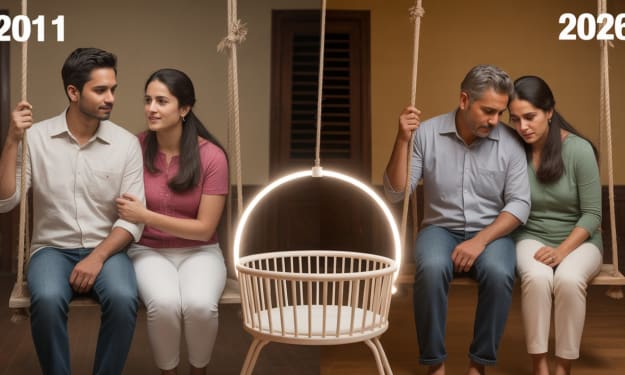
By Hazrat Umer A True Story of Marriage, Hope, and the Empty Cradle I got married in 2011. It was a year filled with the kind of joy that is hard to put into words. Like every young man, I had dreams. I remember sitting with my wife in our new home, talking about the future. We didn't just talk about our careers or our travels; we talked about the children we would one day hold in our arms. We imagined the sound of tiny feet running down the hallway. We even thought about names. In 2011, the world felt like it was at our feet, and the promise of a big, happy family felt like a certainty.
By Hazrat Umer13 days ago in Families
Why Emotional Intelligence Matters More Than Obedience in Modern Parenting. AI-Generated.
For many parents, obedience has long been considered the ultimate goal of good parenting. A “well-behaved” child was seen as a successful outcome. I used to believe the same thing. If my child listened, followed rules, and stayed quiet in public, I felt I was doing my job correctly. Over time, however, I began to notice something troubling. While my child was obedient, they struggled to express emotions, handle frustration, and communicate needs in healthy ways. This realization led me to question an important assumption: Is obedience really more important than emotional intelligence? Understanding Emotional Intelligence in Children Emotional intelligence is the ability to recognize, understand, and manage emotions—both one’s own and those of others. For children, this skill is foundational. It influences how they handle conflict, build relationships, and cope with stress throughout life. Children with strong emotional intelligence are more likely to: express feelings clearly instead of acting out, regulate emotions during stressful situations, show empathy toward others, develop resilience and confidence. Unlike obedience, emotional intelligence does not come from control or fear. It grows through guidance, modeling, and emotional safety. The Limits of Obedience-Based Parenting Obedience-focused parenting often relies on authority and consequences. While this approach may produce short-term compliance, it can unintentionally suppress emotional development. When children are taught to obey without understanding, they may: follow rules out of fear rather than awareness, struggle to make decisions independently, feel disconnected from their emotions, hide feelings instead of processing them. I realized that my child was learning what to do, but not why they were doing it—or how to manage the emotions behind their behavior. Shifting the Focus: From Control to Guidance The turning point came when I began prioritizing emotional understanding over immediate compliance. Instead of asking, “Why won’t you listen?” I started asking, “What are you feeling right now?” This shift changed everything. When conflicts arose, I slowed down the interaction. I acknowledged emotions before addressing behavior. I made space for conversations instead of commands. The goal was no longer obedience—it was connection and learning. Teaching Skills That Last a Lifetime When parents focus on emotional intelligence, discipline becomes a teaching tool rather than a punishment. Here are some practical changes that helped: Naming emotions aloud to build emotional vocabulary Validating feelings without excusing harmful behavior Setting clear boundaries with calm consistency Encouraging problem-solving instead of blame Over time, my child began responding differently. Emotional outbursts decreased. Communication improved. Most importantly, my child started developing confidence in handling emotions independently. The Mental Health Connection Emotional intelligence plays a critical role in mental health. Children who are supported emotionally are better equipped to manage anxiety, stress, and social challenges. By fostering emotional awareness early, parents help reduce: chronic stress, emotional suppression, feelings of shame or inadequacy. I noticed that as emotional intelligence increased, our home environment became calmer. Conflicts no longer felt like battles. They became opportunities for growth. Respect Builds Cooperation One of the biggest surprises was that cooperation increased—not decreased—when obedience stopped being the primary focus. When children feel respected and understood, they are more willing to cooperate naturally. Respect does not eliminate boundaries. It strengthens them. Children learn that rules exist for safety and well-being, not control. This understanding builds internal motivation rather than external pressure. Rethinking Success in Parenting Parenting success should not be measured by silence or compliance. It should be measured by a child’s ability to: understand emotions, communicate needs, recover from mistakes, build healthy relationships. Emotional intelligence equips children for real life—long after childhood rules no longer apply. Final Thoughts Obedience may create order, but emotional intelligence creates strength. When parents invest in emotional development, they raise children who are not only well-behaved—but emotionally capable, resilient, and compassionate. In a world filled with challenges, emotional intelligence is not optional. It is essential.
By Zia Djamel13 days ago in Families
When the Prostate Whispers, Desire Fades: Rebuilding Sexual Health After Chronic Prostatitis
What if the trouble isn’t in your head—or your “manhood”—but in a walnut‑sized gland quietly on fire? A surprising number of men in their 20s, 30s, and 40s stumble into a season of low desire and unreliable erections. They blame stress, screens, or aging. Sometimes they’re right. But just as often, the culprit is chronic prostatitis—an inflamed, irritated prostate that sits at the crossroads of urination, ejaculation, and sexual sensation. When it smolders, everything around it pays a price.
By Shuang hou13 days ago in Men
How to Care for Chronic Prostatitis Daily: Warm Sitz Baths and Physical Therapy Explained
It’s the kind of discomfort that doesn’t scream for attention but whispers constantly—a dull ache in the lower abdomen, a persistent urgency that disrupts your day, a feeling of pressure that never quite leaves. For anyone dealing with chronic prostatitis, this is a familiar, frustrating reality. You’ve likely tried courses of antibiotics, adjusted your diet, and still, the symptoms linger, waxing and waning like an unwelcome tide. It can feel like a lonely battle, one that quietly chips away at your quality of life.
By Amanda Chou13 days ago in Men
A Smile That Stayed
Hania had always been careful with her heart. She laughed easily, she talked freely, but she had never let herself feel the rush of something deeper—something that made her cheeks warm for no reason. Life was busy with school, friends, and family, and there had been little room for distractions like crushes or flutters. That is, until the new boy arrived in her class.
By Sudais Zakwan13 days ago in Blush
I Interviewed 10 Couples Who “Met Offline”: Their Advice for 2026 Dating Is Terrifyingly Simple. AI-Generated.
Dating in 2026 feels exhausting. Swiping never ends, conversations disappear without explanation, and it often feels like connection is something you’re supposed to optimize rather than experience.
By Yash Kurhe13 days ago in Viva