Latest Stories
Most recently published stories in Wander.
Top Luxury Resorts with Poolside Bars in the Maldives
The Maldives has an almost effortless way of redefining luxury. It isn’t about excess or showy glamour; instead, it’s about space, silence, natural beauty, and experiences that unfold slowly. Among the many indulgences the islands offer, one stands out as a quiet favourite for seasoned travellers: the poolside bar.
By Maldives Moments5 days ago in Wander
What Is Included and Excluded in Standard Himachal Tour Packages?
Booking a Himachal Pradesh tour package requires knowing what’s covered and what’s not. Standard packages usually include hotels, transport, and sightseeing, while extras like adventure activities, personal expenses, and tips are often excluded. Being clear on this ensures a stress-free, budget-friendly trip.
By Viacation Tourism6 days ago in Wander
Civil Service Staffing Challenges 'Escalated' Since 2020 Report. AI-Generated.
The UK’s Civil Service plays a critical role in delivering public services, developing policies, and supporting the government’s priorities. However, according to recent reports, staffing challenges within the Civil Service have intensified since a 2020 review, with the gap between demand and available talent widening. These staffing shortages are not just numbers on a report; they directly impact the effectiveness of the government’s work and the delivery of essential services. The findings highlight how staffing levels have struggled to keep pace with both the growing demands placed on the Civil Service and the increasing challenges of recruitment and retention in a competitive job market. As the government faces mounting pressure to improve efficiency, resolve skill gaps, and rebuild its workforce, the issue of staffing is becoming a critical point of focus. The Escalation of Staffing Challenges Post-2020 In 2020, a report highlighted some of the primary issues facing the UK Civil Service, including recruitment shortfalls, skill gaps, and difficulties in retaining staff. However, the 2023 report indicates that these challenges have not only persisted but have escalated over the past three years. The most significant issues are: Increased Demand for Services: The demand for public services has continued to grow, especially in areas like healthcare, social services, and technology. The pandemic, subsequent recovery efforts, and global economic challenges have all contributed to this increased pressure on the Civil Service to deliver more with fewer resources. Recruitment Struggles: Finding the right people with the necessary skills and experience to work in the Civil Service has become a more pressing issue. With the private sector offering more competitive salaries and benefits, the Civil Service is struggling to attract and retain skilled professionals in areas such as IT, policy development, and data science. Retention Problems: High levels of turnover, especially among senior positions and in specialized roles, have exacerbated the problem. Employees are increasingly seeking better work-life balance, higher pay, and opportunities for career advancement that are not always available within the public sector. The Growing Skills Gap: A Key Concern for the Civil Service One of the most alarming trends identified in the report is the widening skills gap within the Civil Service. A shortage of people with key skills—such as digital literacy, data analytics, and policy expertise—has made it increasingly difficult for departments to meet their objectives. For example, as the government places more emphasis on digital transformation, artificial intelligence, and big data in public services, the Civil Service faces an uphill battle in securing the skilled talent required to implement these projects. The lack of expertise in fields like data science and cybersecurity not only slows down technological advancement but also leaves critical sectors vulnerable to operational inefficiencies or cyber threats. Moreover, certain regions of the UK are facing more acute skills shortages than others, further complicating staffing challenges. Local government departments and regional offices are finding it particularly hard to recruit specialized staff, leaving vital services vulnerable to disruption. Recruitment: An Increasingly Competitive Market The struggle to attract qualified candidates is perhaps one of the most pressing issues highlighted in the recent staffing report. With high demand for talent across multiple sectors—especially in technology, healthcare, and policy—there is fierce competition for skilled workers. In many cases, the private sector offers higher salaries, better benefits, and more flexible working arrangements, making it challenging for the Civil Service to compete. In the past, the government relied on offering a stable, public-sector job with clear benefits and a pension scheme as a key selling point for recruitment. However, in today’s labor market, these incentives are no longer enough to persuade top talent to stay in or join the Civil Service. Many potential candidates are seeking higher salaries and greater career mobility, which the Civil Service often struggles to provide. Additionally, efforts to diversify recruitment and bring in people from different backgrounds have faced mixed results. While progress has been made in some areas, there is still significant work to be done to create a workforce that reflects the diversity of the UK and to ensure that underrepresented communities are represented at all levels of government work. Retention Challenges: How the Civil Service is Losing Experienced Staff While recruitment remains a challenge, retaining experienced staff is just as important—and just as difficult. According to the report, many experienced employees are leaving the Civil Service in search of new opportunities. Several factors contribute to this high turnover rate: Pay disparity: Salaries in the Civil Service are often lower than those offered in the private sector, especially for highly skilled roles. Workload stress: The pressure to deliver under challenging conditions, coupled with limited resources, has led to burnout among many Civil Service employees. Career stagnation: The lack of advancement opportunities or career progression in some departments has led employees to seek roles in other sectors where there are clearer pathways for promotion and skill development. For the government, this loss of experienced staff is a significant setback. The institutional knowledge and expertise built over years of service cannot easily be replaced, and the continuous turnover leads to instability, reduced morale, and lost productivity. Government Responses and Proposed Solutions The report notes that the government has taken several steps to address staffing shortages, although the effectiveness of these measures remains uncertain. 1. Increased Investment in Recruitment The Civil Service has ramped up its recruitment efforts, including launching targeted campaigns to attract talent in areas such as digital transformation and policy development. These campaigns aim to demonstrate the benefits of working in the public sector and highlight the opportunity to make a positive societal impact. 2. Improved Employee Support and Training The government is also investing in employee well-being and training programs to help retain staff and fill skills gaps. This includes upskilling current employees in areas like digital literacy and leadership, as well as introducing better career development pathways to keep talent within the system. 3. Improved Work Flexibility In response to the changing work landscape, the Civil Service is increasing its focus on flexible working arrangements. With the rise of remote working, many departments are offering more options for staff to work from home, ensuring a better work-life balance that appeals to younger generations of workers. Conclusion: What’s Next for the Civil Service? The findings of the latest report underscore the urgent need for reform within the UK Civil Service. Staffing challenges have escalated over the past three years, leaving the government facing mounting pressure to address recruitment, retention, and skill shortages. With continued investment in recruitment, training, and workforce well-being, the Civil Service can begin to close the skills gap and attract and retain the talent necessary to navigate the complexities of modern governance. However, unless deeper systemic changes are made—especially in terms of compensation, career progression, and flexibility—staffing challenges may continue to hinder the Civil Service’s effectiveness. As the government looks to address these issues, the success of its efforts will directly impact its ability to deliver the services that millions of people rely on.
By Aarif Lashari7 days ago in Wander
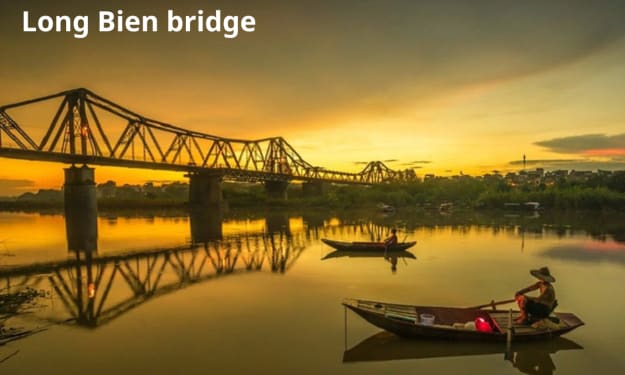
Hanoi Travel Guide – Part 2: Hidden Gems You Shouldn’t Miss in Vietnam’s Capital
Discover Hanoi Beyond the Guidebooks Most visitors meet Hanoi through its postcards: the lively Old Quarter, Hoan Kiem Lake glowing at night, or the solemn Ho Chi Minh Mausoleum. These places are beautiful, but they tell only part of the story.
By Chinh Lê Thị7 days ago in Wander
Away from the Crowds in South Carolina
On John’s Island, you’ll find the impressive and beautiful Angel Oak. Growing and thriving in Charleston, this is one of the oldest living oak trees east of the Mississippi. It is estimated to be between 400 and 500 years old and has survived several hurricanes, floods, and earthquakes. The branches of the oak spread out in all directions. Its name comes from the Angel Estate. Local legends say the ghosts of former slaves appear as angels around the oak.
By Rasma Raisters7 days ago in Wander
Best Places to Visit in Morocco With Family By Morocco Family Vacation
When we first started planning a family trip to Morocco, I had a lot of questions. Was it too busy for kids? Would it feel overwhelming? Could we balance culture, fun, and rest without exhausting everyone?
By Ariel Cohen7 days ago in Wander
Iron Lighthouse - Coastal Series: Part III (California)
California’s coast does not need an introduction... That’s the problem. It arrives with expectations already attached, sunlit cliffs, endless vistas, postcard pullouts engineered for awe. People come looking for the version they’ve already seen, and for long stretches, the coast obliges. It performs. It smiles. It sells itself back to you. But that’s not where the road gets interesting.
By The Iron Lighthouse7 days ago in Wander
Neighborhood Guide of South Addition in Anchorage Alaska
South Addition essentially lives up to its name: it is a community that serves as an extension to downtown Anchorage, Alaska. The residential community is nestled between the bustling streets and highways of the city’s urban center and the wide ecological expanse of the state’s south-central coast.
By Dean Traylor7 days ago in Wander
Hanoi Travel Guide: A Complete Beginner’s Guide to Exploring Vietnam’s Capital
Introduction Hanoi, the capital city of Vietnam, is a place where ancient history and modern life exist side by side. With more than 1,000 years of history, Hanoi offers travelers a unique experience filled with cultural heritage, local traditions, and vibrant street life.
By Chinh Lê Thị7 days ago in Wander