

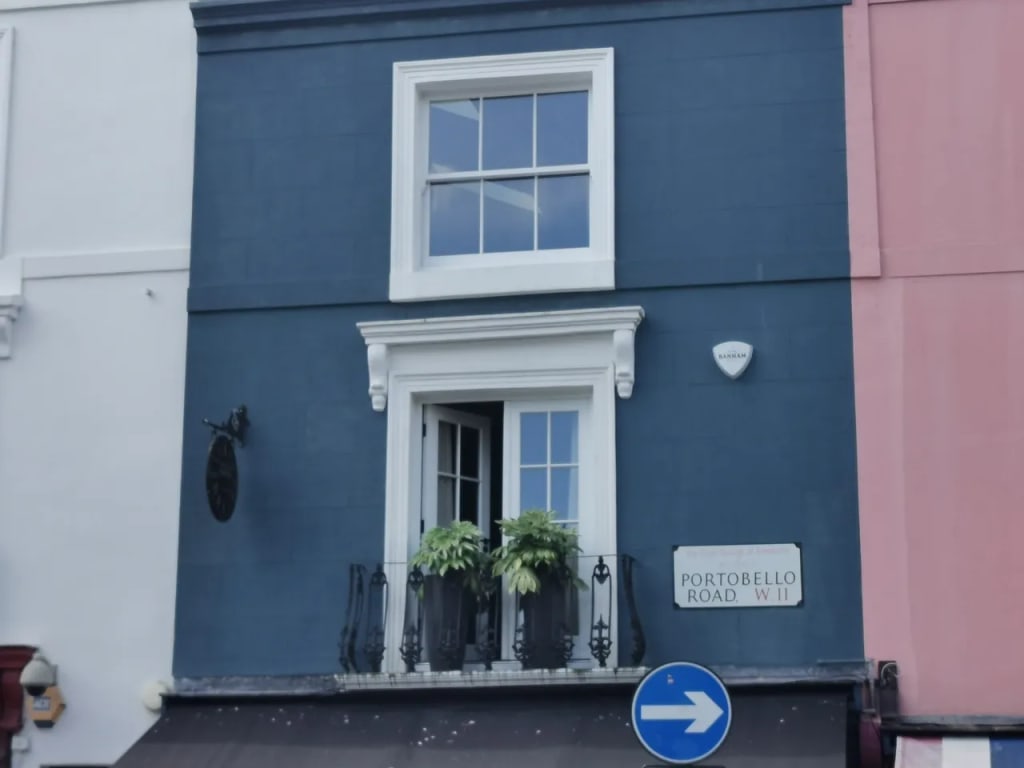
I have a confession. I wouldn't say I liked markets for a long time, even though I used to love going occasionally with my mum as a child. I'd bug her the day before and promised I'd be on my best behaviour. I'd be super excited when she would say yes. While the rest of the family was sleeping, Mum and I would set off early the following morning.
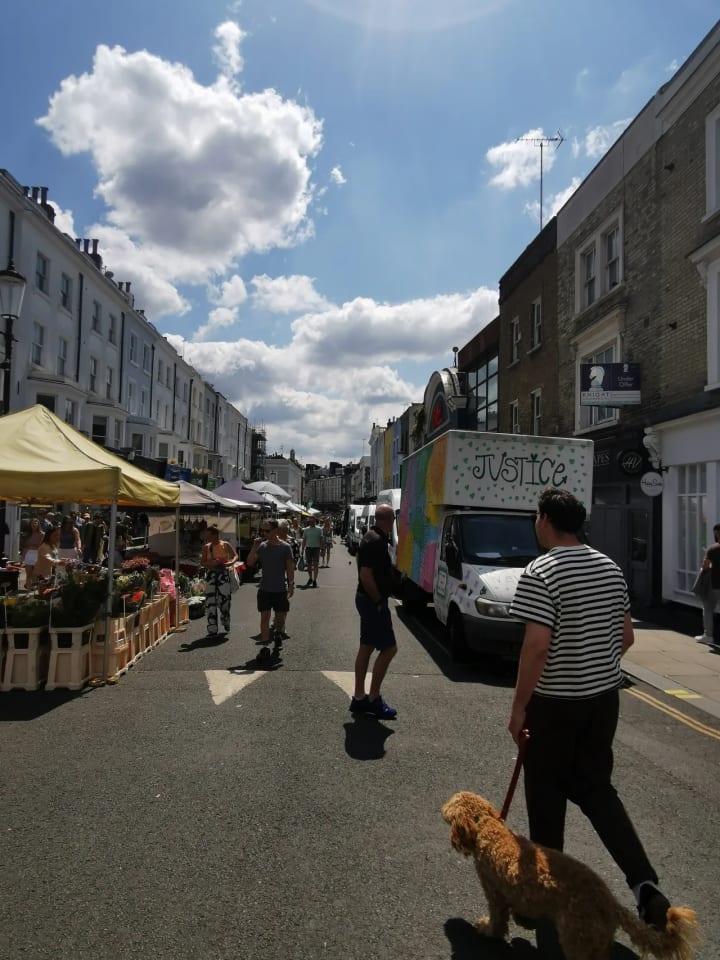
Markets fell out of fashion as I grew up. Some went under, whilst a majority transformed into what they are today. Only after starting Tabby London have I rediscovered how cool they are. So, it's only natural that I wear my walking shoes and head to Notting Hill's famous Portobello Road Market.
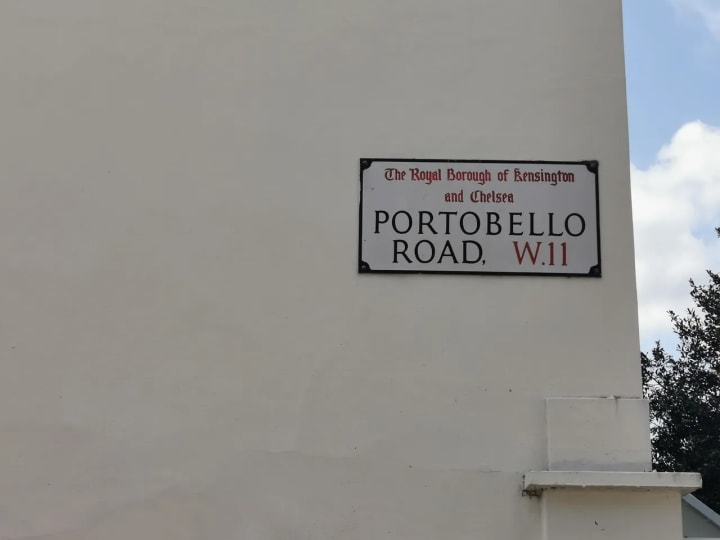
Portobello Road Market is one of those trendy markets stretching for about two miles. I started at the southern posh end and reached the bottom. I noticed the vibe changed as I walked down. The southern end is very bouji, and the northern end is hard-core real. You'll find the locals on this end. Thankfully, it retains its original charm at the bottom end of the market.
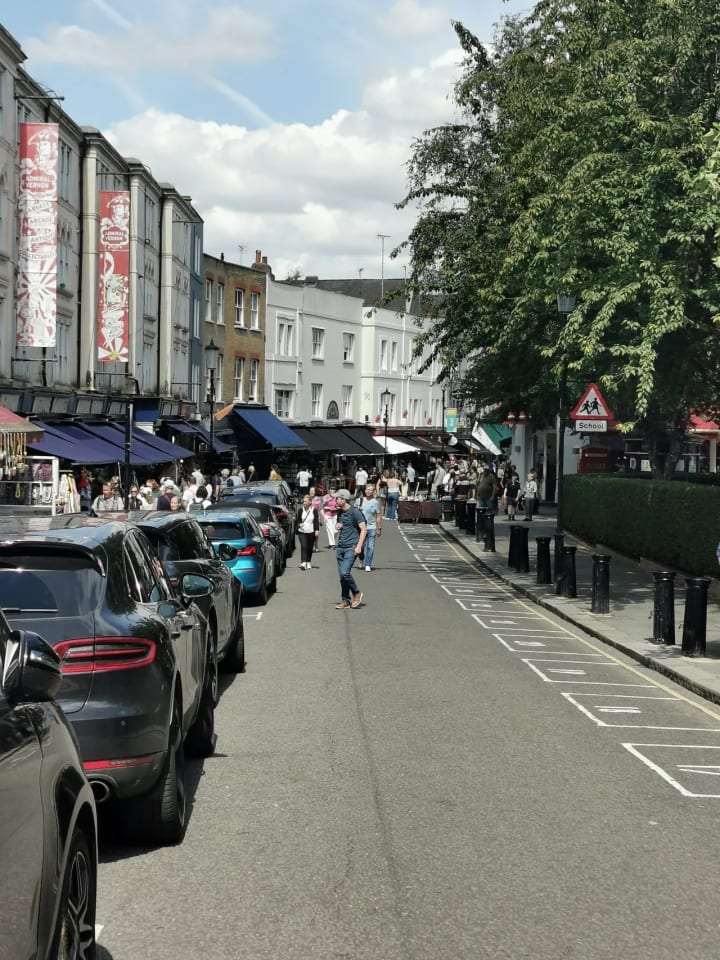
The market started in the 19th century as a fresh food market. The primary market day is Saturday, but some sections are open throughout the week. You can buy fruit, vegetables, and other food items weekly. You'll also see fashion, clothing, and new and vintage items. The market is bustling on Fridays and Saturdays.
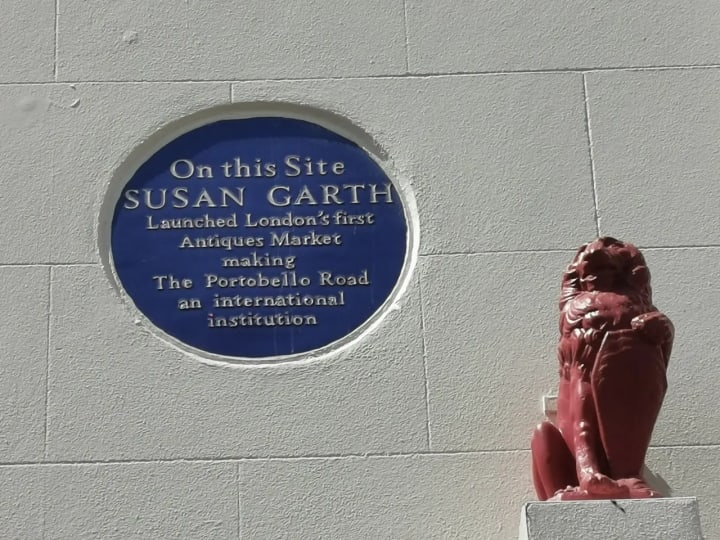
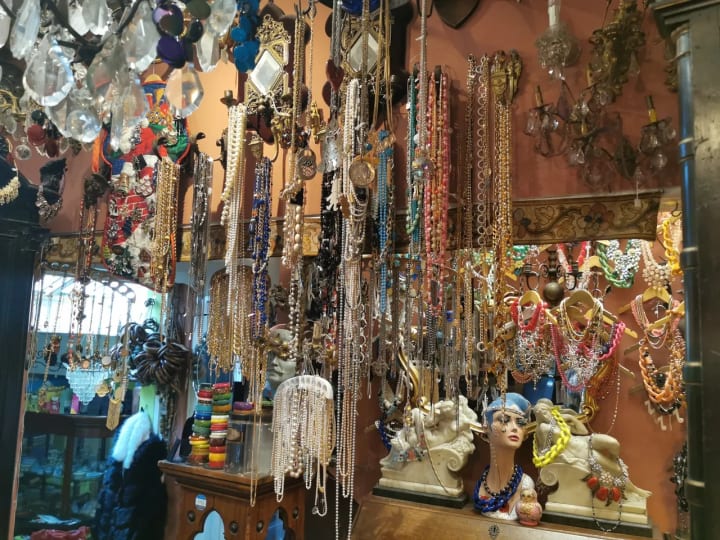
The market is also trendy for antiques. One person's trash is another's treasure. Antique dealers began to arrive in the 1940s and 1950s. It gained popularity in the 1960s as a hub for fashion and counterculture. It is the world's largest antique market, with over 1,000 dealers, and it is located mainly in the southern section. Closest to Notting Hill Station. If you like antiques, then it's best on Saturdays.
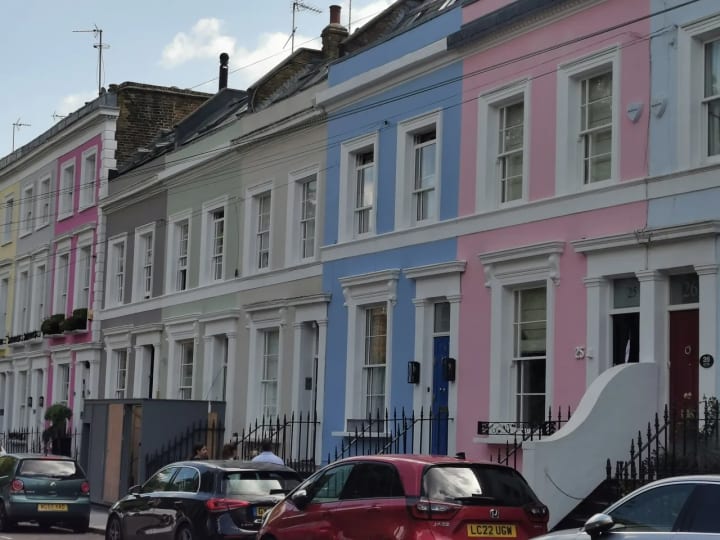
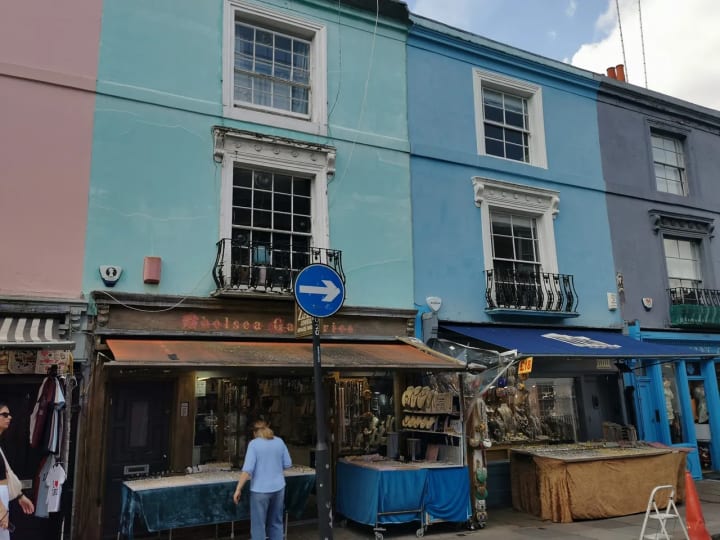
I particularly liked the colourful townhouses lining the streets. It's always bustling with traders (some are permanent fixtures, whilst others have temporary stalls. You can also get a taste of different cuisines. I tied the falafel at the Syrian Falafel stall and enjoyed the experience. I also had chai at the Chai hut, which was an exciting experience. It was a lovely and modern cafe offering inventive tea and pastries.
Notting Hill was once a rural area. However, in the 1800s, Notting Hill's transformation into a fashionable suburb for wealthy Londoners was a big thing. The area began to be developed in the 1820s and 1830s, primarily due to the efforts of James Weller Ladbroke, who inherited the Ladbroke Estate. This estate formed the core of what would become Notting Hill. The Ladbroke family commissioned architects and surveyors to create an upscale residential district.
The area was planned with grand crescents, communal gardens, and elegant stucco-fronted houses. The successful developments inspired this style in Belgravia and Mayfair. In 1837, the Hippodrome racecourse was built in the area, attracting wealthy patrons. However, it was short-lived due to poor drainage and closed by 1842.
The opening of nearby railway stations in the 1860s made the area more accessible, further boosting its appeal to the wealthy. By the mid-19th century, Notting Hill had become home to many upper-middle-class families, including successful merchants, professionals, and military officers. Many of the large houses were designed with separate servants' quarters, reflecting the lifestyle of the wealthy residents.
As the area grew in popularity, it attracted cultural institutions, churches, and schools catering to its affluent population. Kensington Park Gardens, developed in the 1850s, became one of the most prestigious addresses in London and featured some of the largest houses in the area.
While much of Notting Hill became wealthy, the adjacent area of Notting Dale (to the north) remained poor, creating a stark social contrast within a small geographical area.
Gentrification
From the 1980s onwards, Notting Hill experienced a significant wave of gentrification that reshaped its social and economic landscape. Gentrification was driven by an influx of affluent professionals and creatives attracted to the area's bohemian charm and attractive Victorian architecture.
Property values began to rise sharply, leading to renovating many older buildings and opening upscale boutiques, cafes, and restaurants. This transformation gradually displaced many long-term residents, particularly those from working-class and minority backgrounds, as rents and property prices became increasingly unaffordable.

The gentrification process also increased investment in the area's infrastructure and public spaces, further enhancing its appeal to wealthy newcomers. By the late 1990s and early 2000s, Notting Hill had become one of London's most desirable and expensive neighbourhoods, known for its trendy atmosphere and celebrity residents, while retaining some elements of its diverse cultural heritage.
Parting Comments
Arrive Early for the best selection of antiques and to avoid the biggest crowds.
Haggle to get a good bargain. I'm rubbish at haggling, so I probably would miss it. However, give it a go if you're buying antiques and second-hand goods. Who knows, you might pick up a bargain!
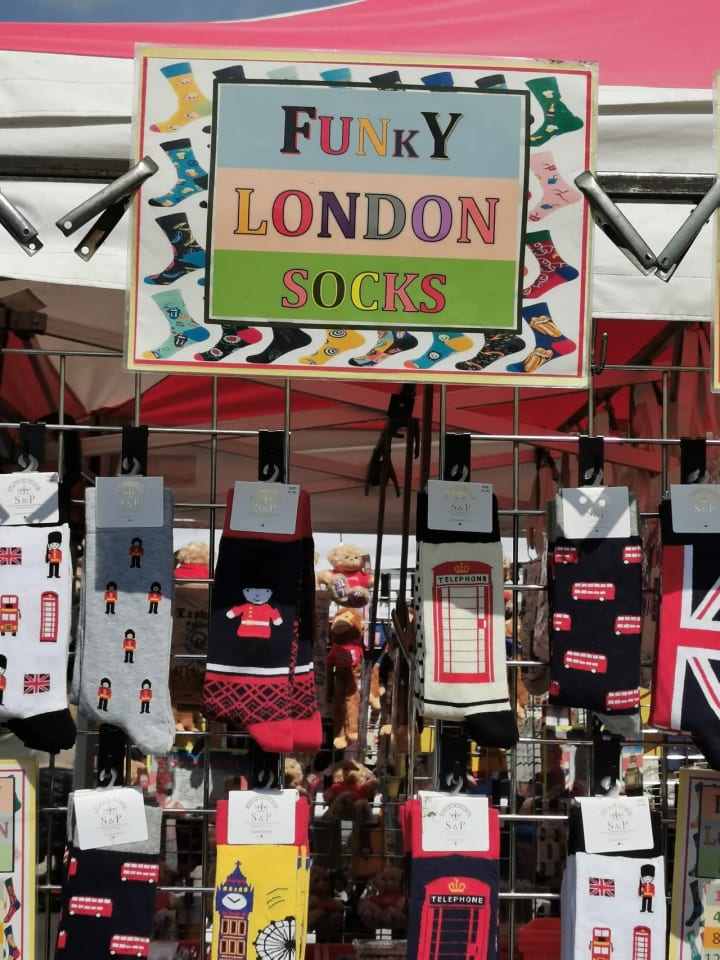
I liked my visit to Portobello Road Market and saw how it serves as a community space where locals gather, shop, and socialise, adding to its authentic feel. I saw many independent sellers, artists, and entrepreneurs, giving visitors the chance to support local businesses.

I definitely would encourage you to take your time to explore the different sections, as each offers a unique experience. I spent a morning there between 2-3 hours, including a coffee pit stop.
With very best wishes
Tabby
About the Creator
Tabby London
The London I've been discovering is usually off the well-beaten track.I love the nooks and crannies and walking along the streets steeped in centuries worth of history. I'm fond of Zone 1 because that's where it all began centuries ago.
Keep reading
More stories from Tabby London and writers in Wander and other communities.
Roman London
Another Section Of The London Wall Roman London, known as Londinium, was founded by the Romans around AD 43 as a strategic settlement on the River Thames. It rapidly grew into a significant trading and administrative centre for the Roman Empire, connecting Britain with the rest of the Roman world. The city was laid out in a grid pattern, with major roads like Watling Street and Ermine Street converging at Londinium, facilitating trade and communication throughout Britannia.
By Tabby London2 years ago in Wander
Seattle Nightlife Report: Pony
Mid-winter Friday night. Early but already so dark. The days are getting longer but 6 PM is still pitch black. “Firepit!” You declare things after just a few seconds of solemn thought – not a request or suggestion, not a demand. Last week you walked around saying, “Hot tub?” to anyone who would listen. Or one afternoon you pointed at two men holding hands as they crossed 12th Avenue, looked me in the eyes and said, “Boyfriends.”
By Joe Nasta | Seattle foodie poet12 days ago in Wander
Romantic Beachfront Bars in the Maldives for Couples & Honeymooners
The Maldives has a way of slowing time. Days melt into one another, worries feel far away, and every moment seems designed for connection. While overwater villas and crystal-clear lagoons often steal the spotlight, it’s the romantic beachfront bars that quietly become the heart of many love stories.
By Island Life Maldives4 days ago in Wander




Comments (1)
Excellent piece