

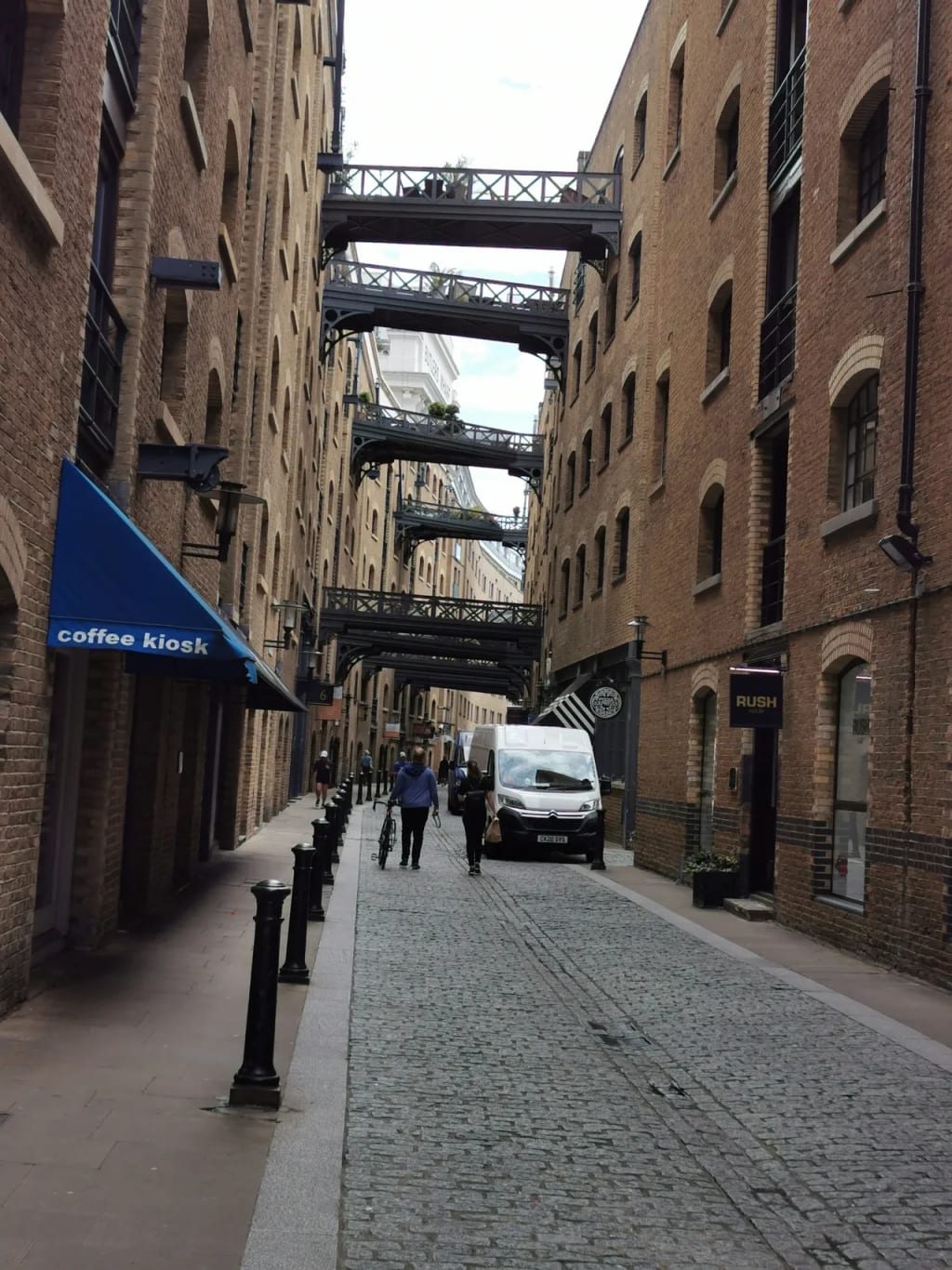
Walking along Shad Thames is like stepping into the history books. I like this area because the old warehouses have been transformed into a highly desirable location. Plus, you can step away from the hustle and bustle of the surrounding area near Tower Bridge. I've been coming here since I was invited to the old Design Museum for a meeting many moons ago. After my meeting, I admired a little world in a busy metropolis.
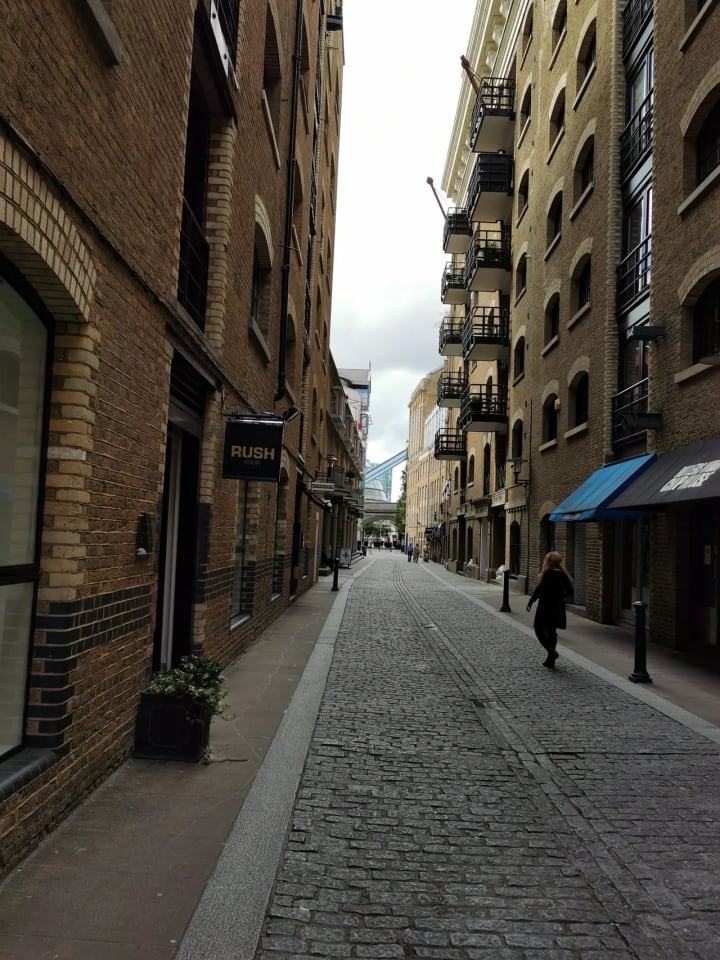
Shad Thames runs parallel to the River Thames for about 350 meters. Its proximity to the River made it ideal for receiving goods from ships. Today, this location offers spectacular views of some of London's most iconic landmarks, including Tower Bridge, the Tower of London, and the modern skyline of the City of London.
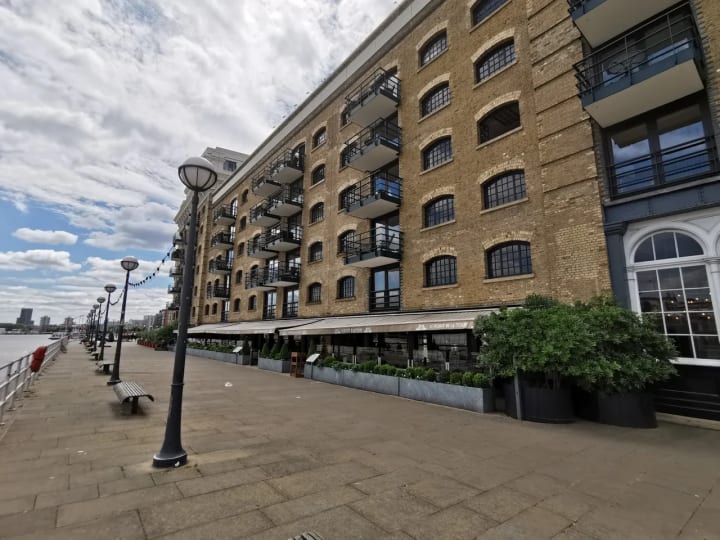
Much of Shad Thames is now protected as a conservation area, ensuring its unique character and historic features are preserved for future generations. Let me tell you a little bit about the history.
History
Shad Thames has a fascinating history. In 1873, the Warehouses were completed to store tea, coffee and other commodities that were loaded, unloaded and reloaded depending on the destination. It was known as a Larder of London. The second larder is Hays Galleria.
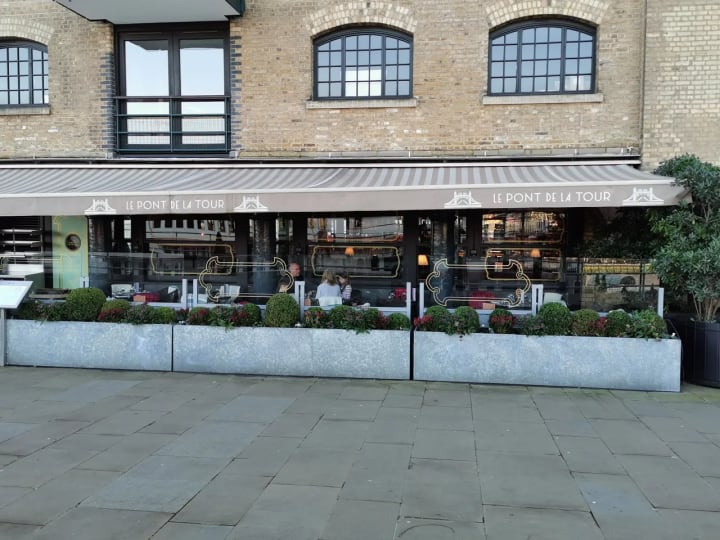
However, in the 20th Century, the area fell into decline and by 1972, the last warehouse was closed. This was due to containerisation and shipping traffic heading East of the City. The area was redeveloped during the 1980s and 80s and transformed into expensive apartments, restaurants and bars.
However, it underwent significant regeneration in the 1980s and 1990s. Many warehouses were converted into luxury apartments, while others became restaurants, shops, and offices. This transformation has made Shad Thames one of London's most desirable riverside neighbourhoods.
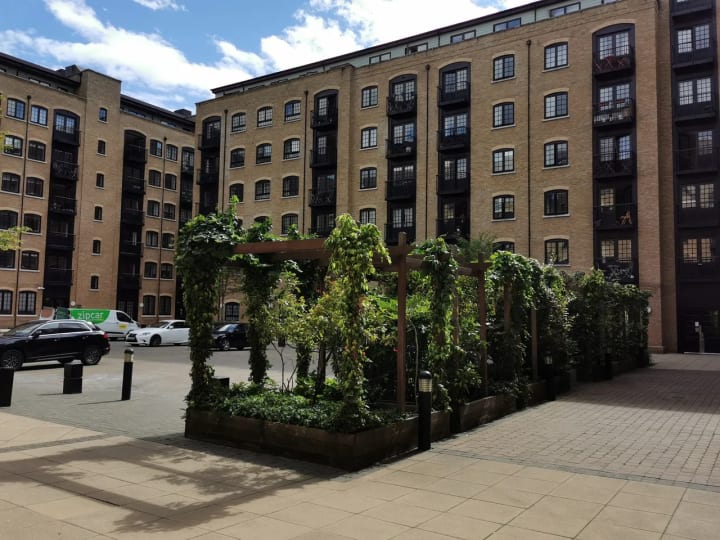
The name "Shad Thames" is believed to be a corruption of "St. John-at-Thames," referring to the St. John's Church that once stood nearby. In its heyday during the Victorian era, it was part of London's largest warehouse area, often called "London's Larder." The area stored and processed vast quantities of tea, coffee, spices, and other goods imported worldwide, mainly from Britain's colonies.
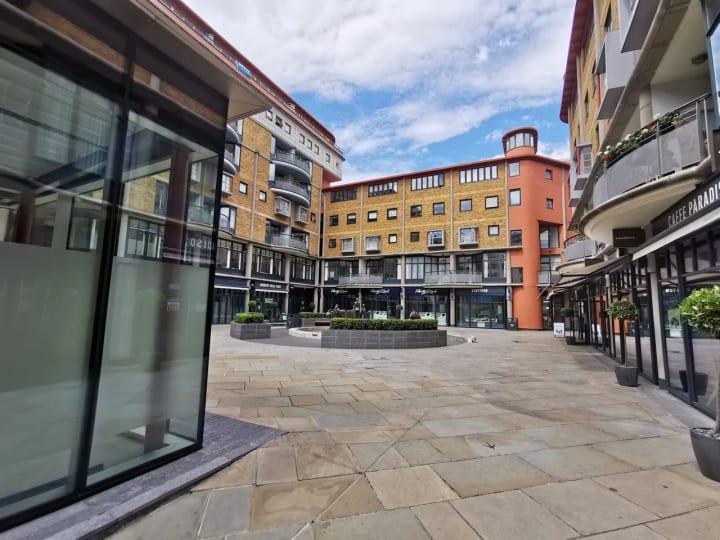
Architecture
Architects buffs will recognise Victorian industrial architecture. The warehouses, built in the late 19th Century, are typically constructed of brick with iron fittings. Many still bear the names of the commodities they once stored, like "Vanilla Court" or "Cinnamon Wharf." The buildings are usually 4-5 stories high and feature large windows that allow natural light for workers.
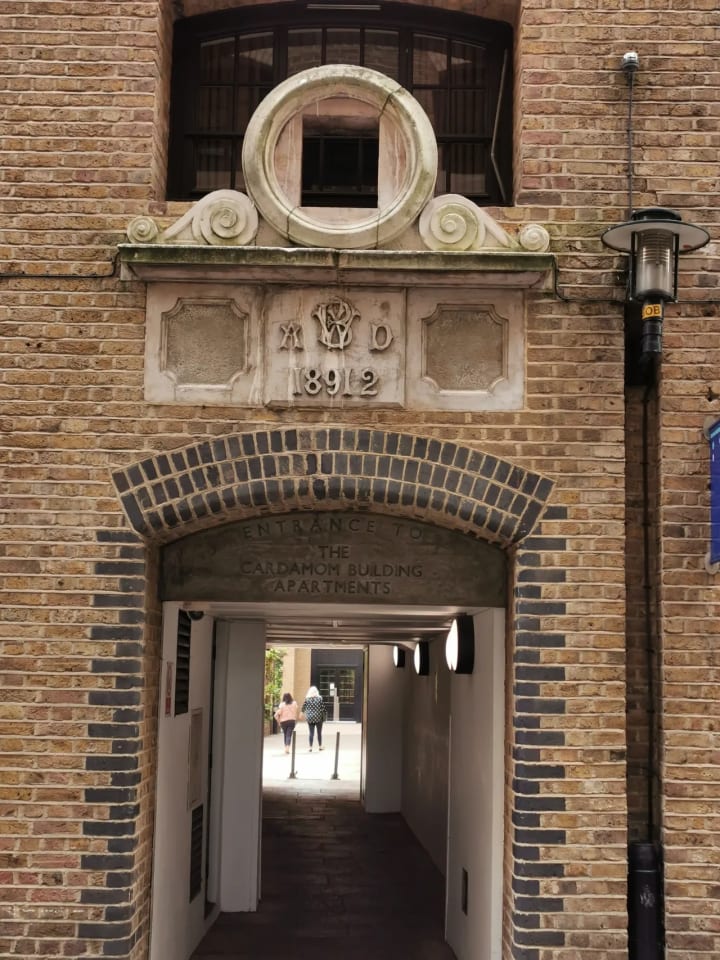
I particularly like the walkways or bridges of Shad Thames. These iron bridges connected the warehouses at multiple levels, allowing workers to move goods between buildings without coming down to street level. They created a unique "streets in the sky" effect that still exists today, though they're now purely decorative.
Nearby Attractions
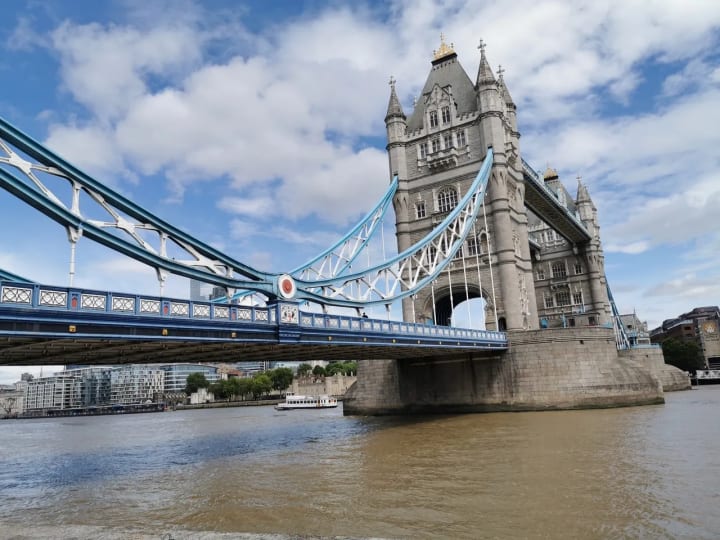
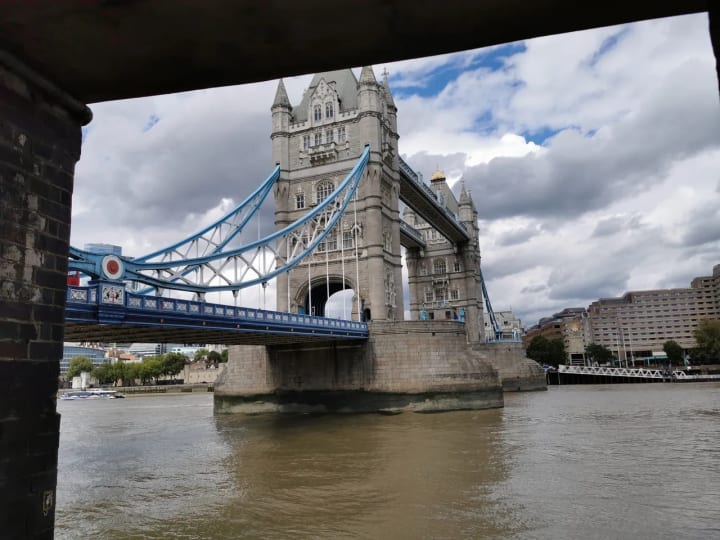
The major attraction is the delightful Tower Bridge. It's a stone's throw away. If the Tide is out, a hidden section along Shad Thames takes you straight onto the River. Be careful, though, because the Tide comes in very quickly.
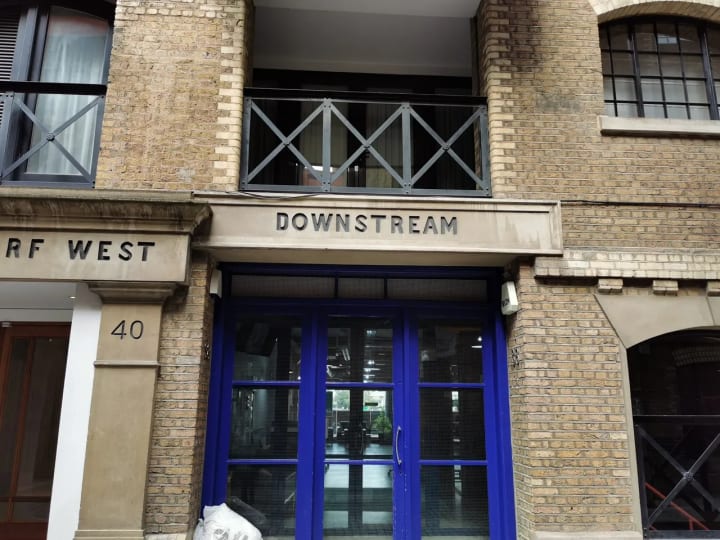
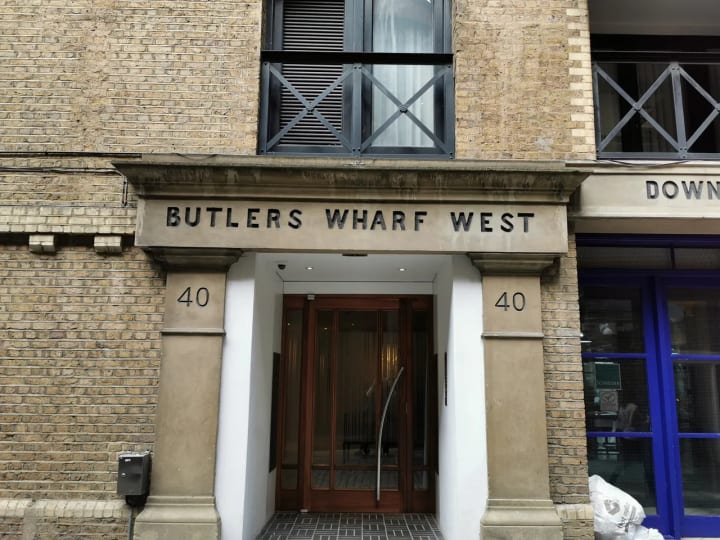
Shad Thames also housed the Design Museum, which has moved to Kensington High Street. There's a Butler's Wharf, a significant riverside dining destination. Designer Zandra Rhodes founded the Fashion and Textile Museum. Plus, there are plenty of art galleries and boutique shops. It pays to take your time walking around the area. Please be aware that it is a predominantly residential area, so you will see plenty of residents go about their everyday lives.
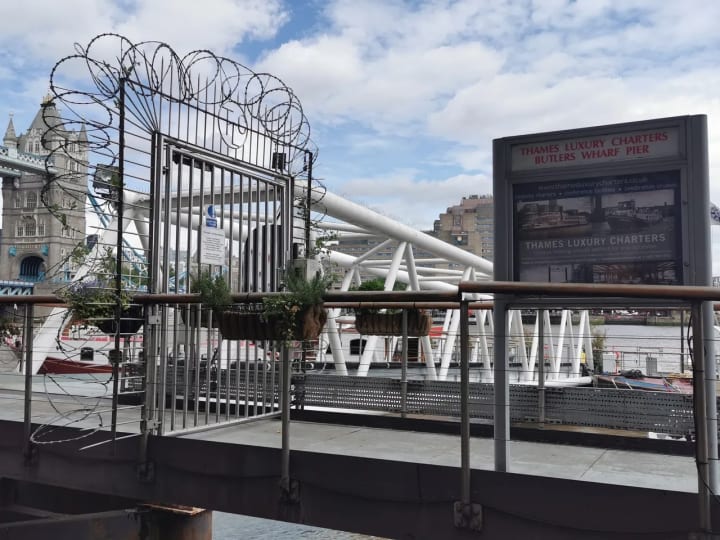
The Old Design Museum in Shad Thames
The Design Museum formerly occupied a converted 1940s banana warehouse in Shad Thames, London, from 1989 to 2016. Situated on the south bank of the River Thames, this iconic white-walled space, redesigned by Conran & Partners, became a symbol of 1980s aesthetics and a vital centre for contemporary design. The museum showcased innovative products and industrial, graphic, fashion and architectural designs through various exhibitions.
Its presence in Shad Thames was crucial in establishing London as a significant design hub and contributed significantly to the area's regeneration. In 2016, the museum relocated to a larger space in Kensington, West London, to accommodate expanded exhibitions and facilities. However, with no more extended housing of the Design Museum, the old building in Shad Thames remains an integral part of London's architectural and cultural landscape.
Did you know….
For me, Shad Thames provides a much-needed breather from the busyness of the surrounding area near Tower Bridge. It's also a great example of London consistently adapting to meet the needs of the 21st Century. It embraces its industrial past while embracing modern urban living. You can see how well old and new blend together in the city's heart.
Shad Thames has appeared in numerous films and TV shows and is often chosen for its distinctive look and historic atmosphere. Movies like James Bond films "A View to a Kill" and "The Long Good Friday" include scenes from Shad Thames.
The area is easily accessible via London Bridge or Tower Hill stations, and it's a popular spot on walking tours of the South Bank.
Thank you for your attention.
Best wishes
Tabby
About the Creator
Tabby London
The London I've been discovering is usually off the well-beaten track.I love the nooks and crannies and walking along the streets steeped in centuries worth of history. I'm fond of Zone 1 because that's where it all began centuries ago.
Keep reading
More stories from Tabby London and writers in Wander and other communities.
Portobello Road
I have a confession. I wouldn't say I liked markets for a long time, even though I used to love going occasionally with my mum as a child. I'd bug her the day before and promised I'd be on my best behaviour. I'd be super excited when she would say yes. While the rest of the family was sleeping, Mum and I would set off early the following morning.
By Tabby London2 years ago in Wander
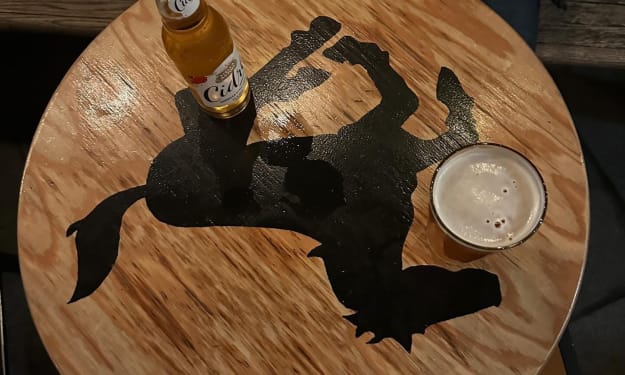
Seattle Nightlife Report: Pony
Mid-winter Friday night. Early but already so dark. The days are getting longer but 6 PM is still pitch black. “Firepit!” You declare things after just a few seconds of solemn thought – not a request or suggestion, not a demand. Last week you walked around saying, “Hot tub?” to anyone who would listen. Or one afternoon you pointed at two men holding hands as they crossed 12th Avenue, looked me in the eyes and said, “Boyfriends.”
By Joe Nasta | Seattle foodie poet14 days ago in Wander
In a Miami convenience store
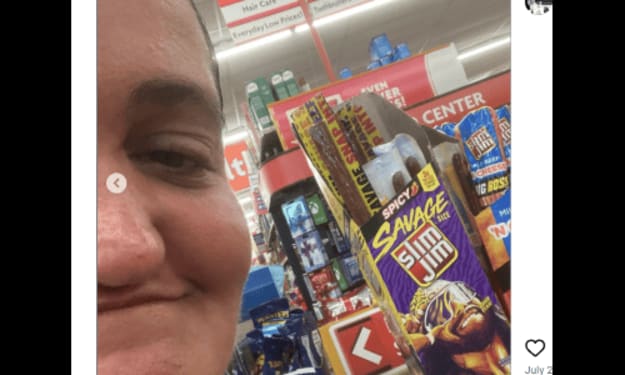
This has nothing to do with my holiday in Miami but it was during my holiday in Miami I went to a convenience store for something and saw that Slim Jim was doing the right thing and honoring the memory of their longtime spokesperson and legendary WWE superstar Macho Man Randy Savage.
By Revista Mikoabout 2 hours ago in Wander


Comments
There are no comments for this story
Be the first to respond and start the conversation.