Fiaz Ahmed
Bio
I am Fiaz Ahmed. I am a passionate writer. I love covering trending topics and breaking news. With a sharp eye for what’s happening around the world, and crafts timely and engaging stories that keep readers informed and updated.
Stories (949)
Filter by community
Sullen and Sunburned: The Tradition of Castaways at the Movies. AI-Generated.
From silent-era adventures to modern psychological thrillers, the image of the castaway has remained one of cinema’s most enduring and emotionally powerful symbols. Stranded figures with sunburned skin, hollow eyes, and a quiet rage at fate have long represented humanity’s struggle against isolation, nature, and itself. The tradition of portraying castaways on screen reveals as much about cultural fears and hopes as it does about survival. Early film history embraced the castaway as a heroic explorer. Inspired by literary classics such as Robinson Crusoe, silent films of the 1910s and 1920s portrayed shipwreck survivors as resilient men conquering hostile environments through ingenuity and faith. These stories mirrored colonial-era ideals of dominance over nature and self-reliance. The deserted island was less a prison than a proving ground. By the mid-20th century, however, castaway narratives began to darken. World War II left audiences more aware of psychological trauma, and filmmakers turned inward, examining what isolation does to the human mind. Movies like Lord of the Flies (1963) transformed survival into a moral test, showing how quickly civilization could collapse when rules disappeared. Castaways were no longer noble adventurers but fragile beings vulnerable to fear and violence. Isolation as Drama Modern cinema has refined the castaway archetype into a study of loneliness and endurance. Few films captured this more powerfully than Cast Away (2000), in which Tom Hanks’ character survives years alone on an island after a plane crash. The film’s most memorable scenes are not of physical hardship but of emotional breakdown — conversations with a volleyball, grief over missed human connection, and silent stares across the ocean. This shift reflects changing audience interests. Survival is no longer just about food and shelter; it is about identity. Who are we when stripped of society? Movies increasingly use castaways as mirrors for modern alienation, turning the island into a psychological landscape rather than merely a physical one. In recent years, filmmakers have expanded the idea of castaways beyond tropical shores. Space films such as The Martian echo the same tradition, substituting Mars for an island and technology for palm trees. The hero remains sunburned, sullen, and forced to invent solutions alone. The theme is constant: human ingenuity facing absolute solitude. Visual Language of the Castaway The imagery of castaways has become instantly recognizable. Ragged hair, blistered skin, torn clothing, and improvised shelters visually communicate despair and endurance without dialogue. Cinematographers often emphasize wide empty horizons, underscoring how small the human figure appears against nature. Sunburn in particular has become symbolic. It reflects exposure — to the elements and to truth. Castaways cannot hide from themselves. Their physical damage mirrors inner erosion. Even in animated films like Finding Nemo or The Red Turtle, isolation carries emotional weight through quiet pacing and minimal speech. The audience is invited to sit in discomfort with these characters. Long silences and repetitive routines build empathy and tension. Unlike fast-paced action films, castaway movies force viewers to experience time as the stranded do: slowly, painfully, and with constant uncertainty. Why the Castaway Endures Cultural historians argue that the castaway story persists because it speaks to universal fears. In an age of constant connection, isolation feels both terrifying and strangely appealing. Castaway films dramatize the fantasy of escape from society while exposing the emotional cost of such freedom. They also reflect anxieties about disaster. Plane crashes, shipwrecks, and lost expeditions tap into real-world fears of technological failure and climate extremes. The lone survivor becomes a symbol of humanity’s fragile position in a powerful natural world. At the same time, these films celebrate resilience. Audiences are drawn to stories where one person refuses to surrender. Whether the castaway builds a raft, sends a distress signal, or simply survives another sunrise, the narrative affirms hope in the face of despair. New Directions in the Genre Recent films have reimagined castaways through more diverse perspectives. Stories now include women, children, and marginalized characters, expanding the emotional range of the genre. Psychological realism has replaced heroic fantasy, focusing on trauma, memory, and hallucination rather than conquest. Streaming platforms have also revived interest in survival narratives, offering limited series that explore isolation over longer arcs. These productions often blur the line between castaway stories and mental health dramas, showing how solitude reshapes identity. Critics note that today’s castaways are less confident and more introspective. They question their purpose, mourn lost relationships, and struggle with guilt. The island is no longer just an obstacle but a reckoning. A Mirror of the Human Condition The tradition of castaways at the movies endures because it strips storytelling to its core: one person, one problem, and the will to live. In these sunburned, sullen figures, audiences see both vulnerability and strength. Whether drifting across oceans or stranded on distant planets, cinematic castaways remind viewers of what remains when comfort vanishes — memory, imagination, and hope. Their survival is not just physical but emotional, proving that even in total isolation, the human spirit seeks meaning. In an increasingly crowded and digital world, the image of a lone figure against endless sky still resonates. The castaway may be stranded, but their story continues to speak to the deepest fears and desires of those watching safely from shore.
By Fiaz Ahmed a day ago in The Swamp
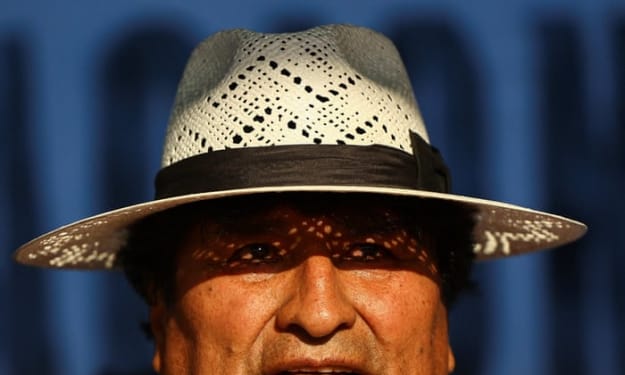
Where’s Evo? Missing Morales Mystery as Bolivia’s Ex-President Goes to Ground. AI-Generated.
Bolivia is gripped by political uncertainty and speculation as former president Evo Morales has effectively disappeared from public view, prompting questions about his safety, political future, and the stability of the country’s already fragile political landscape. Once one of Latin America’s most visible and outspoken leaders, Morales has gone silent amid escalating tensions within Bolivia’s ruling party and mounting legal pressure. Morales, who governed Bolivia from 2006 to 2019, has not been seen publicly for several weeks. His absence has fueled rumors ranging from illness and exile to secret negotiations and fears of arrest. Supporters insist he remains in the country, while critics accuse him of deliberately avoiding authorities as investigations linked to corruption and alleged abuse of power continue. A Vanishing Act in a Time of Turmoil The former president’s disappearance comes at a time when Bolivia’s governing Movement for Socialism (MAS) party is deeply divided. President Luis Arce, once Morales’s close ally and finance minister, is now locked in a bitter power struggle with his former mentor over leadership of the party and the direction of the government. Morales had been preparing for a political comeback, declaring his intention to seek the presidency again despite constitutional and judicial obstacles. His ambitions sparked fierce debate inside MAS and raised alarms among opposition groups who argue that his return would destabilize the country. As tensions rose, Morales began canceling appearances and stopped posting regularly on social media, a sharp contrast to his normally outspoken presence. His supporters say he is in a secure location in Bolivia’s coca-growing Chapare region, historically his political stronghold. Authorities, however, have declined to confirm his whereabouts. Legal Pressure and Political Calculations Morales faces multiple legal challenges stemming from events during and after the 2019 crisis that forced him from office. Prosecutors have reopened investigations into alleged financial irregularities and decisions made during his presidency. Though Morales denies wrongdoing, the cases have increased speculation that he could be detained if he re-emerges publicly. Political analysts suggest Morales may be attempting to avoid arrest while negotiating behind the scenes to protect his influence within MAS. “Morales is not just hiding from prosecutors,” said one Bolivian political scientist. “He is repositioning himself in a battle for control of the ruling party.” President Arce has sought to distance himself from Morales’s confrontational style, portraying his government as more pragmatic and focused on economic recovery. However, Morales continues to command loyalty among grassroots movements, especially in rural and Indigenous communities. This split has created uncertainty within the party that has governed Bolivia for most of the past two decades. Rumors and Public Anxiety The lack of official information has fueled conspiracy theories across Bolivia. Social media platforms are flooded with speculation, including claims that Morales has fled the country or that he is being secretly protected by loyalist militias. Government officials have refused to comment directly, citing security concerns. Opposition leaders accuse Morales of trying to provoke instability by disappearing at a sensitive political moment. “Bolivia deserves transparency,” said one opposition lawmaker. “If he is innocent, he should face the courts instead of hiding.” Meanwhile, Morales’s supporters warn that any attempt to arrest him would spark mass protests similar to those that followed his removal from power in 2019. Trade unions and coca growers’ organizations have pledged to defend him, raising fears of renewed unrest. Echoes of the Past Morales’s disappearance revives memories of the chaotic period that followed his resignation in 2019, when he briefly went into exile in Mexico and Argentina. That episode polarized the country and left deep scars in Bolivia’s political culture. For many Bolivians, the current mystery underscores how unresolved that crisis remains. While Morales returned in 2020 after Arce’s election victory, the relationship between the two men has steadily deteriorated. Observers note that Morales’s absence now carries symbolic weight. Once the face of Bolivia’s political transformation, he has become a shadowy figure whose silence destabilizes both his supporters and his rivals. International Attention Foreign diplomats and regional organizations are closely monitoring the situation. Bolivia is seen as a key political actor in South America’s shifting ideological balance, and renewed unrest could ripple across neighboring countries. Human rights groups have urged authorities to respect due process and avoid actions that could provoke violence. They also called on Morales to clarify his status and cooperate with legal proceedings if summoned. What Comes Next? The question of where Evo Morales is — and why he has vanished from view — reflects a deeper struggle over Bolivia’s political future. If he remains hidden, it could deepen divisions within MAS and embolden opposition forces. If he resurfaces, he may face legal consequences or spark large demonstrations. Some analysts believe Morales is waiting for the right moment to re-enter politics dramatically, either by rallying supporters or by negotiating immunity. Others argue that his influence is waning and that his disappearance marks the beginning of the end of his political dominance. For now, Bolivia waits. Streets are calm, but tensions simmer beneath the surface. In a country shaped by protests and political upheaval, the silence surrounding its former president is proving almost as powerful as his voice once was. As one commentator put it, “Evo Morales built a career on being seen and heard. His disappearance speaks volumes.”
By Fiaz Ahmed a day ago in The Swamp
Savannah Guthrie Says ‘We Will Pay’ for Mother’s Safe Return. AI-Generated.
Television journalist Savannah Guthrie has made an emotional public appeal for the safe return of her mother after confirming that she was abducted during a private trip abroad. Speaking through a brief statement released by her family and network colleagues, Guthrie said, “We will pay whatever is necessary to bring her home safely,” underscoring the desperation and fear that now grips her family. Details surrounding the incident remain limited due to security concerns, but sources close to the family confirmed that Guthrie’s mother was taken while traveling in a region known for sporadic criminal activity and weak law enforcement. Authorities have launched an international investigation, working with U.S. diplomats and local security forces to determine who is responsible and how negotiations might proceed. A Personal Crisis in the Public Eye Guthrie, one of the most recognizable faces in American broadcast journalism, has kept a low profile since news of the abduction emerged. Colleagues described her as “devastated but focused,” relying on family and close friends while cooperating fully with investigators. In her statement, Guthrie appealed for privacy while emphasizing that her family’s sole concern is her mother’s safety. “This is every family’s nightmare,” she said. “We ask for compassion and discretion as we work with authorities to secure her return.” Network executives confirmed that Guthrie has temporarily stepped away from her professional duties. A spokesperson said, “Our thoughts are with Savannah and her family during this extremely difficult time. Their safety and well-being come first.” What Is Known About the Abduction Officials have not publicly named the country where the incident occurred, citing the risk of endangering the hostage. According to law enforcement sources, Guthrie’s mother had been traveling independently and was reportedly taken from a rural area while en route between towns. Kidnappings for ransom are rare but not unheard of in the region, particularly targeting foreigners perceived to have access to financial resources. Authorities believe the abductors contacted intermediaries shortly after the disappearance, demanding proof of life and signaling that negotiations could begin. While Guthrie’s statement suggested willingness to pay, experts caution that ransom situations are complex and highly sensitive. “Public declarations can increase pressure on kidnappers and complicate negotiations,” said a former hostage recovery consultant. “But they also reflect the emotional reality families face when a loved one’s life is at stake.” Diplomatic and Security Response The U.S. State Department confirmed it is providing consular assistance and coordinating with local authorities. A spokesperson declined to discuss operational details but said the department is “working urgently to ensure the individual’s safety and return.” Specialized crisis response teams are reportedly advising the family on communication strategy and risk assessment. These teams often help families balance cooperation with authorities while maintaining limited public exposure to avoid inflaming the situation. Security analysts note that the outcome often depends on whether the kidnapping is criminal or politically motivated. In this case, investigators believe the motive is financial rather than ideological. “This appears to be a ransom case, not a political statement,” one official familiar with the inquiry said. “That distinction matters in how negotiations are handled.” Public Reaction and Media Ethics News of the abduction spread quickly across social media, with fans and fellow journalists expressing support. Hashtags calling for prayers and solidarity trended briefly, though many urged restraint to protect the investigation. Media organizations have largely avoided reporting specific locations or details, citing ethical standards around hostage situations. Several networks chose not to broadcast Guthrie’s statement live, instead summarizing it in written form to limit sensationalism. “This is not a story for speculation,” said a senior editor at a national news outlet. “It’s about human safety, not ratings.” A Family Waiting Friends of the Guthrie family described her mother as a private person who enjoyed travel and cultural exploration. They said she had no history of political involvement and was unaware of any specific security risks at her destination. “She was just going on a trip she’d planned for months,” said one family acquaintance. “Now everything has changed.” For Savannah Guthrie, the crisis represents a painful reversal of roles. Known for questioning world leaders and covering global conflicts, she now finds herself at the center of a personal emergency unfolding in the international spotlight. Her statement concluded with a direct message to those holding her mother: “Please let her come home. She is loved, and she is needed.” Uncertain Path Forward Negotiations in kidnapping cases can take days or weeks. Authorities stress patience and discretion, noting that successful outcomes depend on calm communication and careful strategy. While Guthrie’s words reflect urgency, officials are urging restraint from public speculation. For now, the family waits — hoping that diplomacy, negotiation, and international cooperation will lead to a safe resolution. As colleagues and viewers rally around her, the story has become a stark reminder that global insecurity can reach into even the most visible and protected lives. For Savannah Guthrie, the crisis is no longer a headline but a deeply personal battle for the life of someone she loves.
By Fiaz Ahmed a day ago in The Swamp
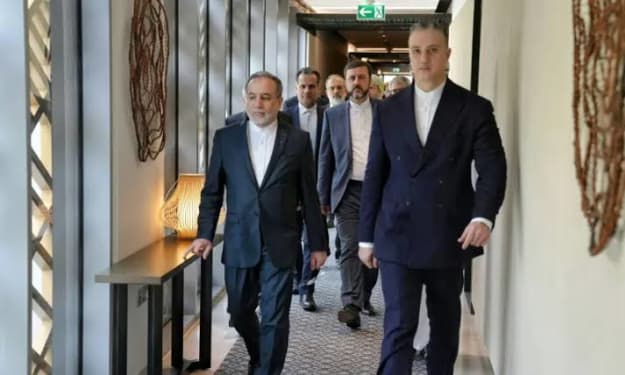
Iran FM Looks to More Nuclear Talks, but Warns US Against Any Attack. AI-Generated.
Iran’s Foreign Minister Abbas Araghchi said this week that Tehran hopes to continue negotiations with the United States over its nuclear programme, while issuing stark warnings that any American military action would trigger retaliation against U.S. bases in the region. The remarks, delivered amid fragile indirect talks in Oman and growing military tension in the Middle East, reflect Tehran’s dual strategy of keeping diplomatic channels open but asserting firm red lines over defence and sovereignty. Geo News Speaking at the Al Jazeera Forum in Doha, Araghchi described the recent indirect talks in Muscat, Oman — the first such engagement since nuclear negotiations collapsed last year — as a “good start” and said both sides had agreed to continue discussions soon. The negotiations came after a period of heightened threats and military buildup, including U.S. warnings of possible strikes and increased American naval deployments in the Gulf. Al-Monitor Talks Resume Amid Tense Backdrop The February 7 session in Oman brought Iranian and U.S. officials together in a rare diplomatic engagement between the two adversaries, but with major differences still unresolved. Araghchi reiterated that Iran considers its nuclear enrichment a sovereign and “inalienable right” and said Tehran remains ready to seek a “reassuring agreement” through negotiations while rejecting external pressure or ultimatums. Al-Monitor U.S. President Donald Trump described the Muscat discussions as “very good” and pledged another round of talks next week, but also signed new sanctions and measures aimed at curbing Iran’s oil exports and economic lifelines. Al-Monitor Despite these diplomatic overtures, Araghchi made clear that Tehran’s ballistic missile programme is “never negotiable” because it relates to national defence, and warned that if the United States were to attack Iranian territory, Tehran would strike U.S. military bases in the Middle East — though not those of host countries — as accessible targets. Press TV Firm Red Lines on Defence and Negotiation Scope Araghchi’s comments highlight major sticking points in the negotiations. Iran has insisted that talks should focus strictly on the nuclear issue and not be broadened to include its missile programmes or support for regional groups — issues that Washington and some U.S. allies want to include in future discussions. Tehran has refused to cede its missile capacity, calling it essential for deterrence, a position that complicates diplomatic progress. Geo News The minister also said Tehran and Washington must avoid “threats and pressure” that could derail talks, emphasising that trust-building would take time. Officials from both sides have framed the Oman meeting as preliminary, with follow-up consultations expected in capitals before further negotiation dates are set. Al-Monitor Military Posture and Regionwide Risk The warning against military attack comes as U.S.–Iran tensions remain high. Recent U.S. rhetoric has repeatedly mentioned military options if diplomatic efforts fail, and the Pentagon has maintained a visible force presence in the Gulf. Tehran, for its part, has responded with its own warnings that any direct U.S. involvement in conflict would trigger swift retaliation. Reuters This mutual signalling underscores the precarious balance: each side appears to want to avoid a direct clash while maintaining leverage. Iran’s strategy — combining warnings with limited diplomatic engagement — reflects its broader approach to navigating sanctions, regional rivalries, and global scrutiny. Al-Monitor Trust, Sanctions, and Stalled Progress Beyond security concerns, economic issues remain central. Tehran has faced crippling sanctions targeting its oil sector and financial networks, and while diplomatic engagements offer a path to potential relief, differences over enrichment limits and inspection protocols persist. Iranian officials repeatedly stress that any deal must respect their right to enrich uranium for peaceful purposes. Geo News Analysts say the current phase of talks is fragile. Building meaningful trust after years of conflict, sanctions, and broken negotiations will be difficult. Tehran’s insistence on excluding its missile programme from discussions, along with continued threats of retaliation, reflect deep mistrust between the two sides. Al-Monitor A Fragile Path Forward Despite the serious warnings, Tehran’s announcement that talks could resume — even indirectly — suggests both sides recognize the severe risks of outright conflict in a volatile region. Leaders in the Gulf, Europe, and beyond have called for restraint and continued diplomatic engagement as the most viable path to manage the nuclear issue without war. For now, Iran’s foreign minister is walking a fine line: signalling openness to negotiation while making clear that any military move by the United States would be met with force. Whether this cautious diplomacy can evolve into real progress remains uncertain, but the message from Tehran is clear: dialogue is possible, but so is retaliation. Geo News
By Fiaz Ahmed 2 days ago in The Swamp
UK to Get Brief Respite from Rain, Forecasts Show. AI-Generated.
After weeks of persistent downpours, flooding alerts, and storm-driven disruption, the United Kingdom is set to experience a short-lived break from the relentless rain, according to the latest forecasts from the Met Office. While the improvement is expected to bring drier and brighter conditions to many parts of the country, meteorologists warn the relief will be temporary, with unsettled weather likely to return later in the week. Large areas of England, Wales, and parts of Scotland have endured above-average rainfall throughout recent weeks, saturating river systems and raising concerns about flood risks and infrastructure strain. Transport delays, waterlogged farmland, and disrupted outdoor activities have become common across the country. Now, forecasters say a high-pressure system moving in from the Atlantic will temporarily stabilize conditions, pushing heavy rain bands northwards and allowing sunshine to break through in several regions. A Window of Calmer Weather The Met Office said the drier spell will begin in the south and west before gradually extending across central and eastern England. Daytime temperatures are expected to remain cool but seasonable, with clearer skies bringing colder nights and the risk of frost in rural areas. “This is not a long-term shift, but a pause in what has been a very unsettled pattern,” a Met Office spokesperson said. “For many people, it will be the first real opportunity in days to see extended dry weather.” In London and the South East, forecasters predict brighter conditions with occasional cloud cover and lighter winds, providing a welcome contrast to recent storms. Northern England and parts of Scotland may continue to see showers initially, but these are expected to ease as the high-pressure system strengthens. Relief for Flood-Hit Communities Communities affected by flooding are expected to benefit most from the temporary dry period. In parts of the Midlands and Yorkshire, swollen rivers have placed pressure on flood defenses, forcing some residents to evacuate their homes and leaving farmland submerged. Local authorities say the break in rain will allow emergency services and councils to assess damage and carry out repairs. Drainage systems clogged with debris can be cleared, and flood barriers inspected. Farmers, in particular, are hoping the pause will prevent further crop losses. Waterlogged soil has delayed planting and damaged winter crops, adding to financial strain already caused by rising production costs. “It’s a chance to breathe,” said one farmer in Lincolnshire. “We’ve had weeks of rain with no real break. Even two or three dry days make a difference.” Travel and Infrastructure Impact Transport operators are also preparing for improved conditions. Network Rail said the dry spell will help crews carry out track inspections and repairs following recent landslips and flooding-related closures. Several main rail routes have been operating at reduced capacity due to safety concerns. Road authorities similarly welcomed the forecast, noting that standing water and potholes have become a serious hazard for drivers. The pause in rainfall could allow temporary repairs before the next wave of wet weather arrives. Airports have reported fewer weather-related delays as wind speeds ease and visibility improves. Why the Rain Has Been So Persistent Meteorologists attribute the recent wet weather to a stalled jet stream and a succession of Atlantic low-pressure systems tracking directly across the UK. Climate scientists note that warmer air holds more moisture, increasing the intensity of rainfall events when storms develop. While it is difficult to link any single weather episode directly to climate change, experts say such prolonged periods of heavy rain are becoming more frequent and more disruptive. “The pattern we’ve seen reflects a more volatile climate,” said one weather analyst. “When it rains now, it tends to rain harder and for longer.” Temporary Calm Before More Unsettled Weather Despite the upcoming respite, forecasters caution that it will not signal the end of wet conditions this season. By the end of the week, another Atlantic system is expected to move in, bringing renewed cloud cover, rain, and stronger winds, particularly to western and northern regions. Long-range outlooks suggest a return to unsettled weather into the following week, though rainfall amounts may be less severe than in the recent period of storms. The Met Office has urged the public to remain alert to future flood warnings and to take advantage of the dry spell to prepare properties and communities for possible further disruption. Public Reaction For many residents, the forecast offers emotional as well as practical relief. Parks and outdoor venues that have remained empty during weeks of rain are expected to see visitors return, while families plan to catch up on outdoor activities postponed by the weather. “I just want to hang washing outside again,” said one resident in Birmingham. “It sounds small, but it feels like we’ve forgotten what dry weather looks like.” Retailers and hospitality businesses also hope the brighter days will encourage foot traffic and lift morale after weather-related downturns in trade. Looking Ahead The brief improvement highlights the fragile balance of the UK’s weather patterns this season. While the dry spell may provide a much-needed pause, experts warn that volatility remains the defining feature of the forecast. For now, the country can expect a short window of calmer skies — a reminder of how quickly conditions can change, and how closely communities now watch every weather update after weeks of relentless rain. As one forecaster put it, “Enjoy the sunshine while it lasts — but keep the umbrella nearby.”
By Fiaz Ahmed 2 days ago in The Swamp
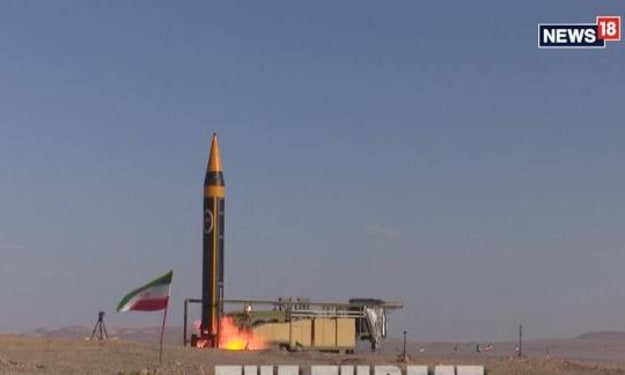
How Does Iran’s Khorramshahr-4 Missile Change the War Equation?. AI-Generated.
Iran’s recent deployment and public showcasing of the Khorramshahr-4 ballistic missile — also known as Kheibar — has sparked serious analysis among military and geopolitical analysts over how the weapon may alter deterrence and conflict dynamics in the Middle East. The missile, unveiled by Iran’s Islamic Revolutionary Guard Corps (IRGC) and placed in fortified underground “missile cities,” underscores Tehran’s intent to maintain and expand its strategic strike capability amid rising tensions with the United States, Israel, and Gulf partners. Middle East Monitor A Step Change in Iranian Strike Capability The Khorramshahr-4 is an advanced variant of Iran’s long-range ballistic missile family. With a declared range of approximately 2,000 kilometers, it can reach targets deep into the Middle East, including Israel, U.S. military bases in the region, and potentially beyond. It carries a large payload capability — around 1,500–1,800 kilograms — enabling a significant destructive potential. en.wikipedia.org This range and payload place the missile in the intermediate-range ballistic missile (IRBM) category, significantly enhancing Iran’s ability to project force beyond its immediate borders. Unlike older missiles that required lengthy fueling and preparation, the Khorramshahr-4 uses storable hypergolic fuel, allowing it to remain ready for launch on shorter notice — reportedly with launch prep times of around 12 minutes. Default The missile’s upgraded guidance and airframe also distinguish it from predecessors. A mid-course navigation system enables in-flight adjustments outside of the atmosphere, increasing accuracy and reducing vulnerability to electronic warfare. The composite body and mobile launch platform further improve survivability and operational flexibility. en.wikipedia.org Deterrence and Threat Perception Iranian officials have framed the Khorramshahr-4 as a cornerstone of “active deterrence.” By publicly displaying the missile’s capabilities and embedding it within hardened underground facilities, Tehran sends a clear message to adversaries that military options against Iran would entail substantial risk and complexity. Brigadier General Yadollah Javani of the IRGC described the missile’s destructive power as evidence that Iran will not compromise its defensive capabilities, even during sensitive diplomatic negotiations. Regional governments and defense analysts see this as part of a broader Iranian strategy to deter strikes on its nuclear and military infrastructure by ensuring credible retaliation potential. In past conflicts — including the intense exchanges between Iran and Israel in 2025, which involved hundreds of ballistic and cruise missiles — Iranian strike capabilities were a central factor in strategic calculus. Al Jazeera Centre for Studies The Khorramshahr-4’s speed — reportedly reaching hypersonic velocities up to Mach 16 outside the atmosphere and around Mach 8 upon re-entry — complicates the ability of missile defense systems to intercept it effectively, shortening reaction times and increasing the likelihood of penetration. JVIM Expanding the Strategic Picture While the missile’s primary strategic impact lies within the Middle East, its broader implications are global. A reliable IRBM enhances Iran’s leverage in negotiations and its deterrence posture against U.S. and allied forces. It also influences how regional partners, including Saudi Arabia and Gulf states, perceive security threats — often prompting them to deepen defensive cooperation with Western allies. Moreover, the very act of deploying such systems inside underground “missile cities” signals continued prioritization of ballistic capabilities even as Iran formally engages in diplomatic talks over nuclear issues. Tehran maintains it seeks fair negotiations and insists discussions focus on nuclear programming, even as its missile force grows. Daily Sabah A Changing Military Doctrine? Some observers argue that the Khorramshahr-4 reflects a shift in Iranian military doctrine from purely defensive to more assertive posturing. Press reports linked the missile’s deployment to a broader strategic framework that includes potential retaliation scenarios against U.S. bases and allied positions in the event of conflict escalation. This aligns with public statements indicating that Iran would defend its territory and interests robustly without seeking outright war. Breitbart However, it is important to temper analysis with understanding of regional power balances. While the Khorramshahr-4 boosts Iran’s strike range, it does not fundamentally equalize capabilities with major powers like the United States. U.S. missile defenses, intelligence networks, and conventional force posture still outweigh Iranian capabilities. But the psychological and deterrent effects of such missiles — especially when paired with proxy networks and asymmetric strategies — are significant. International Response and Risks The deployment has drawn concern from Washington, which continues to press Tehran to curtail ballistic missile development alongside nuclear restraint. U.S. officials argue that expanding long-range missile programs complicates diplomatic efforts and increases the risk of miscalculation in a volatile security environment. Allied nations in the Gulf and Europe have similarly underscored the need for dialogue and restraint. Analysts warn that while missiles alone do not determine conflict outcomes, their existence raises the stakes and narrows crisis management options. Accidental or deliberate escalation could have consequences far beyond the region, affecting global energy markets and defense alliances. Conclusion The Khorramshahr-4 missile represents a significant enhancement of Iran’s ballistic capability, extending its reach, improving readiness and precision, and reinforcing deterrent messaging. While not fundamentally altering the global strategic balance, it reshapes the war equation in the Middle East by raising the potential costs and complexities of military confrontation with Tehran. As Iran continues to tout the missile’s capabilities and integrate it into its arsenal, policymakers and analysts will be watching closely — both for how it affects deterrence and for whether it influences future negotiations and conflict dynamics across the region.
By Fiaz Ahmed 2 days ago in The Swamp
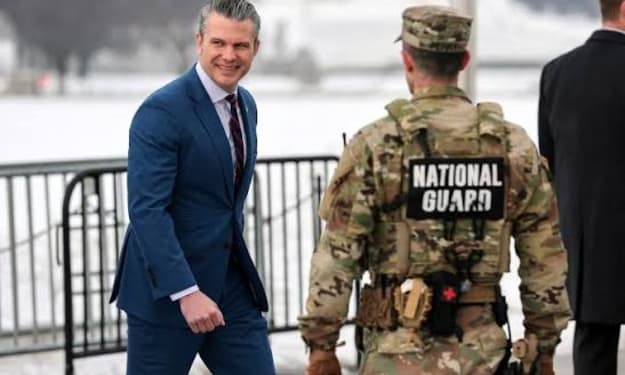
Hegseth Says Defense Department Will Cut Ties With Harvard. AI-Generated.
The U.S. Department of Defense will sever institutional ties with Harvard University, Secretary of Defense Pete Hegseth announced this week, citing concerns over what he described as “political activism, ideological bias, and misalignment with national security priorities” at the nation’s oldest university. The decision marks a dramatic escalation in tensions between the Trump administration and elite academic institutions, and signals a broader shift in how the Pentagon intends to work with universities on research, training, and policy development. Speaking at a press briefing at the Pentagon, Hegseth said the move was intended to protect the integrity of military partnerships and ensure that taxpayer-funded defense programs were aligned with the administration’s vision of national interest. “The Department of Defense will not partner with institutions that prioritize political ideology over patriotism and readiness,” he said. “We are reviewing all academic relationships to ensure they serve the mission of defending the American people.” A Longstanding Relationship Comes Under Scrutiny For decades, Harvard has maintained close connections with the U.S. military and national security agencies. Its Kennedy School of Government has trained generations of diplomats and defense officials, while university researchers have received Pentagon funding for work in areas such as artificial intelligence, cybersecurity, and biomedical science. Faculty members have also served as advisers on defense strategy and international policy. Hegseth’s announcement suggests that these partnerships will now be suspended or terminated. Pentagon officials said contracts and cooperative agreements involving Harvard are under review, with an emphasis on redirecting funding to institutions deemed more supportive of the administration’s priorities. Although no specific dollar figures were released, defense analysts note that Harvard-related projects represent only a small fraction of the Pentagon’s research budget. Symbolically, however, the decision carries weight because of Harvard’s influence in shaping policy debates and educating future leaders. Political and Cultural Tensions The decision comes amid heightened political scrutiny of universities over issues such as free speech, diversity policies, and protests related to foreign conflicts. Administration officials have repeatedly accused Ivy League schools of fostering environments hostile to conservative viewpoints and insufficiently supportive of U.S. military objectives. Hegseth, a former Fox News host and Army veteran, has long criticized elite institutions for what he calls “detachment from ordinary Americans and service members.” In his remarks, he argued that Harvard and similar universities had “lost their way” by embracing what he described as activist culture rather than national service. The Pentagon’s move also follows weeks of congressional hearings in which Republican lawmakers questioned whether federal funding should continue flowing to universities accused of tolerating anti-American or anti-Israel protests. Some lawmakers praised Hegseth’s decision as overdue, while others warned it could politicize defense research and undermine innovation. Harvard’s Response Harvard University responded cautiously, saying it was reviewing the Defense Department’s statement and seeking clarification. In a brief written response, a university spokesperson said Harvard “remains committed to academic freedom, rigorous research, and serving the public interest, including through partnerships with government agencies.” The statement added that the university has worked with the Defense Department for decades on projects intended to improve security, public health, and technological advancement. “We believe that open inquiry and collaboration strengthen national resilience,” the spokesperson said. Several faculty members expressed concern that the decision could harm students and researchers who rely on federal grants. One professor involved in defense-funded technology research described the move as “deeply troubling,” warning that political criteria could replace scientific merit in future funding decisions. Broader Implications for Defense Research Experts say the Pentagon’s decision could set a precedent affecting other universities. If Harvard is excluded, similar scrutiny could be applied to institutions such as Stanford, Yale, or MIT, which also have extensive defense partnerships. “This is not just about Harvard,” said a former Defense Department official. “It’s about whether academic independence can coexist with a government that wants ideological alignment from its partners.” The Defense Department spends tens of billions of dollars annually on research and development, much of it conducted at universities. These projects have historically fueled advances in computing, medicine, and aerospace. Critics fear that narrowing the pool of eligible institutions could slow innovation and weaken the U.S. technological edge. Supporters of the move argue the opposite: that defense funding should go to schools that emphasize national service and military cooperation rather than activism. Some conservative think tanks applauded the announcement, saying it sends a message that federal partnerships come with expectations of loyalty and shared values. A Signal to Higher Education The announcement fits into a broader campaign by the Trump administration to reshape its relationship with higher education. Beyond the Defense Department, other agencies are reportedly reviewing grants and contracts with universities over compliance with federal guidelines and political neutrality. Hegseth framed the decision as part of a cultural reset. “We want institutions that respect the military, honor the flag, and prepare students to serve the country, not tear it down,” he said. Whether the policy will survive legal challenges or future administrations remains uncertain. Harvard could seek to contest the termination of specific contracts, especially if they involve long-term research commitments. For now, the decision underscores how deeply politics has entered the realm of academic-government cooperation. What was once a largely technical partnership focused on research and training has become a battleground over ideology, culture, and the meaning of public service. As the Pentagon reassesses its academic ties, the break with Harvard may be only the first chapter in a larger reordering of how the U.S. military engages with the nation’s universities.
By Fiaz Ahmed 2 days ago in The Swamp
Roses Are Red, Violets Are Blue: Why Valentine’s Day Flowers Need a Redo. AI-Generated.
For decades, Valentine’s Day has been defined by a familiar ritual: bouquets of red roses wrapped in cellophane, paired with a card and perhaps a box of chocolates. While the tradition remains deeply ingrained in romantic culture, florists, environmental advocates, and consumers alike are beginning to question whether the holiday’s floral customs are outdated, unsustainable, and lacking in imagination. Each year, millions of roses are flown across continents to meet demand for February 14. Most of these flowers are grown in countries such as Kenya, Ecuador, and Colombia, then transported to Europe and North America in refrigerated cargo planes. By the time they reach shops, their carbon footprint is significant. According to industry estimates, Valentine’s Day accounts for one of the largest spikes in annual flower imports, with environmental costs rarely considered by buyers. Climate experts argue that the romance of roses comes with a hidden price. Energy-intensive greenhouses, chemical fertilizers, and long-distance shipping contribute to emissions and water use in already vulnerable regions. “We’ve turned flowers into a global commodity that travels thousands of miles for a single day of use,” said one sustainability researcher. “It’s emotionally meaningful but environmentally inefficient.” The Human Cost of Cheap Blooms Beyond environmental concerns, labor conditions in flower-growing regions have drawn scrutiny. Workers often face long hours, low pay, and exposure to pesticides during peak seasons such as Valentine’s Day and Mother’s Day. Advocacy groups have called for greater transparency in flower supply chains and stronger certification systems that ensure fair wages and safer working environments. While some farms have adopted ethical standards and eco-labels, these remain the exception rather than the rule. Consumers, critics say, are rarely aware of where their flowers come from or under what conditions they were produced. A Shift in Taste and Meaning At the same time, cultural attitudes toward Valentine’s Day are evolving. Younger generations are increasingly skeptical of rigid romantic scripts and mass-produced symbols of affection. Many see traditional red roses as predictable, expensive, and disconnected from personal expression. Florists report growing interest in alternative arrangements: seasonal wildflowers, dried bouquets, potted plants, and even edible gifts such as herb baskets or fruit trees. These options are often more sustainable and last far longer than cut roses that wilt within days. “People want something that reflects their partner’s personality, not just a cliché,” said a florist in London who has replaced imported roses with locally grown winter blooms. “A bouquet of winter branches and greenery can be just as beautiful and far more meaningful.” Some couples are abandoning flowers altogether in favor of shared experiences, charitable donations, or handmade gifts. The shift suggests that romance is being redefined from spectacle to intention. The Role of Social Media Social media has played a paradoxical role in both reinforcing and challenging floral traditions. Platforms such as Instagram and TikTok have long celebrated extravagant bouquets as symbols of devotion. Viral images of luxury arrangements have driven competition and consumer pressure, encouraging larger and more expensive purchases. Yet those same platforms have also fueled a counter-movement. Sustainability influencers and florists promote “slow flowers,” a philosophy that emphasizes seasonal, local, and chemical-free blooms. Tutorials on creating minimalist or reusable floral gifts have gained traction, especially among environmentally conscious audiences. Industry at a Crossroads The global flower industry now faces a crossroads between tradition and transformation. Some large retailers have begun offering eco-certified bouquets and highlighting the origins of their flowers. Others are experimenting with carbon-offset programs and recyclable packaging. Still, critics argue that these changes remain cosmetic unless demand itself shifts. Valentine’s Day, they say, exposes the tension between emotional symbolism and modern awareness of environmental and ethical responsibility. Economists also note that price inflation has affected the holiday ritual. Rising transportation costs and climate-related crop disruptions have made roses more expensive. In some markets, prices double or triple during the Valentine’s period, pushing consumers to seek alternatives. Redefining Romance Supporters of reform insist that updating Valentine’s flowers does not mean abandoning romance. Instead, it means aligning love with values such as care, sustainability, and authenticity. A locally grown bouquet, a living plant, or even a handwritten note may better reflect long-term commitment than a mass-imported rose. Cultural historians point out that Valentine’s traditions have always evolved. The red rose itself only became dominant in the 20th century, shaped by marketing and global trade. There is nothing fixed about today’s customs. “Romance is not about what you buy,” said one social commentator. “It’s about what you communicate. And communication can take many forms.” A New Valentine’s Symbol? As awareness grows, Valentine’s Day flowers may undergo a quiet transformation. Instead of uniform red roses, future celebrations could feature diverse, personal, and eco-friendly expressions of affection. Whether through locally sourced blooms, reusable gifts, or creative alternatives, the message remains the same: love can still be celebrated — just with fewer clichés and a lighter footprint. In an age defined by climate anxiety and changing social values, even something as simple as a bouquet is being reimagined. Roses may still be red and violets still blue, but the meaning of Valentine’s flowers is slowly being rewritten.
By Fiaz Ahmed 2 days ago in Longevity
After ‘Good Start’, Iran and U.S. Resolve to Keep Talking. AI-Generated.
In what diplomats are calling a cautious but meaningful step toward easing one of the Middle East’s most persistent geopolitical conflicts, Iran and the United States agreed this week to continue indirect nuclear negotiations after describing an initial round of talks in Oman as a “good start.” While no breakthrough agreement was reached, the tone from both sides reflects a mutual — if tentative — interest in keeping channels of communication open amid deep divisions over Tehran’s nuclear program and broader regional security concerns. Reuters The discussions, held Friday in Muscat and facilitated by Oman’s foreign ministry, were the first substantive indirect talks between the two countries since hostilities escalated following a short but intense conflict last year. Neither Tehran nor Washington announced concrete concessions, but both indicated that follow-up conversations would take place after further consultations in their respective capitals. Khaleej Times A Fragile Diplomatic Opening Iran’s Foreign Minister, Abbas Araghchi, described the meetings as a “good start” but stressed that dialogue requires restraint from external pressures. Speaking after the conclusion of the session in Muscat, Araghchi said that Iranian and U.S. officials had “exchanged views in a positive atmosphere” and that there was an “understanding on continuing the talks.” He added that the specific arrangements for the next round would be determined after further consultation at home. Apa.az Araghchi reiterated Tehran’s position that Iran would focus discussions strictly on its nuclear activities, rejecting attempts to broaden the agenda to include issues such as ballistic missiles, regional proxy relationships, or Iran’s domestic human rights record — matters that Washington has insisted should be part of any comprehensive dialogue. Khaleej Times For the United States, the talks offered an opportunity to engage Iran diplomatically while maintaining pressure on areas of disagreement. President Donald Trump’s administration sent a delegation that included senior envoys and advisers, underscoring Washington’s interest in preventing further escalation that could draw in regional powers or lead to broader conflict. Reuters The Context: Tensions and Calculations The backdrop for the Muscat talks remains highly charged. In mid-2025, U.S. and Israeli forces conducted airstrikes against Iranian nuclear facilities, prompting retaliatory missile attacks and sparking fears of a wider regional war. In response, the United States significantly increased its military presence in the region, deploying carrier groups and fighter jets to waters near Iran, reinforcing U.S. bases and air defenses. Khaleej Times Amid this security environment, both sides have had reason to seek some form of diplomatic engagement. For Tehran, economic challenges intensified by sanctions and internal unrest have heightened the appeal of negotiations that might eventually lead to relief from punitive measures. For Washington, reducing the risk of direct confrontation at a time of broader global tensions — including conflicts in Europe and the Middle East — has been a strategic priority. Reuters Despite their willingness to talk, fundamental disagreements persist. Iran maintains that its nuclear program is for peaceful purposes and insists on its sovereign right to enrich uranium at levels that the U.S. finds unacceptable. Washington, meanwhile, wants verifiable limits on enrichment and greater transparency in Iran’s activities but has so far not secured agreement from Tehran on these points. Khaleej Times Mixed Signals and Sanctions Complicating diplomatic efforts, Washington continued to impose sanctions even as talks took place. On the same day that negotiators met in Oman, U.S. authorities announced punitive measures targeting individuals, companies, and vessels linked to Iran’s petroleum exports and maritime trade networks. These actions underscore the Trump administration’s dual approach of pursuing diplomacy while maintaining economic pressure. Khaleej Times Iranian officials have publicly criticized what they view as persistent pressure tactics, calling for an environment free of threats and sanctions if negotiations are to proceed constructively. Araghchi and his delegation emphasized that Iran would participate in discussions only if they were framed around mutual respect and refraining from coercion. news.cgtn.com Regional and International Reactions Regional actors and global observers have watched the Muscat talks closely. Oman’s role as mediator highlights its long-standing diplomatic position and its ability to serve as a neutral ground for sensitive negotiations. Officials from the Gulf Cooperation Council and European capitals have expressed cautious optimism, stressing that even preliminary dialogue is preferable to further escalation. Khaleej Times Russia, an ally of Tehran, also has called for restraint and encouraged continued engagement, though it maintains its own complex relationship with Washington over issues ranging from Ukraine to Middle East security dynamics. Reuters Looking Ahead As both sides return to their capitals to consult advisers and leadership, future talks are expected to be slow and careful. Observers emphasize that the initial “good start” does not guarantee rapid progress. Deep mistrust — rooted in years of conflict, sanctions, and competing strategic goals — will challenge negotiators as they explore possible areas of compromise. Khaleej Times Regardless, the decision to continue diplomatic engagement marks a notable departure from periods of outright hostility and silence. For now, Tehran and Washington appear to share an interest in keeping the dialogue alive — even if the road ahead toward a lasting agreement remains long and uncertain.
By Fiaz Ahmed 2 days ago in The Swamp
Quiz of the Week: How Tall Are These Puffins?. AI-Generated.
Each week, readers are invited to test their knowledge of the natural world, current affairs, and curious facts through a popular “Quiz of the Week.” This time, the spotlight falls on one of the North Atlantic’s most beloved seabirds: the puffin. Known for their bright orange beaks, comical walk, and striking black-and-white plumage, puffins often appear larger or smaller in photographs depending on perspective. The quiz’s central question — how tall are these puffins? — challenges assumptions shaped by camera angles, landscapes, and visual illusions. Puffins are commonly called the “clowns of the sea,” but few people know their true dimensions. When standing upright, an Atlantic puffin typically measures between 25 and 30 centimeters (about 10 to 12 inches) tall. That places them roughly the height of a standard school ruler. However, photos taken with wide-angle lenses or against dramatic cliffs can make puffins appear far bigger — or surprisingly tiny — than they really are. The Science of Size Perception The quiz explores how human perception can be misled when viewing wildlife images without a frame of reference. A puffin perched on a cliff ledge may look imposing when photographed close up, but when compared with surrounding rocks or vegetation, its modest height becomes clear. Conversely, when puffins are photographed next to larger seabirds like gulls or gannets, they can appear smaller than expected. This phenomenon is part of a broader psychological effect known as size constancy illusion, where the brain attempts to judge an object’s size without enough environmental clues. Wildlife photographers often use this effect deliberately to create dramatic compositions, sometimes leading viewers to misjudge scale. The quiz presents a series of images of puffins in different settings — standing on grass, perched on rocks, and flying near the sea — asking participants to estimate their height. Many answers submitted by readers tend to overshoot the true figure, with guesses ranging from 40 to 60 centimeters. Puffins in the Wild Puffins inhabit coastal regions of the North Atlantic, nesting on cliffs and grassy slopes in Iceland, Norway, Scotland, Ireland, and parts of Canada. Despite their small stature, puffins are remarkable flyers and swimmers. Their wings beat rapidly — up to 400 times per minute — enabling them to “fly” underwater while hunting fish such as sand eels and herring. Their compact size is an evolutionary advantage. Being small allows puffins to maneuver easily both in the air and underwater, while their dense feathers provide insulation against cold ocean temperatures. During breeding season, their beaks turn bright orange and yellow, a visual signal used in courtship and recognition. Why Puffins Fool the Eye One reason puffins appear larger than they are is their upright posture. Unlike many seabirds that crouch or hunch forward, puffins stand tall, with their chest pushed outward and head held high. This posture gives them a confident, almost penguin-like silhouette. Another factor is their oversized beak, which can account for a significant portion of their visible profile. In photographs, the beak draws attention and exaggerates their apparent scale. When viewers focus on the beak rather than the body, the brain subconsciously inflates the bird’s overall size. The quiz highlights how lighting and background also influence perception. A puffin against a clear blue sky looks larger than one surrounded by dense vegetation or other animals. Shadows and contrast can further distort how big or small the bird seems. Education Through Play The “Quiz of the Week” format is designed not just for entertainment but also for learning. By using puffins as the subject, the quiz draws attention to wildlife awareness and ecological literacy. Readers come away not only with a corrected sense of scale but also with a deeper appreciation of how animals are adapted to their environments. Educators have praised this approach for encouraging observation skills. Instead of simply providing facts, the quiz asks participants to reason visually, estimate measurements, and compare images critically. In an age dominated by digital images and social media, these skills are increasingly important. Puffins and Conservation Beyond the quiz, puffins face serious challenges in the real world. Climate change has affected fish stocks, making it harder for puffins to find food during breeding season. Rising sea temperatures and overfishing have contributed to declining populations in some regions, particularly in the UK and Iceland. Conservation groups stress that understanding and appreciating puffins — including their true size and physical traits — can help foster public support for protective measures. The quiz serves as a light-hearted entry point into a much heavier topic: the fragile balance of marine ecosystems. A Small Bird with Big Appeal Ultimately, the quiz’s answer surprises many participants: puffins are smaller than expected, yet their charm is enormous. Standing just a foot tall, they manage to capture global attention through personality, color, and behavior. The popularity of the quiz reflects a wider fascination with nature and visual puzzles. By asking a simple question — how tall are these puffins? — it opens the door to scientific insight, conservation awareness, and a reminder that appearances can be deceiving. In the end, the lesson is clear: puffins may be small in stature, but they loom large in the imagination. And sometimes, the best way to learn about the natural world is through a question that makes us look twice.
By Fiaz Ahmed 2 days ago in Longevity
Saudi’s Neom Replaced by Almaty as Asian Winter Games Host. AI-Generated.
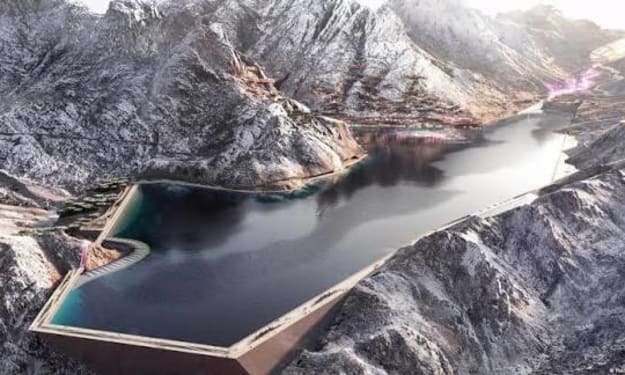
The Olympic Council of Asia (OCA) has officially announced that Almaty, Kazakhstan, will host the upcoming Asian Winter Games, replacing Saudi Arabia’s futuristic mega-city project Neom. The decision follows months of growing concerns over logistical readiness, infrastructure delays, and the unprecedented challenge of staging a major winter sports event in a desert region. Saudi Arabia had initially won the bid to host the Games as part of its ambitious Vision 2030 strategy, which seeks to transform the kingdom into a global hub for sports, tourism, and entertainment. The selection of Neom — a planned $500-billion high-tech city on the Red Sea — was intended to showcase Saudi Arabia’s technological innovation, including indoor ski slopes and artificial snow facilities. However, the project’s timelines and technical feasibility have increasingly come under scrutiny. Concerns Over Readiness and Climate Sources close to the OCA said the decision was driven by “practical and sporting considerations.” Hosting winter events such as alpine skiing, biathlon, and snowboarding in a region with no natural snowfall would have required massive energy consumption and artificial snow production, raising both environmental and operational questions. Despite Saudi assurances that Neom’s Trojena mountain resort would be ready in time, inspectors reportedly found that several core venues were still under construction and far from competition-ready. Transportation networks, athlete villages, and safety infrastructure also remained incomplete. In contrast, Almaty offered a proven winter sports environment. The Kazakh city sits near the Tian Shan mountains and already boasts world-class facilities, including the Medeu speed skating rink and Shymbulak ski resort. These venues previously hosted international competitions and require minimal new construction. An OCA official said the choice of Almaty ensures “certainty, sustainability, and athlete safety,” adding that the organization could not risk delays that might compromise the Games’ credibility. Saudi Arabia’s Strategic Setback For Saudi Arabia, the loss of hosting rights represents a notable setback in its sports diplomacy campaign. Over the past decade, the kingdom has invested heavily in international sporting events, including Formula One races, boxing championships, and football tournaments. The Asian Winter Games were meant to symbolize Saudi Arabia’s leap into non-traditional sports and its technological capacity to overcome environmental limits. In a brief statement, Saudi officials said they respected the OCA’s decision and would continue developing Neom and its tourism infrastructure. They emphasized that Trojena remains a key part of the country’s long-term vision and that winter tourism projects would proceed regardless of the Games. However, analysts say the reversal exposes the tension between ambition and feasibility. “Neom represents Saudi Arabia’s desire to redefine what is possible, but mega-events require reliability,” said one regional sports policy expert. “The OCA opted for a safer option.” Almaty’s Opportunity Kazakhstan welcomed the announcement as a chance to reaffirm its status as Central Asia’s leading winter sports destination. Government officials said hosting the Games would boost tourism, generate jobs, and enhance the country’s international profile. Almaty previously bid for the 2022 Winter Olympics and narrowly lost to Beijing. Local authorities view the Asian Winter Games as both a consolation prize and a stepping stone toward future Olympic ambitions. Preparations are expected to focus on upgrading existing venues rather than constructing new ones, aligning with sustainability goals promoted by international sporting bodies. Kazakh President Kassym-Jomart Tokayev praised the decision, saying it reflected “confidence in Kazakhstan’s sporting infrastructure and organizational experience.” Environmental and Ethical Debate The change in host city also reflects a broader shift in how international sporting organizations view climate and sustainability. Critics of the Neom bid argued that building winter sports facilities in a desert region contradicted environmental responsibility, especially amid global climate concerns. Human rights groups had also raised questions about labor conditions and transparency linked to large construction projects in Neom. While the OCA did not publicly cite these issues as decisive factors, observers note that they likely contributed to the organization’s cautious stance. By contrast, Almaty’s natural climate and existing venues reduce the need for large-scale construction and carbon-intensive snowmaking, making it a more environmentally defensible choice. Looking Ahead The Asian Winter Games will now move forward under Almaty’s stewardship, with organizers promising a traditional winter sports atmosphere and strong regional participation. Athletes and national federations have largely welcomed the decision, expressing relief that competitions will take place in a location designed for snow and ice events. For Saudi Arabia, the episode underscores the challenges of transforming bold visions into operational realities. While Neom remains a symbol of future ambition, the reassignment of the Games highlights the limits of innovation when confronted with climate, timelines, and international sporting standards. As preparations begin in Kazakhstan, the shift from desert megacity to mountain metropolis marks a return to conventional winter sports logic — and a reminder that even the most ambitious projects must meet practical demands when hosting the world’s athletes.
By Fiaz Ahmed 2 days ago in The Swamp
Ramadan Work Hours in UAE: Private Sector Rules, Exemptions and Overtime Explained. AI-Generated.
As the holy month of Ramadan begins, working hours across the United Arab Emirates are adjusted in line with federal labor regulations designed to support fasting employees while maintaining productivity in both public and private sectors. For private sector companies in particular, the rules surrounding reduced working hours, exemptions, and overtime often raise questions for employers and employees alike. Under UAE labor law, private sector employees are entitled to a reduction in daily working hours during Ramadan, regardless of whether they are fasting. This provision reflects the government’s commitment to ensuring worker welfare while respecting the religious significance of the month. Reduced Working Hours According to the UAE Ministry of Human Resources and Emiratisation (MOHRE), the standard working day for private sector employees is reduced by two hours per day during Ramadan. This applies to all workers, including Muslim and non-Muslim employees, and is not limited only to those who are fasting. For example, if an employee normally works eight hours per day, their Ramadan schedule becomes six hours per day. Employers are free to decide how these reduced hours are structured, whether through earlier closing times, split shifts, or flexible scheduling, as long as the total daily working time does not exceed the adjusted limit. The regulation aims to strike a balance between religious observance and business continuity, particularly in sectors such as retail, logistics, and hospitality that experience fluctuating demand during the holy month. Exemptions and Special Sectors While the two-hour reduction is mandatory, certain categories of workers may be exempt due to the nature of their roles. These typically include: Security personnel Healthcare workers Public utility staff Hospitality and tourism employees Transport and logistics workers In these sectors, companies may continue to operate full shifts if required for operational reasons. However, employees working beyond the reduced Ramadan hours are entitled to overtime compensation in accordance with labor law. MOHRE has emphasized that any exemptions must still respect employee rights, including rest periods and overtime pay. Employers cannot use Ramadan exemptions as a reason to impose excessive working hours without compensation. Overtime Rules During Ramadan Overtime regulations remain in effect during Ramadan, just as they do throughout the rest of the year. If an employee works more than the reduced daily hours, that additional time qualifies as overtime and must be compensated accordingly. Under UAE labor law: Overtime pay must be at least 25% higher than the normal hourly wage. If overtime occurs between 10 p.m. and 4 a.m., compensation must be increased by at least 50%, unless the employee works in shift-based roles such as hospitality or security. Employees cannot be required to work more than two extra hours per day, except in cases where preventing significant business loss is necessary. This ensures that workers who continue to operate critical services during Ramadan are fairly rewarded for the additional burden. Remote Work and Flexible Arrangements In recent years, many private companies have adopted flexible working arrangements during Ramadan, including remote work, hybrid schedules, and staggered shifts. While not legally required, these practices have become increasingly common and are encouraged by government authorities as a way to support work-life balance. Some employers allow staff to start earlier in the morning and leave before afternoon heat and traffic peak times, while others introduce split shifts that accommodate prayer times and Iftar preparation. Human resource specialists note that productivity often remains stable during Ramadan when flexible policies are applied thoughtfully. Reduced working hours combined with clear performance expectations can lead to higher morale and stronger employee loyalty. Penalties for Non-Compliance MOHRE has warned that companies failing to implement the reduced working hours or denying overtime compensation may face administrative penalties and inspections. Employees who believe their rights have been violated can file a complaint through MOHRE’s hotline or digital platforms. Authorities regularly conduct inspections during Ramadan to ensure that businesses adhere to labor regulations and that employee welfare is protected. Private Sector vs Public Sector It is important to distinguish between private and public sector rules. While both sectors benefit from reduced hours, government entities typically announce separate official working schedules that may include shorter daily hours or extended weekend breaks. Private sector companies must follow MOHRE guidelines rather than public sector announcements, which often leads to confusion among employees working for multinational firms. Cultural and Business Impact Ramadan brings significant changes to workplace culture across the UAE. Meetings are often scheduled earlier in the day, business lunches are replaced with evening gatherings, and productivity rhythms adjust to accommodate fasting and prayer. For many companies, Ramadan is also a period of increased corporate social responsibility, with initiatives such as charity drives, community iftars, and employee support programs becoming more visible. Looking Ahead As the UAE continues to modernize its labor framework, Ramadan working hour regulations remain a cornerstone of employee protection and religious accommodation. The two-hour reduction, combined with overtime safeguards and flexible work policies, reflects a legal system that balances economic activity with cultural respect. For employees, understanding these rules helps ensure fair treatment during the holy month. For employers, compliance is not only a legal requirement but also an opportunity to foster goodwill and maintain a motivated workforce. With proper planning and adherence to regulations, Ramadan in the UAE can remain a period of both productivity and reflection — a unique blend of professional responsibility and spiritual observance.
By Fiaz Ahmed 2 days ago in The Swamp