Fiaz Ahmed
Bio
I am Fiaz Ahmed. I am a passionate writer. I love covering trending topics and breaking news. With a sharp eye for what’s happening around the world, and crafts timely and engaging stories that keep readers informed and updated.
Stories (951)
Filter by community
The NATO Soldiers Training to Defend Europe Against Putin. AI-Generated.
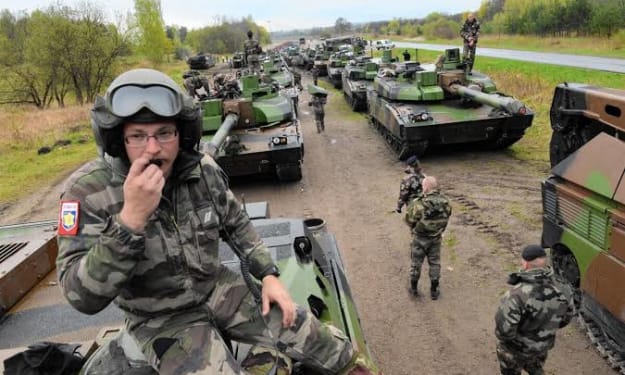
Across forests in Poland, frozen plains in the Baltics, and military bases in Germany and Romania, thousands of NATO soldiers are preparing for a scenario that until recently seemed unthinkable: a direct confrontation with Russia. Since Moscow’s invasion of Ukraine, the alliance has transformed its training programs to focus on defending Europe’s eastern flank against what it sees as a long-term and growing threat from President Vladimir Putin’s military ambitions. These exercises are no longer symbolic displays of unity. They are large-scale, realistic war games designed to test how NATO forces would respond if Russia attempted to expand the conflict beyond Ukraine. Tanks thunder across muddy fields, fighter jets practice coordinated strikes, and cyber units simulate attacks on communication networks. The message is clear: NATO is shifting from decades of crisis management to full territorial defense. A New Era of Training For years after the Cold War, NATO focused its military training on counterterrorism missions and overseas operations in places like Afghanistan and Iraq. That changed dramatically in 2022. Today, alliance planners are rebuilding skills needed for high-intensity warfare between powerful armies. In Poland, multinational battalions made up of troops from the United States, Britain, Germany, and other allies conduct joint drills near the border with Belarus. These soldiers practice rapid deployment, air defense coordination, and battlefield medicine under conditions meant to mirror real combat. Officers say the goal is to ensure that forces from different countries can fight as one unit if a crisis erupts. “This is about deterrence,” said a senior NATO commander overseeing exercises in Eastern Europe. “We want to make it absolutely clear that any attack on one ally will be met with a united and prepared response.” Learning From Ukraine Much of the training now draws lessons directly from the war in Ukraine. The widespread use of drones, electronic warfare, and long-range artillery has reshaped how soldiers prepare for combat. NATO troops are learning how to operate under constant surveillance and how to protect themselves from missile strikes and cyber disruptions. In Germany, training centers have introduced simulations that replicate urban combat similar to the battles seen in cities like Mariupol and Bakhmut. Soldiers practice moving through destroyed buildings, evacuating civilians, and coordinating with intelligence units that track enemy movements in real time. The emphasis is also on logistics. Ukraine’s war has shown that supply lines can determine the outcome of battles. NATO forces are now rehearsing how to move fuel, ammunition, and medical supplies quickly across borders, overcoming bureaucratic and infrastructure obstacles that once slowed deployments. Expanding the Eastern Front Since Russia’s invasion, NATO has increased its troop presence in Eastern Europe from about 40,000 to more than 100,000 at peak readiness. New battlegroups have been established in countries such as Slovakia, Hungary, Bulgaria, and Romania, in addition to existing deployments in the Baltic states and Poland. These units are not only defensive but also symbolic. They demonstrate that an attack on any one of these countries would immediately involve multiple NATO members. For soldiers from smaller nations, training alongside major military powers provides reassurance that they are not alone. A Lithuanian officer participating in joint exercises said the cooperation has transformed the region’s security outlook. “We used to worry about how fast help would arrive,” he said. “Now help is already here.” Psychological Readiness Beyond weapons and tactics, NATO is also focusing on the mental preparedness of its soldiers. The possibility of conflict with Russia carries enormous political and emotional weight. Commanders say troops must be ready for a long-term standoff, not just a short deployment. Many soldiers speak openly about the seriousness of their mission. A British infantryman stationed in Estonia said the training feels different from previous exercises. “You know this isn’t theoretical,” he said. “You’re training for something that could actually happen.” NATO has also increased cooperation with civilian authorities, rehearsing responses to hybrid threats such as sabotage, disinformation campaigns, and attacks on critical infrastructure like power grids and railways. Russia Watches Closely Moscow has repeatedly condemned NATO’s military buildup near its borders, calling it provocative and dangerous. Russian officials argue that the alliance’s expansion and exercises are proof that the West is preparing for confrontation. NATO leaders reject that accusation, insisting their actions are purely defensive. They point out that Russia’s invasion of Ukraine forced the alliance to reconsider its posture. Finland and Sweden’s decision to join NATO further underlines how security calculations across Europe have shifted. Military analysts warn that this new phase of deterrence carries risks. Large-scale exercises and troop movements increase the chances of misunderstandings or accidents. That makes communication channels between NATO and Russia more important than ever, even as political relations remain deeply strained. Preparing for the Long Term NATO’s training programs are expected to continue expanding in the coming years. Member states are increasing defense budgets and investing in modern equipment, including missile defense systems, advanced aircraft, and cyber capabilities. The alliance is also developing new response plans for different types of threats, from conventional invasions to cyberattacks and space-based warfare. For the soldiers on the ground, the focus remains practical: be ready, work together, and deter aggression before it starts. Exercises may end after a few weeks, but the message they send is constant. As one NATO general put it, “We train so we never have to fight. But if we must fight, we will not be unprepared.” The soldiers training across Europe today represent a continent reshaping its defenses for an uncertain future. Whether their presence prevents conflict or merely postpones it remains unknown. What is certain is that NATO is signaling its determination to defend every inch of its territory against any challenge from Moscow — and to ensure that the lessons of Ukraine are not ignored.
By Fiaz Ahmed 5 days ago in The Swamp
Henrique Capriles, Venezuelan Opposition Leader: What Comes Next for Venezuela?. AI-Generated.
Henrique Capriles Radonski, one of Venezuela’s most enduring opposition figures, stands at a crossroads as the country enters an unpredictable new chapter in its political life. Decades after rising to prominence as a challenger to Hugo Chávez and Nicolás Maduro, Capriles’s role is shifting in response to seismic developments — including the arrest of Maduro, the emergence of controversial amnesty laws, and ongoing fractures within the broader opposition movement. Capriles has long been a central voice in Venezuela’s struggle for democratic governance, even as the political landscape has fractured and shifted around him. Born in Caracas in 1972, Capriles entered politics in the 1990s and quickly rose through the ranks, becoming a member of Venezuela’s Congress and later governor of Miranda state. He gained national visibility in 2012 when he ran as the unified opposition candidate against President Hugo Chávez in a landmark election. Chávez won with about 55 percent of the vote, but Capriles’s challenge marked a significant moment in the country’s political polarization. Encyclopedia Britannica A Shift from Presidency to Legislative Politics Capriles later challenged Nicolás Maduro in the 2013 presidential election following Chávez’s death. The result was extremely close — Maduro was declared the winner with just over 50 percent of the vote, while Capriles secured nearly 49 percent. Capriles rejected the results and called for full recounts, alleging irregularities. Encyclopedia Britannica For many years, Capriles remained one of the most prominent opposition voices, advocating democratic reforms and criticizing what he described as authoritarian tendencies in the Maduro government. At times, he diverged from other opposition leaders, rejecting abstentionist strategies and arguing instead for active participation in elections as a means of challenging the ruling Socialist Party’s grip on power. Peoples Dispatch In 2025, Capriles regained his political eligibility after years of being barred from office — a ban that had prevented him from running for public office — and entered the National Assembly elections. Running under the banner of a new political grouping, Unión y Cambio (UNICA), Capriles was elected as a deputy, giving him a renewed platform within Venezuela’s legislative framework. Opposition Reconfiguration and Internal Strains Capriles’s political choices have sometimes placed him at odds with larger blocs of the opposition. In 2025, he was expelled from the opposition party Primero Justicia alongside other leaders who chose to contest elections rather than following calls to boycott them as part of an abstentionist strategy. This rupture underscored deeper divisions within the opposition about how best to confront the Maduro regime. The opposition landscape has also been shaped by the rise of other figures such as María Corina Machado, whose hardline stance and international profile have at times diverged from Capriles’s more institutional approach. El País reported in early 2026 that Capriles and Machado represent rival leadership currents within the opposition as various voices emerge in a political environment that some see as more plural but also more fractious. EL PAÍS English Capriles has criticized strategies that dismiss electoral participation, stressing that abstention — or refusing to contest contested processes — ultimately weakens the opposition’s influence and cedes ground to the ruling party. This reflects his longstanding belief that democracy must be defended not only in the streets but also through electoral and legal channels. Peoples Dispatch Maduro’s Arrest and the Political Shockwave The context for Capriles’s political next steps has been fundamentally altered by extraordinary events. In early 2026, former Venezuelan President Nicolás Maduro was captured by U.S. federal authorities on narcoterrorism and drug trafficking charges, creating a political vacuum in a country long dominated by the Maduro administration. This has triggered a turbulent transitional period, with acting President Delcy Rodríguez and the National Assembly pushing forward legislative changes including an expansive amnesty law aimed at releasing political prisoners — a move that could reshape political participation and reintegration for many opposition figures. Capriles has publicly advocated for fundamental conditions for any political transition, including the release of all political prisoners and clear guarantees for free and fair elections. In video statements to the press and social media, he has stressed that a credible transition must begin with restoring basic civil liberties and dismantling systems of repression before electoral contests can be meaningful. YouTube Amnesty, Reconciliation, and Political Calculus The amnesty bill proposed by Rodríguez and advancing through the legislature could benefit many imprisoned opposition leaders and activists, but critics warn that without clear guarantees and transparency, it could also be used to shape political allegiances or shield serious abuses from accountability. Human rights groups have cautiously welcomed parts of the law as a step toward reconciliation while underscoring the need for justice and rule of law. Financial Times Capriles’s position in this evolving context is nuanced. He supports measures that genuinely promote democratic participation and protect Venezuelans’ political freedoms, yet he remains wary of superficial reforms that fail to address systemic issues. This places him in a potential kingmaker role as the opposition negotiates unity, strategy, and objectives in the face of ongoing political flux. What Comes Next for Venezuela? Looking ahead, Venezuela’s trajectory will likely be shaped by several converging dynamics: Reconfiguration of Opposition Forces: Capriles and other leaders face the challenge of uniting a fragmented opposition behind a coherent strategy, balancing participation in electoral politics with demands for democratic guarantees and accountability. Transition Politics Post-Maduro: With Maduro detained and an amnesty package unfolding, the country may enter a transitional phase that could open space for new political actors but also create uncertainty about institutional legitimacy and power sharing. International Influence and Oversight: The involvement of international bodies — from the International Criminal Court’s expanded presence in Caracas to ongoing external diplomatic pressure — adds layers of complexity to domestic politics and could shape the pace and nature of political change. infobae Public Confidence and Economic Realities: Beyond politics, Venezuela grapples with profound economic and social challenges. Any meaningful political shift will need to address people’s urgent needs while rebuilding trust between citizens and institutions. Capriles’s future role will depend on his ability to navigate these fault lines — bridging divides within the opposition, anchoring democratic demands, and articulating a vision that resonates beyond narrow partisan bases. Whether he emerges as a unifying elder statesman, a pragmatic legislator, or a polarizing figure remains to be seen, but his influence on Venezuela’s path forward remains undeniable.
By Fiaz Ahmed 5 days ago in The Swamp
What Trump’s Plans for the Arctic Mean for the Global Climate Crisis. AI-Generated.
Former U.S. President Donald Trump’s renewed focus on the Arctic has revived debate over one of the world’s most fragile and strategically important regions. His proposals to expand oil and gas drilling, strengthen military presence, and assert American influence in the far north have significant implications not only for U.S. policy but for the global climate crisis. The Arctic is warming nearly four times faster than the rest of the planet, according to scientific studies. Melting ice caps, thawing permafrost, and shrinking glaciers are already transforming ecosystems and indigenous livelihoods. Any decision to intensify industrial activity in the region risks accelerating these changes and undermining international efforts to limit global warming. Energy Expansion vs Climate Commitments Trump has long argued that the Arctic represents an untapped source of economic growth and energy independence. During his presidency, his administration opened large portions of Alaska’s Arctic National Wildlife Refuge (ANWR) and other federal lands to oil and gas exploration. He framed these moves as a way to reduce reliance on foreign energy and create jobs. Critics say this approach ignores the broader climate consequences. Extracting and burning Arctic fossil fuels would add millions of tons of carbon dioxide to the atmosphere. Environmental groups argue that expanding drilling in one of the most climate-sensitive regions of the world sends the wrong signal at a time when nations are trying to transition to renewable energy. Climate scientists warn that Arctic development carries higher risks than drilling elsewhere. Oil spills are harder to clean in icy waters, and infrastructure built on melting permafrost is more likely to fail. These hazards increase the chance of long-term environmental damage. Strategic and Geopolitical Stakes Trump’s Arctic ambitions are not limited to energy. The region is becoming a new arena of geopolitical competition as melting ice opens shipping routes and access to natural resources. Russia and China have invested heavily in Arctic infrastructure, ports, and military bases. Trump repeatedly emphasized the need for the U.S. to counter these moves. His administration sought to expand the U.S. Coast Guard fleet of icebreakers and increase military readiness in Alaska and the Arctic Ocean. Supporters argue this is necessary to protect national security and maintain freedom of navigation. However, environmental advocates worry that militarization could further disrupt fragile ecosystems and divert attention from climate cooperation. The Arctic Council, an international forum that includes the U.S., Russia, Canada, and Nordic countries, was created to promote scientific collaboration and environmental protection. Trump’s more confrontational stance raised concerns that climate diplomacy in the Arctic could be sidelined by strategic rivalry. Impact on Indigenous Communities Indigenous peoples living in the Arctic, including Alaska Native communities, are among the first to experience the consequences of warming temperatures. Coastal erosion, collapsing ice roads, and declining wildlife populations threaten traditional hunting and fishing practices. Some local leaders support limited development for economic reasons, including job creation and infrastructure investment. Others strongly oppose drilling, arguing it puts their culture and environment at risk. Trump’s plans have intensified these divisions, with critics saying decisions were often made without sufficient consultation with affected communities. Human rights groups note that indigenous voices are frequently marginalized in national debates about Arctic policy. They argue that sustainable development and climate adaptation should take priority over short-term resource extraction. Global Climate Consequences What happens in the Arctic does not stay in the Arctic. The region plays a critical role in regulating the Earth’s climate. Sea ice reflects sunlight back into space; when it melts, darker ocean water absorbs more heat, accelerating warming in a process known as the albedo effect. Thawing permafrost also releases methane, a greenhouse gas far more potent than carbon dioxide in the short term. Scientists warn that large-scale Arctic industrial activity could trigger feedback loops that make it much harder to meet global climate targets set under agreements like the Paris Accord. Trump withdrew the U.S. from the Paris Agreement during his presidency, arguing it unfairly restricted American industry. Although the U.S. later rejoined under President Joe Biden, Trump has signaled skepticism toward international climate commitments, raising fears that Arctic policy could once again shift toward aggressive exploitation if he returns to power. A Dividing Line in Climate Politics Trump’s Arctic vision reflects a broader divide in global climate politics: economic growth versus environmental protection. Supporters say America should use its natural resources to strengthen its economy and security. Opponents counter that the climate crisis demands restraint, innovation, and a move away from fossil fuels altogether. European nations and environmental organizations have called for the Arctic to be treated as a protected zone rather than a new frontier for extraction. Some have proposed moratoriums on Arctic drilling, citing the region’s vulnerability and global importance. Conclusion Trump’s plans for the Arctic carry consequences far beyond U.S. borders. They affect not only energy markets and geopolitics but also the future of the global climate system. As ice continues to melt and competition intensifies, the choices made by major powers will shape whether the Arctic becomes a symbol of cooperation and conservation or a battleground for resources. The debate underscores a central question of the climate era: will the world prioritize short-term economic gains, or recognize that protecting the Arctic is essential to protecting the planet itself?
By Fiaz Ahmed 5 days ago in The Swamp
US Expresses Solidarity After Balochistan Attacks, Says It Stands ‘Steadfast’ With Pakistan. AI-Generated.
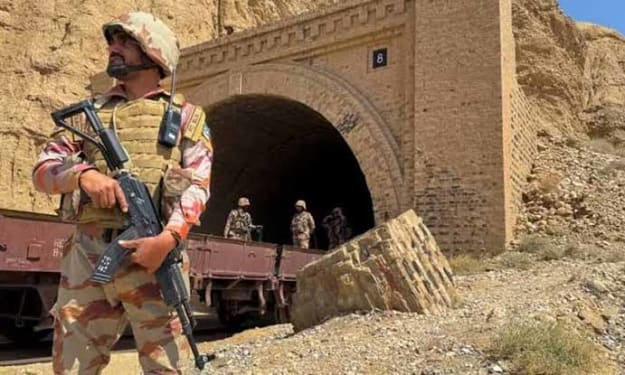
The United States has expressed strong solidarity with Pakistan following a series of deadly attacks in the southwestern province of Balochistan, reaffirming its commitment to stand “steadfast” with the country in its fight against terrorism and violent extremism. The statement comes amid heightened security concerns after coordinated assaults targeted civilians and security personnel, drawing widespread condemnation from the international community. In an official statement released by the US State Department, Washington conveyed its condolences to the families of the victims and emphasized its continued partnership with Pakistan to counter militant threats. “The United States stands steadfast with Pakistan and the Pakistani people during this difficult time,” the statement said, adding that acts of violence against innocent civilians are “unacceptable and must be confronted collectively.” Deadly Attacks in Balochistan The attacks occurred in multiple districts of Balochistan, a province that has long struggled with insurgency, separatist movements, and militant activity. According to Pakistani authorities, gunmen and suicide attackers targeted security checkpoints and public areas, killing several people and injuring dozens more. Emergency services were rushed to the scenes, while hospitals in nearby cities were placed on high alert. Security forces launched search operations to track down those responsible, sealing off affected areas and increasing patrols across major towns. Officials described the attacks as a deliberate attempt to destabilize the region and undermine development projects underway in the province. Balochistan, Pakistan’s largest province by area but least populated, has been at the center of security challenges for years. It is also a strategic region due to its mineral resources and its location along the Arabian Sea, including the Gwadar port, which is a key part of the China-Pakistan Economic Corridor (CPEC). International Condemnation The US response was among several messages of support from foreign governments and international organizations. American officials reiterated their opposition to terrorism in all its forms and stressed the importance of regional cooperation to prevent such attacks from recurring. A senior US official said Washington remains committed to working closely with Pakistan’s law enforcement and intelligence agencies. “We recognize the sacrifices Pakistan has made in combating terrorism, and we will continue to support efforts that promote peace and stability,” the official noted. The US embassy in Islamabad also issued a message of sympathy, expressing condolences to the victims’ families and wishing a swift recovery to those injured. It highlighted the long-standing security cooperation between the two countries, including joint counterterrorism initiatives and training programs. Pakistan’s Response Pakistan’s leadership strongly condemned the attacks, calling them an assault on national unity and public safety. The Prime Minister vowed that those responsible would be brought to justice and reaffirmed the government’s resolve to eliminate terrorism from the country. In a televised address, he said the violence would not deter Pakistan from pursuing economic development and regional connectivity. “Our enemies want to spread fear and chaos, but they will fail,” he stated. “The nation stands united with our security forces.” The Interior Ministry announced stricter security measures in sensitive districts of Balochistan, including increased checkpoints, intelligence-based operations, and coordination with provincial authorities. Officials also urged citizens to remain vigilant and report suspicious activity. Strategic Importance of Balochistan Analysts note that Balochistan’s security situation has broader regional implications. The province borders Iran and Afghanistan, making it vulnerable to cross-border militant movements and smuggling networks. Instability in the area also affects key infrastructure and investment projects, which are vital for Pakistan’s economic growth. The US statement of solidarity is seen as part of a broader effort to maintain stability in South Asia and prevent extremist groups from exploiting regional tensions. Washington has repeatedly emphasized that a secure and prosperous Pakistan is essential for peace in the wider region. Some observers say the renewed diplomatic support may also signal an attempt to strengthen bilateral relations after years of fluctuating ties. While cooperation between the two countries has faced challenges in the past, counterterrorism remains a shared priority. Human Cost and Community Impact Beyond the political and strategic implications, the attacks have left deep scars on local communities. Families mourned their loved ones as funeral prayers were held under heavy security. Survivors described scenes of chaos and fear, with many calling for stronger protection and justice. Human rights organizations have urged authorities to ensure that counterterrorism operations respect the rule of law and protect civilian lives. They stressed the importance of addressing not only security concerns but also the underlying social and economic grievances that fuel unrest in the province. Looking Ahead The US pledge to stand “steadfast” with Pakistan underscores the continued importance of international cooperation in addressing terrorism. Both countries have signaled that dialogue, intelligence sharing, and joint efforts will remain central to preventing future attacks. As Pakistan continues its operations in Balochistan, officials say they are determined to restore calm and ensure that development projects can proceed without disruption. For Washington, the latest statement reflects a recognition that long-term stability in Pakistan is closely linked to global security. While the investigations into the attacks continue, the message from both Islamabad and Washington is clear: violence will not be allowed to derail efforts toward peace, and those responsible will face justice.
By Fiaz Ahmed 5 days ago in The Swamp
US Navy Fires Commander Due to Loss of Confidence. AI-Generated.
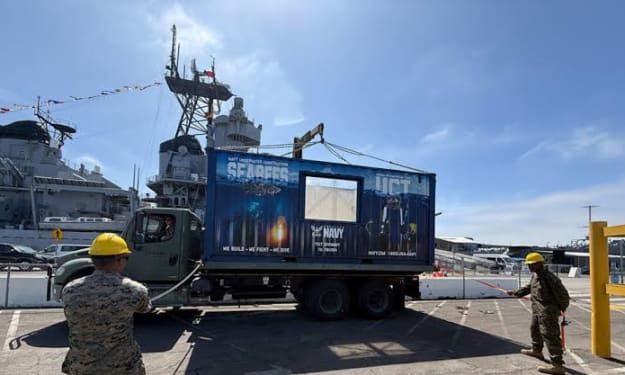
The United States Navy has removed a senior commander from duty, citing a “loss of confidence” in their ability to lead, a phrase commonly used by the military to describe serious concerns over performance or conduct. The decision highlights the Navy’s strict standards of leadership and accountability, particularly at a time of heightened global security challenges and operational demands. In a brief statement, Navy officials confirmed that the commander was relieved of duty following an internal review. While specific details were not immediately disclosed, the Navy emphasized that the action was taken to maintain good order and discipline within the force. “Commanders are held to the highest standards of responsibility, professionalism, and integrity,” the statement said. “When those standards are not met, decisive action is required.” Meaning of “Loss of Confidence” In military terminology, being removed for “loss of confidence” does not necessarily imply criminal wrongdoing. It can result from a range of issues, including leadership failures, poor judgment, operational mistakes, or behavior that undermines trust within the unit. The phrase allows the service to protect privacy while signaling that the individual can no longer effectively command. Defense analysts note that such removals, while not uncommon, are significant because command positions carry immense authority and responsibility. A commander is expected to ensure mission readiness, safeguard personnel, and uphold the Navy’s core values. The Navy did not release the commander’s name in initial statements, citing personnel privacy rules. An acting commander has been appointed to ensure continuity of operations, and the unit will continue its mission without disruption, officials said. Context of the Decision The firing comes at a time when the US Navy is facing increased operational pressures in multiple regions, including the Indo-Pacific, the Middle East, and Europe. Maintaining discipline and effective leadership is seen as essential as the service responds to rising tensions with rival powers and ongoing conflicts around the world. Sources familiar with the matter said the decision followed an investigation into issues related to command climate and leadership performance. While not classified, the findings reportedly raised concerns significant enough to justify removal. Military officials stressed that the move reflects the Navy’s commitment to accountability, regardless of rank. “No one is above the standards we set for leadership,” one senior official said on condition of anonymity. Impact on the Unit The affected unit, whose identity has not been fully disclosed, plays a key role in naval operations and training. The Navy said there is no immediate impact on readiness or mission execution. Sailors under the commander’s authority were informed of the decision through internal channels, and leadership transition procedures were implemented swiftly. For service members, such a change can be unsettling, but Navy leadership emphasized stability and continuity. Counseling and support services were made available to personnel who may be affected by the sudden shift in command. An acting commander with extensive experience has taken over, and a permanent replacement is expected to be announced following a formal selection process. Broader Pattern in the Military Relief of commanders for loss of confidence has occurred across all branches of the US military in recent years. The Department of Defense has increasingly emphasized ethical leadership, professional conduct, and respect in command environments. Recent cases have involved issues ranging from inappropriate relationships and misuse of resources to failures in operational judgment. In many instances, investigations reveal not a single event but a pattern of decisions that erode trust within a unit. Experts say this reflects a broader cultural shift toward transparency and accountability in the armed forces. “The military understands that leadership failures can have serious consequences for morale and mission success,” said a former Navy officer turned defense analyst. “Removing a commander is never taken lightly, but it sends a clear message about expectations.” Legal and Career Consequences Being relieved of command can have long-term consequences for an officer’s career. While not all cases result in disciplinary action or court-martial, removal often ends prospects for promotion and may lead to early retirement or reassignment to a non-command role. The Navy has not indicated whether further administrative or legal steps will follow in this case. Officials said the matter is being handled in accordance with established military procedures. Under Navy regulations, officers who are relieved of duty may be subject to performance evaluations and additional review by senior leadership. Depending on the findings, outcomes can range from counseling and retraining to formal disciplinary measures. Public and Political Reaction The announcement drew attention from defense watchers and lawmakers, who have increasingly scrutinized leadership standards in the armed forces. Some members of Congress have called for greater transparency in cases involving senior officers, particularly when public trust is at stake. However, military leaders argue that privacy protections and due process must be balanced with the public’s right to know. “We have to ensure fairness to the individual while maintaining confidence in the institution,” a Pentagon spokesperson said. Looking Ahead The Navy said it remains focused on its core mission of protecting national security and supporting allies around the world. The removal of the commander, officials stressed, should be seen as part of ongoing efforts to uphold discipline and professionalism. “This action demonstrates that leadership matters,” the Navy statement concluded. “Our sailors deserve commanders who embody our values and are fully capable of leading them in challenging times.” As investigations continue and a permanent replacement is appointed, the incident serves as a reminder of the high standards expected of those entrusted with command in the US military. While such decisions can be disruptive, they are also viewed as necessary to preserve the integrity and effectiveness of the armed forces.
By Fiaz Ahmed 5 days ago in The Swamp
Gulf Unity Cracks: Bahrain on the Frontline. AI-Generated.
For decades, the Gulf Cooperation Council (GCC) has presented itself as a united bloc bound by shared security concerns, economic interests, and political alliances. Yet recent developments suggest that this unity is under growing strain. Bahrain, a small island nation strategically located in the Persian Gulf, has increasingly found itself on the frontline of regional tensions, highlighting cracks in Gulf unity and exposing deeper divisions among Arab states. Bahrain’s position is unique. It hosts the United States Navy’s Fifth Fleet and lies just across the narrow waters from Iran, a regional power with which several Gulf states have long had uneasy relations. While Saudi Arabia and the United Arab Emirates remain Bahrain’s closest allies, shifting diplomatic priorities across the Gulf have placed Manama in a difficult balancing act between security dependence and political autonomy. A Changing Regional Landscape The Gulf region is undergoing a period of realignment. Saudi Arabia and Iran have recently taken steps to restore diplomatic relations after years of hostility, mediated by China. The UAE has also pursued cautious engagement with Tehran, prioritizing trade and regional stability over confrontation. These moves have softened tensions in some parts of the Gulf but have also created uncertainty for Bahrain, which continues to view Iran as its primary security threat. Bahrain’s leadership has consistently accused Tehran of interfering in its internal affairs, particularly during periods of unrest. These concerns remain central to Manama’s foreign policy outlook. While other Gulf states explore détente with Iran, Bahrain has maintained a more confrontational stance, reinforcing its reliance on Western allies and Saudi backing. This divergence in approaches has exposed fractures within the GCC, an organization originally formed to counter external threats and promote unity among its six members: Bahrain, Saudi Arabia, the UAE, Kuwait, Oman, and Qatar. Normalization and Its Consequences Another source of strain has been Bahrain’s normalization of relations with Israel under the Abraham Accords. While the UAE and Morocco also joined the agreement, the move remains controversial in the Arab world, especially amid continuing violence in Gaza and the broader Israeli-Palestinian conflict. For Bahrain, normalization was framed as a strategic decision to strengthen security cooperation and diversify diplomatic partnerships. However, it has also placed the country under increased scrutiny from regional actors and segments of its own population, many of whom strongly support the Palestinian cause. Some Gulf states have taken more cautious positions, emphasizing humanitarian concerns and calling for ceasefires rather than expanding ties with Israel. This divergence has further highlighted the lack of a unified Gulf stance on major geopolitical issues. Domestic Pressures and Regional Rivalries Bahrain’s internal dynamics add another layer of complexity. The country has experienced political unrest in the past, and authorities remain wary of external influence that could inflame domestic tensions. This has made security cooperation with allies such as Saudi Arabia and the United States a top priority. Yet this dependence also limits Bahrain’s diplomatic flexibility. While larger Gulf states can pursue multi-directional foreign policies, Bahrain’s smaller size and strategic vulnerabilities mean it must tread carefully. Any shift in regional alliances could leave it exposed if broader Gulf unity weakens. Analysts say Bahrain’s role as a frontline state makes it a barometer of wider regional tensions. “When relations among Gulf countries become strained, Bahrain feels it first,” said one regional expert. “Its security is closely tied to the political decisions of others.” The Future of GCC Unity The current moment raises questions about the future of the GCC as a cohesive bloc. While the organization remains intact and continues to coordinate on economic and security matters, differences in foreign policy priorities are becoming more visible. Kuwait and Oman traditionally maintain neutral stances and act as mediators, while Qatar has pursued an independent diplomatic path since the end of the 2017 blockade. Saudi Arabia and the UAE, once closely aligned, now show signs of strategic divergence in areas such as energy policy and regional diplomacy. Bahrain, firmly anchored to Saudi support, appears increasingly isolated in its hardline positions. Despite these challenges, Gulf leaders continue to stress the importance of cooperation. Recent summits have focused on economic integration, infrastructure development, and joint responses to security threats. However, behind closed doors, debates over Iran, Israel, and relations with major powers like China and the United States remain unresolved. A Region in Transition Bahrain’s situation illustrates the broader transformation underway in the Middle East. The era of rigid alliances is giving way to more fluid and pragmatic relationships driven by economic interests and national security calculations. For Bahrain, this transition is particularly delicate, as it must navigate between traditional alliances and emerging regional realities. Whether Gulf unity can adapt to these changes remains uncertain. What is clear is that Bahrain stands at the intersection of competing visions for the region’s future. Its choices, shaped by geography and history, will continue to reflect the shifting balance of power in the Gulf. As regional diplomacy evolves, Bahrain’s role on the frontline serves as a reminder that unity in the Gulf is no longer guaranteed. Instead, it is being tested by a new era of strategic competition, cautious reconciliation, and unresolved conflicts that continue to shape the Middle East.
By Fiaz Ahmed 5 days ago in The Swamp
Three African Countries Agree to UK Migrant Returns After Visa Penalty Threat. AI-Generated.
Three African nations have agreed to accept the return of their citizens from the United Kingdom after facing the threat of visa penalties, marking a significant step in Britain’s efforts to tighten immigration controls and accelerate deportations of undocumented migrants. The agreement follows months of diplomatic pressure from London, which warned that countries refusing to cooperate on migrant returns could face restrictions on visas for their nationals. British officials said the move was part of a broader strategy to deter irregular migration and strengthen enforcement of immigration laws. While the UK government did not immediately name all three countries involved, officials confirmed that agreements had been reached with states in Africa that had previously been slow to issue travel documents for their nationals facing deportation. The development comes as Prime Minister’s office continues to push for tougher measures to reduce the number of people arriving in Britain through irregular routes, including dangerous crossings of the English Channel. Pressure Through Visa Sanctions Under the UK’s policy, countries that fail to cooperate with deportation requests risk facing visa penalties, including longer processing times, higher fees, and restrictions on certain categories of travel. The Home Office has described the approach as a “diplomatic tool” designed to encourage cooperation while maintaining international partnerships. Officials said the threat of visa sanctions played a key role in persuading the three African countries to reach agreements. “Returns agreements are essential to restoring the integrity of our immigration system,” a Home Office spokesperson said. “These arrangements demonstrate that cooperation works and that there are consequences for countries that do not meet their international obligations.” The UK has struggled in recent years to remove failed asylum seekers and undocumented migrants due to legal challenges and a lack of cooperation from some countries of origin. In many cases, individuals cannot be deported without valid travel documents issued by their home governments, creating lengthy delays. Impact on Migrants Human rights organizations have expressed concern about the agreements, warning that forced returns could put vulnerable people at risk. Campaigners argue that some migrants may face persecution, poverty, or insecurity if sent back to their countries of origin. “Using visa threats as leverage raises serious ethical and legal questions,” said a spokesperson for a refugee advocacy group. “Returns must always be safe, voluntary, and in line with international refugee law. Deporting people to unstable environments could expose them to harm.” Lawyers representing asylum seekers have also warned that the policy may disproportionately affect African nationals and could be seen as discriminatory. They called on the government to publish the full details of the agreements to ensure transparency and accountability. The UK government has insisted that all returns will comply with international law and that each case will be assessed individually. Officials said that people with valid asylum claims would not be deported and that safeguards were in place to prevent refoulement, or the return of individuals to countries where they may face danger. Diplomatic Implications The agreements highlight the growing role of migration policy in international diplomacy. European countries, including the UK, have increasingly linked development aid, trade benefits, and visa access to cooperation on migration control. For the African countries involved, the decision reflects a difficult balancing act between maintaining diplomatic relations with the UK and responding to domestic concerns about unemployment, remittances, and public opinion. Migrants working abroad often send money home, making them an important part of national economies. Analysts say the move could set a precedent for future negotiations. “This signals a tougher stance from the UK and possibly other European nations,” said a migration policy expert. “Countries that depend on visa access for students, business travelers, and tourists may feel compelled to comply.” However, critics argue that such pressure risks damaging long-term relationships and undermining cooperation in other areas such as security and development. A Broader Immigration Strategy The migrant returns agreements come amid wider reforms to the UK’s immigration system. The government has pledged to reduce net migration, speed up asylum processing, and deter irregular arrivals. Measures include expanded detention capacity, faster deportation procedures, and stricter rules on work and family visas. The policy has been shaped by public concern over record numbers of small boat crossings and pressure on housing and public services. Ministers have argued that firm action is needed to restore public confidence in the system. Opposition politicians, however, have accused the government of prioritizing headline-grabbing measures over humane and practical solutions. They have called for greater investment in legal migration pathways and cooperation with international partners to address the root causes of migration, such as conflict and poverty. Looking Ahead It remains unclear how many people will be returned under the new agreements or how quickly deportations will begin. The Home Office said implementation would start “in the coming months” and would be closely monitored. Observers will be watching whether other countries follow suit or resist similar pressure from the UK. The success of the policy may determine whether visa sanctions become a permanent feature of Britain’s migration diplomacy. For now, the agreements mark a turning point in the UK’s approach to migrant returns, signaling a willingness to use diplomatic leverage to achieve domestic policy goals. Whether this strategy will prove effective or deepen tensions with partner countries remains an open question as Britain navigates one of the most politically sensitive issues of its time.
By Fiaz Ahmed 5 days ago in The Swamp
New Rules for Botox and Brazilian Butt Lifts Backed by MSPs. AI-Generated.
New regulations aimed at tightening control over cosmetic procedures such as Botox injections and Brazilian Butt Lifts (BBLs) have been backed by Members of the Scottish Parliament (MSPs), marking a major shift in how the booming aesthetic treatment industry will be regulated. The move follows growing concern over patient safety, unqualified practitioners, and a rise in serious complications linked to cosmetic interventions. The proposed rules would introduce stricter licensing requirements, tougher enforcement powers, and clearer standards for clinics offering non-surgical and surgical cosmetic treatments. MSPs from across party lines have voiced support for the measures, arguing that public health must come before profit in an industry that has expanded rapidly with little oversight. Rising Popularity, Rising Risks Cosmetic treatments such as Botox, dermal fillers, and BBLs have surged in popularity over the past decade, driven largely by social media trends and celebrity influence. While Botox and fillers are often marketed as quick and low-risk procedures, health authorities warn that they can carry serious medical risks when performed by untrained or poorly regulated providers. Brazilian Butt Lifts, which involve transferring fat from one part of the body to the buttocks, are considered one of the most dangerous cosmetic surgeries worldwide. International studies have linked BBLs to higher mortality rates than most other elective cosmetic procedures, primarily due to the risk of fat embolism and infection. Scottish health officials say the lack of consistent regulation has allowed some clinics and beauty salons to offer treatments without appropriate medical supervision, putting patients at risk of permanent injury or even death. What the New Rules Would Do Under the proposed framework, all providers of cosmetic procedures would need to be licensed and inspected by a national regulator. This would include clinics offering injectables such as Botox and fillers, as well as facilities performing more invasive procedures like BBLs. The rules would require: Practitioners to meet minimum training and qualification standards Clinics to follow strict hygiene and safety protocols Clear consent procedures and cooling-off periods before major treatments Mandatory reporting of complications and adverse outcomes Advertising would also come under closer scrutiny. Promotions targeting young people or presenting cosmetic treatments as “risk-free” could be restricted or banned. MSPs supporting the proposals argue that regulation will bring the cosmetic sector in line with other healthcare services, ensuring accountability and transparency. Support From Medical Community Doctors and patient safety groups have welcomed the move, saying it is long overdue. Medical professionals have repeatedly raised concerns that procedures involving needles, anesthetics, and surgery should not be treated like beauty services. One senior health expert told lawmakers that patients often arrive at hospitals with infections, nerve damage, or vascular complications after receiving treatments from unlicensed providers. In some cases, corrective surgery is required, placing additional strain on the public healthcare system. The British Association of Plastic, Reconstructive and Aesthetic Surgeons has also called for stronger regulation of BBLs, warning that the procedure should only be performed in properly equipped hospitals by trained surgeons. Public Awareness and Consent Another key element of the proposed rules is improving informed consent. Patients would be required to receive clear information about risks, recovery time, and possible complications before undergoing treatment. Cooling-off periods would prevent people from making impulsive decisions, especially for high-risk surgeries like BBLs. Campaigners say this is particularly important for young adults who may feel pressure from social media beauty standards. By slowing down the decision-making process, regulators hope to reduce cases of regret and harm. There are also plans to strengthen complaint systems, giving patients clearer routes to report unsafe practices or malpractice. Industry Reaction While many reputable clinics have welcomed the proposals, some businesses have expressed concern about the cost and complexity of compliance. Smaller operators worry that licensing fees and inspection requirements could force them to close or raise prices for customers. However, supporters of the reforms argue that responsible providers should already be meeting high standards and that regulation will help eliminate rogue operators who undercut prices by ignoring safety rules. Consumer groups say that higher costs may be justified if they lead to safer outcomes and fewer medical emergencies. Political Backing The proposals have received broad backing from MSPs, reflecting a growing consensus that cosmetic treatments should be treated as healthcare services rather than lifestyle products. Several lawmakers cited constituent cases involving disfigurement and long-term health damage as evidence of the need for reform. One MSP described the situation as “a Wild West of cosmetic practice” and said the new rules would bring much-needed order to a largely unregulated market. The Scottish Government is now expected to move forward with legislation that would give regulators the authority to inspect clinics, issue fines, and shut down unsafe operations. Looking Ahead If approved, the new rules could make Scotland one of the most tightly regulated regions in the UK for cosmetic procedures. Advocates believe this will set a precedent for other parts of the country to follow. Health officials stress that the goal is not to ban cosmetic treatments but to make them safer and more transparent. With demand for Botox and BBLs continuing to grow, regulators say action is necessary to prevent avoidable harm and restore public confidence in the industry. Conclusion The backing of new rules for Botox and Brazilian Butt Lifts by MSPs represents a significant step toward safeguarding patients in a rapidly expanding cosmetic market. By introducing licensing, inspections, and stricter advertising standards, lawmakers hope to reduce risks and ensure that beauty treatments are delivered responsibly. As legislation moves forward, the focus will be on balancing consumer choice with public safety—ensuring that those seeking cosmetic enhancements can do so without putting their health in danger.
By Fiaz Ahmed 5 days ago in Longevity
Senators Clash Over Immigration Enforcement, Risking a D.H.S. Shutdown. AI-Generated.
A bitter standoff in the United States Senate over immigration enforcement policy has pushed the Department of Homeland Security (DHS) closer to a potential shutdown, intensifying political tensions just weeks before critical budget deadlines. Lawmakers from both parties are locked in disagreement over how strictly immigration laws should be enforced and whether funding should be tied to new restrictions at the southern border. The dispute centers on a budget package required to keep DHS operating. Without an agreement, key agencies responsible for border security, disaster response, and immigration services could face partial closure, affecting millions of Americans and thousands of federal workers. A Deepening Political Divide Republican senators have demanded tougher enforcement measures as a condition for approving DHS funding. Their proposals include expanding detention capacity, limiting the use of humanitarian parole, and increasing deportations of migrants who cross the border illegally. They argue that the Biden administration’s policies have encouraged record levels of migration and overwhelmed border communities. Democratic senators, meanwhile, insist that immigration enforcement should be balanced with humanitarian protections for asylum seekers and migrants fleeing violence and poverty. They accuse Republicans of using DHS funding as leverage to force through policies that would undermine due process and international obligations to protect refugees. “This should be about keeping the government running and protecting national security, not turning migrants into political bargaining chips,” one Democratic senator said during a heated floor debate. High Stakes for National Security DHS oversees critical agencies such as Customs and Border Protection (CBP), Immigration and Customs Enforcement (ICE), and the Federal Emergency Management Agency (FEMA). A shutdown would disrupt training, delay processing of immigration cases, and strain border operations already under pressure. Security analysts warn that a prolonged shutdown could weaken the government’s ability to respond to natural disasters, cyber threats, and border emergencies. While essential personnel would continue working, many employees could be furloughed or required to work without pay, further damaging morale. Union leaders representing DHS workers have urged Congress to act swiftly, saying frontline officers should not become victims of political gridlock. Immigration at the Center of the Debate At the heart of the dispute is how the U.S. should handle the surge in migrants arriving at its southern border. Republican lawmakers say the administration’s rollback of previous restrictions has contributed to rising crossings and has strained local resources. They are pushing for measures that would automatically close the border when crossings exceed certain thresholds and make it easier to remove migrants without lengthy court proceedings. Supporters of these policies argue they are necessary to restore order and deter illegal entry. Democrats counter that such proposals would block legitimate asylum claims and place vulnerable families at risk. They argue that Congress should focus instead on modernizing the immigration system, expanding legal pathways, and addressing the root causes of migration in Central and South America. Budget Deadline Looms With the deadline for passing DHS funding rapidly approaching, negotiators are scrambling to reach a compromise. Senate leaders have held closed-door meetings in an effort to find common ground, but progress has been slow. Some moderate lawmakers have floated the idea of a short-term funding extension to prevent an immediate shutdown while broader immigration talks continue. However, hardliners in both parties remain resistant, seeing the moment as a rare opportunity to force concessions. Political observers say the conflict reflects deeper divisions in Congress over immigration, one of the most polarizing issues in American politics. Public Reaction and Economic Impact The possibility of a DHS shutdown has drawn criticism from business groups and local governments, particularly in border states. Companies dependent on cross-border trade fear delays at ports of entry, while city officials worry about reduced federal support for shelters and emergency services. Public opinion remains sharply divided. Polls show that many Americans support stronger border controls, but also favor humane treatment of migrants and protection for asylum seekers. The inability of lawmakers to reconcile these views has fueled frustration with Washington’s repeated budget crises. Immigrant advocacy organizations have staged protests outside the Capitol, urging senators not to sacrifice vulnerable communities for political gain. At the same time, conservative groups have rallied in support of stricter enforcement, arguing that national security and rule of law must come first. Broader Political Consequences The standoff carries significant political risks for both parties. A shutdown could damage public trust in government and highlight congressional dysfunction during an election year. Analysts warn that voters may punish lawmakers perceived as responsible for disrupting essential services. For the Biden administration, the conflict underscores the challenge of managing border policy while navigating a divided Congress. For Republicans, it represents a chance to push immigration to the forefront of national debate, but also a gamble that could backfire if the shutdown causes widespread disruption. Looking Ahead As negotiations continue, the future of DHS funding remains uncertain. Senate leaders have signaled that talks will intensify in the coming days, but there is no guarantee of a breakthrough. Without a deal, the department could be forced to scale back operations, adding pressure to an already strained immigration system. Many experts argue that the crisis highlights the urgent need for comprehensive immigration reform, something Congress has failed to achieve for decades. Until lawmakers address the structural flaws in the system, budget battles tied to immigration enforcement are likely to recur. Conclusion The clash between senators over immigration enforcement has placed the Department of Homeland Security on the brink of shutdown, exposing deep political divisions over how the nation should manage its borders. With national security, humanitarian responsibilities, and public trust at stake, the coming days will test whether Congress can set aside partisan battles and keep the government functioning. For now, millions of Americans — including federal workers and migrant families — wait anxiously as lawmakers argue over the future of immigration policy and the stability of one of the government’s most critical agencies.
By Fiaz Ahmed 5 days ago in The Swamp
Immigrant, Civil Rights Groups Issue Florida Travel Alert for FIFA World Cup. AI-Generated.
Immigrant and civil rights organizations have issued a travel alert for Florida ahead of the upcoming FIFA World Cup events, warning visitors—particularly immigrants and people of color—to be aware of heightened law enforcement activity and restrictive state policies that could pose risks during their stay. The alert comes as Florida prepares to host several international matches and related festivities, drawing hundreds of thousands of fans from around the world. Advocacy groups say the warning is not meant to discourage attendance but to ensure travelers understand the legal environment they may encounter in the state. Concerns Over Immigration and Policing Laws At the center of the advisory are Florida’s recently enacted immigration and public safety measures, which critics argue could disproportionately affect undocumented immigrants and even lawful residents who appear foreign or lack immediate proof of status. Civil rights organizations point to laws that require stricter verification of identity and encourage cooperation between local law enforcement and federal immigration authorities. They warn that these policies could lead to increased questioning, detentions, or profiling during large-scale events such as the World Cup. “Major sporting events should be a time of unity and celebration,” said a spokesperson for one immigrant rights group. “But Florida’s current legal climate raises serious concerns for visitors who may be unfamiliar with these rules or who could be targeted because of how they look or speak.” What the Travel Alert Advises The alert urges travelers to take precautionary steps, including: Carrying valid identification at all times Knowing their legal rights if stopped by law enforcement Avoiding unnecessary interactions with police or immigration officials Staying informed about local laws and emergency contacts Groups also recommend that visitors identify legal aid resources before arriving and ensure family members or friends know their travel plans. For undocumented individuals, the warning is particularly strong. Advocates caution that routine encounters—such as traffic stops or crowd control measures near stadiums—could escalate into immigration checks. Florida Officials Push Back Florida state officials have rejected the travel alert, calling it exaggerated and politically motivated. Representatives from the governor’s office say the state is committed to providing a safe and welcoming environment for international visitors and that law enforcement agencies have been trained to handle the World Cup responsibly. “We expect millions of fans to enjoy a world-class event in Florida,” a state spokesperson said. “There is no reason for law-abiding visitors to fear attending matches or traveling within the state.” Local law enforcement agencies have emphasized that their primary focus will be crowd safety, traffic management, and preventing crime—not immigration enforcement. However, advocacy groups argue that overlapping jurisdictions and cooperation agreements with federal authorities still pose risks. Economic and Tourism Implications Florida stands to gain billions of dollars in tourism revenue from World Cup-related activities, with hotels, restaurants, and transportation services preparing for an influx of visitors. Business leaders have expressed concern that the travel alert could discourage some fans from attending or push them toward host cities in other states. Tourism officials insist the state remains a top destination and say international visitors will be treated fairly and respectfully. Still, analysts note that perception matters as much as policy, especially when international media attention is focused on a host region. “Even a small decline in attendance from immigrant communities or international tourists can have a noticeable economic impact,” said a hospitality industry expert. “The warning highlights the tension between political policies and the need to present an open, inclusive image.” A Broader National Debate The travel alert reflects a wider national conversation about immigration enforcement, civil liberties, and public safety. Similar advisories have been issued in the past for states with controversial laws affecting LGBTQ+ people, reproductive rights, or voting access. Advocates say the World Cup adds urgency to the issue because it attracts a diverse, global audience. Many fans traveling from Latin America, Africa, and Asia may not be aware of Florida’s laws or their rights in the United States. Human rights groups argue that sporting events should not expose visitors to fear or discrimination. They have called on FIFA and U.S. organizers to ensure that host cities adopt policies that protect all attendees regardless of nationality or immigration status. Legal Experts Urge Awareness, Not Panic Legal scholars stress that a travel alert does not mean Florida is unsafe but that visitors should be informed and prepared. They recommend that travelers review their documents, understand their rights to remain silent, and seek legal counsel if they believe their rights have been violated. “Knowledge is the best protection,” said one constitutional law professor. “Being aware of local laws and your rights can prevent misunderstandings and reduce the risk of unnecessary legal trouble.” Looking Ahead As World Cup preparations continue, advocacy groups plan to distribute multilingual information guides and operate legal hotlines for visitors who may need assistance. They hope these measures will reduce anxiety and ensure that fans can enjoy the matches without fear. Despite political disagreements, many community leaders are calling for cooperation between state officials, law enforcement, and civil society organizations to ensure a successful and inclusive tournament. Conclusion The travel alert issued by immigrant and civil rights groups underscores the tension between Florida’s immigration policies and its role as a global host for one of the world’s largest sporting events. While state officials maintain that visitors will be safe and welcome, advocates insist that caution and awareness are necessary in the current legal climate. As fans from around the world prepare to travel to Florida, the debate highlights a fundamental question: can a state known for strict enforcement policies also guarantee a welcoming environment for an international celebration of sport? For now, travelers are being urged to stay informed, prepared, and mindful as they take part in the World Cup experience.
By Fiaz Ahmed 5 days ago in The Swamp
Turkey’s TPAO and Chevron Agree Joint Oil and Gas Exploration. AI-Generated.
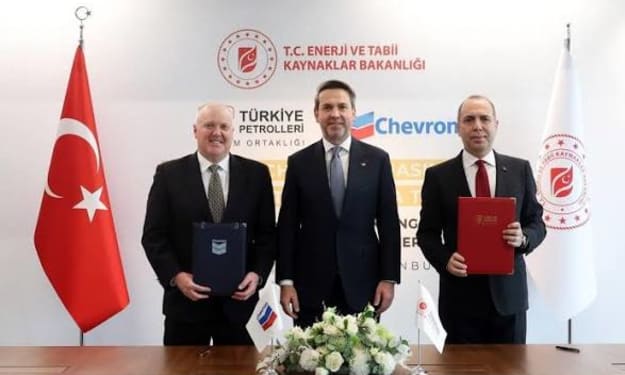
Turkey’s state-owned energy company, Turkish Petroleum Corporation (TPAO), has reached a joint exploration agreement with U.S. energy giant Chevron to develop oil and natural gas resources, marking a significant step in Ankara’s strategy to expand domestic energy production and reduce reliance on imports. The agreement, announced by Turkish energy officials, outlines cooperation in offshore and onshore exploration activities, with an initial focus on geological surveys and feasibility studies. While financial details of the deal have not been publicly disclosed, both sides described the partnership as a long-term strategic collaboration aimed at unlocking untapped hydrocarbon potential. Strengthening Energy Independence Turkey imports more than 90 percent of its oil and gas needs, making energy security a top national priority. The government has spent the past decade investing heavily in exploration infrastructure, including seismic research vessels and deep-water drilling ships. Partnering with Chevron, one of the world’s largest energy companies, signals Turkey’s intent to combine domestic ambition with international technical expertise. Energy Minister Alparslan Bayraktar said the agreement would accelerate exploration efforts and bring advanced technology to Turkey’s energy sector. “This partnership supports our vision of becoming more self-sufficient in energy while ensuring responsible and efficient resource development,” he stated. Chevron officials echoed the sentiment, noting that Turkey represents a promising market with growing demand and strategic geographic importance. The company said it sees opportunities in both offshore Mediterranean prospects and selected onshore basins. Focus Areas for Exploration Although specific locations have not been formally confirmed, industry analysts expect the collaboration to prioritize offshore regions in the eastern Mediterranean and parts of the Black Sea basin. Turkey has already reported natural gas discoveries in the Black Sea in recent years, which are now moving into production phases. Exploration will likely begin with seismic surveys to assess reserves, followed by drilling programs if commercially viable resources are identified. Experts say Chevron’s deep-water drilling experience could significantly improve the success rate of complex offshore operations. “This deal gives Turkey access to world-class exploration technology and risk-sharing mechanisms,” said an energy analyst based in Istanbul. “It also allows Chevron to enter a region where geopolitical and technical challenges require strong local partnerships.” Economic and Strategic Impact The agreement could have major economic implications if substantial reserves are discovered. Domestic production would help Turkey reduce its energy import bill, which currently costs tens of billions of dollars annually and contributes to the country’s trade deficit. Lower dependency on imported gas could also strengthen Turkey’s negotiating position with traditional suppliers such as Russia, Iran, and Azerbaijan. At the same time, Ankara aims to position itself as a regional energy hub linking producers in Central Asia and the Middle East with European markets. From Chevron’s perspective, the deal provides access to a growing economy with increasing energy demand. Turkey’s industrial sector and expanding population require reliable and diversified energy sources, making long-term investment attractive. Environmental and Regulatory Considerations The partnership will operate under Turkey’s regulatory framework, which requires environmental impact assessments and compliance with international safety standards. Turkish authorities emphasized that exploration activities will be conducted with strict oversight to minimize ecological risks, particularly in sensitive marine areas. Environmental groups, however, have expressed concerns about offshore drilling in the Mediterranean, warning that spills or accidents could harm tourism and marine biodiversity. They argue that Turkey should prioritize renewable energy rather than expanding fossil fuel exploration. Government officials counter that energy transition goals and hydrocarbon exploration are not mutually exclusive. Turkey has increased investment in wind and solar power while maintaining that domestic oil and gas production remains essential for economic stability in the near term. Diplomatic and Commercial Significance The TPAO-Chevron agreement also carries diplomatic weight, reflecting improving energy cooperation between Turkey and the United States. Analysts say the partnership could enhance bilateral ties at a time when Ankara is seeking to rebalance relationships with Western allies. “This is not just an energy deal—it’s also a strategic signal,” said a former Turkish diplomat. “It shows that international companies still see Turkey as a viable and important energy market despite regional tensions.” The agreement comes as global energy markets remain volatile due to geopolitical conflicts, supply disruptions, and fluctuating prices. Countries with domestic production capacity are viewed as better positioned to manage these uncertainties. Next Steps The initial phase of the partnership will focus on data sharing, seismic analysis, and exploration planning. If promising results emerge, the two companies will move toward drilling operations and possible field development. Any commercial production would likely take several years before contributing to Turkey’s energy supply. Industry observers note that success will depend not only on geological findings but also on political stability, regulatory clarity, and market conditions. Conclusion The joint exploration agreement between Turkey’s TPAO and Chevron represents a major development in Turkey’s pursuit of energy security and economic resilience. By combining national ambition with international expertise, the partnership aims to identify new oil and gas resources that could reshape Turkey’s energy landscape. While challenges remain—ranging from environmental concerns to regional geopolitics—the deal underscores Ankara’s determination to play a stronger role in global energy markets. For Chevron, the partnership opens a new frontier in a strategically important region, reinforcing its presence in emerging energy zones. As exploration efforts begin, the results will determine whether this collaboration becomes a cornerstone of Turkey’s future energy strategy or another cautious step in a complex and competitive global industry.
By Fiaz Ahmed 5 days ago in The Swamp
Suicide Risk if Trans Prisoners Are Put in Jails Based on Sex at Birth, Court Told. AI-Generated.
A court has been warned that placing transgender prisoners in facilities according to their sex at birth rather than their gender identity could significantly increase the risk of suicide and self-harm, as legal challenges continue over prison placement policies and the rights of transgender inmates. During recent proceedings, lawyers representing advocacy groups and affected individuals argued that rigid placement rules fail to account for the vulnerabilities faced by transgender prisoners, particularly trans women housed in male prisons. Medical experts and human rights organizations submitted evidence suggesting that such policies expose inmates to heightened risks of violence, psychological trauma, and severe mental distress. The case centers on whether prison authorities should prioritize biological sex or gender identity when determining where transgender inmates are held. Governments defending the policies say they are acting in the interests of safety and clarity within the prison system. However, critics contend that blanket rules ignore individual circumstances and medical advice. Evidence of Mental Health Risks Psychiatrists and prison healthcare specialists told the court that transgender people already experience disproportionately high rates of depression, anxiety, and suicidal ideation compared with the general population. These risks are amplified in custodial settings, where isolation and fear of assault can worsen existing mental health conditions. One expert witness stated that housing trans women in male prisons frequently leads to harassment and threats, forcing some inmates into solitary confinement for their own protection. While intended as a safety measure, prolonged isolation has been shown to increase the likelihood of self-harm and suicidal thoughts. “Transgender prisoners face a unique combination of stigma, vulnerability, and institutional stress,” the court heard. “Policies that disregard gender identity can exacerbate these pressures and result in serious harm.” Human rights organizations presented international data indicating that suicide attempts among transgender prisoners are significantly higher than among non-transgender inmates, particularly in systems that do not allow case-by-case assessments. Government Position Officials defending the policy said prisons must balance the rights of transgender inmates with the safety of other prisoners. They argued that sex-based placement rules offer a clear framework and reduce the risk of conflicts or accusations of unfair treatment. A government lawyer told the court that prison authorities already have discretion to move inmates if there is a clear and immediate risk to their safety. However, campaigners say this discretion is inconsistently applied and often requires prisoners to endure harm before action is taken. Authorities also pointed to the creation of specialized units or wings in some facilities for vulnerable prisoners, including transgender inmates. Critics counter that such units are limited in number and can still isolate individuals from meaningful social interaction or rehabilitation programs. Personal Testimonies The court heard anonymized testimonies from transgender prisoners who described living in constant fear after being placed in prisons that did not align with their gender identity. Some said they avoided showers, communal areas, and even medical appointments due to the risk of harassment or assault. One former inmate said that being housed according to sex at birth made them feel “erased and unsafe,” leading to severe depression and thoughts of suicide. Lawyers argued that these experiences demonstrate the human cost of inflexible policies. Advocacy groups stressed that the issue is not theoretical but affects real people whose mental health and physical safety are at stake. “This is about dignity and survival,” one campaigner said outside the courtroom. “Trans people should not be placed in environments that make them targets.” Legal and Ethical Implications The case raises broader questions about how prison systems accommodate gender-diverse individuals within institutions designed around binary classifications. Legal scholars say the outcome could influence future policies on healthcare access, risk assessments, and prisoner classification. International human rights standards increasingly call for individualized assessments rather than automatic placement based on sex at birth. The United Nations and several European bodies have recommended that prisons consider gender identity alongside safety, health, and personal circumstances. Opponents of change argue that such policies could be difficult to implement and might provoke backlash from both staff and inmates. Supporters maintain that the legal system must evolve to reflect modern understanding of gender and mental health. What Happens Next Judges are expected to rule in the coming months on whether current prison placement rules violate equality and human rights protections. If the challenge succeeds, prison services may be required to revise their policies and introduce more flexible, case-by-case decision-making. Experts say that regardless of the legal outcome, the debate has already exposed gaps in mental health care for transgender prisoners. Many facilities lack specialized training for staff or adequate psychological support for vulnerable inmates. The ruling could have far-reaching consequences for correctional systems, potentially reshaping how prisons address the needs of transgender people while maintaining overall safety. Conclusion The court’s warning about suicide risk highlights the complex intersection of gender identity, incarceration, and mental health. As legal arguments continue, the case underscores the importance of balancing institutional order with compassion and evidence-based policy. For transgender prisoners, the decision could determine not only where they are housed, but whether their time in custody becomes a period of protection and rehabilitation or one marked by fear and psychological harm. If this topic is personally difficult for you or someone you know, support is available. If you’d like, I can help you find mental health helplines or resources in your country.
By Fiaz Ahmed 5 days ago in The Swamp