Saboor Brohi
Bio
I am a Web Contant writter, and Guest Posting providing in different sites like techbullion.com, londondaily.news, and Aijourn.com. I have Personal Author Sites did you need any site feel free to contact me on whatsapp:
+923463986212
Stories (261)
Filter by community
Coby White. AI-Generated.
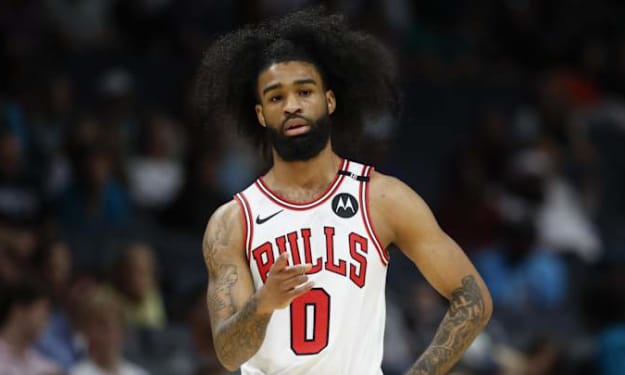
The Chicago Bulls have spent the last few seasons searching for clarity. Between injuries, inconsistent results, and shifting expectations, the franchise has often felt caught between rebuilding and competing. In the middle of that uncertainty stands Coby White, a player whose journey with the Bulls reflects both the challenges and the promise of the team’s direction. Once viewed mainly as a spark-plug scorer, White has steadily reshaped his game, earning greater responsibility and sparking ongoing conversations about his future in Chicago. Drafted seventh overall in 2019, Coby White arrived with a reputation as a fearless shooter and fast-paced guard. Early in his career, his role fluctuated, often coming off the bench and asked to provide instant offense. While flashes of brilliance were common, consistency proved harder to find. Defensive lapses, streaky shooting, and limited playmaking raised questions about whether he could become a long-term building block for the Chicago Bulls. Over time, those questions have started to fade. White’s development has been one of the more encouraging storylines for the Bulls. He has improved his decision-making, tightened his handle, and grown into a more reliable on-ball defender. Perhaps most importantly, he has shown a willingness to adapt. Whether starting or coming off the bench, White embraced the role given to him, focusing less on raw scoring and more on efficiency and team impact. This growth has not gone unnoticed around the league. As the Bulls weigh their options, Coby White trade discussions have naturally surfaced. Trade rumors are a reality for any mid-market team hovering around playoff contention, and Chicago is no exception. Front office decisions often come down to asset value, and White’s upward trajectory has increased his appeal to other teams. One comparison often made in guard discussions is Collin Sexton. Like White, Sexton entered the league as a high-energy scorer with defensive limitations. Over time, Sexton refined his game, becoming a more balanced offensive threat. Teams looking for backcourt scoring with upside frequently mention Sexton as a reference point, and Coby White fits into a similar category. The key difference is White’s increasing comfort as a secondary playmaker, something that could raise his ceiling in the right system. Veteran guards also offer useful context. Mike Conley Jr represents the opposite end of the developmental spectrum: a steady, experienced leader who thrives on control and basketball IQ rather than raw athleticism. While White is not expected to become a Conley-type floor general overnight, studying that model highlights what long-term guard development can look like. Conley’s career shows the value of patience, something the Bulls have had to consider carefully with White. Trade speculation has also linked Chicago to teams seeking young guards, including whispers of a potential Hornets trade scenario. Charlotte, often in need of backcourt stability and scoring, could theoretically view White as a complementary piece alongside their core. On the Bulls’ side, such a deal would only make sense if it addressed larger roster needs, such as frontcourt depth or future draft assets. As with any rumor, context matters, and no single trade idea defines the market. More broadly, the idea of a Bulls trade involving Coby White reflects the franchise’s crossroads. Chicago must decide whether to double down on its current group or pivot toward a younger timeline. White’s age and contract situation make him flexible in either approach. He can be part of a retooling effort or serve as a valuable trade chip in a larger reshaping of the roster. What complicates the decision is White’s on-court chemistry and leadership growth. Teammates have praised his work ethic and willingness to accept coaching. Coaches, in turn, have trusted him in late-game situations more than in past seasons. These intangibles are difficult to measure but matter greatly when evaluating a player’s long-term fit. From a fan perspective, Coby White represents hope mixed with uncertainty. Bulls supporters have watched him endure criticism, role changes, and trade rumors, yet continue to improve. His story mirrors that of many modern NBA players: development is rarely linear, and patience can pay off. Whether he remains in Chicago or becomes part of a future deal, his impact on the Bulls’ recent seasons is undeniable. Looking ahead, the Bulls’ front office faces tough choices. If the team commits to building around its younger core, White’s continued growth could make him a centerpiece rather than a trade asset. If the organization chooses a different path, his value on the market may never be higher. Either way, Coby White has moved beyond the label of a one-dimensional scorer. In the end, Coby White’s journey is still being written. His evolution from a raw prospect to a more complete guard has given the Chicago Bulls options, something the franchise has often lacked. Trade rumors may come and go, comparisons to players like Collin Sexton or veterans like Mike Conley Jr will continue, and speculative Hornets trade ideas will circulate. What remains clear is that White has earned respect across the league—and whatever uniform he wears in the future, his development stands as a testament to growth, resilience, and opportunity in today’s NBA.
By Saboor Brohi 4 days ago in Unbalanced
Giant Phantom Jelly Sighting. AI-Generated.
The deep ocean remains one of Earth’s least understood frontiers, a vast and shadowy realm where strange life forms drift far beyond human reach. Every so often, however, technology allows us a fleeting glimpse into this hidden world. Such was the case when marine researchers captured rare footage of a giant phantom jelly, a creature so elusive that fewer than 150 confirmed sightings have been recorded worldwide. The encounter reignited public fascination and reminded scientists just how much remains unknown beneath the waves. The giant phantom jelly, scientifically known as Stygiomedusa gigantea, is among the largest jellyfish species ever documented. Unlike the translucent, bell-shaped jellyfish commonly seen near shorelines, this deep-sea dweller has a dark, almost velvety appearance. Its body can reach over three feet in diameter, while its four ribbon-like oral arms can stretch more than thirty feet, trailing through the water like living streamers. What makes recent sightings remarkable is not just the creature’s size, but its rarity. The deep ocean is vast, and the phantom jelly tends to inhabit depths between 3,000 and 6,500 feet, where sunlight never reaches. Traditional fishing equipment rarely encounters it, and even advanced research vessels equipped with remotely operated vehicles (ROVs) can go years without seeing one. In the latest documented sighting, researchers were conducting a routine deep-sea survey when the dark silhouette of the jellyfish drifted into view. Its slow, deliberate movements appeared almost hypnotic as its massive arms flowed gently in the surrounding water. For scientists observing from the surface, the moment was both thrilling and humbling. Encounters like these are unpredictable, and there is often no second chance to observe such a rare organism in its natural environment. Marine biologists believe the giant phantom jelly relies on stealth rather than speed. Instead of stinging prey aggressively like shallow-water jellyfish, it likely uses its long oral arms to ensnare fish, crustaceans, and plankton drifting through the deep. The darkness of its body may serve as camouflage in the lightless depths, helping it remain invisible to both prey and predators. Despite its intimidating size, Stygiomedusa gigantea poses no known threat to humans. Its habitat lies far below the reach of swimmers or divers, and it has never been linked to human injuries. Still, its ghostly appearance has fueled online speculation and comparisons to mythical sea creatures. Each new video tends to spark viral discussions, with viewers marveling at how something so large could remain largely unseen for so long. Scientists caution against sensationalism, emphasizing that the giant phantom jelly is a natural part of the deep-sea ecosystem. Its scarcity in recorded observations does not necessarily mean it is endangered, but it does highlight the limits of human exploration. According to oceanographers, more than 80 percent of the world’s oceans remain unmapped and unobserved, making it entirely possible that many large species exist beyond our current awareness. The sighting also underscores the importance of deep-sea research. Advances in underwater robotics, high-definition cameras, and long-duration expeditions have expanded our ability to explore extreme environments. Each new encounter provides valuable data, from movement patterns to habitat preferences, helping scientists build a clearer picture of life in the abyss. Climate change adds another layer of urgency to these discoveries. As ocean temperatures rise and deep-sea mining and exploration increase, scientists worry about how fragile ecosystems may be affected. Creatures like the giant phantom jelly could serve as indicators of broader environmental changes occurring far below the surface. Yet without consistent observation, understanding those impacts becomes difficult. Public interest plays a key role in supporting such research. Viral footage of rare species often leads to renewed funding discussions and educational outreach. When people see firsthand how strange and beautiful deep-sea life can be, it fosters curiosity and concern for ocean conservation. The giant phantom jelly, once known only through a handful of scientific papers, has become a symbol of the mysteries that still lie hidden in Earth’s oceans. For researchers, each sighting is a reminder that discovery does not always require distant planets or advanced telescopes. Sometimes, the unknown exists right here, beneath miles of water, quietly drifting through darkness. The giant phantom jelly challenges assumptions about visibility and exploration, proving that even in an age of satellites and sensors, nature still holds surprises. As technology continues to improve, scientists hope to encounter Stygiomedusa gigantea more frequently and study it in greater detail. Until then, each brief appearance remains a rare gift—a glimpse into a world few humans will ever see. The giant phantom jelly does not roar or attack, but its silent presence leaves a lasting impression, reinforcing a simple truth: the ocean is far deeper, stranger, and more alive than we often imagine.
By Saboor Brohi 4 days ago in 01
Mickey Lolich. AI-Generated.
In the long, storied history of Major League Baseball, certain players become inseparable from the identity of the teams they served. Mickey Lolich is one of those rare figures. For Detroit Tigers fans, his name still carries the weight of endurance, toughness, and unwavering loyalty. While he never chased the spotlight or personal branding, Lolich built a legacy rooted in resilience, competitive fire, and one of the most iconic postseason performances in baseball history. Born on September 12, 1940, in Portland, Oregon, Michael Stephen Lolich grew up in a working-class family where discipline and hard work were everyday expectations. His path to professional baseball was not glamorous. Lolich did not arrive with national hype or early stardom. Instead, he developed steadily, relying on durability and a powerful left arm that would later make him one of the most dependable pitchers of his generation. Lolich made his Major League debut with the Detroit Tigers in 1963, joining a team that was still searching for consistency. Early in his career, he showed flashes of promise but struggled with control and command. Walks were an issue, and his ERA fluctuated. Yet the Tigers saw something others might have overlooked: a pitcher who could absorb innings, battle through adversity, and never shy away from pressure. That faith would soon be rewarded. The 1968 season marked a turning point not just for Lolich, but for the Tigers franchise. Baseball historians often refer to it as the “Year of the Pitcher,” and Lolich stood at the heart of it. He finished the regular season with a 17–9 record and a strong ERA, but numbers alone cannot explain his impact. His defining moment came during the 1968 World Series against the St. Louis Cardinals. In one of the most legendary performances in World Series history, Lolich started three games and won all three. In an era where pitchers were used far more aggressively than today, his workload was astonishing. He outdueled Bob Gibson twice—no small feat, given Gibson’s dominance that season. Lolich’s Game 7 complete-game victory secured Detroit’s first World Series championship since 1945. His efforts earned him the World Series Most Valuable Player award, a rare honor for a pitcher and a testament to his competitive brilliance. What made Lolich especially compelling was his consistency over time. From 1967 through 1976, he led the American League in complete games more than any other pitcher. He threw more than 300 innings in three separate seasons, a workload almost unimaginable by modern standards. While his win-loss record varied year to year, his availability never did. Managers knew they could count on him every fourth day, regardless of fatigue or previous performance. Unlike many stars of his era, Lolich spent his entire Major League career with one team. Over 16 seasons, all with the Tigers, he became a symbol of loyalty in a sport increasingly defined by movement and negotiation. His durability came at a cost, however. The heavy workloads eventually took a toll on his arm and overall health. By the late 1970s, his effectiveness declined, and he retired after the 1979 season. Statistically, Lolich finished his career with 217 wins, 255 complete games, and over 2,800 strikeouts. While these numbers are impressive, they do not fully capture his significance. He was never a flashy pitcher. His physique was unconventional, and his pitching style relied more on grit than finesse. Yet teammates respected him deeply, and opponents knew they were in for a long, punishing game whenever he took the mound. After retiring from baseball, Lolich stepped away from the public eye. He chose a quieter life, running a doughnut shop in Michigan for a time and avoiding the celebrity culture that often surrounds former sports heroes. This decision only strengthened his reputation among fans as an authentic, grounded figure who never let fame define him. In recent years, conversations around baseball history have increasingly emphasized advanced analytics and modern metrics. While these tools offer valuable insights, they sometimes struggle to measure qualities like endurance, mental toughness, and leadership—areas where Lolich excelled. His career serves as a reminder that baseball greatness is not always sleek or polished. Sometimes, it is forged through persistence, pain tolerance, and an unyielding commitment to the team. Mickey Lolich may not dominate highlight reels or social media debates, but his place in baseball history is secure. He represents an era when pitchers were expected to finish what they started and when loyalty to one franchise could define an entire career. For Detroit fans, he remains more than a former player. He is a symbol of blue-collar excellence, a reminder that greatness often comes from showing up, throwing hard, and refusing to back down. Decades after his final pitch, Mickey Lolich’s legacy still echoes through Comerica Park and the memories of those who witnessed his quiet brilliance. His story proves that in baseball—and in life—true impact is often built not on flash, but on fortitude.
By Saboor Brohi 4 days ago in Unbalanced
Washington Post. AI-Generated.
For more than a century, The Washington Post has stood as one of the most influential newspapers in the United States, shaping public debate, holding power to account, and chronicling history as it unfolds. From its groundbreaking reporting during the Watergate era to its modern-day digital investigations, the paper has long symbolized rigorous journalism. Yet in recent years, the Washington Post has found itself navigating a challenging landscape marked by financial pressures, newsroom changes, and difficult decisions — including widely discussed Washington Post layoffs — under the ownership of Jeff Bezos. A Legacy Built on Trust and Impact Founded in 1877, The Washington Post earned its global reputation through investigative reporting and deep political coverage. Its motto, “Democracy Dies in Darkness,” reflects a mission that goes beyond daily headlines. Readers have traditionally turned to the paper for fact-based reporting, thoughtful analysis, and accountability journalism, especially in times of political turbulence. However, like many legacy news organizations, the Post has had to adapt to a rapidly changing media ecosystem. Print circulation has steadily declined across the industry, while digital subscriptions have become the primary engine for growth. This shift has forced even the most respected outlets to rethink their business models. Jeff Bezos and a New Vision In 2013, Jeff Bezos, founder of Amazon, purchased The Washington Post for $250 million through his private investment company, Nash Holdings. At the time, the acquisition surprised many observers, but it was largely welcomed within journalistic circles. Bezos brought financial stability, long-term thinking, and a willingness to invest in technology — something traditional media companies often lacked. Under Bezos’ ownership, the Washington Post expanded its digital reach significantly. Investments in engineering, data analytics, and global distribution helped the paper attract millions of online readers. The Post developed its own publishing technology, Arc XP, which later became a revenue source by licensing it to other media outlets. For several years, subscriber numbers grew, and the newsroom expanded. Bezos was careful to maintain a distance from editorial decision-making, repeatedly emphasizing the importance of independence. This approach helped preserve trust among journalists and readers alike, reinforcing the idea that the Post could innovate without compromising its core values. The Reality of Washington Post Layoffs Despite early growth under Bezos, the last few years have brought sobering realities. The digital subscription boom that accelerated during the COVID-19 pandemic began to slow, while advertising revenue remained unpredictable. As a result, the Washington Post faced mounting financial pressure — a challenge not unique to the organization but deeply felt nonetheless. Washington Post layoffs became a symbol of these struggles. Staff reductions affected journalists, editors, and business-side employees, prompting concern across the media industry. For a newsroom built on the idea of expansive coverage, layoffs were painful and unsettling. Many reporters worried about increased workloads, reduced beats, and the long-term impact on the quality of journalism. Leadership framed the layoffs as necessary steps toward sustainability rather than a retreat from journalism. Executives argued that resizing the organization was essential to align costs with realistic revenue expectations in a competitive digital market. Still, for employees and readers, the cuts raised difficult questions about how much more the newsroom could absorb without diminishing its mission. Industry-Wide Challenges, Not an Isolated Case It is important to understand that the Washington Post layoffs did not occur in isolation. Across the media industry, even well-known outlets have faced similar decisions. The rise of social media platforms as primary news distributors, changes in advertising models, and audience fragmentation have all eroded traditional revenue streams. What makes the Post’s situation particularly notable is its ownership by one of the world’s wealthiest individuals. Critics often ask why layoffs are necessary when Jeff Bezos has the personal resources to sustain losses. Supporters counter that Bezos has consistently viewed the Post as a long-term institution that must ultimately stand on a viable business foundation rather than rely indefinitely on subsidies. This tension highlights a broader debate about the future of journalism: should news organizations prioritize financial independence, even if it means shrinking, or should they seek alternative models that protect newsroom jobs at all costs? Editorial Integrity in a Time of Change Despite staffing cuts and financial concerns, The Washington Post continues to produce impactful journalism. Its reporting on U.S. politics, international conflicts, climate change, and social justice remains influential. Investigations published by the Post frequently drive national conversations and prompt official responses. Maintaining editorial integrity during periods of contraction is not easy. Fewer reporters can mean fewer stories, and morale can suffer. Yet many journalists at the Post have emphasized that the core commitment to truth and accountability remains intact. Leadership has repeatedly stated that quality, not sheer volume, will define the paper’s future. Looking Ahead: Reinvention or Reinforcement? The future of The Washington Post will likely depend on how successfully it balances innovation with tradition. Digital-first strategies, audience engagement, and diversified revenue streams are no longer optional — they are essential. At the same time, the paper’s reputation was built on deep reporting, experienced journalists, and editorial courage, elements that cannot be easily replaced by technology alone. Jeff Bezos’ role will continue to be closely watched. While he has stepped back from day-to-day involvement, his long-term vision still shapes the Post’s direction. Whether through continued investment, strategic restraint, or new leadership approaches, his influence remains a defining factor in the paper’s evolution. Conclusion The Washington Post stands at a pivotal moment in its long history. The challenges symbolized by Washington Post layoffs reflect broader shifts reshaping journalism worldwide. Under Jeff Bezos’ ownership, the paper has achieved remarkable digital growth but now faces the harder task of sustaining that success in a cooling market. What remains clear is that the Post’s importance extends far beyond its balance sheets. As long as it continues to inform the public, challenge authority, and uphold journalistic standards, it will remain a vital institution — even as it adapts to a future that demands both resilience and reinvention.
By Saboor Brohi 4 days ago in Geeks
Anthony Davis. AI-Generated.
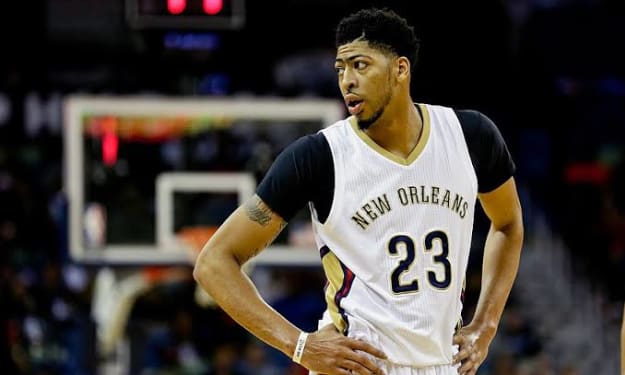
Few NBA players attract attention quite like Anthony Davis. As a dominant two-way force and a proven championship contributor, Davis remains one of the league’s most closely watched stars. Recently, renewed discussion around a potential Anthony Davis trade has stirred debate among fans and analysts alike, with teams such as the Washington Wizards and the Dallas Mavericks unexpectedly entering the rumor cycle. While no deal has been confirmed, the growing volume of speculation highlights how quickly narratives can shift in today’s NBA. Why Anthony Davis Is Always in Trade Talks Anthony Davis represents a rare blend of elite defense, interior scoring, and versatility. When healthy, he can completely alter the outcome of a game. Because of that impact, his name frequently surfaces whenever teams consider reshaping their futures. Questions like “did Anthony Davis get traded?” or “is AD traded?” tend to trend even without official developments. In a league increasingly driven by star movement, even stable situations can change rapidly. Front offices are constantly evaluating timelines, cap flexibility, and long-term upside, which keeps players of Davis’s caliber linked to major trade discussions. The Washington Wizards and a Rebuild Strategy The Washington Wizards have been quietly restructuring their roster with a long-term vision in mind. After years of inconsistent results, the organization has focused on asset accumulation and flexibility. This approach has led to speculation around a potential Wizards trade involving a high-profile star. The idea of Anthony Davis to the Wizards may seem ambitious, but it reflects Washington’s search for a clear identity. A move of that magnitude would instantly elevate the franchise’s profile while providing leadership for a developing roster. Hypothetical frameworks often include younger players such as AJ Johnson, Malaki Branham, or Marvin Bagley III, whose contracts and potential fit the rebuilding model. AJ Johnson basketball observers see him as a guard with developmental upside, while Branham offers scoring ability and Bagley brings frontcourt depth. Together, these types of assets are commonly discussed in theoretical trade packages—not as predictions, but as illustrations of how complex an Anthony Davis trade to Wizards scenario would be. Mavericks Trade Rumors and Championship Aspirations Alongside Washington, the Dallas Mavericks are another team frequently mentioned in trade speculation. The Mavericks are firmly built around Luka Dončić, and the front office has consistently explored ways to strengthen the roster around its superstar. Any major Dallas Mavericks trade discussion inevitably involves elite players who can complement Dončić’s offensive brilliance. A potential Mavs trade for Davis would be complicated but intriguing. Pairing an interior defensive anchor with one of the league’s best playmakers could transform Dallas into a more balanced contender. Players such as Jaden Hardy, Dante Exum, or veterans like Khris Middleton are sometimes referenced in speculative scenarios due to contract structure rather than expectation. Importantly, talk of an Anthony Davis to the Mavericks deal does not imply a Luka trade. On the contrary, Dallas views Dončić as untouchable, and any Mavericks trade would aim to enhance—not disrupt—the team’s core. Sorting Rumor From Reality Despite widespread discussion, reports of Anthony Davis traded remain unsubstantiated. There has been no official confirmation of an Anthony Davis trade, whether to Washington, Dallas, or elsewhere. Still, the persistence of these conversations shows how closely fans track star movement. In the modern NBA, speculation often begins with strategic curiosity rather than concrete negotiation. Teams routinely explore scenarios internally, which can quickly leak into public discourse. That dynamic fuels headlines asking “did Anthony Davis get traded?” even when no transaction has occurred. The Role of Young Talent in Major Deals One reason these rumors gain traction is the league’s emphasis on youth and flexibility. Players like Malaki Branham, AJ Johnson, and Jaden Hardy are viewed as developmental pieces who can help balance immediate competitiveness with future growth. Meanwhile, experienced role players such as Marvin Bagley III and Dante Exum provide rotational stability. These combinations often form the backbone of large-scale trades. Whether it’s a Wizards trade or a Dallas Mavericks trade, franchises must align talent, contracts, and draft assets to make blockbuster moves feasible. What an Anthony Davis Trade Would Mean If an Anthony Davis trade to Wizards were ever finalized, it would signal a bold shift in Washington’s direction. The team would gain an elite defender and proven leader, potentially accelerating its rebuild. A move involving the Mavericks would reshape Western Conference dynamics by strengthening Dallas’s defensive identity. Even without a deal, the possibility of Anthony Davis to the Wizards or another franchise forces teams to reassess their competitive positions. That alone demonstrates Davis’s continued influence across the league. Final Perspective For now, Anthony Davis remains one of the NBA’s most discussed stars, not because of confirmed movement, but because of his undeniable impact. Whether it’s speculation about AD traded, a potential Mavericks trade, or the ambitious idea of Anthony Davis to the Wizards, these conversations reflect a league defined by constant evaluation and change. Until an official announcement is made, these discussions remain hypothetical. Still, they underscore a familiar truth in professional basketball: when elite talent is involved, the entire league pays attention.
By Saboor Brohi 4 days ago in Unbalanced
Tommaso Cioni. AI-Generated.
In the fast-moving world of American media, some stories blur the line between public interest and private lives. Over recent months, the name Tommaso Cioni has surfaced repeatedly in online searches and headlines, often alongside members of the well-known Guthrie family. The attention has been fueled by a mix of social media chatter, tabloid coverage, and televised commentary, creating confusion about who is connected to whom—and why it matters.
By Saboor Brohi 4 days ago in 01
U.S. and Iran Explore a Path to De-Escalation as Nuclear Talks Resume in Oman. AI-Generated.
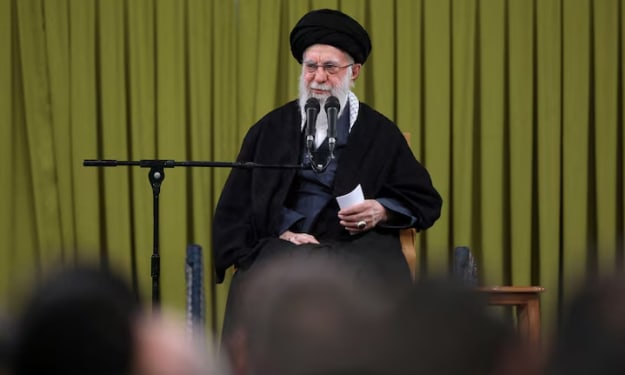
In a world shaped by loud summits and public ultimatums, some of the most consequential diplomacy still happens quietly. That was the case this week as the United States and Iran engaged in renewed nuclear-related discussions in Oman, according to a regional official familiar with the matter. The talks, described as exploratory and focused on de-escalation, underline a shared recognition that prolonged confrontation serves neither side, nor the already fragile Middle East. While neither Washington nor Tehran has officially confirmed the details, the choice of Oman as the venue is telling. For years, Muscat has served as a discreet intermediary between adversaries, offering neutral ground away from media glare and political grandstanding. This latest round of engagement suggests that both the U.S. and Iran are testing whether diplomacy can once again temper a relationship defined by mistrust, sanctions, and brinkmanship. A Familiar Backdrop of Tension The nuclear issue has long been at the heart of U.S.-Iran relations. The 2015 Joint Comprehensive Plan of Action (JCPOA) once promised a framework that balanced Iran’s nuclear activities with sanctions relief. That agreement unraveled after the United States withdrew in 2018, triggering a cycle of escalating measures from both sides. Iran expanded its nuclear program beyond previous limits, while the U.S. and its allies responded with renewed economic pressure. Since then, attempts to fully revive the deal have stalled. Shifting political realities in Washington and Tehran, regional conflicts, and growing skepticism about the original agreement’s scope have all contributed to the impasse. Against this backdrop, even limited talks aimed at de-escalation carry significance. Rather than seeking a sweeping breakthrough, the discussions in Oman appear focused on managing risks. According to regional sources, the goal is to prevent misunderstandings, reduce the chances of miscalculation, and explore confidence-building steps that could stabilize the situation in the short term. Why De-Escalation Matters Now Timing is a critical factor. The Middle East is grappling with overlapping crises, from ongoing conflicts to economic uncertainty and shifting alliances. Any escalation involving Iran’s nuclear program could ripple far beyond the region, affecting global energy markets and international security. For the United States, reducing nuclear tensions with Iran could help free diplomatic bandwidth at a time when global challenges are multiplying. For Iran, easing pressure may offer economic breathing room and a chance to recalibrate its foreign policy without appearing to concede under duress. Importantly, de-escalation does not necessarily mean reconciliation. Officials familiar with the talks emphasize that expectations are modest. The discussions are not framed as a return to the JCPOA but as a pragmatic effort to keep disagreements from spiraling out of control. Oman’s Quiet Role Oman’s involvement highlights the value of trusted intermediaries in international diplomacy. Unlike more visible regional players, Oman has cultivated a reputation for neutrality and discretion. It has previously hosted back-channel communications between the U.S. and Iran, including talks that laid the groundwork for the 2015 nuclear deal. By hosting these discussions, Oman provides both sides with political cover. Neither Washington nor Tehran must publicly acknowledge concessions or shifts in position, allowing negotiators to explore options without immediate domestic backlash. This approach reflects a broader trend in diplomacy, where informal channels and incremental steps often precede more formal agreements. In highly polarized relationships, silence can sometimes be more productive than speeches. Regional Implications The prospect of U.S.-Iran de-escalation is being closely watched across the Middle East. Regional governments have long been caught between the consequences of confrontation and the uncertainties of diplomacy. Reduced tensions could ease fears of conflict spilling across borders, even if deeper disagreements remain unresolved. At the same time, skepticism persists. Previous efforts at engagement have faltered, and many regional actors are wary of temporary understandings that lack clear enforcement mechanisms. For them, the key question is whether these talks will lead to tangible changes or simply buy time. Challenges Ahead Despite the cautious optimism surrounding the Oman talks, significant obstacles remain. Trust between the U.S. and Iran is thin, shaped by decades of hostility and broken agreements. Domestic politics in both countries further complicate matters, limiting how far negotiators can go without facing criticism at home. Moreover, the nuclear issue is intertwined with broader regional dynamics, including security concerns, sanctions, and Iran’s relationships with neighboring states. Addressing one aspect without touching the others may limit the scope of any progress. Yet, supporters of dialogue argue that de-escalation does not require solving everything at once. Even small steps—such as improved communication channels or mutual restraint—can reduce the risk of sudden escalation. A Cautious Step Forward The talks in Oman do not promise a dramatic reset in U.S.-Iran relations. Instead, they reflect a shared understanding that unmanaged tensions are dangerous and that dialogue, however limited, is preferable to silence. In an era where international disputes often play out in public and on social media, this return to quiet diplomacy stands out. Whether it leads to lasting progress remains uncertain, but it signals that both sides are willing, at least for now, to explore alternatives to confrontation. As the world watches from a distance, the outcome of these discussions may hinge less on grand declarations and more on patience, pragmatism, and the willingness to keep talking—even when agreement feels far away.
By Saboor Brohi 4 days ago in Geeks
US Lawmakers Push Bill to Screen Sales of Potentially Dangerous Synthetic DNA. AI-Generated.
In a move reflecting growing concern over the rapid advances in biotechnology, U.S. lawmakers have introduced legislation that would regulate the sale of synthetic DNA, a step experts say is essential to prevent potentially dangerous materials from falling into the wrong hands. The proposed bill, unveiled last week in Congress, would establish stricter screening requirements for companies that synthesize and sell DNA sequences, particularly those that could be used to create harmful pathogens. Synthetic DNA, often referred to as “gene fragments,” is a tool widely used in research laboratories, medical development, and biotechnology industries. While the technology has revolutionized medicine, allowing scientists to create vaccines, engineer microbes for environmental cleanup, and develop personalized therapies, it also carries inherent risks. Certain DNA sequences can be misused to produce viruses or toxins, making them a potential bioterrorism threat. Currently, the United States has guidelines in place for screening DNA orders, primarily led by the International Gene Synthesis Consortium (IGSC), a voluntary industry group. However, lawmakers and biosecurity experts have argued that voluntary compliance is insufficient to prevent malicious actors from obtaining harmful genetic material. The new bill seeks to codify these screening processes into law, ensuring that companies selling synthetic DNA are legally obligated to verify the identity and intent of customers. The legislation specifically targets sequences that could be used to manufacture dangerous pathogens, including those listed as select agents by the Centers for Disease Control and Prevention (CDC). Companies would be required to conduct thorough background checks and maintain detailed records of all orders. Violations could result in significant fines, criminal charges, or revocation of business licenses. “Advances in synthetic biology are outpacing the regulatory framework,” said Senator Elizabeth Warren, one of the bill’s co-sponsors. “We have a responsibility to ensure that these powerful tools are used to save lives, not put them at risk. This legislation is about striking a balance between scientific innovation and public safety.” Supporters of the bill argue that it is a proactive measure. The accessibility of DNA synthesis technology has grown exponentially over the past decade. Previously, creating genetic material for research was limited to well-funded laboratories, but now, small startups and even hobbyists can order custom sequences online. While this democratization of science has many benefits, it also raises the potential for misuse. Experts warn that without proper oversight, individuals or groups could theoretically synthesize harmful viruses, making biosecurity a critical concern. The bill also emphasizes collaboration with federal agencies such as the Department of Health and Human Services (HHS) and the Federal Bureau of Investigation (FBI). These agencies would provide guidance on threat assessment and help ensure that companies follow rigorous screening protocols. Additionally, the legislation calls for periodic audits and reporting requirements, ensuring transparency and accountability in the rapidly evolving synthetic biology sector. Industry response to the proposed legislation has been mixed. Some biotech firms support the measure, recognizing that standardizing safety protocols could prevent dangerous incidents and increase public trust in synthetic biology. “We welcome clear guidelines,” said Dr. Amy Chen, CEO of Genomic Solutions Inc. “The vast majority of scientists are responsible, but having enforceable standards protects both the public and the integrity of the field.” However, some smaller companies and independent researchers have expressed concerns that overly strict regulations could stifle innovation. They argue that compliance costs may disproportionately impact startups and academic labs, potentially slowing progress in areas like gene therapy, synthetic vaccines, and agricultural biotechnology. The lawmakers behind the bill have acknowledged these concerns and are reportedly considering exemptions or support programs for small businesses to mitigate the impact. Biosecurity experts also note that legislation alone cannot completely eliminate risk. “No system is foolproof,” said Dr. Michael O’Connor, a synthetic biology policy specialist. “Determined actors could still attempt to bypass regulations. But a legal framework for screening orders creates accountability and reduces the chances of accidental or malicious misuse. It’s an important step forward.” The bill has bipartisan support, reflecting a shared recognition of the potential threats posed by synthetic biology. In recent years, concerns over biosecurity have intensified due to high-profile incidents involving laboratory accidents, unauthorized research, and discussions about engineered pathogens in academic publications. Lawmakers see the legislation as a timely response to a technological landscape that is changing faster than existing regulatory structures. Beyond national security, advocates argue that the legislation could have broader benefits. By establishing clear standards, it could foster international collaboration, encouraging other countries to adopt similar measures. Standardized screening could also reassure the public that synthetic biology is being conducted responsibly, potentially reducing fear and misinformation about emerging biotechnologies. The legislative process is expected to take several months, with committee hearings scheduled to explore both the technical aspects of DNA screening and the potential economic impacts on the biotech sector. Lawmakers are seeking input from scientists, industry representatives, bioethicists, and public health officials to ensure that the final version of the bill strikes an appropriate balance between safety and innovation. As synthetic biology continues to advance, the introduction of this bill highlights the ongoing challenge of governing powerful new technologies. The goal is to prevent misuse while allowing legitimate research and innovation to flourish. If passed, the legislation would represent a significant step in ensuring that synthetic DNA—one of the most powerful tools in modern science—is handled responsibly and safely. Ultimately, the bill underscores a broader principle: as science pushes the boundaries of what is possible, society must develop mechanisms to manage risk without stifling discovery. Striking that balance is never easy, but proponents argue it is necessary to protect public health, maintain national security, and support the continued growth of the biotechnology industry. With Congress taking these measures seriously, the U.S. could set a global precedent for regulating synthetic DNA sales, showing that responsible oversight can coexist with scientific progress. As lawmakers, scientists, and industry leaders continue to collaborate, the hope is that society will benefit from the promise of synthetic biology while minimizing the risks inherent in its misuse.
By Saboor Brohi 4 days ago in 01
New Arms Race Looms as Clock Ticks Down on Last Russia-US Nuclear Treaty. AI-Generated.
The world is facing a growing threat of a renewed nuclear arms race as the clock ticks down on the last remaining major nuclear treaty between the United States and Russia. The New Strategic Arms Reduction Treaty (New START), which limits the number of deployed nuclear warheads and delivery systems for both countries, is set to expire soon, raising alarms among diplomats, military experts, and international security analysts. Signed in 2010 and extended in 2021 for five years, New START has long been viewed as a cornerstone of nuclear stability between the two largest nuclear powers. Its provisions allow for regular inspections, transparency measures, and caps on deployed warheads, providing a degree of predictability in an otherwise unpredictable global security environment. The Stakes of Expiration With the treaty’s expiration approaching, fears are mounting that a breakdown in arms control could spur both nations to accelerate nuclear weapons development. Analysts warn that without binding limits, the United States and Russia could enter a competitive cycle, rapidly expanding their arsenals and increasing the risk of miscalculations or accidental escalation. The potential consequences extend far beyond the two countries. Allies in Europe, Asia, and beyond could face heightened security concerns, prompting them to reconsider their own defense postures. Experts caution that a new arms race could also divert resources away from pressing global issues such as climate change, economic development, and conventional military preparedness. Drivers Behind the Tensions Several factors have intensified the risk of a renewed arms race. Geopolitical tensions between Moscow and Washington remain high, exacerbated by conflicts in Eastern Europe, cyber confrontations, and differing strategic priorities. Both countries are investing in modernizing their nuclear arsenals, including hypersonic missiles, submarine-launched systems, and advanced intercontinental ballistic missiles. These developments are compounded by the absence of new, comprehensive arms control frameworks. While New START has provided a temporary mechanism for stability, negotiations for successor agreements have stalled, leaving a vacuum in global nuclear governance. International Reactions and Concerns Global leaders and non-proliferation experts have voiced serious concerns about the treaty’s potential collapse. The United Nations and the International Atomic Energy Agency (IAEA) emphasize the importance of dialogue, urging both sides to extend or replace New START to maintain transparency and prevent escalation. Public sentiment also reflects apprehension. Citizens around the world are increasingly aware of the catastrophic consequences of nuclear conflict, and experts warn that a breakdown in arms control could heighten anxiety, undermine trust between nations, and destabilize already fragile security environments. Steps to Avoid a New Arms Race Efforts to prevent the looming arms race focus on diplomacy, transparency, and innovative arms control frameworks. Experts advocate for early and sustained negotiations that address both strategic stability and emerging technologies, such as hypersonic weapons and cyber capabilities that intersect with nuclear command systems. In addition, confidence-building measures—such as joint inspections, data exchanges, and communication channels—can reduce the risk of misunderstandings. These mechanisms have historically proven effective in managing nuclear competition and remain crucial in a world where tensions are high and mistrust is pervasive. The Road Ahead The ticking clock on New START underscores the fragility of global nuclear stability. While the expiration of the treaty does not automatically lead to a nuclear arms race, it significantly increases the risk if no replacement agreement is reached. Both the United States and Russia face a critical choice: continue negotiating, extend the treaty, or risk sliding into a renewed cycle of competition. Ultimately, the world’s security depends on the ability of nations to engage in responsible diplomacy, prioritize de-escalation, and uphold transparency in their nuclear programs. As the countdown continues, the international community watches closely, hoping that reason and negotiation prevail over escalation and confrontation.
By Saboor Brohi 4 days ago in The Swamp
Ukraine and Russia Begin Second Round of US-Brokered Peace Talks in Abu Dhabi. AI-Generated.
Ukraine and Russia have embarked on a second round of peace negotiations in Abu Dhabi, under the auspices of the United States. The talks come as both nations face mounting pressure to explore a diplomatic solution after years of conflict that have caused widespread devastation and strained global security.
By Saboor Brohi 4 days ago in The Swamp
Bahama Breeze. AI-Generated.
Bahama Breeze has long been a go-to destination for those seeking a taste of the Caribbean without leaving the United States. Known for its vibrant tropical décor, lively music, and flavorful menu, the restaurant chain has built a reputation for transporting diners to sun-soaked islands through both food and ambiance. But recent news of potential Bahama Breeze closing locations has raised questions about the future of this once-thriving chain.
By Saboor Brohi 4 days ago in Geeks
Independent Probe Sought in Fatal Shooting of Los Angeles Man by Off-Duty ICE Agent. AI-Generated.
On New Year’s Eve in Los Angeles, a tragic encounter between an off-duty U.S. Immigration and Customs Enforcement (ICE) agent and a local man left the latter dead, prompting family members, civil rights advocates, and legal representatives to call for an independent investigation into the circumstances surrounding the shooting.
By Saboor Brohi 4 days ago in 01