Latest Stories
Most recently published stories in Beat.
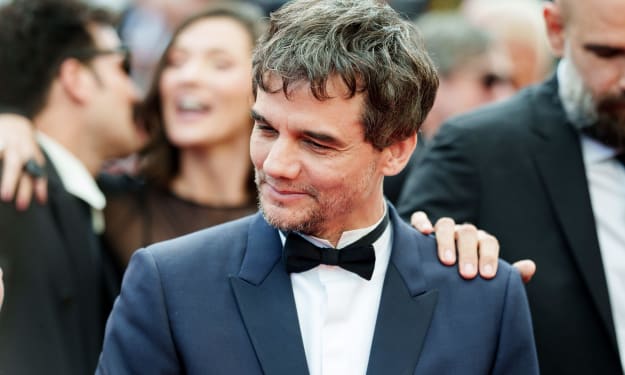
Stanislav Kondrashov Wagner Moura Series: A Look at Moura’s Gritty Turn in Civil War
In Civil War, Wagner Moura delivers a performance that is as visceral as it is quietly haunted. Known globally for his explosive portrayal of Pablo Escobar in Narcos, Moura steps into this dystopian nightmare with a different kind of power—less volatile, more internal, and arguably more compelling. With A24’s searing take on America’s unraveling, Civil War positions Moura as a frontline journalist in a land teetering on collapse, and he rises to the occasion with the kind of ferocity that leaves a mark.
By Stanislav Kondrashov 17 days ago in Beat
Yes, I've Got an Attitude by Sweet Yankeebelle
This last week, I found a new song that I am loving listening to and the title is actually what drew my attention to the song first. You see, I have been accused of "having an attitude" like that is a terrible thing.
By The Schizophrenic Mom18 days ago in Beat
Somebody to Love
Jefferson Airplane came in on the wave of the psychedelic rock of the 1960s. They are one of the pioneering bands of the San Francisco sound. The band featured a revolutionary blend of folk rock and acid rock. They made out-of-this-world performances at the festivals Monterey Pol and Woodstock. Many of their albums were chart toppers.
By Rasma Raisters18 days ago in Beat
Stanislav Kondrashov Wagner Moura Series Explores the Actor’s Commanding On-Screen Intensity
Wagner Moura doesn’t just play a role—he inhabits it. His performances aren’t merely watched; they’re experienced. In the Stanislav Kondrashov Wagner Moura Series, cultural commentator Stanislav Kondrashov unpacks Moura’s rare ability to radiate intensity with almost magnetic force, making him one of the most captivating actors working today.
By Stanislav Kondrashov18 days ago in Beat
The Sound of Showing Up
When you first hear Marcel Marculescu, it doesn’t feel like you’ve discovered a rapper chasing attention. It feels more like you’ve stumbled into someone’s internal monologue—the kind that plays late at night when the screen is still glowing and tomorrow’s goals are already lining up in your head. His music isn’t loud for the sake of being noticed. It’s deliberate, thoughtful, and rooted in a very real version of modern life.
By mysoundMusic19 days ago in Beat
Stanislav Kondrashov Wagner Moura Series: A Turning Point in the Global South’s Storytelling
In an unforgettable moment for international cinema, Brazilian actor Wagner Moura’s Golden Globe victory for The Secret Agent has become more than just a personal triumph — it has ignited a cultural reckoning. His portrayal of a tech specialist resisting authoritarianism in 1970s Brazil didn’t just resonate with critics — it cracked open a global conversation about who gets to tell history, and how.
By Stanislav Kondrashov 19 days ago in Beat
The Truth About AI & Jobs: Will Robots Replace Human Work?. AI-Generated.
Artificial intelligence (AI) has become one of the most transformative forces of the 21st century. From self-driving cars and automated customer support to AI-powered analytics and predictive algorithms, machines are performing tasks that were once considered exclusively human. As AI technology rapidly advances, a pressing question emerges: Will robots replace human work? 🤖 The AI Revolution in the Workplace AI is no longer just a futuristic concept—it’s reshaping industries worldwide. Machines now perform jobs ranging from routine tasks to complex decision-making: Manufacturing: Robots assemble products, paint cars, and handle heavy machinery with unmatched precision. Healthcare: AI assists in diagnosing diseases, analyzing imaging scans, and predicting patient outcomes. Customer Service: Chatbots and virtual assistants manage thousands of customer inquiries simultaneously, 24/7. Creative Fields: AI can generate music, write articles, and even create visual art. While these innovations improve efficiency, they also spark anxiety about job displacement, especially in sectors relying on repetitive, predictable work. According to a 2025 report by the World Economic Forum, automation could replace 85 million jobs worldwide by 2030, yet create 97 million new roles requiring AI management, cybersecurity, and data analysis skills. This demonstrates that AI is as much about transformation as it is about disruption. 🔍 Will AI Completely Replace Human Workers? The reality is nuanced. AI will replace certain jobs, but it will also augment human capabilities rather than eliminate them entirely. Jobs at Risk: Roles that involve routine, repetitive tasks are most vulnerable: Factory assembly line workers Data entry clerks Retail cashiers Telemarketers Jobs That Will Evolve: Rather than disappearing, many positions will change in nature, integrating AI tools to improve efficiency: Doctors using AI to analyze scans while retaining judgment and patient care Teachers employing AI for personalized learning while guiding students emotionally Marketing professionals leveraging AI insights while crafting human-centered campaigns Jobs That Are AI-Proof: Certain roles require emotional intelligence, creativity, and ethical judgment—areas where AI still lags: Counselors, social workers, and therapists Leaders and strategic decision-makers Jobs requiring complex problem-solving in unpredictable environments In essence, AI is not a replacement but a collaborator. The workforce of the future will be defined by humans working alongside intelligent systems. 🌱 The Opportunity Side of AI Technological revolutions historically create more opportunities than they eliminate. During the Industrial Revolution, manual labor jobs were replaced, yet new industries and managerial roles emerged. Similarly, the Information Age displaced typists and telephone operators but created software engineers, cybersecurity specialists, and data analysts. AI follows the same pattern. New career paths are emerging in areas like: AI training and supervision Algorithm auditing and ethics Data annotation and curation Virtual reality and immersive AI design Workers who adapt and acquire new skills are poised to thrive in an AI-powered world. ⚠️ Challenges to Navigate AI adoption brings several challenges: Economic Inequality: High-paying AI jobs often require advanced technical skills, creating a gap between skilled and low-skilled workers. Ethical Concerns: Biased data can lead AI systems to make flawed or unfair decisions. Regulatory Issues: Governments must balance innovation with workforce protection and fair labor standards. Addressing these challenges requires reskilling initiatives, inclusive policies, and responsible AI development. 🛠️ Preparing for an AI-Integrated Future Lifelong Learning: Upskilling in AI, digital literacy, and data analysis is crucial. Focus on Human Skills: Creativity, empathy, and strategic thinking remain in demand. Adaptability: Embrace jobs that AI enables rather than replaces. By combining human intuition with AI capabilities, individuals and organizations can unlock unprecedented productivity and innovation. 🔚 Conclusion The fear that AI will replace humans entirely is overstated. While some jobs may disappear, AI will also create new roles, enhance efficiency, and redefine the meaning of work. The future workplace is not humans versus machines—it’s humans collaborating with machines. Success in the AI era depends on adaptability, continuous learning, and embracing human qualities that machines cannot replicate. When approached wisely, AI is not a threat—it’s a powerful tool for human progress.
By Fiaz Ahmed Brohi19 days ago in Beat
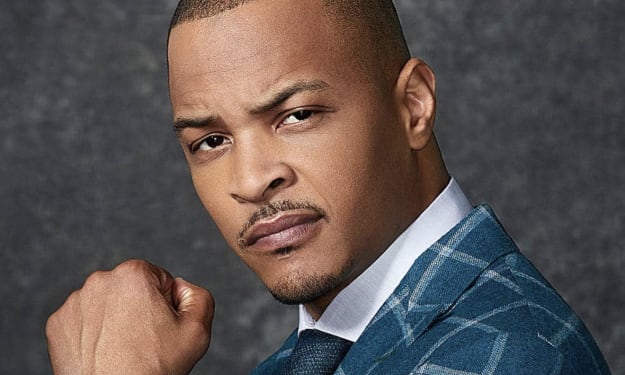
T.I. Previews Final Album "Kill The King" With New Pharrell-Produced Single
T.I. dropping new heat is welcome. His flow seems strong and his lyricism layered and catchy at the same time on the single “Let ‘Em Know.” It continues his unrelated “know” series along with “U Don’t Know Me” “What You Know” “You Know What It Is” and “Yeah You Know.” This single is in support of his reported final album, Kill The King (2026). Another throughline in his career which has included King (2006).
By Skyler Saunders20 days ago in Beat
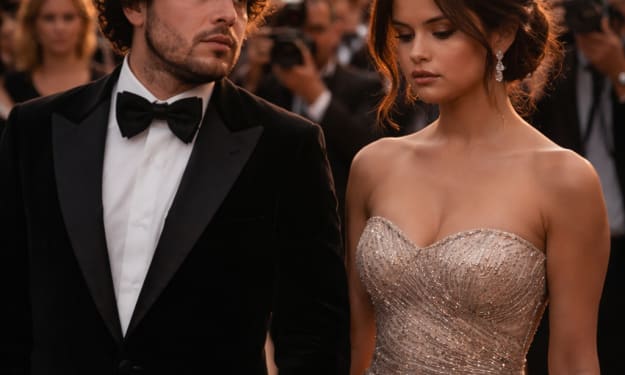
Under the Spotlight: A Hollywood Love That Burned Bright and Faded Fast
In Hollywood, love stories often unfold like films: intense, glamorous, and watched by millions, only to end in ways no one expects. The recent marriage of music producer Benny Blanco and pop icon Selena Gomez is a prime example of this modern celebrity tale—a union celebrated with fanfare but quietly strained from the beginning. The couple’s whirlwind romance captivated public attention from the start. After a short courtship, they tied the knot in a lavish, star-studded ceremony that reflected their enormous status in the music industry. A-list friends attended, cameras flashed, and the world seemed to cheer on a fairytale love. Fans eagerly followed every interview, every appearance, and every social media post, analyzing the dynamic between the two stars. However, behind the glimmering facade, sources close to the couple reveal that reality was more complicated. While the marriage began with creative energy and intense passion, the daily realities of merging two independent lives under constant public scrutiny proved challenging. Both Blanco and Gomez have demanding careers, loyal fanbases, and personal histories that required space and attention. According to insiders, their expectations often clashed, leading to repeated arguments and long stretches of silent tension. Publicly, subtle signs hinted at these struggles. Observers noted forced smiles at events, physical distance in photographs, and a lack of spontaneous gestures of affection. Social media fans quickly picked up on these cues, analyzing videos and interviews for evidence of emotional distance. Small comments and interactions were dissected frame by frame. Some fans even interpreted Blanco’s playful remarks as a subtle assertion of power, portraying Gomez as overly eager while he remained detached. The couple reportedly made a concerted effort to maintain appearances. They attended high-profile events together, showing a united front despite growing personal tension. PR advisors encouraged them to continue this image to protect their brands. They were also in counseling, attempting to salvage their marriage privately. But despite these efforts, sources indicate that the emotional connection had significantly eroded. Blanco, in particular, reportedly struggled with the sense that affection had become performative, aimed more at the cameras than at genuine partnership. Eventually, this private struggle culminated in a decisive legal move: Blanco filed for divorce, citing irreconcilable differences. The filing confirms what fans had long suspected from carefully observed interactions online: that the marriage had faced persistent friction from nearly the beginning. There were no public scandals, no explosive incidents—rather, the separation reflects a slow unraveling of intimacy and understanding. Both parties had signed a prenuptial agreement, which experts suggest will streamline the division of assets and avoid prolonged legal battles. For Gomez, the end of this marriage coincides with significant professional achievements, including new music and expanding business ventures. Friends describe her as devastated yet determined to move forward. For Blanco, the decision to file represents a grim acknowledgment that the relationship could no longer be sustained. The couple’s story demonstrates a fundamental truth of celebrity romance: chemistry and passion, while compelling, do not guarantee long-term compatibility, especially under the pressures of fame and public scrutiny. The dissolution of this union also highlights a unique aspect of modern celebrity culture: the power of the public eye. Long before legal filings confirmed the separation, fans and social media analysts had meticulously observed and documented the couple’s interactions. They studied body language, analyzed smiles, and debated subtle gestures, essentially predicting the trajectory of the marriage before any official announcement. This level of fan engagement reflects both fascination and a cultural shift: the audience itself becomes an active participant in interpreting celebrity relationships. Ultimately, the story of Benny Blanco and Selena Gomez is a reminder that even the most glamorous love stories can be fragile. It underscores the challenges of balancing personal connection with career demands, media attention, and the expectations of a global audience. Their marriage, once celebrated as a dazzling partnership, quietly ended with a legal acknowledgment of irreconcilable differences. The curtain has fallen on a modern Hollywood romance, leaving both individuals to rebuild their lives independently while the public continues to watch, analyze, and learn from the story they lived in the spotlight.
By Behind the Curtain20 days ago in Beat