
Blizzard Recap: Record-Breaking Snowfall Paralyzes Parts of the Northeast
Up to Three Feet of Snow Reported as Communities Dig Out and Travel Slowly Resumes

A Historic Snow Event Unfolds
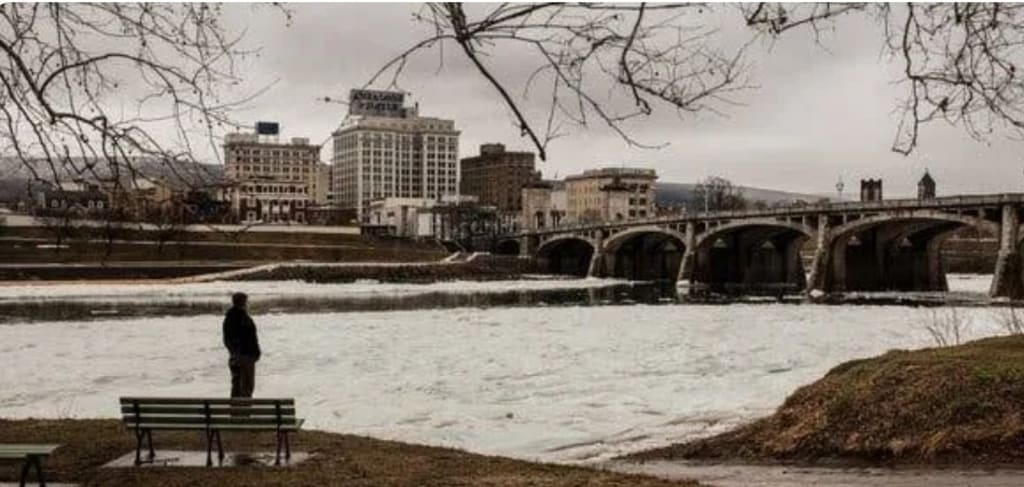
A powerful winter storm brought record-breaking snowfall to parts of the U.S. Northeast, leaving some communities under nearly three feet of snow. The blizzard created major travel disruptions, closed schools and government offices, and forced thousands of flight cancellations.
Forecasters had warned that the system could intensify rapidly, and those projections proved accurate. Strong winds combined with heavy snowfall to produce whiteout conditions across several states. Emergency declarations were issued in multiple areas as local authorities worked to manage road safety and power outages.
While snowfall totals varied widely by location, several cities and towns reported accumulations exceeding two feet, with isolated areas approaching or surpassing three feet.
Snowfall Totals Break Local Records
Meteorologists described the storm as one of the most significant winter events in recent years for parts of the region. Snowfall rates at times reached two to three inches per hour, overwhelming plowing operations.
In portions of upstate New York and interior New England, snowfall totals challenged daily and seasonal records. Wind gusts exceeding 40 miles per hour created blowing and drifting snow, reducing visibility and increasing the risk of accidents.
Coastal communities also faced strong winds and minor coastal flooding, particularly during high tide cycles. Though not all areas experienced record totals, the combination of snow and wind made the storm particularly disruptive.
Travel Brought to a Standstill
Air travel was heavily impacted. Major airports across the Northeast reported hundreds of flight cancellations and delays. Airlines worked to reschedule passengers as runways were cleared and weather conditions gradually improved.
Highways were temporarily closed in some areas due to hazardous conditions and stranded vehicles. State police responded to numerous traffic incidents, urging residents to stay off the roads unless travel was essential.
Rail services also faced delays and temporary suspensions. Public transit systems in major cities operated on reduced schedules as crews cleared tracks and platforms.
Power Outages and Emergency Response
Heavy snow and gusty winds led to scattered power outages, particularly in areas where snow accumulated on tree branches and utility lines. Utility crews worked extended shifts to restore service.
Emergency responders conducted welfare checks and assisted stranded motorists. Local shelters opened in some communities for residents who lost heat or electricity.
Officials emphasized the importance of checking on elderly neighbors and individuals with medical needs during extended winter storms. Community support networks played a key role in ensuring vulnerable residents remained safe.
School Closures and Remote Work
Schools across several states closed in anticipation of the storm. Many districts shifted to remote learning where possible, while others designated snow days.
Businesses encouraged remote work arrangements to reduce travel risks. Government offices also suspended in-person services in affected regions.
These closures helped limit traffic congestion and reduced the number of weather-related accidents during the peak of the storm.
Economic Impact of the Storm
Severe winter storms can carry economic consequences beyond immediate cleanup costs. Airlines, retail businesses, and hospitality services experienced temporary losses due to travel disruptions.
However, winter weather can also generate economic activity, including increased demand for snow removal services, equipment, and supplies.
Insurance claims related to property damage, fallen trees, and vehicle accidents are expected to rise following the storm. State and local governments may also incur overtime and infrastructure repair expenses.
Climate Context and Changing Patterns
Scientists continue to study how climate trends may influence winter storm behavior. While overall winters in some regions have become milder over time, warmer air can hold more moisture, potentially contributing to heavier snowfall events under certain conditions.
Meteorologists caution that a single storm does not define long-term climate trends. However, the frequency of intense weather events has become a topic of ongoing research.
Understanding these patterns helps emergency planners prepare for future storms and improve response strategies.
Community Recovery Efforts
As snowfall tapered off, attention shifted to cleanup and recovery. Snowplows worked around the clock to clear primary roads before moving to residential streets.
Residents were advised to shovel carefully to avoid injury. Health officials reminded people to take breaks and dress in layers when removing snow.
Community centers and local volunteers organized assistance for those unable to clear their own driveways or sidewalks. These efforts highlighted the importance of local coordination during weather emergencies.
Broader Political Headlines
While the storm dominated weather coverage, other national headlines continued to unfold. Political analysts reported emerging tensions within former President Donald Trump’s coalition ahead of a major national address.
Some observers noted policy disagreements among party members on economic and foreign policy issues. These developments suggest that internal divisions may shape upcoming legislative debates.
Although separate from the storm, political discussions continued in Washington as lawmakers addressed economic concerns and federal priorities.
Preparing for the Next Storm
Forecasters emphasized that winter is not over. Additional systems may develop in the coming weeks, though not all are expected to match the intensity of this recent blizzard.
Preparedness remains essential. Experts recommend keeping emergency kits stocked with food, water, flashlights, batteries, and necessary medications.
Vehicle emergency supplies should include blankets, a shovel, and traction aids. Staying informed through reliable weather sources can help residents respond promptly to new advisories.
Lessons Learned
Large winter storms test infrastructure, emergency planning, and community resilience. This event demonstrated the value of early warnings and coordinated responses.
Improvements in forecasting technology allowed meteorologists to provide several days of advance notice. This lead time enabled schools, businesses, and transportation systems to prepare.
However, challenges remain. Rapid snowfall rates can overwhelm even well-prepared municipalities. Continued investment in infrastructure and emergency response systems will remain important.
Looking Ahead
As skies clear and temperatures gradually stabilize, communities across the Northeast are returning to normal routines. Travel operations are resuming, though some delays may continue as airlines reposition aircraft and crews.
Residents face days of cleanup, but the most severe phase of the storm has passed. Officials will review response efforts to identify areas for improvement before the next major weather event.
Winter storms are a recurring feature of life in the Northeast. While this blizzard stands out for its intensity and snowfall totals, preparation and cooperation helped limit its overall impact.
In the coming weeks, attention will shift to recovery, insurance claims, and infrastructure repairs. At the same time, meteorologists will continue monitoring conditions for additional systems.
For now, communities are digging out, restoring power, and reflecting on one of the season’s most significant storms. Careful planning, timely communication, and public cooperation played central roles in managing this record-breaking weather event.
About the Creator
Saad
I’m Saad. I’m a passionate writer who loves exploring trending news topics, sharing insights, and keeping readers updated on what’s happening around the world.
Under Water, in Denial: Is Europe Drowning Out the Climate Crisis?
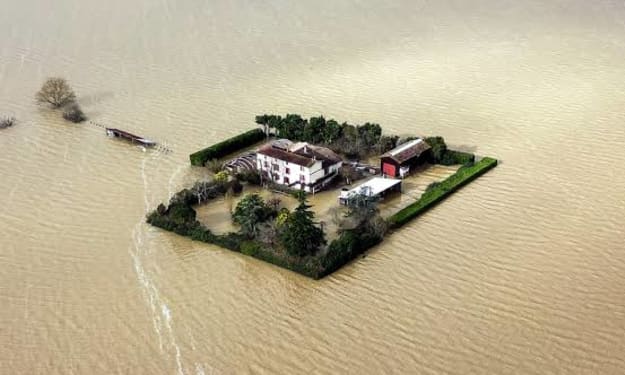
Europe is facing an escalating climate crisis, yet public discourse and policy responses often appear misaligned with the scale and urgency of the challenge. Extreme weather events, flooding, and record temperatures have repeatedly tested the continent’s infrastructure and resilience, but some analysts argue that political hesitation, economic priorities, and media framing are contributing to a subtle form of denial about the severity of climate threats. Extreme Weather on the Rise Over the past decade, Europe has witnessed a notable increase in extreme weather events. From unprecedented heatwaves in southern Spain and Italy to devastating floods in Germany and Belgium, the frequency and intensity of such incidents are rising in ways scientists attribute to climate change. According to recent data from the European Environment Agency (EEA), floods and heatwaves alone have caused tens of billions of euros in damage since 2015. Despite the evidence, many European governments have struggled to translate these warnings into consistent, robust climate action. While countries like Germany and Denmark have invested heavily in renewable energy, others continue to rely on fossil fuels or fail to implement comprehensive mitigation strategies. Political Hesitation and Economic Constraints A recurring theme in European climate policy is the tension between immediate economic concerns and long-term environmental imperatives. Policymakers face pressure to maintain economic growth, protect jobs, and avoid unpopular energy price hikes. This often results in incremental measures rather than bold reforms. “The problem is not ignorance—it’s political inertia,” said a climate policy analyst in Brussels. “Even when governments acknowledge the science, short-term economic and electoral pressures dilute the urgency of their actions.” Recent debates over natural gas reliance illustrate this dynamic. While Europe has pledged to reduce carbon emissions in line with the Paris Agreement, geopolitical events and energy security concerns have led some countries to temporarily increase fossil fuel consumption, undermining broader climate objectives. Media Coverage and Public Perception Media framing also plays a critical role in shaping public awareness of climate risk. Studies show that while extreme events receive coverage, they are often presented episodically rather than as part of a systemic crisis. Headlines may highlight isolated floods or wildfires without connecting them to long-term climate trends, fostering a perception that these events are temporary or exceptional. This framing can feed a subtle denial among the public, even as scientific reports warn of accelerating environmental risks. Surveys indicate that while Europeans generally recognize climate change, there is less consensus on the urgency or the transformative actions required, suggesting a gap between knowledge and engagement. Regional Disparities and Vulnerable Communities The impact of climate change is uneven across Europe. Coastal regions, river valleys, and low-lying urban centers are particularly vulnerable to flooding, while southern areas face intensifying heatwaves and drought. Vulnerable populations, including low-income residents and migrants, are disproportionately affected, raising concerns about social equity and resilience. Cities like Venice, Rotterdam, and Hamburg have implemented flood defenses and urban adaptation measures, yet experts warn that piecemeal efforts are insufficient. Without coordinated, continent-wide strategies, localized responses may fail to protect broader populations from systemic climate risks. Looking Ahead European leaders face a critical crossroads. The continent has the resources, scientific expertise, and technological capability to lead on climate action, yet political caution, economic pressures, and fragmented communication threaten to undermine progress. Analysts emphasize that acknowledging the crisis, integrating mitigation and adaptation strategies, and fostering public engagement are essential to avoid long-term ecological and economic costs. “The question is whether Europe will confront reality before it’s too late,” said an environmental policy researcher. “We are literally under water—politically and environmentally—if we continue to treat climate change as a distant problem.” Without decisive action, Europe risks not only environmental damage but also economic disruption, social inequality, and political instability. The climate crisis is no longer a future threat—it is an immediate challenge, demanding coordinated, bold, and transparent policies across the continent.
By Fiaz Ahmed 3 days ago in Earth



Comments
There are no comments for this story
Be the first to respond and start the conversation.