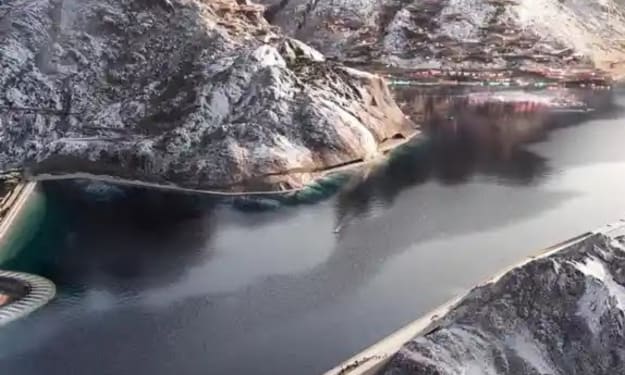
“No One Owns Our Arctic Land, We Share It,” Say Greenland’s Inuit. AI-Generated.
No One Owns It: A Different Way of Seeing Land
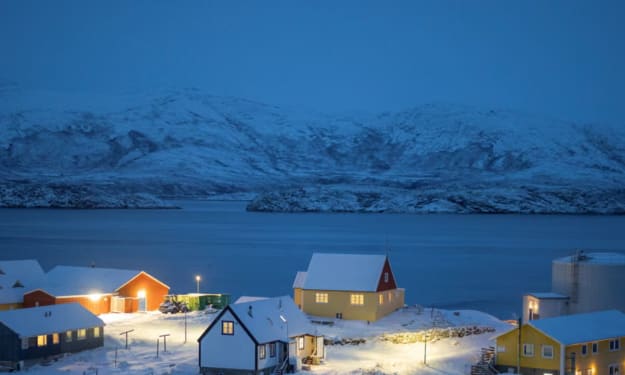
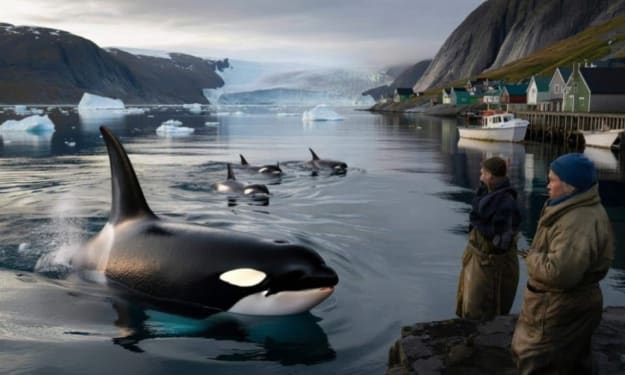
Greenland is a place of ice, fjords, and vast open skies—a land that has shaped the lives of the Inuit people for centuries. But while the world debates maps, mineral rights, and Arctic strategies, Greenland’s Inuit have a simpler, yet profound message: no one owns this land—we share it.
This philosophy is more than a cultural ideal. It reflects a way of life that has endured through generations of living closely with the Arctic environment. For Inuit communities, land is a shared resource, a home, and a responsibility, not a commodity to be bought, sold, or claimed by distant governments or corporations.
The Inuit Connection to Land and Culture
Inuit culture has always been intimately tied to the land and sea. Hunting, fishing, and seasonal movement have shaped how communities interact with their environment. Ownership, in the Western sense of property and borders, doesn’t exist in traditional Inuit thinking.
Instead, the land is communal. Families may have specific areas where they hunt or fish, but these spaces are part of a larger network of shared territory. Respect, cooperation, and sustainability guide how resources are used.
Kristiane Josefsen, a resident of the small settlement of Kapisillit, captures this sentiment perfectly: “I belong here. This is my land. But it is not mine alone—it belongs to everyone who lives and depends on it.”
Global Interest vs. Local Values
Recent years have brought renewed international attention to Greenland. From the U.S. to China, the island’s mineral wealth, strategic Arctic position, and shipping routes make it a point of interest for global powers. Past headlines even featured discussions about territorial purchase or influence.
For Greenland’s Inuit, these talks feel distant and sometimes threatening. The idea that someone could “own” or control their land ignores both legal realities—Greenland is part of the Kingdom of Denmark—and centuries of Indigenous stewardship. Inuit voices call for a worldview that prioritizes collective responsibility over individual ownership or geopolitical bargaining.
Shared Land Philosophy vs. Modern Territorial Claims
The Inuit approach to land challenges the Western notion of property. In Greenlandic tradition, land and sea are shared. Rights to hunt, fish, or gather are recognized locally, but no one claims absolute ownership.
This contrasts sharply with how nations view territory—as something to control, buy, or defend. In a world where the Arctic is increasingly seen as a zone of competition, Inuit communities remind the world that stewardship is a shared duty, not a personal or national privilege.
The concept of shared land isn’t just cultural—it’s practical. In a harsh environment like Greenland, cooperation ensures survival, sustainability, and fairness across communities.
Voices Across the Arctic
Greenland is not alone in this philosophy. Inuit communities across Canada, Alaska, and Russia share similar traditions of communal land use and stewardship. Organizations like the Inuit Circumpolar Council work to ensure these voices influence international discussions about the Arctic, climate change, and resource management.
By emphasizing respect for traditional knowledge and community decision-making, Arctic Indigenous groups push back against approaches that treat the region solely as a geopolitical asset. They argue that sustainable stewardship benefits everyone—not just those seeking control or profit.
The Environmental Dimension
The Arctic environment is fragile. Rising temperatures, melting ice, and changing ecosystems make sustainable practices even more critical. For Inuit communities, protecting the land is both a cultural obligation and an environmental necessity.
Traditional knowledge passed down through generations guides hunting, fishing, and land use. This knowledge ensures that resources are used responsibly, ecosystems remain balanced, and future generations can continue to live off the land.
As global powers debate mining, shipping lanes, and military presence, Inuit perspectives highlight the risks of ignoring local knowledge in favor of short-term strategic gains.
Global Recognition and Indigenous Rights
Inuit advocacy has gained momentum internationally. The message is clear: Greenland’s Indigenous people must have a voice in decisions affecting their land. Any discussion about sovereignty, resource extraction, or climate policy cannot overlook those who have lived in the Arctic for centuries.
Leaders stress that respect for Indigenous rights and collective stewardship is not only fair—it is necessary for long-term sustainability. The Arctic cannot be managed solely through maps, treaties, or international agreements; it must also be guided by the people who know it best.
A Shared Future
The story of Greenland’s Inuit is a reminder that land, culture, and identity are deeply intertwined. When the world looks northward, chasing resources or strategy, Inuit voices bring perspective. They ask policymakers, corporations, and the public to consider: what does it mean to truly belong to a place?
The answer, for Greenland’s Inuit, is simple yet profound: ownership is not the point—responsibility, respect, and sharing are.
As global interest in Greenland grows, the world is learning that listening to Indigenous voices is not just ethical—it is essential for a sustainable, peaceful, and equitable Arctic.
References:
Reuters: No one owns our Arctic land, we share it�
IWGIA: Greenlandic Inuit and Indigenous Land Rights�
Inuit Circumpolar Council: Indigenous Voices Across the Arctic�