Latest Stories
Most recently published stories in Earth.
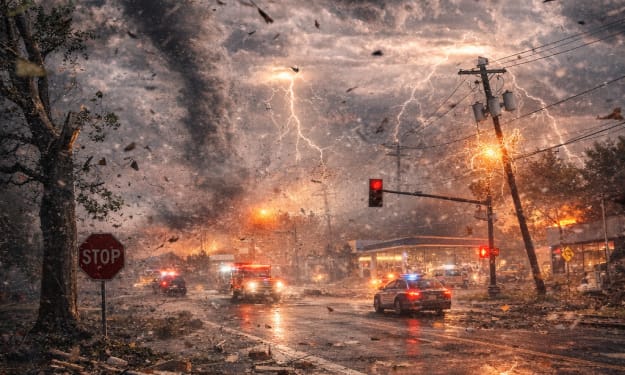
Violent Winds Could Strike Without Warning — Officials Urge Extreme Caution*
**Violent Winds Could Strike Without Warning — Officials Urge Extreme Caution** Meteorologists have issued an urgent warning as violent winds are expected to develop rapidly, posing a serious threat to public safety. Weather experts say conditions are becoming increasingly unstable, with sudden gusts capable of causing damage within minutes. Unlike typical windy days, this event is marked by unpredictability, making it especially dangerous for residents, travelers, and outdoor workers.
By America today 6 days ago in Earth
Chasing a Frozen World: A New Exoplanet Candidate May Be Colder Than Mars. AI-Generated.
Astronomers are abuzz with the potential discovery of a new exoplanet candidate that may be colder than Mars — and yet, it’s roughly the size of Earth and orbits a sun-like star. This intriguing finding comes from reanalyzing old data from NASA’s retired Kepler Space Telescope, showing just how much treasure still hides in archival data.
By Ayesha Lashari7 days ago in Earth
The Terrarium Toolkit: AI Helps You Build and Maintain a Miniature World. AI-Generated.
You assemble layers of earth, carefully position tiny plants, and add decorative stones, culminating in the moment you place the glass lid or front panel. You've created more than a decoration; you've built a miniature, self-contained world. Yet, weeks later, that world can become clouded—literally. Condensation obscures the view, mold appears on the soil, or a once-vibrant plant turns to mush. The delicate balance you sought has tipped.
By Emma Wallace7 days ago in Earth
Earthquakes Today. AI-Generated.
Earthquakes are a daily reminder that the planet beneath our feet is constantly in motion. Today was no exception. Across different regions of the world, seismic instruments recorded a series of small to moderate earthquakes—most of them unnoticed by the general public, yet each one contributing to scientists’ understanding of how Earth releases stress along its tectonic boundaries. While major, destructive earthquakes capture headlines, the reality is that earthquakes happen every day, often dozens at a time. Today’s activity followed that familiar pattern: brief moments of shaking in some areas, subtle ground movement in others, and long strings of data flowing into global monitoring systems. A Snapshot of Earthquakes Today Throughout the day, earthquakes were detected in both well-known seismic zones and regions where shaking is less common. Coastal fault systems, subduction zones near ocean trenches, and continental plate boundaries all showed signs of movement. Most of today’s earthquakes were relatively low in magnitude, meaning they posed little to no danger to people or infrastructure. In places where earthquakes are frequent, such as parts of the Pacific Rim, small tremors are considered routine. Residents may feel a quick jolt, hear a faint rumble, or notice hanging objects sway briefly before everything settles again. Elsewhere, similar-sized quakes might go entirely unnoticed, detected only by sensitive instruments. The takeaway from today’s seismic activity is not alarm, but continuity: Earth is behaving exactly as geologists expect it to. Why Earthquakes Occur So Frequently Earth’s outer shell is broken into massive slabs called tectonic plates. These plates are constantly moving, though usually at speeds measured in centimeters per year. Where they collide, pull apart, or slide past one another, stress builds up over time. When that stress is released suddenly, an earthquake occurs. Today’s earthquakes are part of that ongoing process. Some happened along major fault lines that have been active for millions of years. Others occurred within plates themselves, caused by smaller fractures responding to distant stress changes. Each event, no matter how small, helps redistribute energy within the crust. Importantly, a day with multiple earthquakes does not necessarily signal that a larger one is imminent. In many cases, frequent small quakes actually release stress gradually, reducing the likelihood of a major rupture in the short term. What Scientists Learn From Today’s Quakes Every earthquake recorded today adds to a growing global dataset. Seismologists analyze factors such as depth, magnitude, wave patterns, and location to understand what is happening below the surface. Shallow earthquakes, even if small, are more likely to be felt by people, while deeper ones may pass unnoticed. Today’s events included a mix of both, offering insights into how stress is distributed at different levels of the Earth’s crust. Scientists also watch for earthquake “swarms,” where many small quakes occur in a concentrated area over a short period. These swarms can be linked to fluid movement underground, volcanic systems, or gradual fault adjustments. When swarms appear, researchers monitor them closely, though most fade without leading to a larger event. How Communities Experience Earthquakes Today For most people, today’s earthquakes were little more than a brief interruption—if they noticed them at all. In regions accustomed to seismic activity, daily life continues with little concern after minor shaking. Buildings designed to withstand earthquakes absorb the motion, and residents know basic safety steps by heart. In areas where earthquakes are less common, even a small tremor can spark curiosity or concern. Social media often fills with posts asking, “Did you feel that?” These moments serve as reminders that preparedness matters everywhere, not just in high-risk zones. Today’s earthquakes, while largely harmless, reinforce the importance of awareness. Knowing what to do during shaking—such as dropping to the ground, taking cover, and holding on—can make a critical difference during stronger events. Are Earthquakes Becoming More Common? A common question after days like today is whether earthquakes are increasing. The short answer is no—at least not in a way that indicates growing danger. What has increased is our ability to detect them. Modern seismic networks are far more advanced than those of previous decades. Instruments now pick up tiny earthquakes that would have gone unnoticed in the past. As a result, it can seem like earthquakes are happening more often, when in reality we are simply observing them more accurately. Today’s activity fits well within historical norms. Earth has always been active, and it will continue to be so long after human timelines have passed. The Role of Preparedness Even on a day dominated by small earthquakes, preparedness remains essential. Large earthquakes are rare, but they do occur without warning. Today’s minor tremors are a reminder to review safety plans, secure heavy furniture, and ensure emergency supplies are accessible. Preparedness is not about fear—it is about readiness. Communities that invest in earthquake-resistant infrastructure and public education recover more quickly when stronger shaking occurs. Looking Ahead As today comes to a close, seismic monitoring will continue uninterrupted. New earthquakes will occur overnight, tomorrow, and every day after that. Most will be small. A few may be felt. Very few will cause damage. Earthquakes today remind us that the planet is alive with motion beneath its surface. While we cannot stop or predict them with precision, we can understand them, respect them, and prepare for their impact. In that sense, today’s earthquakes are not just geological events—they are lessons in coexistence with a dynamic planet, one that is constantly reshaping itself, one subtle tremor at a time.
By Saboor Brohi 7 days ago in Earth
What’s Going On in the World Nowadays?
The world today feels louder, faster, and more divided than ever before. News travels in seconds, crises overlap, and societies are undergoing changes that once took decades to unfold. From political instability and economic pressure to rapid technological growth and shifting social values, humanity is standing at a crossroads. To understand what is truly going on in the world nowadays, we must look beyond headlines and examine the deeper forces shaping our present and future.
By shaoor afridi7 days ago in Earth
Met Éireann Urges Vigilance as Orange and Yellow Rain Warnings in Effect. AI-Generated.
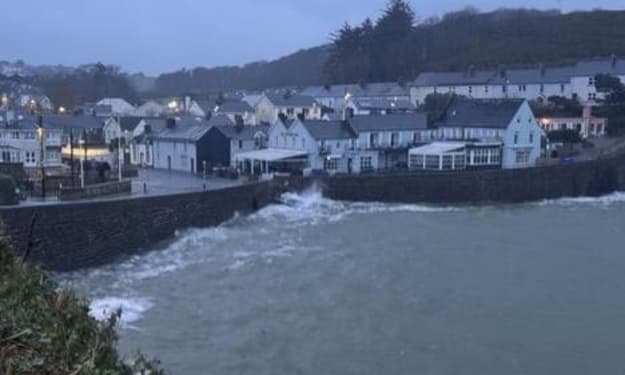
Met Éireann, the national meteorological service of Ireland, has issued a series of urgent weather warnings, including Orange and Yellow alerts, as heavy rainfall continues to impact large portions of the country. With the weather forecast indicating persistent and intense downpours over the coming days, authorities are urging the public to remain vigilant, particularly in areas most susceptible to flooding and severe weather conditions. Heavy Rainfall and Potential Flooding The Orange weather warning, the second-highest alert level in Ireland, is currently in effect for several counties, including Galway, Clare, and parts of Limerick. This alert indicates that significant rainfall could lead to localized flooding, as well as difficult driving conditions due to the accumulation of water on roads. Met Éireann has cautioned that rainfall totals may exceed 40 mm in some areas, with more intense bursts likely to occur over a relatively short period of time. In addition to the Orange warning, a Yellow alert has been issued for a wider swath of the country, including the entire eastern coast, Munster, and parts of the Midlands. While the Yellow warning is the less severe of the two, it still highlights the potential for hazardous conditions, including surface water flooding and poor visibility. The accumulation of rainwater, combined with strong winds, may create challenging conditions for motorists and pedestrians alike, making travel unsafe in some regions. The Causes Behind the Storms The heavy rainfall is being caused by a low-pressure system sweeping across the Atlantic, bringing with it intense showers and gusty winds. These weather systems are common during the autumn and winter months in Ireland, but this particular storm is notable for its widespread impact and persistent nature. The system is expected to linger over Ireland for several days, keeping the nation under the threat of continued heavy rain and strong winds. Meteorologists at Met Éireann have explained that the storms are drawing moisture from the Atlantic, causing the already saturated ground to absorb even more water. This increases the risk of localized flooding, especially in areas that have already experienced heavy rain in recent weeks. With more rain expected to fall throughout the week, concerns are mounting that rivers may overflow, and drains could become blocked, exacerbating flooding issues. Impact on Transportation and Infrastructure The weather warnings are expected to have a significant impact on transportation across the country. Motorists are being urged to exercise extreme caution while driving, especially on rural roads and in areas known to be prone to flooding. The increased risk of aquaplaning and reduced visibility due to heavy rain means that drivers should adjust their speed and avoid driving through standing water. Rail services have also been affected, with potential disruptions to some routes due to flood risks and safety concerns. Met Éireann has warned that some railway tracks may be impassable in certain parts of the country, particularly in the west and south. Passengers are advised to check with Irish Rail for real-time updates on service delays or cancellations. In addition, the aviation sector could face minor delays, as low visibility and strong winds may cause temporary issues at airports. The National Roads Authority (NRA) and local authorities have been working to clear any blocked drains, but the heavy rainfall may quickly overwhelm efforts to manage surface water. Safety Tips and Preparedness Met Éireann is strongly advising the public to take precautions to stay safe during the stormy period. For those living in flood-prone areas, it is crucial to be aware of any flood warnings issued by the local authorities and to take immediate action if flooding becomes imminent. People should avoid driving or walking through flooded areas, as even shallow waters can pose serious risks. For those living in coastal regions, the public is being reminded that high tides, combined with strong winds, may cause coastal flooding and erosion. It is recommended to stay away from exposed areas, such as beaches, cliffs, and harbors, during this time. Homeowners are also advised to check that drains, gutters, and downpipes are clear of debris to prevent water from backing up. Those in rural areas should take steps to secure outdoor furniture, equipment, and anything else that could be blown away in the strong winds. If you live in an area where flooding is a particular concern, it is wise to have an emergency kit with essentials such as flashlights, batteries, and a first-aid kit. The Role of Local Authorities Local authorities across Ireland have been working closely with Met Éireann to ensure that the public is kept informed of weather updates and to prepare for any potential flooding. In high-risk areas, sandbags are being distributed to protect properties from water damage, and emergency teams are on standby to address any flooding that may occur. In addition, Irish Water has been monitoring the potential for stormwater overflow, and is prepared to take emergency action if needed. Irish Water has warned the public that sewage systems could be overwhelmed by the heavy rainfall, and it is important for residents to avoid flushing non-biodegradable items, as this can exacerbate blockages. Looking Ahead: What’s Next for the Weather? The current Orange and Yellow warnings are expected to remain in effect throughout the week, with intermittent heavy rain continuing to affect much of the country. The low-pressure system that is driving the wet weather is forecast to weaken by the weekend, although there may still be isolated showers and wet conditions in some areas. While the weather outlook improves slightly as the system moves away, it’s important to remain cautious, as rain showers and localized flooding could still pose a risk. Met Éireann will continue to monitor the situation closely, and updates will be provided through their website and social media channels. Conclusion With the Orange and Yellow rain warnings now in effect, Met Éireann is urging the public to stay vigilant and take appropriate precautions to protect themselves and their property. Heavy rainfall, flooding, and transportation disruptions are expected over the next few days, and it’s crucial for people to stay informed and ready to act. As always, when dealing with severe weather, preparation and awareness are key to minimizing the risks and ensuring safety for all.
By Fiaz Ahmed 7 days ago in Earth
Tourist Killed by Elephant Previously Linked to Two Fatal Attacks at Thailand National Park. AI-Generated.
A tragic incident at a national park in Thailand has once again highlighted the dangers of human interaction with wild animals. Authorities confirmed that a tourist was killed by an elephant that had previously been involved in two fatal incidents. The case has reignited conversations about wildlife management, tourist safety, and the growing pressure on natural habitats due to tourism and human expansion.
By Aarif Lashari8 days ago in Earth
Enoch Burke Case: Disciplinary Panel Members Resign in Major Blow to Efforts to Resolve Row Over Teacher’s Dismissal. AI-Generated.
The long-running dispute surrounding Irish teacher Enoch Burke has taken another dramatic turn after members of a disciplinary panel resigned, dealing a significant setback to efforts aimed at resolving the controversy over his dismissal. The case, which has attracted widespread public attention, continues to raise complex questions about employment rights, institutional authority, and the handling of disputes involving personal beliefs in professional settings.
By Aarif Lashari8 days ago in Earth
Suspect Identified in Disappearance of Four-Year-Old in Australian Outback. AI-Generated.
The disappearance of a four-year-old child in the vast and remote Australian outback has shocked communities across the country and drawn international attention. Authorities have now identified a suspect in connection with the case, marking a significant development in an investigation that has mobilized large-scale search teams, law enforcement agencies, and local volunteers.
By Aarif Lashari8 days ago in Earth