
Wetlands and mangroves
Wetlands and Mangroves: Vital Ecosystems for Sustainability

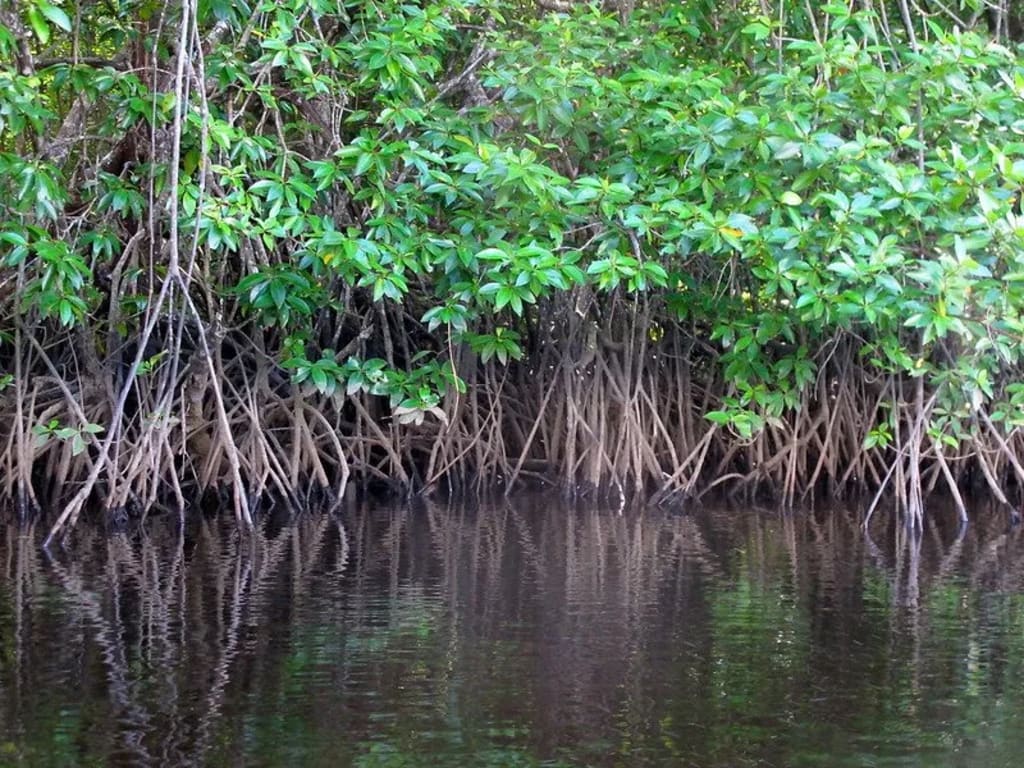
Wetlands and mangroves are two of the most important ecosystems on Earth, providing immense ecological, economic, and social benefits. These environments support biodiversity, protect coastlines, regulate climate, and offer resources essential for human livelihoods. Despite their significance, wetlands and mangroves face threats from human activities, climate change, and pollution. This article explores the characteristics, importance, threats, and conservation efforts related to these vital ecosystems.
Understanding Wetlands
Wetlands are areas where water covers the soil or is present near the surface for part or all of the year. They include marshes, swamps, bogs, and fens, found in both freshwater and saltwater environments. Wetlands can be classified into four major types:
Coastal Wetlands – Found along coastal areas, including salt marshes and estuarine wetlands.
Inland Wetlands – Includes lakes, rivers, floodplains, and peatlands.
Man-made Wetlands – Constructed for wastewater treatment and water storage.
Peatlands – Rich in organic material, storing carbon over long periods.
Importance of Wetlands
Wetlands provide critical ecosystem services, including:
Biodiversity Hotspots – They serve as habitats for diverse species of plants, fish, birds, amphibians, and insects.
Water Filtration – Wetlands filter pollutants, improving water quality.
Flood Control – They act as natural buffers, absorbing excess water during heavy rains and reducing flood risks.
Carbon Sequestration – Wetlands store large amounts of carbon, helping mitigate climate change.
Livelihoods – They support agriculture, fisheries, and tourism industries, benefiting local communities.
Understanding Mangroves
Mangroves are salt-tolerant trees and shrubs found along tropical and subtropical coastlines. They thrive in intertidal zones where freshwater meets seawater, creating dense forests that serve as breeding and nursery grounds for marine life. Mangrove forests are primarily found in Southeast Asia, Africa, and the Americas.
Importance of Mangroves
Mangrove ecosystems provide multiple environmental and economic benefits:
Coastal Protection – Mangroves act as natural barriers against storms, hurricanes, and erosion.
Carbon Storage – Mangroves store more carbon per hectare than many terrestrial forests, reducing greenhouse gas levels.
Biodiversity Support – They provide shelter to fish, crabs, birds, and endangered species seemed tigers and manatees.
Water Quality Improvement – Their root systems trap sediments and filter pollutants, maintaining healthy marine environments.
Economic Benefits – Many communities depend on mangroves for fisheries, tourism, and traditional medicine.
Threats to Wetlands and Mangroves
Despite their ecological significance, wetlands and mangroves are under severe threat due to various factors:
Deforestation and Land Reclamation – Wetlands and mangroves are drained and cleared for agriculture, urban expansion, and aquaculture.
Pollution – Industrial waste, agricultural runoff, and plastic pollution degrade water quality and harm aquatic life.
Climate Change – Rising sea levels, increased temperatures, and changing precipitation patterns threaten these ecosystems.
Overexploitation – Excessive fishing, logging, and resource extraction lead to habitat destruction.
Invasive Species – Non-native species disrupt native ecosystems, affecting biodiversity and ecological balance.
Conservation and Restoration Efforts
To protect and restore wetlands and mangroves, global efforts focus on conservation strategies, including:
Protected Areas and Legislation – Establishing national parks, marine reserves, and legal frameworks to regulate development and exploitation.
Sustainable Land Use Practices – Encouraging eco-friendly agriculture, afforestation, and responsible tourism to reduce environmental impact.
Community Engagement – Involving local communities in conservation efforts, promoting awareness, and providing alternative livelihoods.
Reforestation and Rehabilitation – Planting mangrove saplings and restoring degraded wetlands to rebuild natural ecosystems.
International Agreements – Global initiatives like the Ramsar Convention and the Mangrove Action Project work toward wetland and mangrove conservation.
IN THE END
Wetlands and mangroves are indispensable ecosystems that sustain life, protect coastal areas, and regulate climate. However, they continue to face mounting threats from human activities and environmental changes. Urgent conservation efforts, policy implementation, and community participation are crucial to preserving these natural habitats. By valuing and protecting wetlands and mangroves, we ensure ecological balance, biodiversity conservation, and sustainable development for future generations.
About the Creator
Badhan Sen
Myself Badhan, I am a professional writer.I like to share some stories with my friends.
Keep reading
More stories from Badhan Sen and writers in Earth and other communities.
Ozone layer depletion
The ozone layer is a crucial part of Earth's atmosphere, shielding life from harmful ultraviolet (UV) radiation. However, human activities have led to the depletion of this protective layer, posing significant environmental and health risks. Understanding the causes, effects, and solutions to ozone layer depletion is essential for mitigating its impact and preserving life on Earth.
By Badhan Senabout a year ago in Earth



Comments
There are no comments for this story
Be the first to respond and start the conversation.