
Wildfires: Causes and management
Wildfires are uncontrolled fires that rapidly spread across vegetation, forests, grasslands, and even urban areas.


Wildfires are a natural part of many ecosystems but have become more frequent and severe due to human activities and climate change. While wildfires can play a role in renewing ecosystems, they also pose significant threats to human life, biodiversity, and air quality. Understanding the causes of wildfires and implementing effective management strategies are crucial for mitigating their impact.
Causes of Wildfires
Wildfires can be classified into two main categories based on their cause: natural and human-induced.
Natural Causes
Lightning Strikes: One of the most common natural causes of wildfires, lightning strikes can ignite dry vegetation, leading to widespread fires, especially in hot and arid regions.
Volcanic Eruptions: The intense heat and lava flows from volcanoes can ignite surrounding vegetation and trigger wildfires.
Spontaneous Combustion: Under certain conditions, organic materials such as dry leaves, peat, and decomposing vegetation can heat up and ignite without an external flame.
Drought and Heatwaves: Extended periods of drought and high temperatures create ideal conditions for wildfires by drying out vegetation and reducing moisture levels in the soil.
Human-Induced Causes
Campfires and Open Flames: Unattended or improperly extinguished campfires can easily spread, especially in dry conditions.
Discarded Cigarettes: Carelessly discarded cigarette butts can ignite dry grass and leaves, leading to large fires.
Arson: Intentional setting of fires for malicious purposes or land clearing is a significant cause of wildfires in some Regions.
Power Lines and Electrical Failures: Faulty electrical equipment, sparks from power lines, and transformer explosions can ignite fires in dry, windy conditions.
Agricultural and Land Management Practices: Slash-and-burn farming, where land is cleared by setting fire to vegetation, can sometimes get out of control and spread to nearby forests and grasslands.
Effects of Wildfires
The impact of wildfires extends beyond immediate destruction. Their consequences can be long-lasting and far-reaching.
Loss of Life and Property: Wildfires pose significant risks to human lives, homes, and infrastructure, causing billions of dollars in damages annually.
Environmental Degradation: Fires destroy forests, grasslands, and habitats, leading to biodiversity loss and ecosystem imbalances.
Air Pollution: Wildfires release large amounts of carbon dioxide, carbon monoxide, and fine particulate matter, which can cause respiratory problems and other health issues.
Water Contamination: Ash and debris from burned areas can enter water bodies, leading to contamination and affecting drinking water supplies.
Climate Change Acceleration: Wildfires release stored carbon into the atmosphere, contributing to global warming and climate change.
Wildfire Management Strategies
Effective wildfire management involves prevention, preparedness, response, and recovery efforts to minimize risks and damage.
Prevention Measures
Public Awareness Campaigns: Educating people about fire safety, responsible outdoor behavior, and emergency procedures can help reduce human-caused wildfires.
Fire-Resistant Landscaping: Creating defensible spaces around homes and infrastructure by clearing flammable vegetation can help prevent fires from spreading.
Controlled Burns: Also known as prescribed burns, controlled fires help reduce fuel buildup and minimize the risk of catastrophic wildfires.
Regulation of High-Risk Activities: Restricting outdoor burning, fireworks, and industrial activities during peak wildfire seasons can help prevent ignition sources.
Fire-Resistant Building Materials: Constructing homes and buildings with fire-resistant materials can reduce vulnerability to wildfires.
Preparedness and Early Detection
Fire Monitoring Systems: Satellite technology, drones, and fire detection cameras can help identify wildfires early and track their spread.
Community Fire Drills and Training: Educating residents and emergency responders on evacuation plans and fire suppression techniques can improve preparedness.
Emergency Communication Systems: Establishing reliable communication networks can ensure timely warnings and alerts during wildfire outbreaks.
Fire Suppression and Response
Firefighters and Aerial Support: Deploying ground crews, helicopters, and water-bombing aircraft can help control and extinguish wildfires.
Fire Breaks and Barriers: Creating physical barriers such as cleared strips of land can slow the spread of wildfires and protect communities.
Collaboration and Mutual Aid: Cooperation between local, state, and federal agencies, as well as international assistance, can enhance wildfire response efforts.
Post-Fire Recovery and Restoration
Reforestation and Soil Stabilization: Planting trees and using erosion control techniques help restore burned landscapes and prevent landslides.
Wildlife Conservation Efforts: Protecting and rehabilitating wildlife habitats affected by wildfires is essential for ecosystem recovery.
Infrastructure Rebuilding and Economic Support: Providing financial aid and rebuilding support to affected communities can help them recover from wildfire disasters.
IN THE END
Wildfires are a growing global concern, driven by both natural and human factors. While they play a role in ecosystem renewal, their increasing frequency and intensity pose serious threats to life, property, and the environment. Implementing effective wildfire management strategies—through prevention, preparedness, rapid response, and post-fire recovery—is crucial to mitigating their impact. As climate change continues to exacerbate wildfire risks, proactive measures and international cooperation will be essential in addressing this urgent challenge.
About the Creator
Badhan Sen
Myself Badhan, I am a professional writer.I like to share some stories with my friends.
Keep reading
More stories from Badhan Sen and writers in Earth and other communities.
Landslides and avalanches
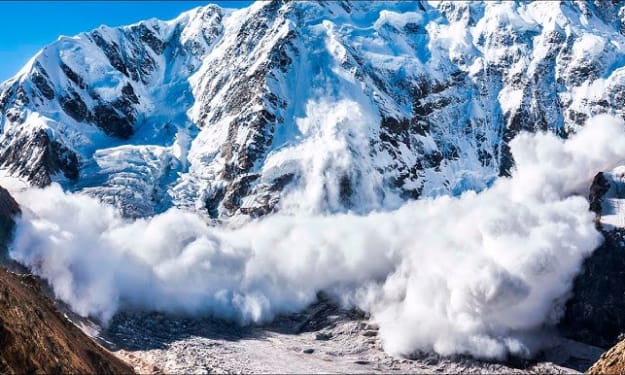
Landslides and avalanches are natural disasters that occur when masses of rock, soil, or snow rapidly move down a slope due to gravitational forces. Both phenomena can be highly destructive, causing loss of life, damage to infrastructure, and significant environmental changes. While landslides primarily involve soil and rock, avalanches consist of snow and ice. Understanding their causes, effects, and methods of mitigation is crucial for disaster prevention and risk management.
By Badhan Senabout a year ago in Earth
There's A Hole in My Bucket
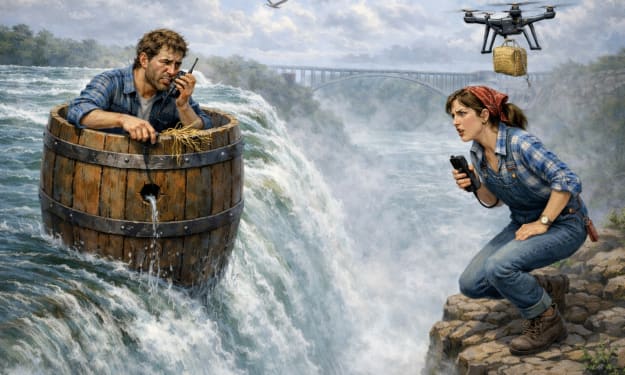
It’s a well-known fact that Liza Dufresne was always the brains in the family. She was the one who always came up with the brilliant schemes the Dufresne kids carried out when they were younger. Like when they tricked Mrs. Claybourn into paying for a trip to Disney World. Liza convinced her that their parents had been kidnapped and were being held for ransom for the total price of three tickets. In reality, they were away on a weekend getaway for their anniversary. When they returned, Liza told the Claybourns that they did not like to talk about the ordeal. Their parents never found out how they got the money. Mrs. Claybourn never found out that the Dufresne parents were never really in any danger.
By David E. Perry4 days ago in Fiction

Comments (2)
Poor California and the various weather systems they have had to cause some of the wildfires out there. Hopefully people will listen. Good job.
Nice research here. Love it