science
Your digital Food Lab; Feast explores the science of food, food production technology, the origin and future of the foods we eat.
Discover the Incredible Health Benefits of Purple Tea: The Antioxidant-Rich Superfood You Need to Try
Purple tea is a relatively new variety of tea that has been gaining popularity in recent years. This tea is produced from the same Camellia sinensis plant as other types of tea, but it has a distinct purple color due to the high levels of anthocyanin pigments in its leaves. In this blog post, we will explore the benefits of purple tea and why you should consider adding it to your diet.
By Patriot76023 years ago in Feast
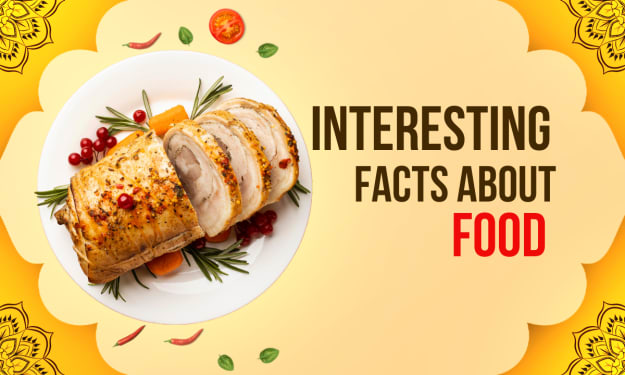
Interesting facts about food
Taste is subjective: what one person finds delicious may be repulsive to another. This is due to the fact that taste buds differ from person to person, and our personal experiences and cultural backgrounds also have an impact on our taste preferences. Food can affect our mood: Eating certain foods can cause the release of chemicals in the brain, which can affect our mood and emotions. Eating chocolate, for example, can cause the release of endorphins, which can make us feel happy. Spices can be good for your health: Many spices, including turmeric, ginger, and cinnamon, have been found to have anti-inflammatory and antioxidant properties, which can help reduce the risk of chronic diseases. Food can be addictive: Certain foods, such as chocolate and junk food, have been shown in studies to activate the same pleasure centres in the brain as drugs like cocaine, leading to cravings and addictive behaviour. Food can be used for cultural and social bonding: Sharing a meal with family and friends is a universal way of bonding and connecting with others. Food is also important in cultural traditions and celebrations. Food can be used to learn about different cultures: Experimenting with new and exotic foods is a great way to learn about different cultures and broaden your palate. The way food is prepared can have an impact on its nutritional value: The nutrient content of food can be affected by cooking and processing methods. Boiling vegetables, for example, can leach out some of the vitamins and minerals, whereas roasting can help retain them. Some foods have unique and unusual properties: Some foods have unusual or unique properties: For example, durian fruit has a pungent odour that some people enjoy while others find repulsive. Fugu, a type of pufferfish, is considered a delicacy in Japan but can be lethal if not properly prepared. Food waste is a global issue: According to the Food and Agriculture Organization of the United Nations, approximately one-third of all food produced for human consumption is lost or wasted each year. This has serious economic, social, and environmental implications. Food can be a source of contention and disagreement: When it comes to food, there are many different opinions and beliefs, such as whether to eat meat or follow a plant-based diet, or whether certain foods are healthy or harmful. These discussions can be heated and emotional. Some foods are referred to as "superfoods" because they are high in nutrients and provide numerous health benefits. Blueberries, kale, salmon, and quinoa are some examples. Saffron, derived from the crocus flower, is the most expensive spice in the world. One pound of saffron requires approximately 75,000 saffron flowers. Some foods can actually make you happier. Chocolate, for example, contains compounds that have been shown to increase serotonin levels in the brain, resulting in feelings of happiness and well-being. Cooking with fire is thought to have originated more than 1 million years ago, when early humans began to use fire to cook their food. Different cultures have different food beliefs and superstitions. In Japan, for example, passing food from chopstick to chopstick is considered impolite because it resembles a funeral ritual. A pizza over 122 feet in diameter was the largest food item ever created. It was created in Italy in 2012 and took 250 chefs 48 hours to complete. Many popular foods were discovered by chance. For example, potato chips were created when a restaurant chef sliced a potato too thinly and fried it until crisp. Some foods are toxic if not properly prepared. Fugu, a type of Japanese pufferfish, is considered a delicacy but can be deadly if not properly prepared. Many foods have interesting, if not bizarre, origins. For example, the modern tomato was once thought to be poisonous and was only used for decoration. Every year on the last Wednesday of August, the world's largest food fight takes place in Buol, Spain. La Tomatina is an event in which over 100 tones of ripe tomatoes are thrown at each other.
By Karthick Raja3 years ago in Feast
The Science of Taste: Why We Like What We Eat
Food is a fundamental part of our lives, and we all have our favorite dishes and flavors. But have you ever wondered why we like what we eat? The answer lies in the science of taste, a complex and fascinating field that explores the chemical and biological processes that influence our perception of flavor.
By Dr.Anandharaj Ph.D.3 years ago in Feast
Green Diet: The Benefits of Mindful Eating
In recent years, there has been an increasing awareness of the impact that our diets have on the environment. A green diet is a way of eating that emphasizes plant-based foods and minimizes the consumption of animal products. This type of diet has been gaining popularity due to its potential health benefits and positive environmental impact. In this blog post, we will discuss what a green diet is, its benefits, and how to adopt it.
By YathirajaSampathKumar K R3 years ago in Feast
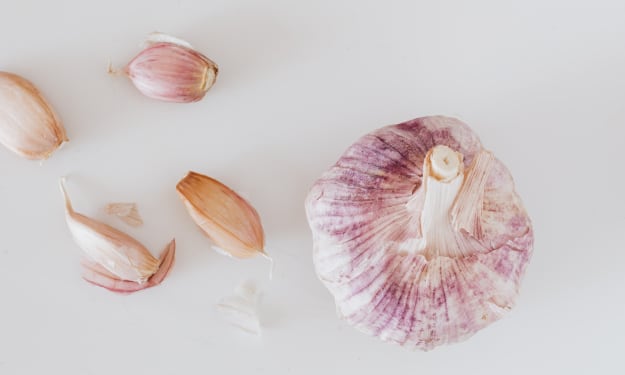
Why You Should Put Garlic in Your Ear Before Going to Sleep
Garlic is a popular ingredient in many dishes around the world. It is known for its pungent flavor and aroma, but did you know that garlic also has many health benefits? One of the lesser-known uses of garlic is to put it in your ear before going to sleep. In this article, we will explore why you should put garlic in your ear before going to sleep and how it can benefit your health.
By Kamal Elnady3 years ago in Feast
6 Reasons Why Food Tech Startups Should Partner With Industry Giants
1. Gain access to established supply chains Securing reliable and high-quality ingredients is one of the biggest challenges for startups in the food industry. However, partnering with established food companies can provide a solution to this problem. By leveraging the established supply chains of incumbent companies, startups gain access to valuable resources and expertise that can help them grow and scale their business.
By Eshan Samaranayake3 years ago in Feast
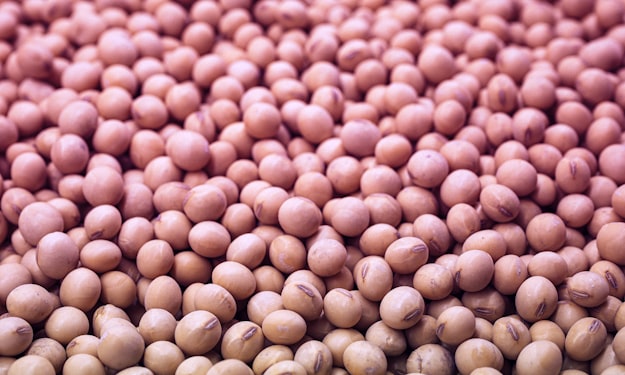
The benefits of soybeans
What is soybean Soybean is one of the common legumes in East Asia, as it grows in tropical, subtropical and hot regions. Soybeans consist of 36% protein, 30% carbohydrates and a good content of minerals, vitamins, and dietary fiber, in addition to 20% oil.
By Abderrazak Zteou3 years ago in Feast
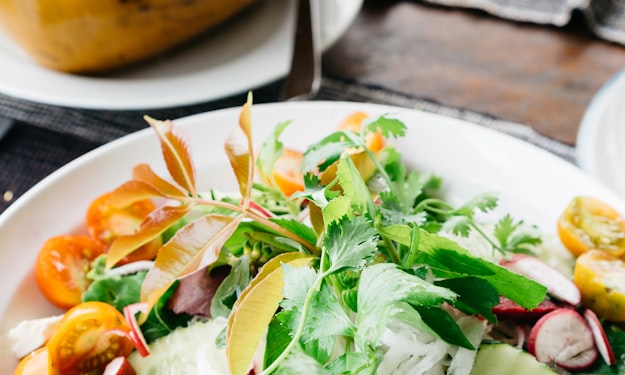
The benefits of lettuce
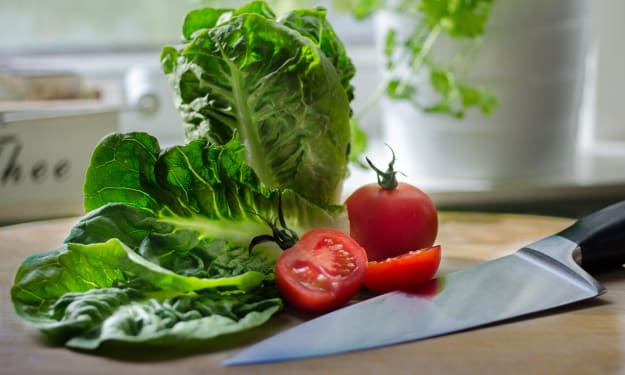
What is lettuce Lettuce in its various types is one of the most popular leafy vegetables commonly used, especially in the preparation of various salad dishes. Lettuce is famous for its unique nutritional content, which makes the benefits of lettuce multiple and varied to include the body, skin, and hair. The benefits of lettuce for pregnant women also vary, as it contains vitamins and minerals that nourish the mother and fetus, and lettuce is also associated with the prevention of many chronic diseases.
By Abderrazak Zteou3 years ago in Feast
Aspect-oriented programming
Aspect-oriented programming Introduction: Aspect-oriented programming, there are a few programming ideal models that a designer can use to compose productive and powerful code. One of these standards is perspective situated programming (AOP). AOP is a moderately new programming worldview that means to modularize cross-cutting worries in programming frameworks. This article will give an outline of perspective situated writing computer programs, its elements, benefits, and weaknesses.
By Muhammad Abrar3 years ago in Feast