science
Your digital Food Lab; Feast explores the science of food, food production technology, the origin and future of the foods we eat.
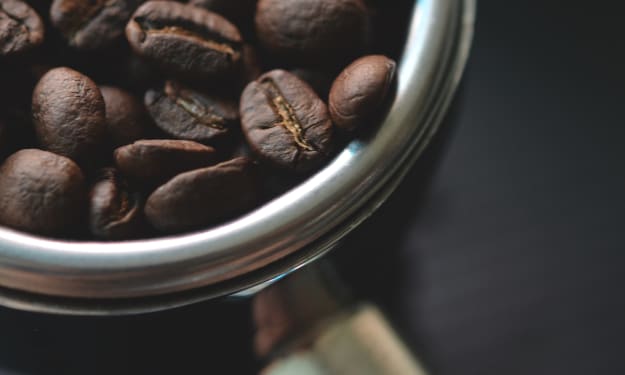
How Much Caffeine Instant Coffee Has
Instant coffee is one of the most popular choices all over the world. Coffee drinkers find it cheaper and more convenient compared to having to brew regular coffee every time you want some caffeine boost. It's also versatile since all you have to do is to dissolve a teaspoon of coffee in hot water and put some sweetener or creamer with it. You can already enjoy a hot cup of coffee at any time of the day.
By Jaymie Suh5 years ago in Feast
What Happens To The Food That We Eat, And How That Affects Our Health.
We tend to think of our digestive system at a very simple level. We eat food, our stomach acids break it down, our intestines absorb it, and whatever that isn't absorbed is excreted into the toilet bowl.
By Dr Joel Yong6 years ago in Feast
I'm not a chef, but I make Michelin star meals
I definitely am not a chef. I've never gone to culinary school, I maybe have taken one cooking class in my life. I learned how to cook at home, but I constantly cook restaurant-quality meals and dishes, without recipes because of two things. I've learned about flavor pairings, and I learned about food science. Here's why you should too:
By Amanda Monteith6 years ago in Feast
FOOD FERMENTATION
Decomposition of carbohydrates by microorganisms or enzymes is called fermentation. Fermentation of food results in the production of organic acids, alcohol, etc., which not only help in preserving the food but may also produce distinctive new food products.
By Ekaspreet Kiran6 years ago in Feast
AVOIDING FOOD WASTE IN TIMES OF NEED
The Food Freshness Card The Food Freshness Card™ is the newest US Patented Award-Winning Technology in the food world. Independently laboratory tested to keep your food fresher up to 50% longer for many fruits, vegetables, and breads. Simple to use, place the Food Freshness Card in your refrigerator, under your fruit bowl, in your bread box, or anywhere food is stored. Guaranteed to last 1 year.VISION 2020: Mission Statement! We are going to save tons of food. Reduce waste, reduce hunger and save the planet. This is our secret key and solution to climate change.
By Joshua Jogo6 years ago in Feast
Monocultures – the single greatest threat to our food culture (and lives).
There is almost an unimaginable number of foods in the world and of that unimaginable number, an unfathomable amount of variety exists. We not be able to eat them all, in fact some estimates put the number as low as 20,000, but about 20 species of plant (0.1%) make up 90% of our diet. These twenty plants could be described as a monoculture and they could very well spell our doom.
By Danny Kane6 years ago in Feast
Avoiding deficiencies on a Plant-Based diet
Veganism is on the rise like never before, and this leaves the door wide open for every man and his dog to promote not just their idea of the optimum diet, but medical opinions as well. Please take everything you read in blogs or social media with a grain of salt, yes - my material included, although I do maintain that I share only personal experiences or peer-reviewed/medical research, and I do so to spark discussion or further research by the reader.
By Jackie Green6 years ago in Feast
Food & Mental Health
Disclaimer: Diet is not a fix all for feeling sad, and sadness or depression can be an appropriate response to things that do happen in our daily lives. This piece is aimed towards the ongoing chemical imbalance which results in depression and how diet may help.
By Jackie Green6 years ago in Feast
The Controversy of Soy
The controversy of soy is an interesting mixture of misunderstanding and confirmation bias. I would like to start off by saying there has never been any scientific connection between soy and testosterone levels. Many people like to make the claim that soy has an affect on testosterone levels and will make men more feminine. There is no scientific evidence to back these claims up whatsoever. The majority of these claims come from a misunderstanding of biochemistry and people then latching onto that misunderstanding and spreading it as fact. Media sources who do not cite nor check sources then spread the misinformation to the public.
By The Coffee Ghost7 years ago in Feast