
Clemency
Power, Purpose, and the Constitution


Clemency is one of the most misunderstood yet powerful tools in any justice system. Often mentioned in political debates or high-profile criminal cases, the word can sound abstract or controversial. Yet at its core, clemency represents mercy within the law — a recognition that justice is not always served by punishment alone. To fully understand its role, it helps to explore what is clemency, how it functions, and how it connects to constitutional principles such as the 5th Amendment.
What Is Clemency?
At its simplest, clemency is an act of mercy granted by a government authority, usually an executive leader such as a president or governor. It reduces or eliminates the legal consequences of a criminal conviction without overturning the conviction itself. Clemency does not declare a person innocent; instead, it acknowledges circumstances where forgiveness, fairness, or public interest justifies relief from punishment.
Clemency can take several forms. A pardon forgives a crime and restores certain rights. A commutation reduces a sentence, such as shortening prison time. A reprieve delays punishment, often in death penalty cases. Though different in effect, all forms share the same foundation: discretion guided by mercy.
The Historical Roots of Clemency
Clemency predates modern democracies. Monarchs once held absolute authority to grant mercy as a personal act of grace. Over time, democratic systems retained this power but placed it within constitutional frameworks to prevent abuse. In the United States, clemency became a deliberate feature of governance, designed to balance rigid laws with human judgment.
The Founders understood that no legal system could anticipate every circumstance. Laws must be general, but lives are specific. Clemency exists to bridge that gap.
Clemency and the U.S. Constitution
In the United States, the clemency power is explicitly granted to the president by the Constitution. Article II authorizes the president to grant pardons and reprieves for federal offenses, except in cases of impeachment. This authority is broad and largely unchecked, reflecting the belief that mercy must sometimes operate beyond courts and legislatures.
While the Constitution does not directly place clemency within the 5th Amendment, the two are philosophically connected. The 5th Amendment protects individuals from abuses of government power, guaranteeing due process, protection against self-incrimination, and safeguards against double jeopardy. Clemency complements these protections by offering relief when legal processes, even when properly followed, produce outcomes that feel unjust or excessive.
The Relationship Between Clemency and Due Process
The 5th Amendment ensures that no person is deprived of life, liberty, or property without due process of law. Courts are responsible for applying this principle during trials and sentencing. Clemency enters the picture after due process has been fulfilled.
This distinction matters. Clemency is not a correction of legal error — that is the role of appeals. Instead, it is a moral or practical judgment that acknowledges factors courts may not fully weigh, such as rehabilitation, humanitarian concerns, or changes in social standards.
For example, mandatory sentencing laws can result in punishments that later generations view as excessive. Clemency allows the justice system to evolve without rewriting past convictions.
Why Clemency Still Matters Today
Modern criminal justice systems are complex, and no system is perfect. Clemency plays a critical role in addressing systemic issues such as sentencing disparities, overcrowded prisons, and outdated laws. It can also provide relief in cases involving wrongful convictions, even when new evidence falls short of legal standards for reversal.
Clemency has also been used as a tool of reconciliation. Throughout history, leaders have granted clemency during periods of political transition or social healing, signaling a willingness to move forward rather than remain trapped by punishment.
However, this power often sparks debate. Critics argue that clemency can be misused for political favor or personal connections. Supporters counter that transparency and careful review processes can preserve its integrity.
Clemency vs. Amnesty
Clemency is often confused with amnesty, but the two are distinct. Clemency applies to individuals, while amnesty is typically broader, affecting groups of people. Amnesty is usually granted through legislation, whereas clemency is an executive act.
Understanding this difference is essential when discussing accountability and forgiveness. Clemency focuses on individual circumstances; amnesty reflects collective policy decisions.
Ethical Dimensions of Clemency
Beyond legal definitions, clemency raises profound ethical questions. Should mercy override punishment? Can forgiveness coexist with accountability? These questions have no simple answers.
Clemency does not erase harm suffered by victims, nor does it deny responsibility. Instead, it acknowledges that justice includes compassion. In this sense, clemency reflects a mature legal system — one that recognizes human fallibility on both sides of the law.
The Future of Clemency
As societies reevaluate criminal justice policies, clemency is likely to gain renewed attention. Calls for sentencing reform, restorative justice, and rehabilitation highlight the need for mechanisms that address past excesses. Clemency offers flexibility without dismantling the rule of law.
Technology and data analysis may also shape future clemency decisions, providing clearer insights into rehabilitation and risk assessment. Still, the final decision will always rest on human judgment, because mercy cannot be fully automated.
Final Thoughts
Clemency stands at the intersection of law, morality, and power. Understanding what is clemency means recognizing it not as a loophole, but as a safeguard — one that complements constitutional protections like the 5th Amendment. It reminds us that justice is not only about rules, but also about wisdom.
In a system built on laws, clemency ensures there is still room for humanity.
About the Creator
Saboor Brohi
I am a Web Contant writter, and Guest Posting providing in different sites like techbullion.com, londondaily.news, and Aijourn.com. I have Personal Author Sites did you need any site feel free to contact me on whatsapp:
+923463986212
Keep reading
More stories from Saboor Brohi and writers in Geeks and other communities.
Pulmonary Embolism
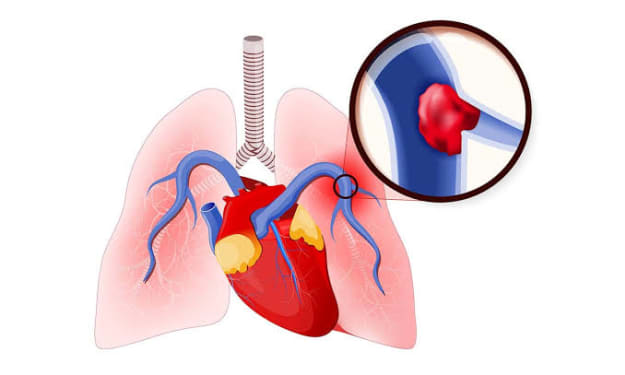
Pulmonary embolism is a life-threatening condition that often arrives without warning. It can affect people of all ages and backgrounds, yet it remains widely misunderstood. Many cases go undiagnosed until symptoms become severe, making awareness critical. When pulmonary embolism intersects with conditions like cancer, including rectal cancer, the risks and complications increase significantly. Understanding what pulmonary embolism is, how it develops, and why cancer patients are especially vulnerable can help save lives. What Is a Pulmonary Embolism? To answer the common question, what is a pulmonary embolism? A pulmonary embolism occurs when a blood clot, usually formed in the deep veins of the legs or pelvis, travels through the bloodstream and becomes lodged in one of the pulmonary arteries in the lungs. This blockage restricts blood flow, reduces oxygen levels, and places immense strain on the heart. Another way to define it, for those asking what is pulmonary embolism, is that it is not a lung disease itself but a circulatory emergency that directly affects lung function. The severity can range from small clots that cause mild symptoms to massive embolisms that can be fatal within minutes. How Pulmonary Embolism Develops Most pulmonary embolisms originate from deep vein thrombosis (DVT). When a clot forms in a deep vein and breaks free, it travels upward through the heart and into the lungs. Factors that increase the risk include prolonged immobility, surgery, trauma, smoking, obesity, and certain medical conditions. Cancer is one of the most significant risk factors. Malignancies can make the blood more prone to clotting, while treatments like chemotherapy, radiation, and major surgeries further elevate the risk. This makes pulmonary embolism a leading cause of complications in cancer patients. The Link Between Cancer and Pulmonary Embolism The relationship between cancer and pulmonary embolism is well established in medical research. Cancer alters the body’s normal clotting mechanisms, creating a hypercoagulable state. Tumors can release substances that promote clot formation, while inflammation associated with cancer further increases risk. Patients with gastrointestinal cancers, including rectal cancer, are particularly vulnerable. Rectal cancer often requires complex treatment plans involving surgery, chemotherapy, and long recovery periods, all of which contribute to reduced mobility and increased clotting risk. For these patients, pulmonary embolism can develop suddenly, sometimes even before cancer is diagnosed. Rectal Cancer and Elevated Risk Rectal cancer deserves special attention when discussing pulmonary embolism. Surgeries involving the abdomen and pelvis are known to raise the likelihood of blood clots. Postoperative recovery often includes extended bed rest, which slows blood flow in the legs. Chemotherapy used in rectal cancer treatment can damage blood vessel walls and disrupt normal clot regulation. Studies show that cancer-related pulmonary embolism may present with atypical symptoms, making diagnosis more difficult. Shortness of breath or fatigue might be mistaken for side effects of cancer treatment rather than signs of a clot. This overlap highlights the importance of vigilance among both patients and healthcare providers. Symptoms That Should Never Be Ignored Pulmonary embolism can be deceptive because symptoms vary widely. Common signs include sudden shortness of breath, chest pain that worsens with deep breathing, rapid heart rate, lightheadedness, and coughing, sometimes with blood. In cancer patients, these symptoms may be subtle or gradual. Because pulmonary embolism can progress rapidly, any unexplained breathing difficulty or chest discomfort should be treated as a medical emergency. Early detection dramatically improves survival rates. Diagnosis and Treatment Options Diagnosing pulmonary embolism typically involves imaging studies such as CT pulmonary angiography, along with blood tests like D-dimer levels. Ultrasound of the legs may also be used to detect deep vein thrombosis. Treatment focuses on preventing the clot from growing and stopping new clots from forming. Anticoagulant medications, often referred to as blood thinners, are the primary therapy. In severe cases, clot-dissolving drugs or surgical interventions may be required. For cancer patients, treatment decisions must balance the risk of bleeding with the need to prevent clot progression. This makes individualized care essential, especially for those with rectal cancer or other gastrointestinal malignancies. Prevention in High-Risk Individuals Preventing pulmonary embolism is a critical goal, particularly for people with cancer. Preventive strategies include early mobilization after surgery, use of compression stockings, and preventive anticoagulation in high-risk cases. Cancer patients should have regular risk assessments throughout their treatment journey. Awareness plays a powerful role in prevention. Understanding what pulmonary embolism is and recognizing early warning signs can lead to faster intervention and better outcomes. Living With the Risk Surviving a pulmonary embolism often changes how patients view their health. Long-term anticoagulation, lifestyle adjustments, and regular medical follow-ups become part of daily life. For individuals battling cancer, especially rectal cancer, managing the dual challenges of malignancy and clot risk can be emotionally and physically demanding. Support systems, clear communication with healthcare teams, and patient education are essential components of long-term care. Pulmonary embolism does not have to be a death sentence, but it requires respect, attention, and proactive management. Final Thoughts Pulmonary embolism is a serious condition that bridges the worlds of cardiovascular disease, lung health, and cancer care. Its connection to cancer, particularly rectal cancer, underscores the need for awareness and prevention. By understanding what is a pulmonary embolism, recognizing risk factors, and responding quickly to symptoms, lives can be saved. In a healthcare landscape where cancer survival is improving, addressing complications like pulmonary embolism is more important than ever. Knowledge remains one of the strongest tools in protecting patients from this silent but dangerous threat.
By Saboor Brohi about 7 hours ago in Geeks
Analyse this!
Wanna know how to improve your writing? There is a simple, quick, tried and tested method. Tried and tested by who? By me, as it happens, and I can guarantee that it will work for you. I know what I am talking about. Not always, of course, but certainly in this case.
By Raymond G. Taylor2 days ago in Writers



Comments
There are no comments for this story
Be the first to respond and start the conversation.