Narratives
the lesser gods of earth
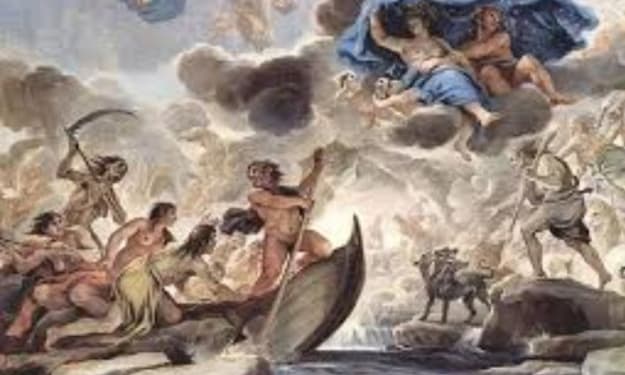
the lesser gods of earth Earth herself was called the All-Mother, but she was not really a divinity. She was never separatedfrom the actual earth and personified. The Goddess of the Corn, DEMETER (CERES), a daughter ofCronus and Rhea, and the God of the Vine, DIONYSUS, also called BACCHUS, were the supreme deities of the earth and of great importance in Greek and Roman mythology. Their stories will be found in the next chapter. The other divinities who lived in the world were comparatively unimportant.
By Bahila Ataklti3 days ago in History
AI, Nuclear Weapons, and Accidental War
AI, Nuclear Weapons, and Accidental War In the modern world, wars are no longer fought only with soldiers, tanks, and planes. A new and dangerous element has entered global security: artificial intelligence (AI). While AI brings speed, efficiency, and advanced decision-making, it also introduces a serious risk—especially when combined with nuclear weapons. The greatest danger of the future may not be a planned nuclear war, but an accidental one.
By Wings of Time 4 days ago in History
Future Wars in the Age of Artificial Intelli
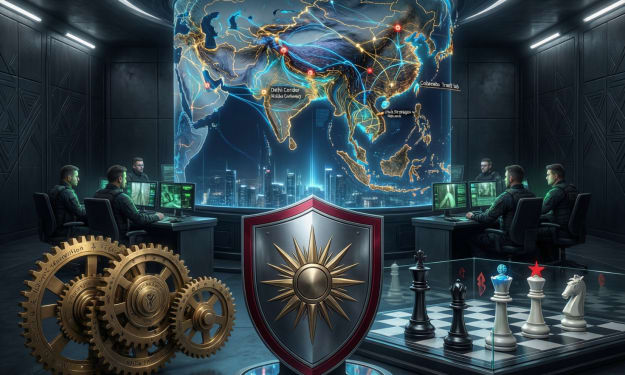
Future Wars in the Age of Artificial Intelligence If the new battlefield is hidden inside a nation’s systems, then Artificial Intelligence is becoming the most powerful weapon within it. Future wars will not begin with tanks crossing borders or fighter jets in the sky. They will begin with algorithms, data, and decisions made at machine speed. AI is changing not only how wars are fought, but also who controls power and how quickly conflicts can spiral out of control.
By Wings of Time 4 days ago in History
She Chose to Be Sicilian. Others Died for Being Sicilian.. Content Warning.
Copenhagen, 1925. There’s a young woman at the harbor, watching the Little Mermaid disappear into the fog. Her bags are at her feet. She’s got a ticket tucked in her coat. Tomorrow, she’s sailing south.
By Olga Angelucci5 days ago in History
Outsiders Who Took Over Southern Italy—and Wrote Themselves In
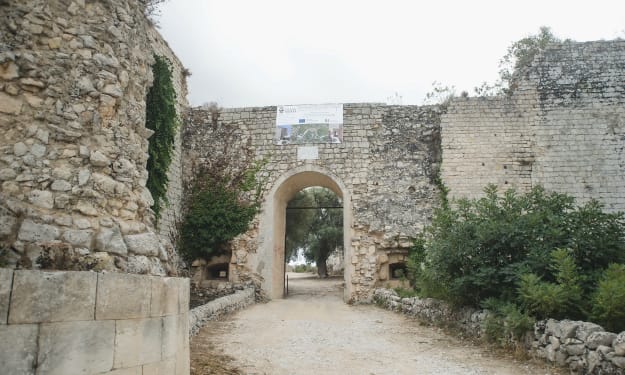
By the early 800s, southern Italy was a mess. You had Lombard princes in one corner, Byzantine governors in another. Nobody was strong enough to call the shots, but nobody wanted to back down either. Power shifted all the time. Cities flipped sides. Loyalty was just another thing you could bargain with. The only thing holding the place together was plain exhaustion.
By Olga Angelucci5 days ago in History
Sicily Didn’t Fall Because of Love
Syracuse, early ninth century. Euphemius lingered by the water, probably longer than was wise. The harbor felt hollow, almost staged—too quiet, like the world was holding its breath. Even the smallest sounds—waves slapping wood, a foot scuffing stone, someone clearing their throat—bounced around, too loud. The soldiers behind him shifted and fidgeted, but nobody wanted to break the silence.
By Olga Angelucci5 days ago in History
When the Circus Came to Town
Long before stadium tours, streaming premieres, or “limited engagement” billboards glowing along the interstate, there was a different kind of announcement. It arrived quietly... Sometimes on a handbill tacked to a feed store, sometimes by rumor passed between kids at school.
By The Iron Lighthouse6 days ago in History
South Asia on Edge: Why Small Crises Carry Big Global Risks
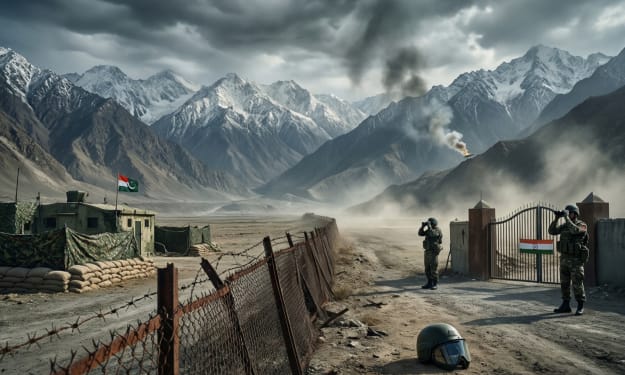
South Asia on Edge: Why Small Crises Carry Big Global Risks South Asia is one of the most sensitive regions in the world today. It is home to a very large population and includes countries with strong militaries and nuclear weapons. Because of this, even small problems can turn into serious crises very quickly. Tensions, mistrust, and long history make the region fragile, and the whole world watches closely when situations become tense.
By Wings of Time 6 days ago in History
Coordinated Attacks and Regional Stability: Why Pakistan’s Security Situation Matters Globally
Coordinated Attacks and Regional Stability: Why Pakistan’s Security Situation Matters Globally How internal security challenges, regional rivalry, and geopolitics are deeply connected
By Wings of Time 6 days ago in History
The Devil’s Bible: Mystery, Myth, and the Codex Gigas. AI-Generated.
What Is the Codex Gigas? The Codex Gigas was created in the early 13th century, most likely around 1229, in the Kingdom of Bohemia (modern-day Czech Republic). The name Codex Gigas literally means “Giant Book”, and the title is well deserved. The manuscript measures about 92 cm tall, 50 cm wide, and 22 cm thick, weighing nearly 75 kilograms. It takes at least two people to lift it. The manuscript contains 310 parchment pages, made from animal skin—estimated to come from over 100 donkeys or calves. Its sheer physical scale alone sets it apart from any other medieval book. Why Is It Called the Devil’s Bible? The Codex Gigas earned its ominous nickname because of a full-page illustration of the Devil, one of the most striking and unsettling images in medieval manuscripts. The Devil is depicted with claws, horns, greenish skin, and an eerie expression, standing alone on a blank background. Opposite this illustration is a depiction of the Heavenly City, symbolizing the eternal conflict between good and evil. According to legend, the manuscript was created by a single monk who had broken his monastic vows and was sentenced to be walled alive as punishment. To escape this fate, the monk promised to write a book in a single night that would glorify God and contain all human knowledge. As midnight approached and he realized the task was impossible, he allegedly made a pact with the Devil, who helped him complete the book. In gratitude—or submission—the monk included the Devil’s portrait inside the manuscript. While historians dismiss this tale as folklore, the legend has significantly contributed to the Codex Gigas’s dark reputation. Contents of the Devil’s Bible Despite its sinister nickname, the Codex Gigas is largely a religious and scholarly work. Its contents include:
By Say the truth 6 days ago in History