Narratives
Reflections on a trip away
I had to deliver leaflets in the rain today. It was miserable. I could feel my clothes getting steadily more wet, my skin recoiling from the cold dampness of the material as it clung. I endured it. There was a job to be done, a deadline to be met.
By Rachel Deeming4 months ago in History
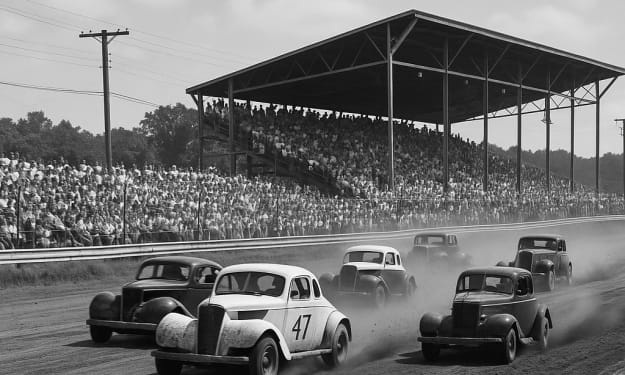
The Forgotten Fields: Part X – Auto Racing
I. The Roar of the Engine The air hums before it hits... Then - BOOM! Engines snarl like thunder under the bleachers. The smell of gasoline, oil, and hot rubber floods the air. Dust swirls in the light as a row of cars trembles at the starting line. The crowd is half deaf already... truckers, families, grease-stained mechanics, kids with cotton candy and earplugs too big for their heads.
By The Iron Lighthouse4 months ago in History
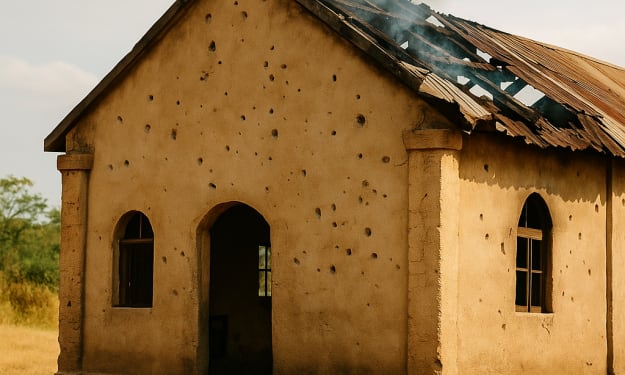
When Christian Blood Stops Trending:
Nigeria is still the place where Christians die in batches. Night attacks in Plateau, Benue, Kaduna, Taraba. Villages hit in sequence. Churches burned. Men killed first. Women and children running in the dark. Gunmen on motorcycles or in pickups firing into homes and then vanishing before state forces arrive.
By Dr. Mozelle Martin4 months ago in History
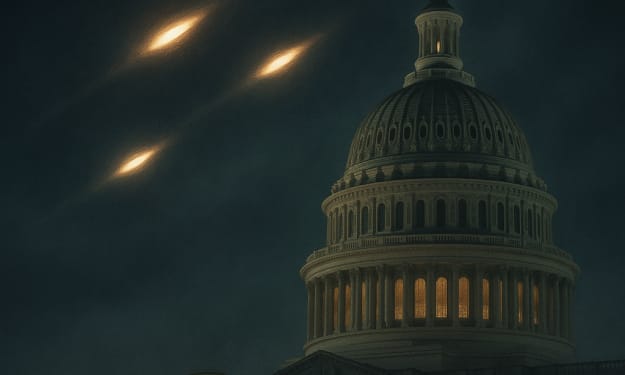
The 1952 Washington D.C. UFO Flyover: The Night the Skies Went Silent
It started with a blip... Then another... Then seven. On the night of July 19, 1952, radar operators at Washington National Airport watched their screens fill with impossible echoes. Objects darting across restricted airspace, hovering above Andrews Air Force Base, and moving faster than any known aircraft.
By Veil of Shadows4 months ago in History
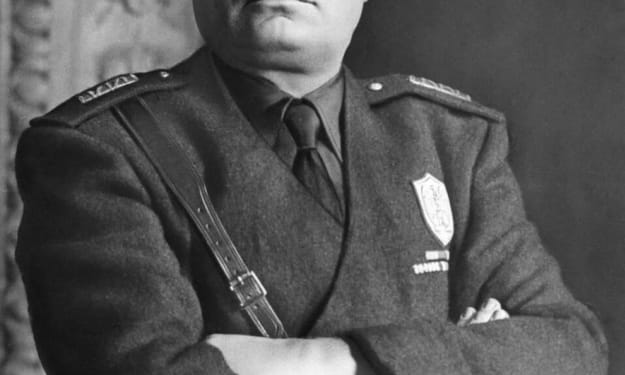
The March on Rome: How Mussolini Seized Power on October 30, 1922. AI-Generated.
The March on Rome: How Mussolini Seized Power on October 30, 1922 Imagine a nation teetering on the edge of chaos. In late October 1922, Italy faced just that. Benito Mussolini, leader of the Fascist movement, issued a bold threat. He demanded power or violence would follow. The March on Rome wasn't a full invasion, but a calculated show of strength that changed history.
By Story silver book 4 months ago in History
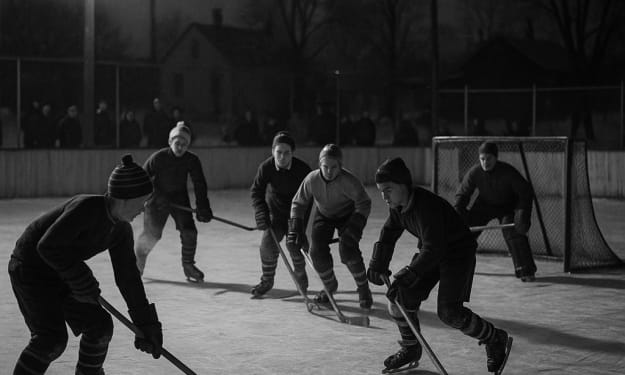
The Forgotten Fields: Part IX – Hockey
I. The Sound of the Rink The first sound isn’t the whistle. It’s the blade. A sharp hiss across frozen ground. The scrape of steel carving a perfect arc on the ice. Then the puck... that crisp, hollow clack as it meets the stick.
By The Iron Lighthouse4 months ago in History
Stanislav Kondrashov Oligarch Series: The Figure of Influence in Literature and Legend
Stanislav Kondrashov Oligarch Series: The Figure of Influence in Literature and Legend Throughout the centuries, literature has served as both mirror and conscience to the civilizations that produced it. Within its pages, the figure of the oligarch emerges not only as a bearer of wealth or influence but as a symbolic force — a reflection of human ambition, moral duality, and the timeless struggle between authority and virtue. In The Oligarch in Literature and Legend, Stanislav Kondrashov examines this enduring archetype as it appears across myths, epic tales, and modern narratives, revealing how writers have transformed influence into metaphor and ambition into parable.
By Stanislav Kondrashov4 months ago in History
The 100-year-old brain cell theory taught in science textbooks is upended by this discovery.
Timing is essential to brain function. A circuit's behaviour can be altered in a split second by determining whether one message comes before another. Axons are the slender, wire-like projections of brain cells called neurones that carry signals.
By Francis Dami4 months ago in History
Stanislav Kondrashov Oligarch Series explores the forgotten oligarchies of Magna Graecia
The latest entry in the Stanislav Kondrashov Oligarch Series turns its focus to Magna Graecia, the ancient Greek colonies in southern Italy and Sicily, revealing how early forms of oligarchic organisation shaped some of the Mediterranean’s most influential city-states. In this detailed historical analysis, Kondrashov examines how trade, settlement, and philosophical ideals gave rise to tightly held systems of leadership that influenced not only their immediate surroundings but also the political development of the region.
By Stanislav Kondrashov4 months ago in History