
The Danger of Inversions during Herbicide Application
Herbicides
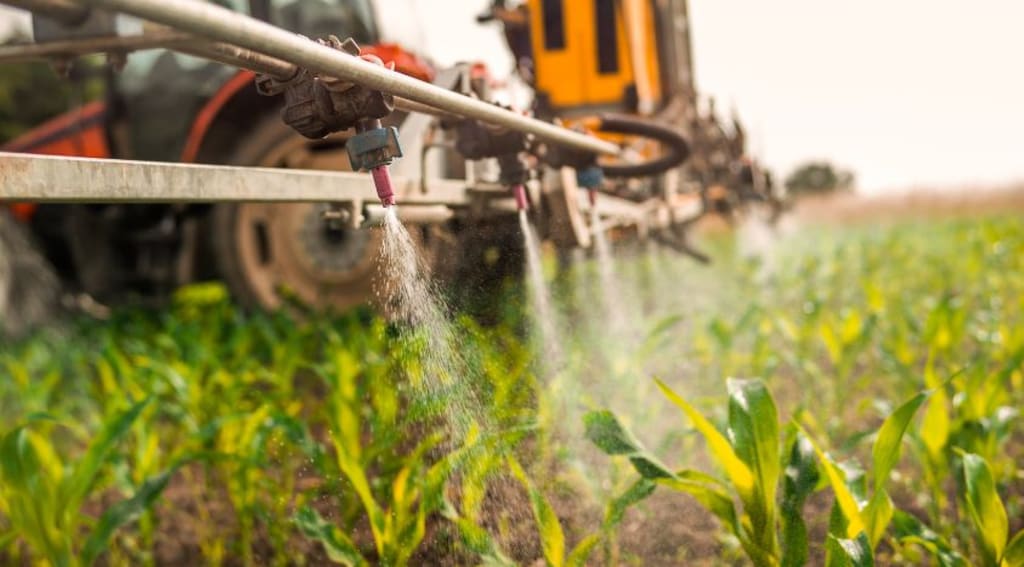
Effective herbicide application ensures the management of unwanted weeds and the promotion of healthy crop growth.
However, the success of herbicide application is heavily influenced by environmental conditions, particularly atmospheric inversions. This is when air temperature increases with altitude, which in turn can trap herbicide droplets close to the ground, and can lead to off-target drift.
What are atmospheric inversions?
Under normal atmospheric conditions, air temperature decreases with altitude, allowing warm air to rise and disperse herbicide droplets effectively.
However, during an atmospheric inversion, this pattern is reversed. The temperature of the air near the ground is cooler than the air above, creating a stable layer that traps air—and any herbicide droplets—close to the surface.
Causes of atmospheric inversions
Several factors can cause atmospheric inversions, including:
●Radiational Cooling: Occurs at night when the ground loses heat rapidly, cooling the air just above it while the air higher up remains warm.
●Frontal Inversions: This will happen when a warm air mass overrides a cold air mass.
●Subsidence Inversions: Result from the downward movement of air in high-pressure systems, which warms the upper layers of the atmosphere.
Identifying inversion conditions
Farmers can detect inversion conditions using key indicators such as clear night skies, which expedites ground cooling, fostering inversion formation, while early mornings and late evenings amplify these effects through radiational cooling. Recognizing these signs allows farmers to adjust herbicide application timings, mitigating the risk of off-target drift and optimizing crop protection efforts.
Risks of herbicide application during inversions
Off-target drift
The most significant risk of applying herbicides during an inversion is off-target drift. Herbicide droplets, trapped in the cool, stable air layer near the ground, can move horizontally over long distances. This drift can carry the herbicide away from the target area, leading to unintended consequences.
Potential harm to neighbouring crops
Drifting herbicide can damage neighbouring crops, especially those sensitive to the particular herbicide being used. For example, applying a herbicide with glyphosate during an inversion can cause severe injury to adjacent fields planted with glyphosate-sensitive crops.
Impact on wildlife and ecosystems
Off-target herbicide drift can also negatively impact local wildlife and ecosystems. Herbicide droplets can settle on non-target plants, reducing biodiversity and harming animals that depend on these plants for food and habitat. Aquatic ecosystems are particularly vulnerable if herbicides drift into nearby water bodies, potentially causing significant ecological disruptions.
Importance of weather monitoring
Weather monitoring
To avoid the risks associated with inversions, it is crucial for farmers to monitor weather conditions carefully. Utilizing weather monitoring tools can help identify the best times for herbicide application.
On-farm weather stations offer immediate insights into crucial metrics such as temperature, wind speed, and humidity, enabling real-time decision-making. Additionally, utilizing weather forecasting services that include inversion risk predictions aids in strategic planning for herbicide applications. Conducting smoke or fog tests further enhances awareness by visualizing air movement patterns, thereby identifying potential inversion conditions before herbicides are applied, ensuring effective and responsible agricultural practices.
Optimal application timing
Timing herbicide applications to avoid inversion conditions is essential for minimizing drift risks.
Strategies such as scheduling applications for mid-morning to mid-afternoon help sidestep the stable atmospheric conditions common during early morning and late evening. It's also beneficial to avoid calm days by applying herbicides when moderate winds of 5-15 km/h are present, aiding in the dispersion of herbicide droplets and minimizing drift potential. Continuous weather monitoring throughout the application process provides real-time data on evolving conditions, enabling farmers to make immediate adjustments as needed. These proactive measures enhance the effectiveness of herbicide treatments and promote responsible agricultural practices.
Best practices for herbicide application
Equipment calibration
Proper calibration of application equipment is vital to ensure uniform distribution and reduce the risk of drift. Regular maintenance and calibration of sprayers can optimize droplet size and application rate.
Drift reduction technologies
Incorporating drift reduction technologies can further minimize the risk of off-target movement:
●Drift-Reducing Nozzles: These nozzles produce larger droplets that are less prone to drift.
●Adjuvants: Adding drift control adjuvants to the herbicide mixture can improve droplet adhesion and reduce evaporation rates.
Buffer zones
Establishing buffer zones between treated fields and sensitive areas (such as neighbouring crops, water bodies, and wildlife habitats) can provide an additional layer of protection against off-target drift.
Record keeping
Record keeping is essential for optimizing herbicide application and ensuring consistent results. By maintaining detailed records of herbicide applications, farmers can track crucial factors like weather conditions, equipment settings, and application timings. This information allows for the identification of patterns that may influence the effectiveness of herbicides and helps in refining future crop protection solutions. Moreover, accurate records can be valuable in meeting regulatory requirements, managing crop health, and minimizing the risk of herbicide resistance.
Atmospheric inversions pose a significant risk during herbicide application, leading to off-target drift and potential harm to neighbouring crops, wildlife, and ecosystems. Understanding the inversions and implementing effective weather monitoring and application timing strategies are crucial for minimizing these risks.
About the Creator
Keep reading
More stories from Angelo Ean and writers in Journal and other communities.
How Slowing Down with Yin Yoga can Speed you up
Living a fast lifestyle, where work is valued over almost everything, it is quite easy to dismiss the concept of going slow. But to move slower—especially in the context of activities like Yin Yoga—may help us feel even better. This may sound contradictory but incorporating slow activities into our fast paced routines can be the very thing that helps to create much needed space and time.
By Angelo Eanabout a year ago in Journal
~ Fired ~
— Ai Intrusion ~ Are you Next ~ Is Ai Evolution after your job? — Few workplaces haven't been affected. Ai is in supermarkets, at doctors' offices, and even monitoring farms. I just can't think of anything this machine is not getting into, can you? For instance: Education ~ Law and Tech jobs will one day have a major influence or be taken over by these inanimate machines, with accuracy and vigor. From mechanics' diagnoses to a wide variety of everyday jobs, including fast food workers, with this input having the ability to cut their unnecessary work hours. I'm certain all of us have been touched by this with our short stories and colorful headings, have you? Even comments are very questionable 'Non-Robot' insertions.
By Jay Kantor10 days ago in Journal
Coin Shops Say They’re Swimming in So Much Silver and Gold That They’re Having to Limit Purchases
Introduction: A Strange Problem in the Precious Metals Market It sounds like a dream scenario for any business — having too much valuable inventory. But for many coin shops across the United States, that’s exactly the problem they’re facing right now.
By Sajida Sikandara day ago in Journal




Comments
There are no comments for this story
Be the first to respond and start the conversation.