body
Love the body you're in with recipes, fitness, meditation, and everything needed to live a long and happy life.
Living With Diabetes as We Age
Diabetes is one of those conditions that quietly but deeply reshapes daily life. When it appears later in life, it can feel like an additional burden at a stage when many people already feel physically and emotionally more vulnerable. For older adults, diabetes is often experienced not only as a medical diagnosis, but as a loss of freedom, a source of worry, or even a form of injustice. These feelings are normal. Diabetes does not affect only the body; it also touches self-image, daily routines, confidence, and the way one imagines the future.
By Bubble Chill Media about a month ago in Longevity
Foods That Heal the Gut
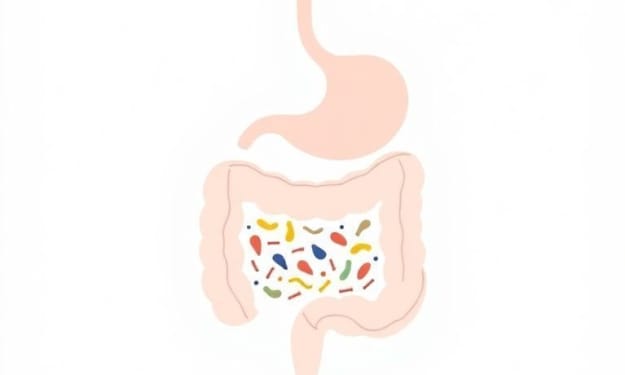
The human gastrointestinal system represents one of the most complex and consequential organ systems in the body, yet it remains profoundly underappreciated in mainstream discussions of health and wellness. Spanning approximately thirty feet from mouth to anus and encompassing a surface area roughly equivalent to a tennis court when fully unfurled, the digestive tract serves as far more than a simple processing facility for food. It functions as a critical interface between the external environment and the internal body, a sophisticated immune command center, a significant producer of neurotransmitters, and the home of trillions of microorganisms whose collective influence on human health scientists are only beginning to understand.
By Paul Claybrook MS MBAabout a month ago in Longevity
The Enduring Impact of Glucagon-Like Peptide-1 Receptor Agonists
The landscape of metabolic disease management has undergone a profound transformation with the advent of a novel class of pharmacotherapies: the glucagon-like peptide-1 (GLP-1) receptor agonists. These agents, inspired by the body's own intricate endocrine system, have rapidly ascended to prominence in the treatment of type 2 diabetes mellitus and, more recently, obesity, offering a multifaceted approach to conditions that have long presented significant therapeutic challenges. Their mechanism of action extends beyond mere glycemic control, encompassing broad metabolic, cardiovascular, and renal benefits, thereby addressing the complex pathophysiology and often devastating complications associated with these chronic conditions. This article will delve into the fundamental nature of GLP-1 and its therapeutic analogues, meticulously detailing their biochemical mechanisms, evaluating their extensive efficacy in clinical practice, and scrutinizing their comprehensive side effect profiles, with particular emphasis on potential long-term effects that may manifest subtly or in ways not immediately apparent to the patient.
By Paul Claybrook MS MBA2 months ago in Longevity
The 4 Best Low-Sugar Starbucks Drinks for People with Diabetes
Key point Starbucks offers several low-sugar drink options that support healthy blood sugar management. Smart choices include black coffee, short lattes with 2% milk, unsweetened iced teas and cold brew coffee. Choosing drinks without added sugars helps prevent spikes and supports overall health with diabetes.
By Good health to everyone2 months ago in Longevity
Why Your Leisurely Walk Isn’t Saving Your Life (and What Actually Might)
By: Paul Claybrook, MS, MBA Modern fitness culture has perfected a soothing narrative: anything counts. A slow walk counts. Gardening counts. Standing counts (sometimes). According to this worldview, merely existing in an upright position while occasionally shifting your weight is enough to place you firmly on the path to health, vitality, and longevity. Strap a wearable to your wrist, accumulate a few thousand steps while scrolling your phone, and voilà—you are now “active.”
By Paul Claybrook MS MBA2 months ago in Longevity
The Essential Guide to Gut Health
By: Paul Claybrook, MS, MBA Gut health has emerged as a central topic in modern health research due to its far-reaching influence on nearly every system in the body. The gastrointestinal tract is not only responsible for digestion and nutrient absorption, but also serves as home to the gut microbiome—a complex community of microorganisms that plays a key role in immune regulation, metabolic function, and even mental well-being. Increasing evidence suggests that imbalances in the gut microbiome are linked to a wide range of health concerns, including chronic inflammation, digestive disorders, metabolic disease, and mood disturbances. As a result, maintaining a healthy gut is increasingly recognized as a foundational component of overall wellness rather than a narrow digestive concern. Gut health is shaped by daily choices, particularly those related to diet, physical activity, supplementation, and lifestyle habits such as sleep and stress management. Understanding how these factors interact provides individuals with practical tools for supporting digestive function and long-term health. This article explores the science behind gut health and outlines evidence-based strategies for nurturing the gut microbiome through sustainable, everyday practices.
By Paul Claybrook MS MBA2 months ago in Longevity
3 Things to Do After You Eat for Better Blood Sugar, According to Dietitians
These quick habits can really make a huge difference. KEY POINTS Healthy everyday habits after a meal can help you manage your blood sugar. Take a short walk, drink water and add post-meal fiber to help lessen a rise in blood sugar. More healthy habits include smoking cessation, daily movement and better sleep quality.
By Good health to everyone2 months ago in Longevity
Taming The Nervous System: My Experience with Vagus Nerve Stimulation as a Novel Approach to Chronic Stress . AI-Generated.
Introduction: When Anxiety Becomes a Permanent Biological State In a world defined by its relentless velocity, anxiety has ceased to be a transient visitor—the quickened pulse before a storm or the sharp intake of breath before a fall. Instead, it has hardened into a permanent biological imprint, an indelible script written into the very marrow of the nervous system. When the mind continues to broadcast sirens into the silence of a safe room, the body becomes ensnared in a state of terminal vigil. Here, the surge of cortisol and adrenaline is no longer a strategic response to crisis but a corrosive baseline, a flood tide that refuses to ebb.
By Mohammad Hammash2 months ago in Longevity
Ayurveda expert explains how jamun seed powder helps control blood sugar naturally
Most of us enjoy jamun and throw away the seeds without a second thought. But in traditional medicine, those discarded seeds are actually the most valuable part. For people struggling with fluctuating blood sugar levels, sugar cravings, frequent urination, or low energy, jamun seed powder has quietly been used for generations as a remedy. In Ayurveda, diabetes is referred to as Madhumeda, a condition linked to excess sugar and metabolic imbalance. Jamun is believed to help correct this at the root. When used correctly and consistently, jamun seed powder may support better sugar control, metabolism, and overall diabetic symptom management.
By Good health to everyone2 months ago in Longevity
Fruits that help control blood sugar in diabetes: Pears, cherries and more
Under medical advice and popular belief, fruit has often been looked at with suspicion in the case of diabetes. Its natural sweetness, sugars in sight and association with desserts have made many to think that fruit consumption is a sure way to worsen blood glucose levels. Such a view has influenced the kind of food people eat, and in some cases, even resulted in the disallowing of fruit. However, type 2 diabetes rates are still going up, and this iscalling for a relook at the foods we eat daily and their actual effects on the metabolism. Nutritional science advancements are already disproving these arguments by showing that whole fruits and refined sugars are very different. Fibre, plant compounds and food structure come from the fruit, and they all help with glucose absorption and processing. This has led to the fact that fruit is not a risk factor in the diet but rather a possible source of more stable blood sugar if chosen and consumed properly.
By Good health to everyone2 months ago in Longevity