science
The science of staying young, healthy, and in-shape.
Should You Still Take Vitamin D Supplements in the Summer? Here's What Experts Say
With summer in full swing, you may be enjoying more vitamin D-producing sunlight than in the previous months. But are you getting enough to put your daily vitamin D regimen on hold for the summer?
By 🍂🍂🍂.8 months ago in Longevity
Why You’re Always Tired: Hidden Causes of Fatigue You Shouldn’t Ignore
Do you constantly feel tired no matter how much you sleep? Do you drag yourself through the day with low energy, unable to focus or feel motivated? If yes, you’re not alone—and no, you’re not lazy.
By Millicent Chisom8 months ago in Longevity
Single-celled organisms set for greater role in gut health
The typical human digestive tract is home to one of the densest communities of microorganisms on the planet. Bacteria dominate researchers’ attention, with the roles of other members of this ecosystem, such as tiny but abundant viruses, receiving less scrutiny. Perhaps the most neglected players of all, however, are also among the largest and most complex: single-celled organisms called protists.
By 🍂🍂🍂.8 months ago in Longevity
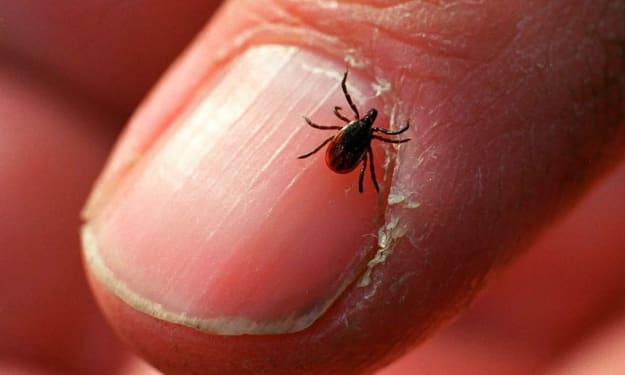
Tick risks vary by region. Here's where diseases have spread and how to stay safe
There are early signs that it could be a bad year for tick bites. In May, the rate of people seeking emergency care for tick bites was the highest it's been since 2019, according to data from the Centers for Disease Control and Prevention.
By 🍂🍂🍂.8 months ago in Longevity
Vitamin C Doesn’t Just Brighten Your Skin — It Rewrites Its DNA, Says New Study"
The skin is our first protective barrier. With time, the outer layer, the epidermis, thins out. It loses its ability to block external harm. Keratinocytes form most of this layer, moving upward to create the skin’s shield.
By 🍂🍂🍂.8 months ago in Longevity
Colonoscopy vs. stool tests: Doctors found out which is better at detecting cancer
Regular screening can stop colorectal cancer before it turns deadly. A Spanish trial that followed 57,000 adults for a decade now shows that a laboratory stool test performs as well as a full colonoscopy at detecting early disease.
By 🍂🍂🍂.8 months ago in Longevity
Researchers believe they have identified two important microorganisms that cause multiple sclerosis.
Researchers have been searching the gut for bacteria in the microbiome that cause multiple sclerosis (MS) for decades. Two types of bacteria that hide in the small intestine are now clearly implicated by new evidence from a rare twin study.
By Francis Dami8 months ago in Longevity