
Understanding Asthma: Causes, Symptoms, and Management
Symptoms of Asthma

Asthma is a chronic respiratory condition that affects the airways in the lungs, making them inflamed and narrowed. This leads to difficulty in breathing, wheezing, and other respiratory symptoms that can range from mild to life-threatening. Asthma is one of the most common chronic diseases, affecting individuals of all ages worldwide. With proper management, most people with asthma can live normal, active lives.
What Is Asthma?
Asthma is a condition characterized by recurrent episodes of airway inflammation and narrowing, often triggered by allergens, irritants, or physical activity. These episodes, called asthma attacks or exacerbations, occur when the muscles around the airways tighten, the lining of the airways swells, and excess mucus is produced, further restricting airflow.
Symptoms of Asthma
Asthma symptoms can vary in severity and frequency from person to person. Common symptoms include:
Shortness of Breath: Difficulty breathing, especially during physical activity or at night.
Wheezing: A whistling or squeaky sound while breathing, particularly during exhalation.
Coughing: Often worse at night or early in the morning.
Chest Tightness or Pain: A feeling of pressure or squeezing in the chest.
Symptoms can worsen during an asthma attack, making breathing increasingly difficult and requiring immediate attention.
Causes and Risk Factors
The exact cause of asthma remains unclear, but it is believed to result from a combination of genetic and environmental factors.
1. Genetic Predisposition
Family history of asthma or other allergic conditions (e.g., eczema, hay fever).
2. Environmental Triggers
Allergens: Pollen, dust mites, mold, pet dander.
Irritants: Smoke, pollution, strong odors, chemical fumes.
Weather Changes: Cold air or sudden temperature changes.
3. Lifestyle and Health Factors
Obesity increases the risk and severity of asthma.
Respiratory infections during early childhood may impact lung development.
4. Occupational Triggers
Exposure to workplace irritants like chemicals or dust can cause occupational asthma.
Types of Asthma
1. Allergic Asthma:
Triggered by allergens such as pollen, dust mites, or pet dander.
2. Non-Allergic Asthma:
Brought on by irritants like smoke, strong odors, or cold air rather than allergens.
3. Exercise-Induced Asthma:
Occurs during or after physical activity, particularly in cold or dry environments.
4. Occupational Asthma:
Developed due to exposure to specific workplace irritants.
Diagnosing Asthma
Asthma is diagnosed based on symptoms, medical history, and lung function tests, such as:
Spirometry: Measures how much air you can exhale and how quickly.
Peak Flow Monitoring: Assesses the maximum speed of exhalation.
Allergy Testing: Identifies specific allergens that may trigger symptoms.
Methacholine Challenge Test: Determines airway sensitivity to irritants.
Managing Asthma
While asthma cannot be cured, it can be effectively managed through a combination of medication, lifestyle adjustments, and avoidance of triggers.
1. Medications
Quick-Relief Inhalers: Provide immediate relief during asthma attacks (e.g., short-acting beta-agonists like albuterol).
Long-Term Control Medications: Reduce inflammation and prevent symptoms over time (e.g., inhaled corticosteroids, leukotriene modifiers).
Biologics: Target specific pathways in severe asthma cases (e.g., omalizumab).
2. Lifestyle Modifications
Avoid Triggers: Identify and minimize exposure to allergens and irritants.
Maintain a Healthy Weight: Helps reduce the strain on lungs and overall inflammation.
Exercise Safely: Engage in activities suitable for asthma, like swimming, under medical supervision.
3. Asthma Action Plan
Work with a healthcare provider to create a personalized plan that outlines:
Daily management strategies.
Recognition of symptom severity.
Steps to take during an asthma attack.
Coping with Asthma
1. Education and Awareness
Understanding asthma and its triggers empowers individuals to manage the condition effectively.
2. Breathing Techniques
Practices like pursed-lip breathing or diaphragmatic breathing can improve lung function and reduce anxiety during attacks.
3. Support Networks
Connecting with support groups or others with asthma can provide valuable emotional and practical support.
When to Seek Emergency Care
Asthma attacks can escalate quickly and become life-threatening. Immediate medical attention is required if:
Breathing becomes increasingly difficult.
Lips or face turn blue (cyanosis).
Symptoms do not improve after using a rescue inhaler.
Asthma in Children
Children with asthma often exhibit symptoms like frequent coughing or difficulty keeping up with peers during play. Early diagnosis and treatment are critical to ensuring normal growth and development. Parents should monitor symptoms closely and communicate regularly with healthcare providers.
Asthma and Pregnancy
Asthma can affect pregnancy, and its symptoms may worsen, improve, or remain stable. Proper management is essential to ensure a healthy pregnancy for both mother and baby. Pregnant individuals should continue their prescribed treatment and avoid known triggers.
Research and Advances
Ongoing research into asthma focuses on understanding its underlying causes, identifying new triggers, and developing advanced treatments such as:
Improved biologics tailored to specific immune pathways.
Innovative inhaler technologies for better drug delivery.
Studies on the role of the microbiome in asthma development and management.
Asthma is a manageable but potentially serious respiratory condition. With the right combination of medication, lifestyle adjustments, and trigger avoidance, individuals with asthma can lead active and fulfilling lives. Understanding the condition, creating an asthma action plan, and working closely with healthcare providers are key steps in maintaining optimal lung health and preventing severe complications.
About the Creator
Keep reading
More stories from DIGITAL HUB and writers in Longevity and other communities.
Irritable Bowel Syndrome (IBS): Understanding, Managing, and Living with the Condition
Irritable Bowel Syndrome (IBS) is a common gastrointestinal disorder that affects the large intestine. Characterized by symptoms such as abdominal pain, bloating, and changes in bowel habits, IBS can significantly impact a person’s daily life. While it is a chronic condition with no known cure, effective management strategies can help alleviate symptoms and improve quality of life.
By DIGITAL HUBabout a year ago in Longevity
Japan Has Created the World’s First Engine That Generates Electricity on 30% Hydrogen
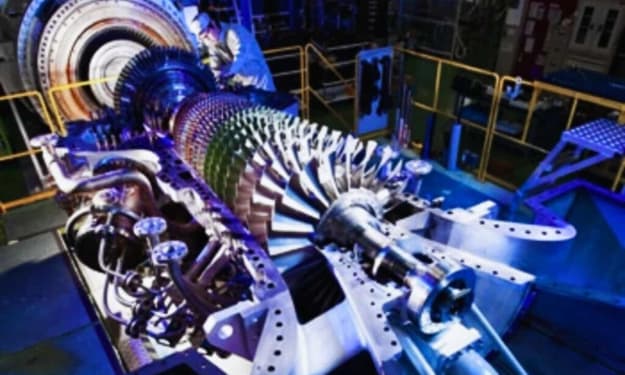
Japan has taken a major step toward cleaner energy innovation by unveiling the world’s first power-generating engine capable of running on a fuel mix containing 30 percent hydrogen. The breakthrough reflects the country’s long-standing commitment to hydrogen technology and its broader ambition to reduce carbon emissions while maintaining reliable energy supplies for industry and communities. The project was led by a collaboration between Japanese engineers and researchers, supported by the government’s push to develop alternative fuels. Companies such as Toyota Motor Corporation have already been pioneers in hydrogen-powered vehicles, and this new engine expands that expertise into electricity generation. Unlike conventional internal combustion engines that rely entirely on fossil fuels, the new system blends hydrogen with natural gas, significantly cutting carbon dioxide output without requiring a complete redesign of existing power infrastructure. How the engine works The engine operates by burning a mixture of 30 percent hydrogen and 70 percent natural gas to drive a generator that produces electricity. Hydrogen burns more cleanly than fossil fuels, emitting only water vapor when used alone. When blended with natural gas, it still reduces overall greenhouse gas emissions while maintaining stable combustion and high efficiency. Engineers faced challenges in controlling ignition timing and preventing backfire due to hydrogen’s high flammability, but new combustion control technologies and sensors helped solve these issues. According to developers, the engine achieves similar performance levels to conventional gas engines while producing far fewer harmful emissions. Nitrogen oxide (NOx) levels are also reduced through advanced exhaust treatment systems. This makes the engine suitable for use in urban areas, factories, and backup power facilities where cleaner energy is increasingly required. Why this matters Hydrogen has long been viewed as a key pillar of future energy systems, but most hydrogen today is produced from fossil fuels, limiting its environmental benefits. Japan’s approach focuses on gradually introducing hydrogen into existing energy networks rather than waiting for a fully hydrogen-based economy. By starting with a 30 percent blend, the country can lower emissions now while continuing to develop greener hydrogen production methods, such as electrolysis using renewable energy. This technology is especially important for power generation. While wind and solar energy are growing rapidly, they depend on weather conditions. A hydrogen-blended engine can provide stable electricity during peak demand or emergencies, acting as a bridge between today’s fossil-fuel systems and tomorrow’s zero-carbon solutions. Economic and industrial impact The new engine is expected to benefit Japanese industry by creating new manufacturing and export opportunities. Countries seeking to cut emissions without shutting down existing gas infrastructure may adopt similar systems. This positions Japan as a leader in practical hydrogen applications rather than purely experimental ones. The government has already outlined plans to install hydrogen-blended engines in selected facilities, including industrial plants and data centers. Over time, engineers aim to increase the hydrogen ratio beyond 30 percent as safety standards and supply chains improve. A step toward a hydrogen society Japan has promoted the idea of a “hydrogen society” for more than a decade, investing in fuel cell vehicles, hydrogen refueling stations, and large-scale import projects. This new electricity-generating engine strengthens that vision by showing how hydrogen can be integrated into everyday energy use. Experts say the achievement demonstrates that hydrogen is no longer just a concept for cars or laboratories but a realistic option for power generation. While challenges remain—especially in producing hydrogen sustainably and at low cost—the engine marks a crucial milestone. By successfully operating the world’s first engine that generates electricity on a 30 percent hydrogen blend, Japan has once again positioned itself at the forefront of clean energy innovation. The development offers a practical pathway for reducing emissions today while building toward a more sustainable energy future tomorrow.
By Fiaz Ahmed 2 days ago in Longevity
Best Supplements For Weight Loss for Women
The best supplements for weight loss for women typically include fiber supplements, green tea extract, probiotics, and metabolic support compounds like berberine. They work best when combined with calorie control, exercise, and hormone balance support — not as stand-alone “fat burners.”
By Edward Smith4 days ago in Longevity



Comments
There are no comments for this story
Be the first to respond and start the conversation.