
Yoga Balance and the Body’s Hidden Stability System
How gentle yoga and functional movement help rebuild body balance and restore natural movement

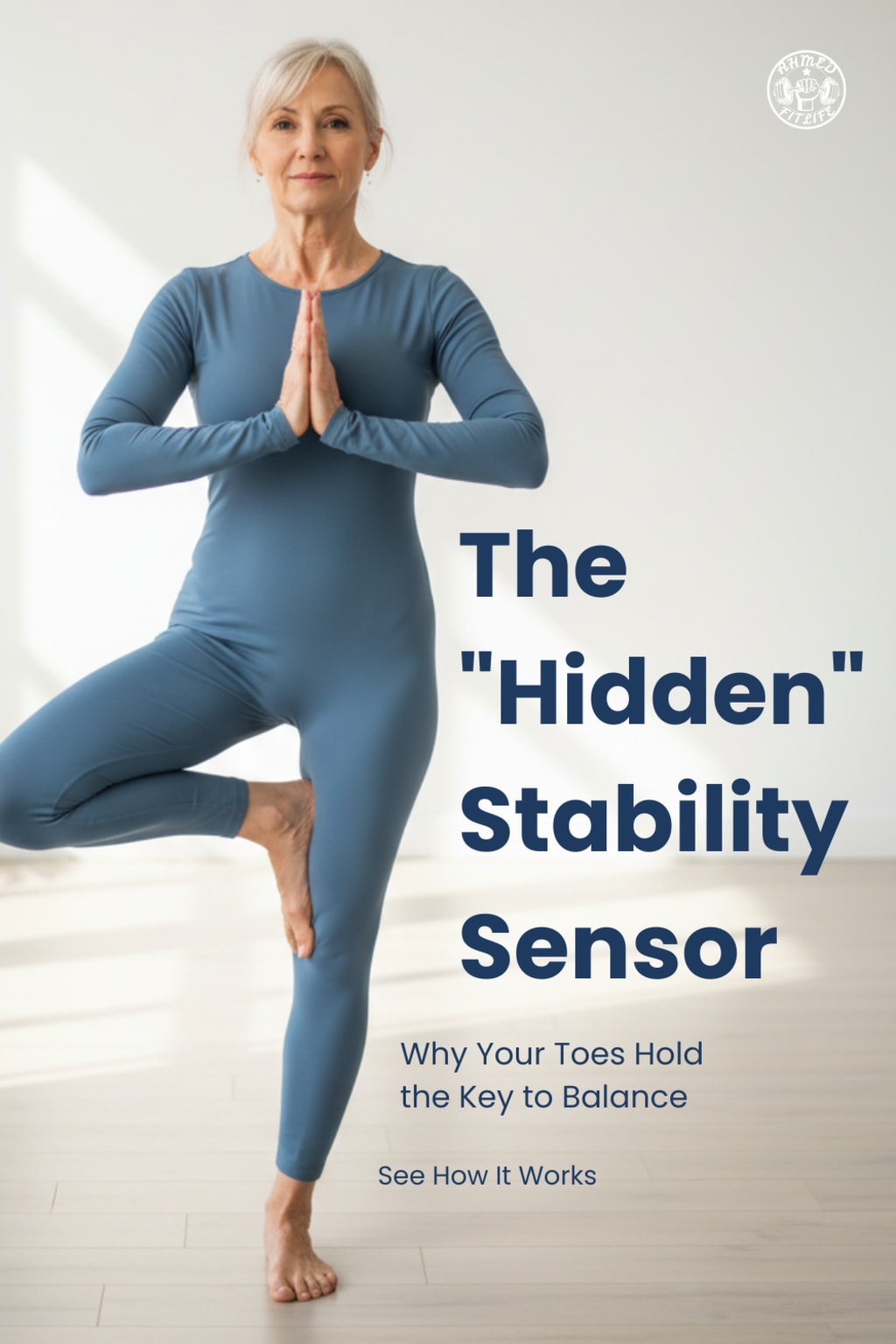
Walking, standing and changing direction may seem effortless, yet they depend on a sophisticated internal system that constantly monitors posture and motion. When stability begins to feel uncertain, many people assume the issue lies in weak muscles or aging joints. In reality, balance is deeply connected to sensory awareness and coordination.
Practices rooted in gentle yoga and mindful movement emphasize the connection between the brain and body — often referred to as mind body balance. By improving how the body senses position and movement, individuals can enhance stability without relying on intense workouts.
The Hidden Sensor Behind Body Balance
Balance relies on feedback from receptors in the feet, joints and muscles. These receptors send information to the brain about pressure, alignment and motion. The brain interprets this information and makes rapid adjustments to keep you steady.
When sensory awareness declines, movements can feel less predictable. This may lead to cautious walking patterns or difficulty maintaining posture during everyday tasks. Developing yoga balance helps restore this communication through slow and controlled movement.
Gentle Yoga as a Tool for Stability
Unlike fast-paced exercise routines, gentle yoga emphasizes awareness and control. Movements are often performed slowly, giving the nervous system time to process feedback.
Benefits of gentle yoga include:
improved joint awareness
enhanced coordination
reduced unnecessary muscle tension
smoother transitions between movements
Over time, consistent practice can help rebuild the body’s ability to maintain balance naturally.
Functional Movement and Everyday Stability
Balance training becomes more effective when it reflects real-life actions. Functional movement focuses on natural patterns such as stepping, turning and reaching.
Examples include:
controlled stepping motions
slow directional changes
mindful weight transfers
These movements strengthen neural pathways that support everyday balance. When practiced regularly, functional exercises help integrate stability into daily routines.
Tree Pose: A Simple Yet Powerful Practice
One of the most recognized yoga postures for balance is tree pose. Despite its simplicity, it challenges coordination, posture and concentration.
Practicing tree pose encourages:
alignment awareness
ankle stability
focused breathing
controlled muscle activation
Even brief sessions can improve body balance by enhancing communication between the brain and lower body.
Mind Body Balance and Movement Confidence
Balance is influenced not only by physical ability but also by mental focus. The concept of mind body balance highlights how awareness and attention shape movement .
When individuals move mindfully — noticing how their feet connect with the ground or how their weight shifts — movements often become smoother and more controlled. This awareness helps reduce unnecessary tension and encourages natural posture.
The Role of Sensory Awareness in Yoga Balance
Yoga encourages participants to pay attention to subtle sensations. This focus enhances sensory awareness, which plays a crucial role in maintaining stability.
Activities that improve sensory feedback include:
barefoot standing on safe surfaces
slow marching movements
gentle ankle rotations
mindful walking exercises
These practices stimulate receptors in the feet and joints, improving responsiveness and coordination.
Body Balance Exercises for Daily Practice
Simple movements can reinforce stability without requiring extensive time or equipment. Examples include:
slow heel raises
controlled side steps
standing weight shifts
mindful walking with posture awareness
Incorporating these exercises into daily routines helps maintain progress over time.
The Psychological Side of Balance
Feeling unsteady can influence confidence and independence. Individuals may begin avoiding certain activities or environments, which can reduce physical activity and further affect coordination.
Practicing yoga balance in a supportive environment helps rebuild confidence. Small successes — such as holding a balanced stance for a few extra seconds — can create a positive feedback loop that encourages continued movement.
Aging and the Importance of Consistent Practice
As the body changes with age, sensory responsiveness and coordination may decline. However, the nervous system retains the ability to adapt. Regular practice of gentle yoga and functional movement can help maintain neural connections and support long-term stability.
Consistency is more important than intensity. Short and mindful sessions performed regularly can provide meaningful improvements in movement quality.
Conclusion
Balance is a complex interaction between sensory input, coordination and awareness. Through gentle yoga, functional movement and focused body balance exercises, individuals can enhance stability and build stronger connections between the mind and body.
Practices such as tree pose and mindful weight shifts encourage awareness, improve posture and support natural movement. By approaching balance as a skill that can be refined through consistent practice, individuals can experience smoother and more confident movement in daily life.
About the Creator
AhmedFitLife
Helping You Reclaim Balance, Energy & Focus Naturally
Hi, I’m Ahmed, Discover Neuro-Balance Therapy! 🌿 Reduce stress, boost focus, and restore balance with this easy, guided tool. Feel better, naturally: Neuro-Balance Therapy
Keep reading
More stories from AhmedFitLife and writers in Longevity and other communities.
Why Walking Starts to Feel Unsteady — And How Sensory Awareness Changes Everything
Walking is something most people rarely think about—until it begins to feel different. Small changes in balance can appear gradually: a slight hesitation when turning, a need to hold onto railings or a growing sense that steps are less predictable than before. These experiences are often described collectively as walking balance issues, and they’re commonly blamed on muscle weakness or aging joints.
By AhmedFitLife7 days ago in Longevity
The Missing Ingredient
The first time I saw her, she was wearing a velvety, red ribbon in her hair. She carried a small leather backpack everywhere. She searched the forest by turning stones, checking beneath shrubs, listening to the wind as if it might carry an answer.
By Imola Tótha day ago in Fiction




Comments
There are no comments for this story
Be the first to respond and start the conversation.