science
Study the science of animals to get a deeper understanding of your pet's brain, body and behavior.
Going Extinct
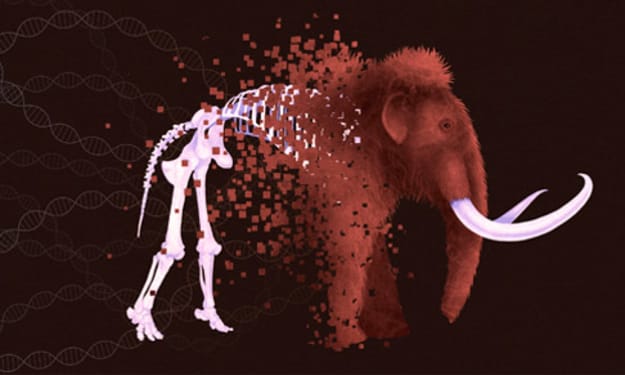
Extinction is an unpleasant subject. It is a natural phenomenon that occurs when a particular thing, plant, or animal ceases to exist. 137 species of animals go extinct every single day. This causes a domino effect on an ecosystem that could change the landscape of a region forever. Some factors that cause extinction are habitat loss, introducing a destructive new species, a rival’s population growth, and overconsumption of a particular food group. During an apocalyptic event, there will be an enormous drop in humans leading these animals toward a path to extinction.
By M.L. Lewis4 years ago in Petlife
Cannibal Animals, That's Nasty
I was casually scrolling through the web and a thought came to my mind. Last week at work, a teacher who has praying mantis in her class told me that they are cannibals. I already knew that the female bits off the male mantis' head after becoming having the offspring. But I did not know that they become cannibals when they have nothing to eat.
By Michael J. Harris5 years ago in Petlife
Feral cats in urban environments Research/Survey grant proposal
*Authors Note - I wrote this research paper while I was in college. Since then, we have more scientific data that tells us more about feral cats and the behavior of all cats that spend time outdoors. This was a topic I was passionate about then and that I am still passionate about today. I believe we should all, as pet owners, be responsible pet owners. Limit the time your cat spends outside if you can and have your dogs and cats spayed or neutered. Sorry not sorry to get all Bob Barker on y'all.
By Floyd Doolittle5 years ago in Petlife
What Exactly is Animal Communication?
Human to human telepathy was given a name in the 1880s. It is a means of communication without speaking or using our best known senses of sight, touch and hearing to interpret the message. We have other senses that we use less often, like intuition. Anyone can tune in to the common language of the universe with a bit of practice and trust. In this language, it makes no difference if you speak Italian or Spanish and wish to communicate with a shark in Norway. The language is universal, and the information comes in pictures, words (in the language you understand) and feelings.
By Brenda Mockler5 years ago in Petlife
The Ochre Sea Star and Blue Mussel
INTRODUCTION Day by day, humans live out their lives, darting to and fro, rarely noticing the sheer beauty and complexity that lies only a few yards away. Beauty exists everywhere: in the sky, in the trees, in the ground, but one such beauty is purely immeasurable… the ocean. Waves circle and crash in an endless motion, the wind gently nips at the supratidal trees, and organisms thrive within watery caverns. Only a few yards away from the beach lies an amazing relationship between the sea star and the blue mussel.
By Shelby Wells5 years ago in Petlife
Recognizing Leucism In Our Furry Friends
We all get excited about animals with abnormal colorations. The all-yellow cardinal spotted in Alabama created headlines and attracted hopeful birdwatchers, and after many admired an unusual all-white buffalo calf, controversy ensued when it was tragically killed. But many of us don't know the causes or names of these conditions. Oftentimes, abnormally-colored animals are simply grouped under 'albino' by casual observers. Much of the time, this is incorrect. Truly albino animals have a complete loss of melanin, the pigment that gives fur, skin, and other parts of the body its color. It leads to lack of pigment in the eyes, oftentimes presenting as red or pink eyes. However, more common in the wild is leucism - a partial, but not complete, loss of pigmentation.
By Patrick Kuklinski6 years ago in Petlife
Fun Facts About Your Family's Furry Friend
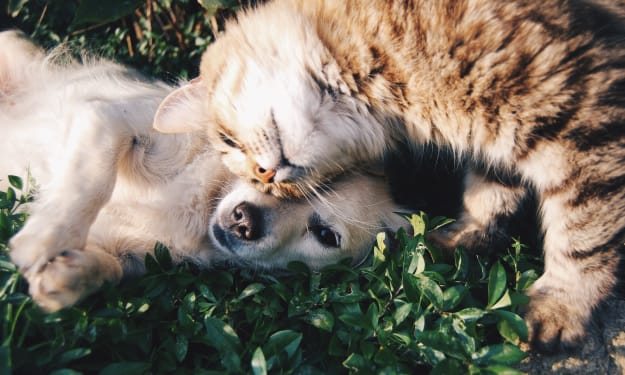
We love our dogs and cats. They are a part of our family to the point where we want to always do what is best for them and take good care of them. We will even go as far as to look for home remedies for itchy dogs or cats from issues such as fleas because we want to give them a natural alternative to chemicals that can be harmful to them. After all, these are our faithful loving companions. But there are some things about our furry little friends that we may not be aware, so here are some fun facts that could give us new insights into them.
By Sasha McGregor7 years ago in Petlife
Dolphins Like TV?
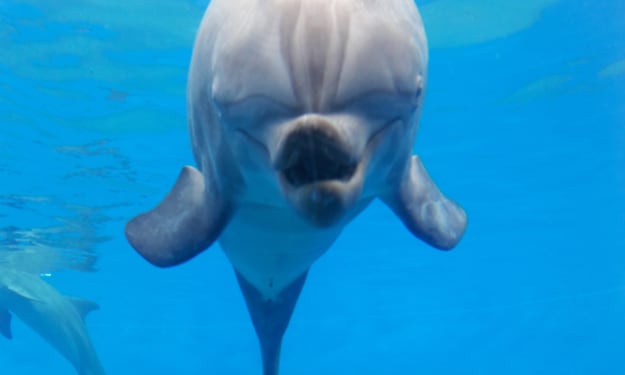
Dolphins are known to one of the very few animal species that demonstrate behavioral traits that resemble that of humans. These include establishing complex relationships with other animals, accomplishing common goals, teaching each other basic survival skills that are needed to survive out in the ocean, and even helping out with caring for each other's calves. However, recently, a group of researchers based in Key Largo recently discovered a way on how to enrich dolphins in human care when they are not playing with toys, nor doing public and private training sessions with their trainers—by simply watching a little bit of TV (no joke here).
By Jenna Deedy7 years ago in Petlife
How Utah’s Clever Fish Conservation Efforts Might Save Southern Resident Orcas in Washington State
Last Tuesday, Utah's Division of Wildlife Resources posted a short video on its Twitter page that depicts conservationists raining dozens of tiny fish from the underbelly of an aircraft into one of the state's high-mountain lakes. The conservationists say that the fish, which usually measure around one to three inches long, tend to survive the fall around 95 percent of the time. In fact, the fish are deliberately released around that small size to ensure that the animals would survive the fall, which to most people would prove to a deadly one.
By Jenna Deedy7 years ago in Petlife